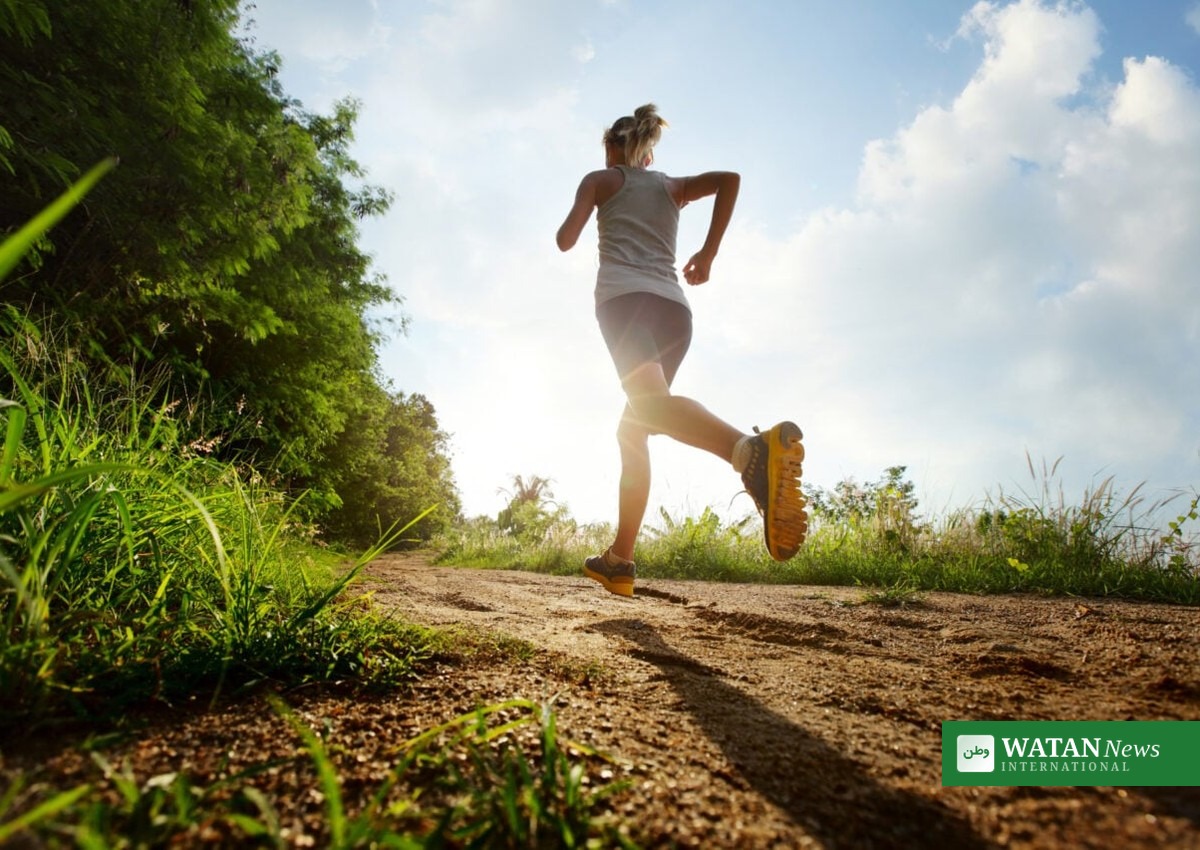
Sleep and exercise are often presented as a simple partnership: a workout lifts the mood, even after a bad night. A new systematic review and meta-analysis suggests the relationship is less reliable than that. When people exercised after a night of sleep deprivation, their mood response was noticeably worse than when they exercised rested, and a single workout did not meaningfully reduce how sleepy they felt.
The review, published online on 23 November 2026 in Sport Sciences for Health, pooled controlled studies in healthy adults. Its authors graded the certainty of the evidence as very low, so the findings are an early signal, not a final verdict, and they call for larger trials.
FAKTA
- Study: “Psychological responses to acute physical exercise in sleep-deprived healthy individuals: a systematic review and meta-analysis”, published online 23 November 2026 in Sport Sciences for Health.
- Led by: Researchers at the State University of Southwest Bahia in Brazil.
- Studies pooled: Six controlled trials in healthy adults, with 79 participants in total, a mean age of 28.3 years, and 44.3 per cent female participants.
- Main mood finding: Sleep deprivation worsened the mood response to exercise, with a standardised effect size of 0.92 (95% confidence interval 0.40 to 1.43), based on four studies.
- Sleepiness finding: A single workout did not significantly reduce sleepiness after sleep deprivation.
- Certainty: Very low, graded using the GRADE approach, because of high risk of bias, imprecision, indirectness and unclear publication bias.
What the Review Did
The researchers asked two questions: how does sleep deprivation, compared with normal sleep, affect a person’s psychological state during a single exercise session, and can one exercise session, compared with no exercise, improve the state of someone who is sleep deprived?
They searched five databases, including Medline, Embase, PsycINFO, CINAHL Complete and Scopus, and followed PRISMA reporting guidance. The protocol was registered in advance with PROSPERO (CRD42024533993). Only clinical trials in healthy adults over 18 were included; well-trained or competitive athletes, shift workers and people with reported illness or sleep disorders were excluded.
Six manuscripts were eligible. Four trials examined the effect of sleep deprivation, compared with normal sleep, on psychological responses to exercise. Two trials investigated a single exercise session, compared with no exercise, in sleep-deprived participants. The included studies were published between 1986 and 2024, with sample sizes from eight to 22 participants. Sleep loss took different forms, including total sleep deprivation of about 24 or 36 hours, sleep restricted to three or four hours, and fragmented sleep.
Sleep and Exercise: A Weaker Mood Response After a Poor Night
Across the pooled trials, sleep deprivation shifted the mood response to exercise in the wrong direction. The meta-analysis of four studies gave a standardised mean difference of 0.92, with a 95 per cent confidence interval from 0.40 to 1.43 and a p-value of 0.0005, a large difference in total mood disturbance compared with the rested condition. Two individual study confidence intervals crossed zero, and the authors described the evidence as very uncertain.
The individual studies did not all point the same way in every detail. In one study, sleep deprivation impaired mood responses during both light and heavy exercise. In another, sleep restriction and sleep fragmentation did not significantly affect mood responses to exercise. The review’s authors concluded that acute sleep deprivation may impair mood responses to a single exercise session, but that the evidence is very uncertain.
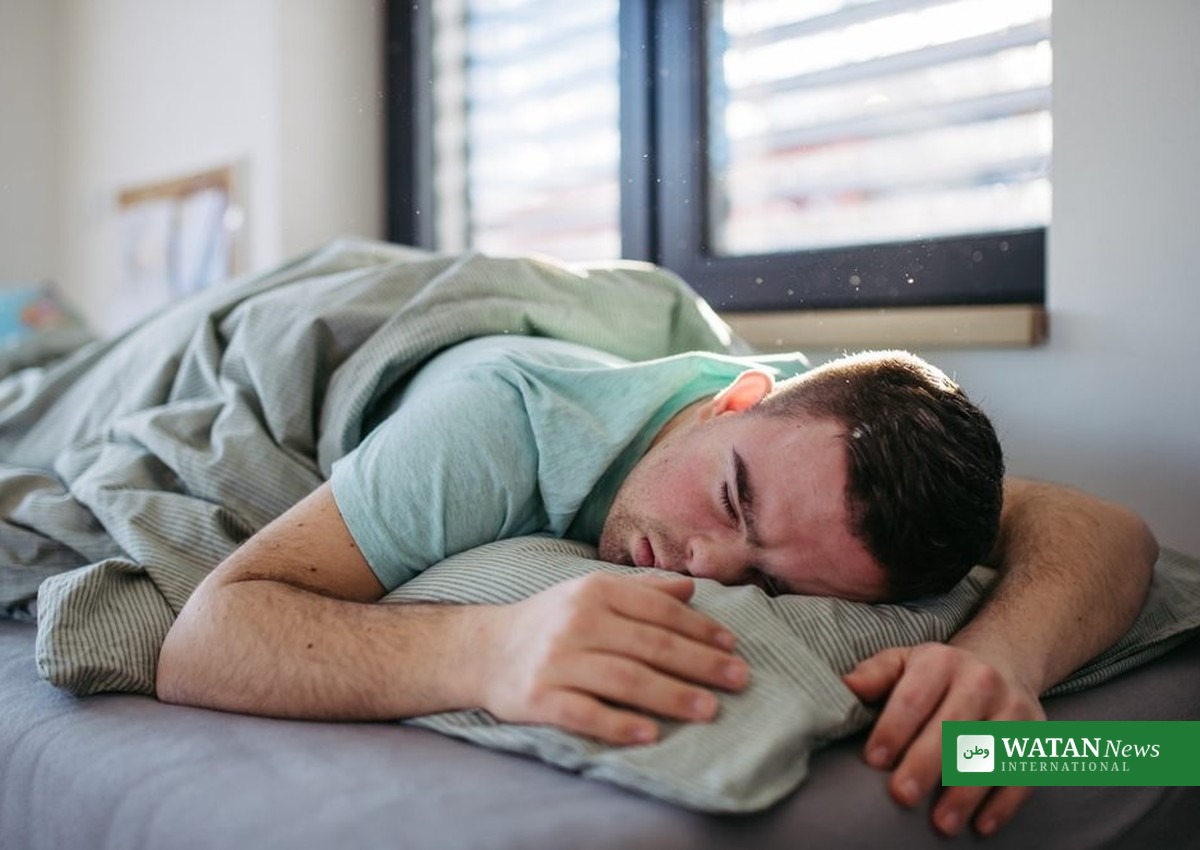
One Workout Did Not Clear the Sleepiness
Exercise on its own also failed to reliably pull sleepiness back down. After a sleep-deprived night, a single workout did not significantly reduce how sleepy participants felt. In the comparison of exercise with no exercise after sleep deprivation, the pooled result from two studies was a standardised mean difference of minus 0.65, with a 95 per cent confidence interval from minus 1.32 to 0.02 and a p-value of 0.06, meaning the result was not statistically significant and the two studies gave divergent results.
Sleepiness during exercise also showed no clear, reliable difference. The pooled analysis of four studies gave a standardised mean difference of 0.44, with a 95 per cent confidence interval from minus 0.03 to 0.91 and a p-value of 0.07. In most individual studies, there were no statistically significant differences in sleepiness between the sleep-deprived and rested groups during exercise.
| Outcome | Pooled result | What it means |
|---|---|---|
| Mood response to exercise after sleep deprivation | Standardised effect size 0.92 (95% CI 0.40 to 1.43); four studies | Mood response was noticeably worse than after normal sleep, but the evidence is very uncertain |
| Sleepiness during exercise | Standardised effect size 0.44 (95% CI minus 0.03 to 0.91); four studies | No statistically significant difference overall |
| Effect of one workout on sleepiness after sleep loss | Standardised effect size minus 0.65 (95% CI minus 1.32 to 0.02); two studies | No significant reduction; the two studies disagreed |
Why Sleep May Set the Ceiling on the Mood Boost
Sleep underpins the systems that exercise is supposed to nudge. Short sleep raises stress hormones, blunts emotional regulation and lowers the brain’s response to rewarding activity. When the baseline mood is already dragged down by a bad night, the same workout starts from a deeper hole and has less room to climb.
Read the Result Carefully: Very Low Certainty
The most important caveat in this story is the one the authors state themselves. The certainty of the evidence was graded as very low for both comparisons. The review lists high risk of bias in the included studies, high imprecision from small samples, indirectness, and indeterminate publication bias as reasons, with serious inconsistency also noted for the second comparison. Only 79 participants were included across all six studies, and no subgroup analyses were possible because so few studies were available.
The authors’ conclusion is deliberately cautious: acute sleep deprivation may impair mood responses to a single exercise session, but the evidence is very uncertain. The evidence is also very uncertain about the effect of sleep deprivation on sleepiness during exercise, and about whether a single exercise session reduces sleepiness after sleep deprivation. Given that very low certainty, the authors say no firm conclusions can be drawn.
That caution does not mean exercise has lost its value. A sweeping review earlier this year found that regular physical activity can lift mood on a scale comparable to standard treatments for mild depression. The new finding does not contradict that; it says the acute, same-day mood lift is fragile when sleep is missing.
What This Means in Practice
For readers who exercise to feel better when they are tired, the takeaway is not to skip the workout. It is to stop using a workout as a substitute for sleep. If sleep has been running at five or six hours a night for a while, adding harder sessions on top is unlikely to deliver the mood payoff being chased. A more useful order is to protect sleep first, then train: a consistent bed and wake time, a cool and dark bedroom, and limiting caffeine after the early afternoon.
A lighter session may also be a kinder choice on a very tired day. If chronically poor sleep is affecting mood, energy or daytime functioning, that is a reason to speak with a doctor rather than to train harder. The new review simply shows sleep and exercise are not interchangeable in the moment.
Conclusion
A poor night of sleep may quietly weaken one of the most valued benefits of exercise: the lift in mood after a workout. The new systematic review and meta-analysis, published online on 23 November 2026 in Sport Sciences for Health, found a large difference in mood response when healthy adults exercised after sleep deprivation rather than rested, with a standardised effect size of 0.92, and found that a single workout did not meaningfully reduce sleepiness. But the evidence is very low in certainty, based on only six small trials and 79 participants. Until then, the sensible reading is modest: sleep first, then train.