
Denmark’s national population register has been breached for the second time in less than two months. The latest Denmark CPR breach exposed the personal data of about 11,000 people, and police have arrested and charged an 18-year-old man in connection with the incident.
The Ministry of Research, Education and Digitalisation disclosed the breach on Thursday, 26 November 2026, three days after it was discovered. It has renewed concern about one of Denmark’s most sensitive public databases, only weeks after a far larger attack exposed the records of 8.8 million people.
FAKTA
- What happened: Unauthorised access to Denmark’s Civil Registration System (CPR) on Monday, 23 November 2026.
- People affected: About 11,000 people; their CPR numbers, names and addresses were accessed.
- Disclosed: Thursday, 26 November 2026, by the Ministry of Research, Education and Digitalisation.
- Arrest: An 18-year-old man was arrested and charged on Tuesday, 24 November 2026, by East Jutland Police and remanded in custody.
- Previous breach: Early October 2026, when data relating to about 8.8 million people was illegally accessed; the person responsible has not been identified.
- Not affected: People registered with name and address protection were not affected by the November breach.
How the Denmark CPR Breach Was Discovered
The CPR administration noticed irregular lookup activity coming from a company on Monday, 23 November, and the incident was reported to the authorities the same day. According to the ministry, the intrusion was stopped by new technical monitoring of CPR lookups that was introduced after the October breach.
The ministry said unauthorised parties gained access to lookups covering the CPR numbers, names and addresses of about 11,000 people. The CPR number is Denmark’s national identification number, used across public services, banking, healthcare and employment, which is why even a comparatively small breach carries serious risks of identity fraud and targeted phishing.
People who have registered for name and address protection were not affected, the ministry said. Neither the ministry nor the police has named the company whose access was used in the new incident, explained how the 18-year-old obtained access, or said whether he is connected to the October breach, which police are still investigating.
The Arrest Near Aarhus
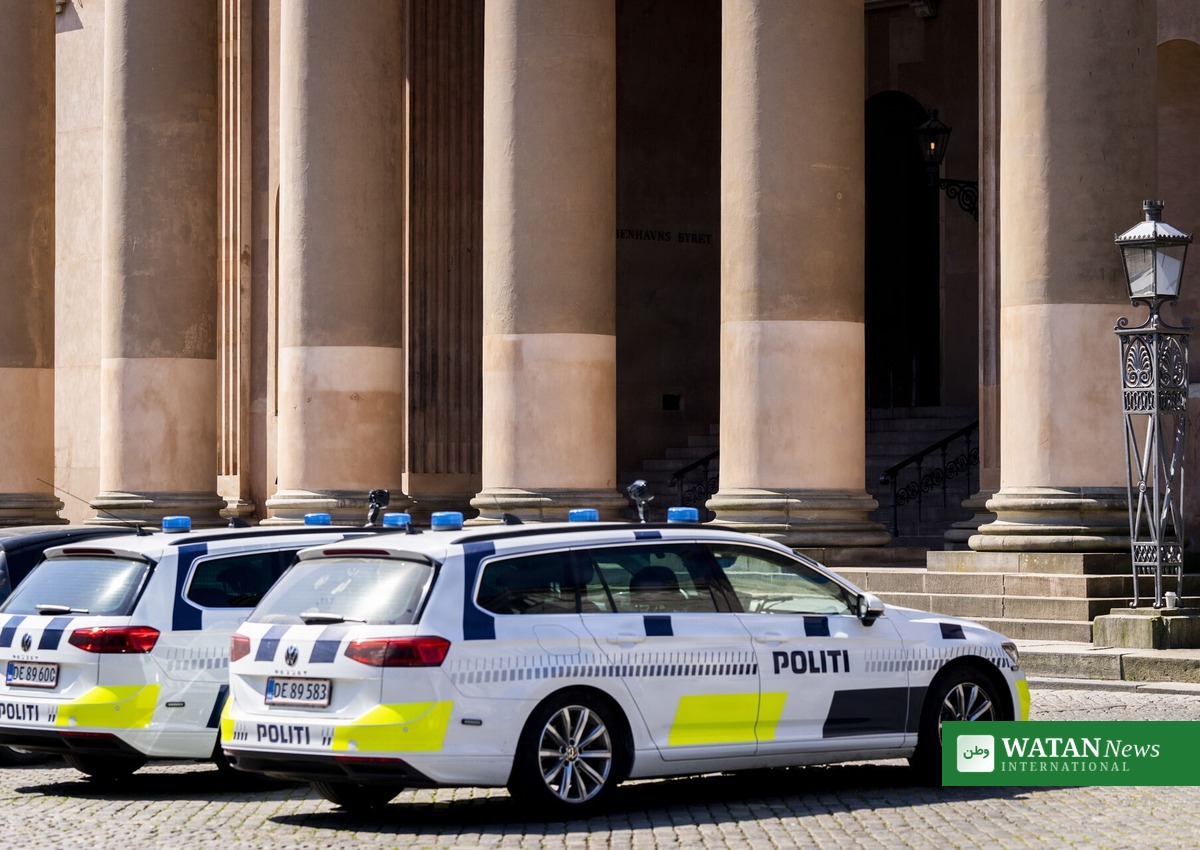
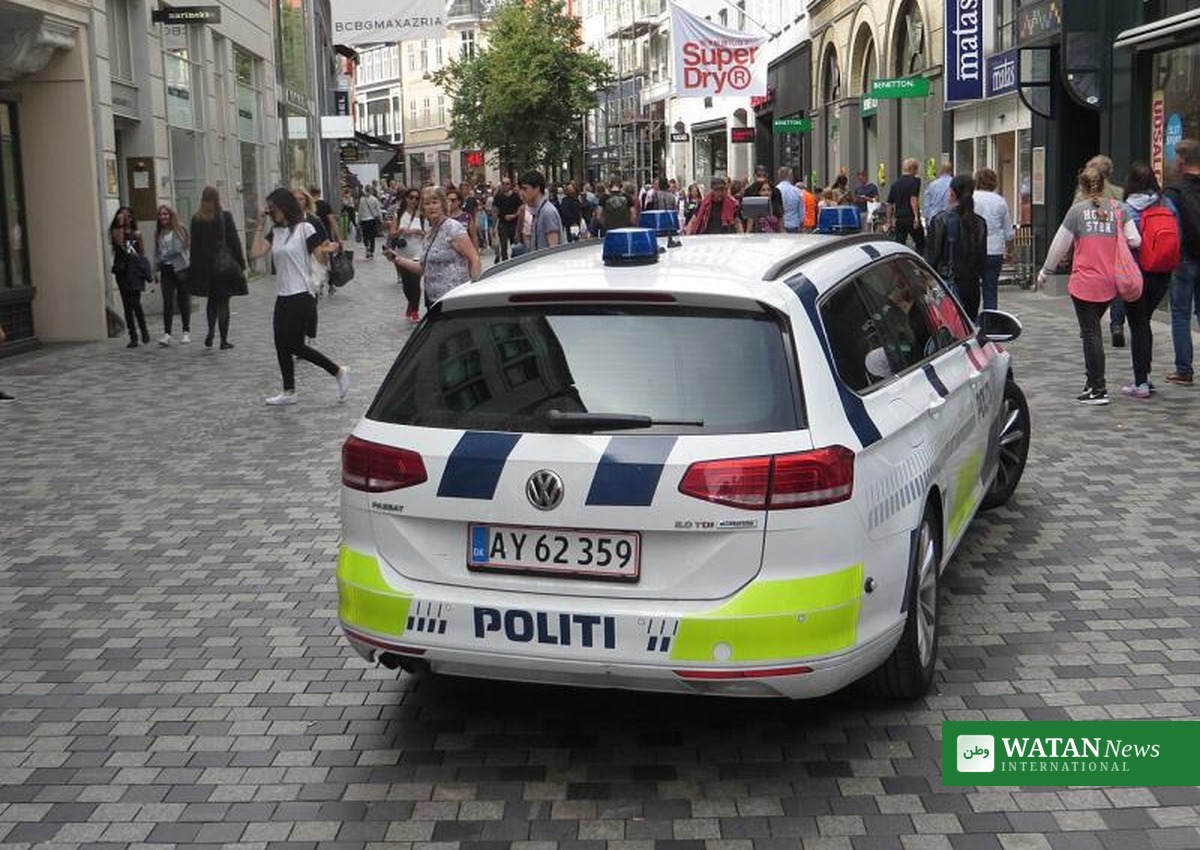
East Jutland Police said in a statement on 26 November that they had arrested and charged the 18-year-old on Tuesday, 24 November, with unlawfully gaining access to the Central Person Register, where he managed to retrieve 11,000 CPR numbers. The day after the breach was discovered, the investigation led officers to an address in a small town just south of Aarhus, where the man lives with his parents, and he was arrested and charged there.
Police searched the address and seized computers and a phone for closer examination. “We searched the address and seized, among other things, computers and a phone, which we now need to examine more closely,” said Flemming Nørgaard, head of investigations at East Jutland Police. He added that it would probably take some time to get a full overview of the case.
The suspect has been remanded in custody. Police said they would not give further details while the investigation continues.
A System Already Under Strain
The November incident is the second breach of the CPR in about seven weeks. In early October 2026, intruders reached the same kinds of data for about 8.8 million registered people, after misusing a Danish company’s legitimate access to search the register. The person responsible for that attack has not been identified.
At the time, an unidentified person contacted the Danish newspaper Politiken through an encrypted messaging service and claimed responsibility. The person said he had used the login credentials of a former employee of a small Danish company to find a way into the population register within just a few hours, and that the former employee’s password was simply “123456”.
The CPR holds names and other personal data for about 11.4 million people, including about 6.1 million living people, according to the CPR office. The scale of the October breach, which touched nearly the entire register, prompted the government to tighten the security obligations on companies with CPR access, add monitoring of lookups and start a security review of the whole system.
October and November: The Two Breaches Compared
| Detail | October 2026 breach | November 2026 breach |
|---|---|---|
| People affected | About 8.8 million | About 11,000 |
| Discovered | Early October 2026 | Monday, 23 November 2026 |
| Data accessed | CPR numbers, names and addresses | CPR numbers, names and addresses |
| How access was gained | Misuse of a company’s legitimate access | Not yet disclosed by police |
| Suspect identified | No; perpetrator still unidentified | Yes; 18-year-old arrested and charged |
| How it was stopped | Discovered after the intrusion | New technical monitoring halted the intrusion |
What the Authorities Are Doing Now
After the October breach, the ministry tightened the security rules for companies allowed to make CPR lookups, introduced the monitoring that caught the November intrusion, and began a security review of the entire system. The review’s preliminary conclusion is that the CPR needs “a significant modernisation”, with changes to the system and stricter requirements for the companies allowed to make lookups. The review is due to finish before Christmas.
Minister Christina Egelund said those who extract data from the register without authorisation “must be found and prosecuted”. She also said Danes “should get used to the CPR number not being private” and should use MitID, Denmark’s digital identification system, to prove who they are instead.
The ministry reminded the public never to give out passwords or other confidential information by phone or by email, even when the caller appears to know their name, address and CPR number.
Wider cyber pressure on Denmark
The breaches come at a time of heightened concern about cyberattacks in Denmark. The authorities raised the country’s cyberattack threat level to “high” in September 2026, and attacks have surged recently, including ones targeting supermarket refrigeration systems.
For now, the November breach is being treated as a separate case from the October attack. Whether the two incidents share methods or actors remains an open question for investigators, and the full picture may only emerge once the seized computers and phone have been examined.
What Residents Should Do
People who believe their data may have been affected should be alert to unexpected contact that uses their personal details. The ministry’s advice is straightforward: do not share passwords or confidential information by phone or email, even if the caller already knows your name, address and CPR number. Suspicious calls, messages or emails should be reported to the police, and anyone unsure about a request for personal information should contact the organisation concerned through its official channels rather than responding directly.
The November breach showed that the new monitoring can catch an intrusion quickly. The harder question is whether the CPR system itself needs the deeper overhaul the ministry’s review is now recommending.
Read our earlier report on the October attack: Denmark Data Breach Exposes 8.8 Million People’s Details.
Conclusion
Denmark’s second CPR breach in seven weeks was far smaller than the first, but it underlines how exposed the country’s central identity register remains. The new monitoring worked, catching the intrusion on the day it happened and leading police to a suspect within 24 hours. Yet an intruder could still reach 11,000 records after the October reforms, which is why the government is considering a major modernisation of the system and the minister is telling Danes to rely on MitID instead of treating the CPR number as a secret.