Two Italian technicians were killed on Thursday in a drone attack on a military site in Kuwait that Italy and Kuwait blamed on Iran, in the first deadly strike on European civilians in the Gulf since the conflict between the United States, Israel and Iran began in late February. Tehran denied any involvement and called the incident a possible false-flag operation.

FAKTA
- Two Italian nationals were killed on Thursday, 26 November 2026, in a drone attack on a military site in Kuwait.
- The victims were Antonio Saccoccio, 65, of Formia, and Emanuele Lo Russo, 36, of Rome, both technicians working for Rheinmetall Italia.
- A Kuwaiti national and a Pakistani national were wounded by falling debris and taken to hospital.
- Italy and Kuwait blamed Iran for the attack; Iran denied any role and offered a joint investigation.
- The technicians were maintaining detection antennas for the Skyguard air defence system used by Kuwait’s armed forces.
What Happened in Kuwait
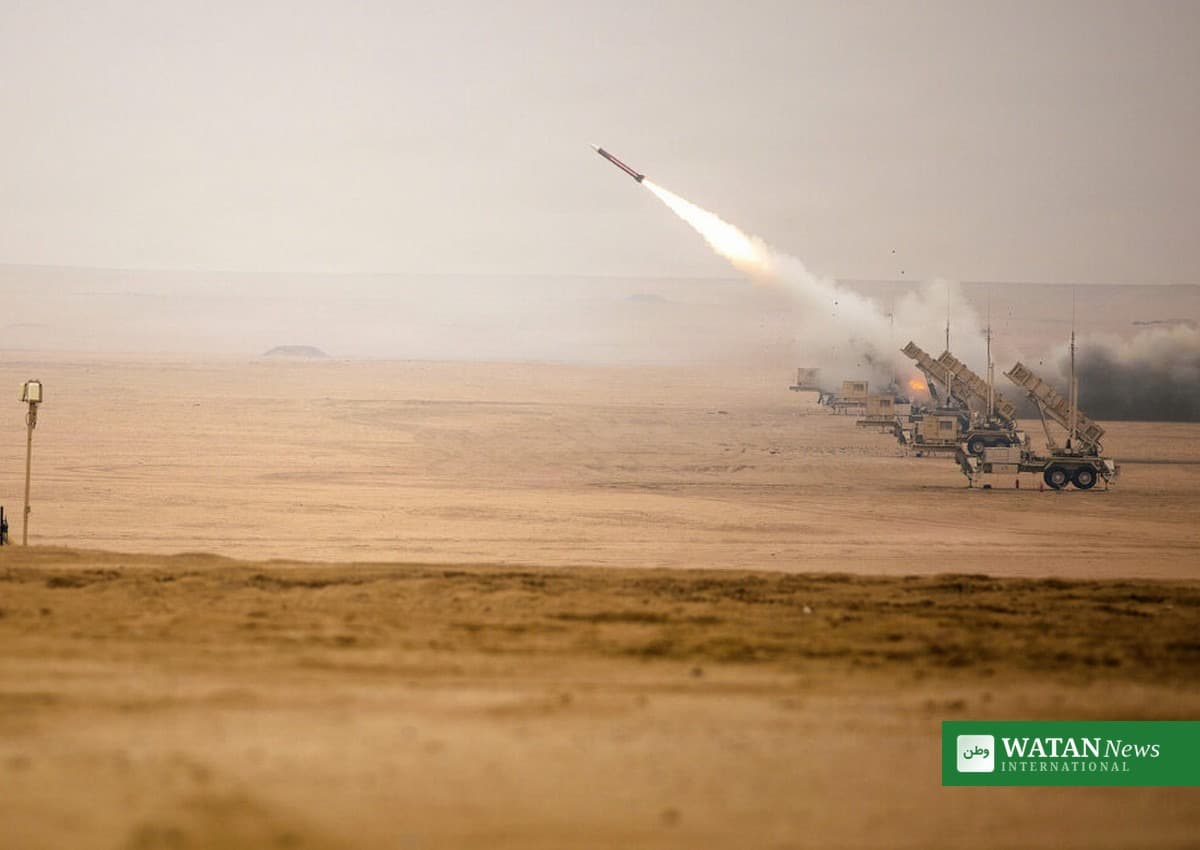
Several drones targeted military installations in Kuwait on Thursday, according to Italy’s Foreign Minister Antonio Tajani, who told the Italian Senate that the drones were of Iranian origin. He said they struck an air defence detection station where the two Italian technicians were working.
Kuwait’s Defence Ministry said falling debris from the interception of the drones struck a military facility, initially wounding four people. The two Italians later died of their injuries. The ministry described the target only as a vital site and did not disclose its precise location.
Italy’s Foreign Ministry confirmed that the two men worked for Rheinmetall Italia, the Italian arm of the German defence company Rheinmetall. A ministry statement said an explosion caused by a drone attack occurred at a site where the two technicians were working on detection antennas for the Skyguard air defence system.

Italy and Kuwait Blame Iran
Both Italy and Kuwait publicly blamed Iran for the strike. Kuwait’s Foreign Ministry condemned what it called a sinful attack and said the country reserved its right to take all measures to protect its sovereignty and the security of its citizens and residents.
After a call between Kuwait’s foreign minister and Tajani, the Kuwaiti ministry said the two had jointly condemned the strike. Tajani told reporters that the drone used in the attack was manufactured in Iran.
Iran Denies Any Role
Iran denied carrying out the attack. Brigadier General Abolfazl Shekarchi, a senior spokesperson for Iran’s armed forces, said no military or offensive operations whatsoever had been conducted by the Armed Forces of the Islamic Republic of Iran in the region.
Iranian Foreign Minister Abbas Araghchi also denied any Iranian involvement during phone calls with his Italian and Kuwaiti counterparts, and offered to cooperate with the governments of Kuwait and Italy to clarify the origin of the incident. Araghchi described the incident as suspicious and said it looked like a pre-cooked recipe for war.
Iran’s embassy in Rome also rejected the claims and warned against false-flag operations it said were aimed at widening the Gulf conflict and drawing European countries into the crisis.
What Each Side Says
| Side | Position |
|---|---|
| Italy | Drones of Iranian origin targeted the site; two Italian technicians killed |
| Kuwait | Condemned the attack; reserved the right to protect its sovereignty |
| Iran | Denied any military operations in the region; called the incident suspicious |
A Region Under Strain
The strike comes during a period of intense tension in the Gulf. Iran has maintained a stream of strikes targeting some of its Gulf neighbours and ships moving oil and natural gas through the Strait of Hormuz, according to reports, and Iran said it last struck Kuwait on 18 November.
The two dead men are the first European civilians to be killed as a result of the conflict since it began in late February, underlining how the fighting has widened beyond the immediate parties. Investigations into the origin of the drones are continuing, and Italy has said it expects full clarity on what happened.
Conclusion
The deaths of the two Italian technicians have turned a regional confrontation into a European concern. With Italy and Kuwait blaming Iran and Tehran firmly denying responsibility, the question of who launched the drones now sits at the centre of a tense diplomatic dispute, and the joint investigation Iran has offered may be the quickest route to an answer.