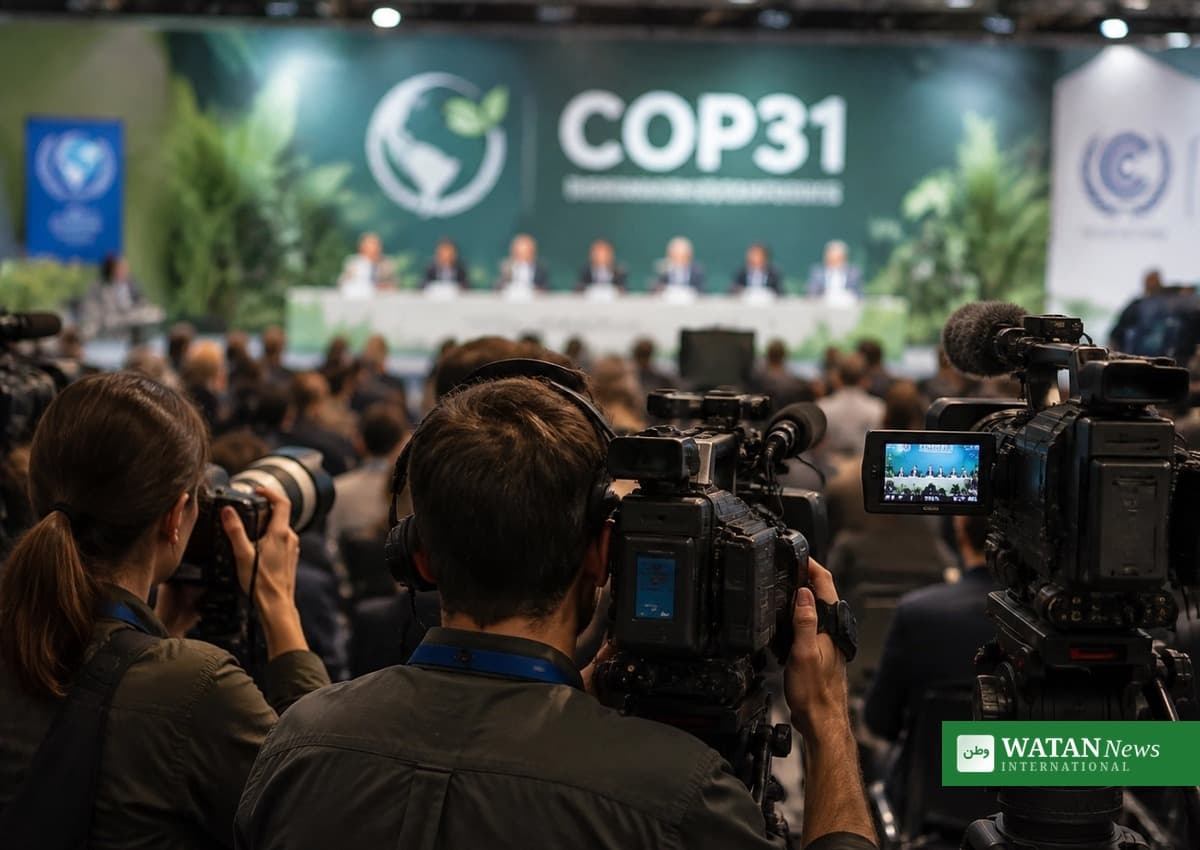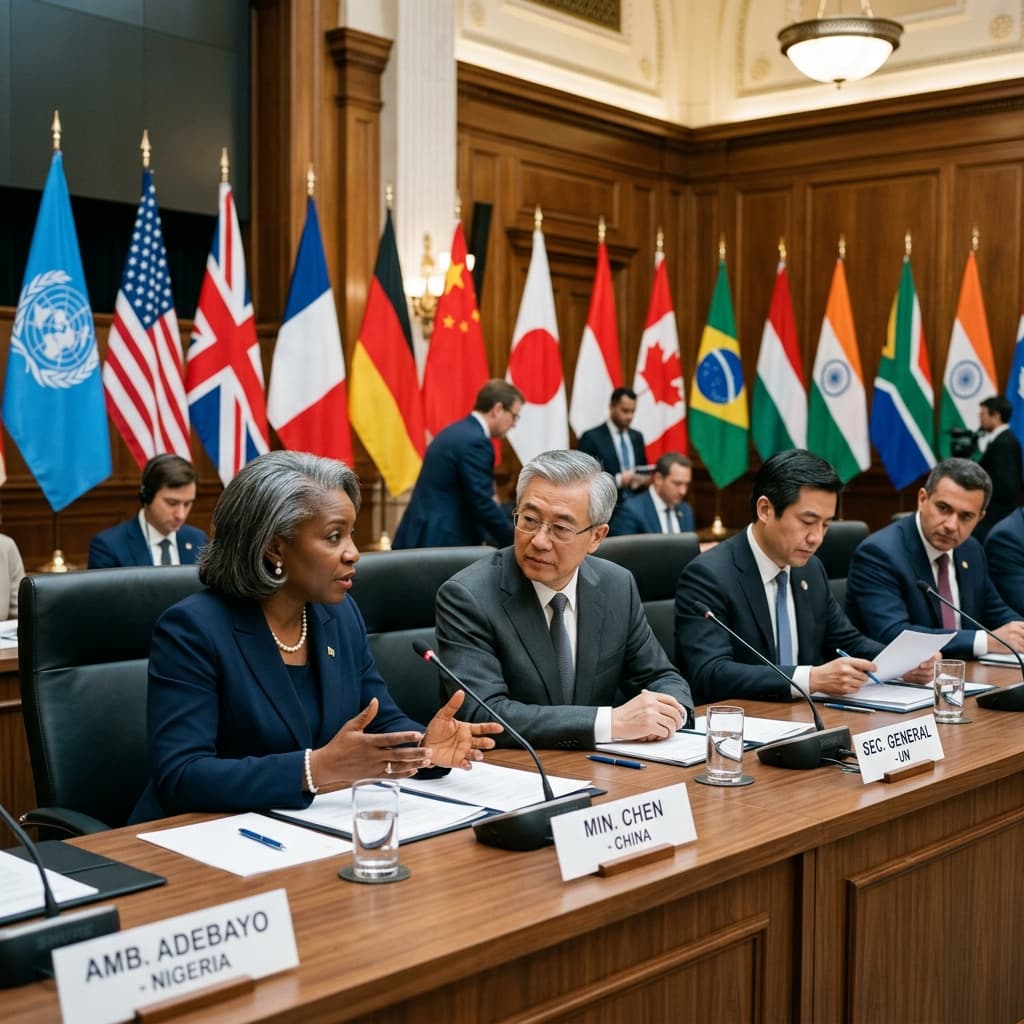
The share of Africans who say wealthy nations should bear primary responsibility for limiting climate change has more than doubled, rising from 13% to 27%, according to a new Afrobarometer release published on 26 November 2026. The finding, drawn from face-to-face surveys in 38 African countries, lands just days after the COP31 climate talks in Antalya ended without a deal on climate finance and fossil fuels.
FAKTA
- What: Afrobarometer release, 26 November 2026, comparing survey rounds 2021/2023 and 2024/2025
- Headline finding: Among Africans aware of climate change, those naming rich or developed countries as primarily responsible rose from 13% to 27% across the 35 countries polled in both rounds
- Biggest rises: Morocco up 42 points, Eswatini up 33, Seychelles up 32, Mauritania up 32
- Method: Nationally representative face-to-face interviews in 38 countries, 50,961 interviews, margins of error of plus or minus 2 to 3 points
- Context: COP31 ended on 22 November 2026 without agreement on climate finance and fossil fuels; COP32 is due in Addis Ababa
The shift is widest in North Africa and small island states
The rise was not evenly spread. Morocco recorded the largest increase, up 42 percentage points, followed by Eswatini with 33 points and Seychelles and Mauritania with 32 points each. Only two countries moved the other way, and only slightly: Guinea fell by 3 points and Mali by 2.
Afrobarometer notes that the belief that developed nations should lead climate action “appears to be on the rise” in its November 2025 pan-African climate profile. The new release measures that change across two survey rounds for the first time.
Governments are still named first, but the gap is closing
National governments remain the most common answer. Across 38 countries, 37% of climate-literate respondents — people who have heard of climate change and know human activity contributes to it — say their own government should have primary responsibility, ahead of rich or developed countries at 26%, ordinary citizens at 20% and business and industry at 11%.
The picture differs sharply by country. Majorities in Nigeria (64%), Guinea (60%) and Chad (57%) look first to their own governments. In Morocco, Seychelles and Tunisia, 64% each say wealthy, developed countries should lead. Ordinary citizens are the most frequent answer in Uganda (48%), Zambia (44%), Togo (40%) and Ghana (37%).
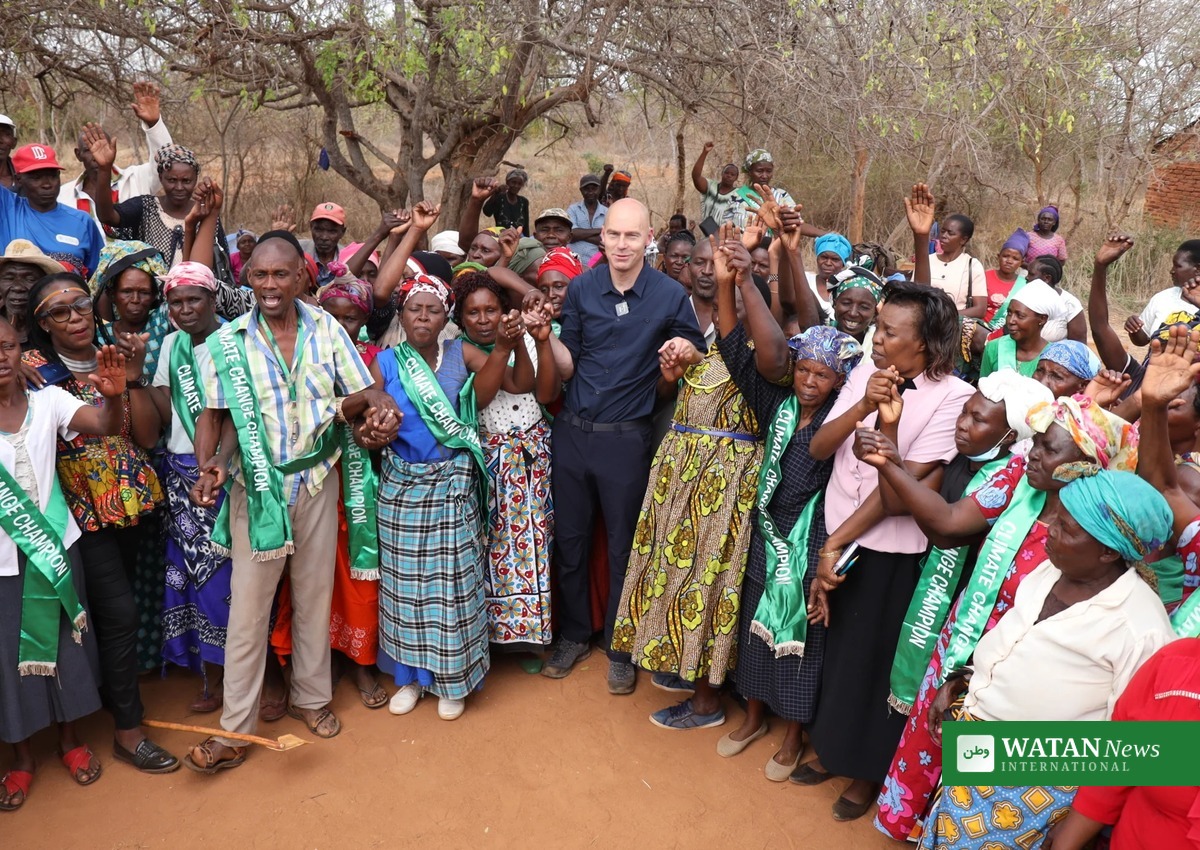
What Africans have lived through
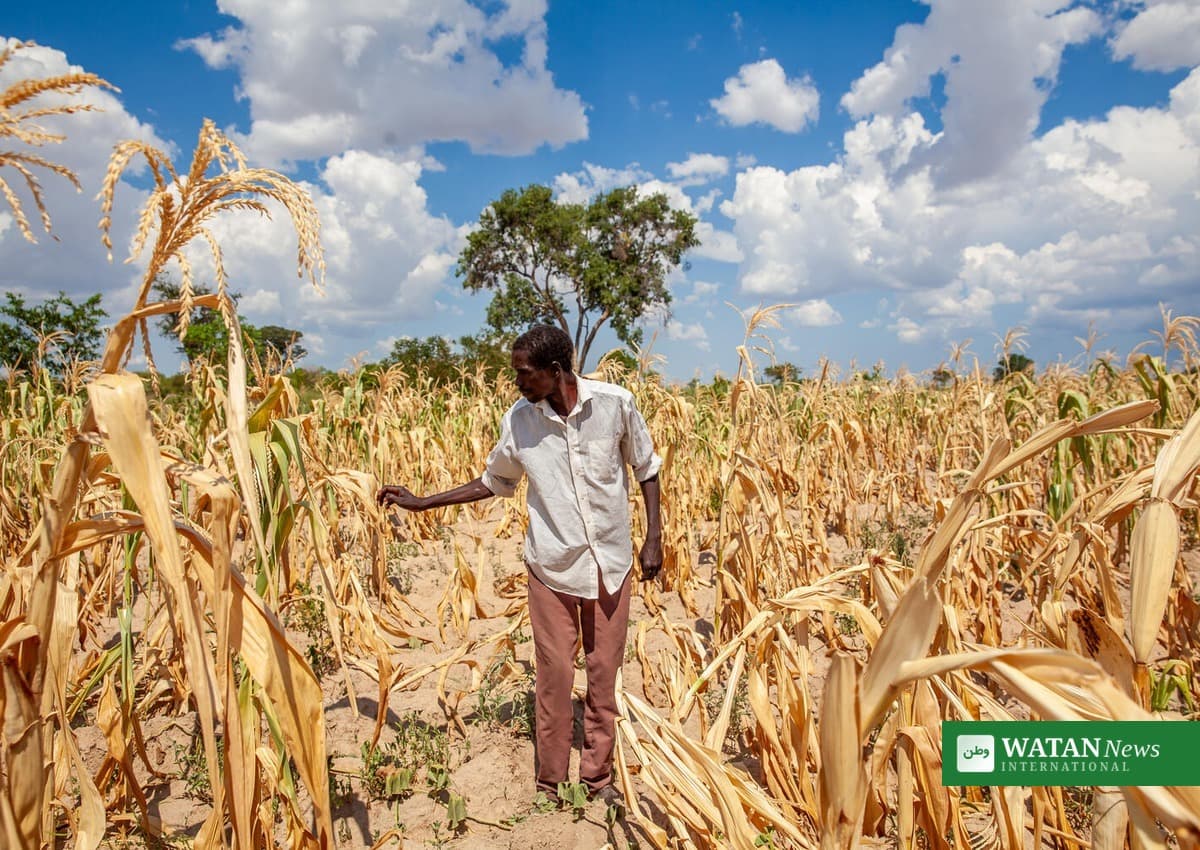
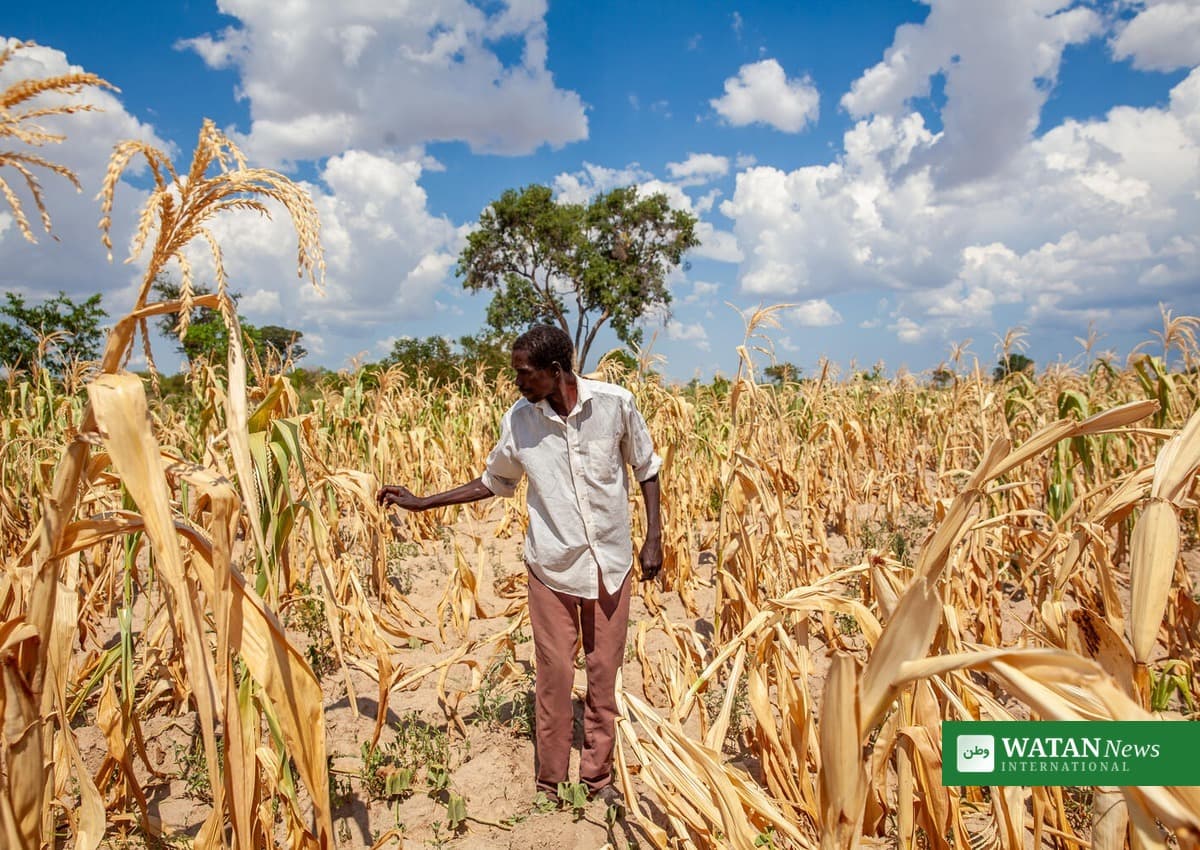
The shift in opinion sits on top of direct experience. Half of respondents said droughts and crop failure had become more severe in their area over the past decade, and 80% of climate-literate citizens said climate change was making life in their country worse.
Awareness itself remains uneven. On average, 56% of Africans have heard of climate change, ranging from 27% in Nigeria to 91% in Seychelles. Only 43% are what Afrobarometer calls climate-change literate — they have heard of climate change and recognise it as at least partly caused by human activity.
Many people are already adapting: 60% of respondents said they or their family had changed at least one thing in response to changing weather, most often water use (34%), outdoor work patterns (31%) or crop planting and food consumption (28%).
Strong backing for action, even at a cost
Support for action is broad and cuts across the responsibility question. Among climate-literate respondents, 83% say rich countries must act now to limit climate change even if it is costly for them, and 85% say those countries have an obligation to help developing nations cover the cost of adapting. Some 73% say their own government should act now, even if it causes job losses or other harm to the economy.
Africans also strongly back practical measures: 81% support investment in climate-resilient infrastructure and 78% want their governments to put more pressure on rich countries to provide climate aid.
Why it matters after COP31
The findings arrive as African governments press for more money for adaptation. The finance goal agreed at COP29 in Baku in 2024 aims to triple finance to developing countries to $300 billion a year by 2035, from the previous goal of $100 billion. At COP31, African negotiators sought a separate commitment to triple adaptation finance but did not secure one, and the talks closed without a deal.
Afrobarometer said citizens’ views “continue to back action” after the Antalya conference. The gap between what African publics want and what the negotiations delivered is now the question facing COP32 in Addis Ababa. Earlier Watan News reporting found the same awareness gap worldwide, and the lessons of COP31’s failure point to the same unfinished finance debate.
The message from the surveys is plain: African publics are not waiting for permission to care about climate change. They are asking, in growing numbers, for the countries that caused most of the problem to lead in fixing it.