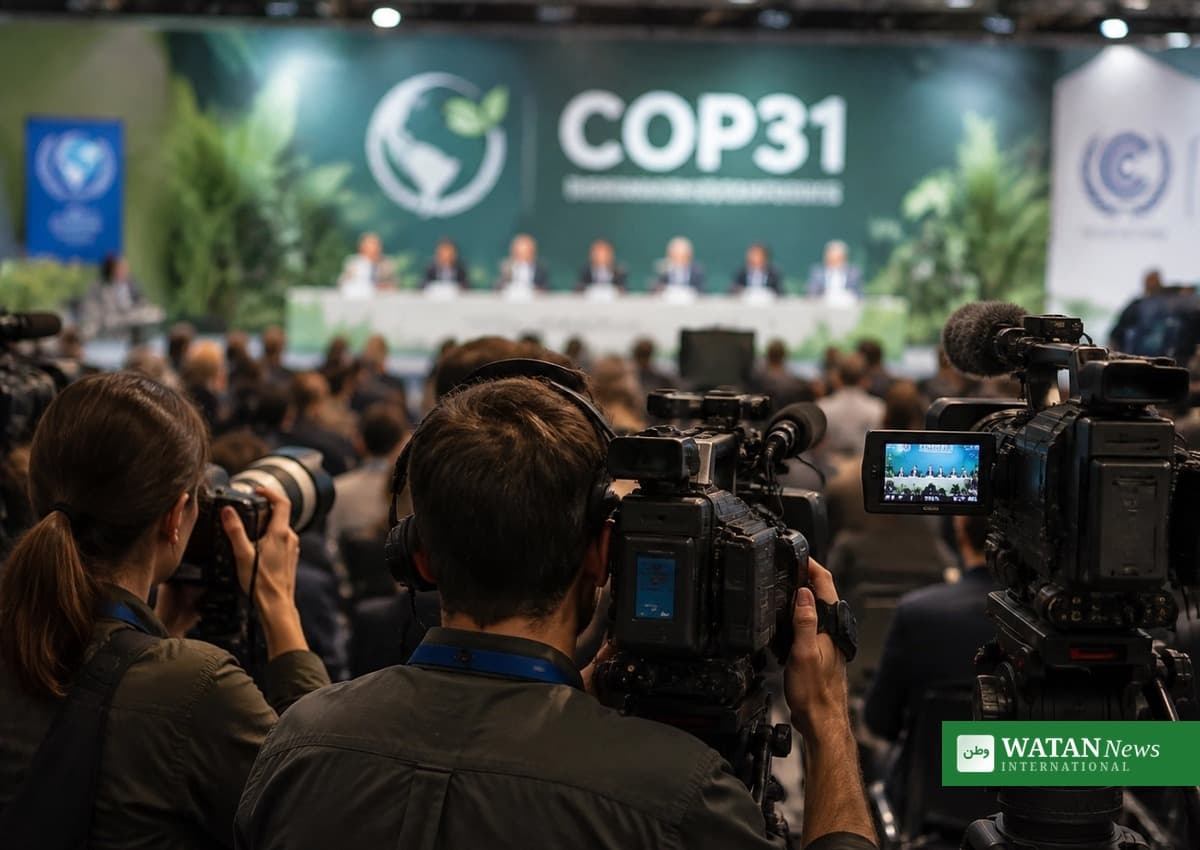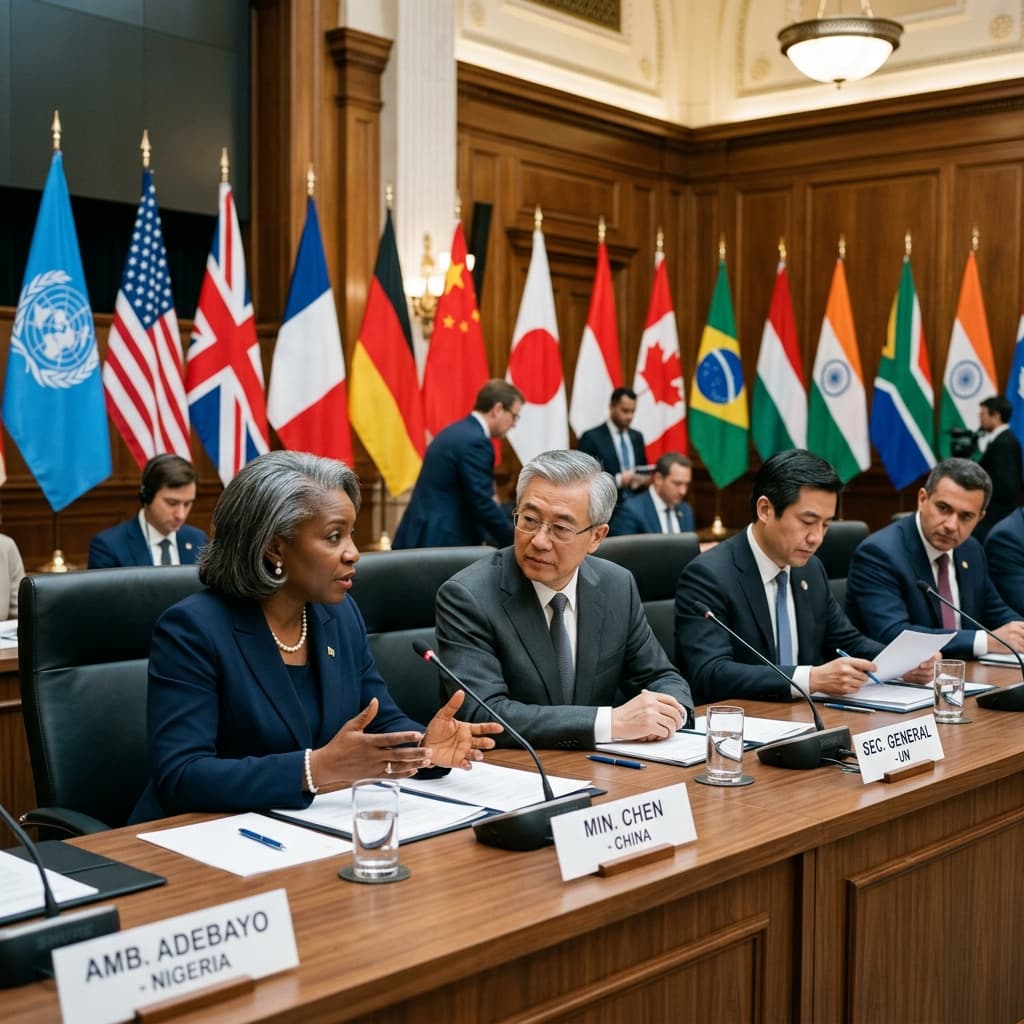
COP31 closed in Antalya on 22 November 2026 without the overarching agreement it was meant to deliver — yet COP31 ocean action still moved forward. For the first time since COP15 in Copenhagen in 2009, a UN climate summit ended with no cover decision, after running 44 hours past its scheduled close and becoming the longest COP on record. But beneath the deadlock, countries built the widest political convergence yet around the ocean’s place in the climate response — and much of that work now carries forward outside the failed text.
The bluest COP — and a summit without a deal
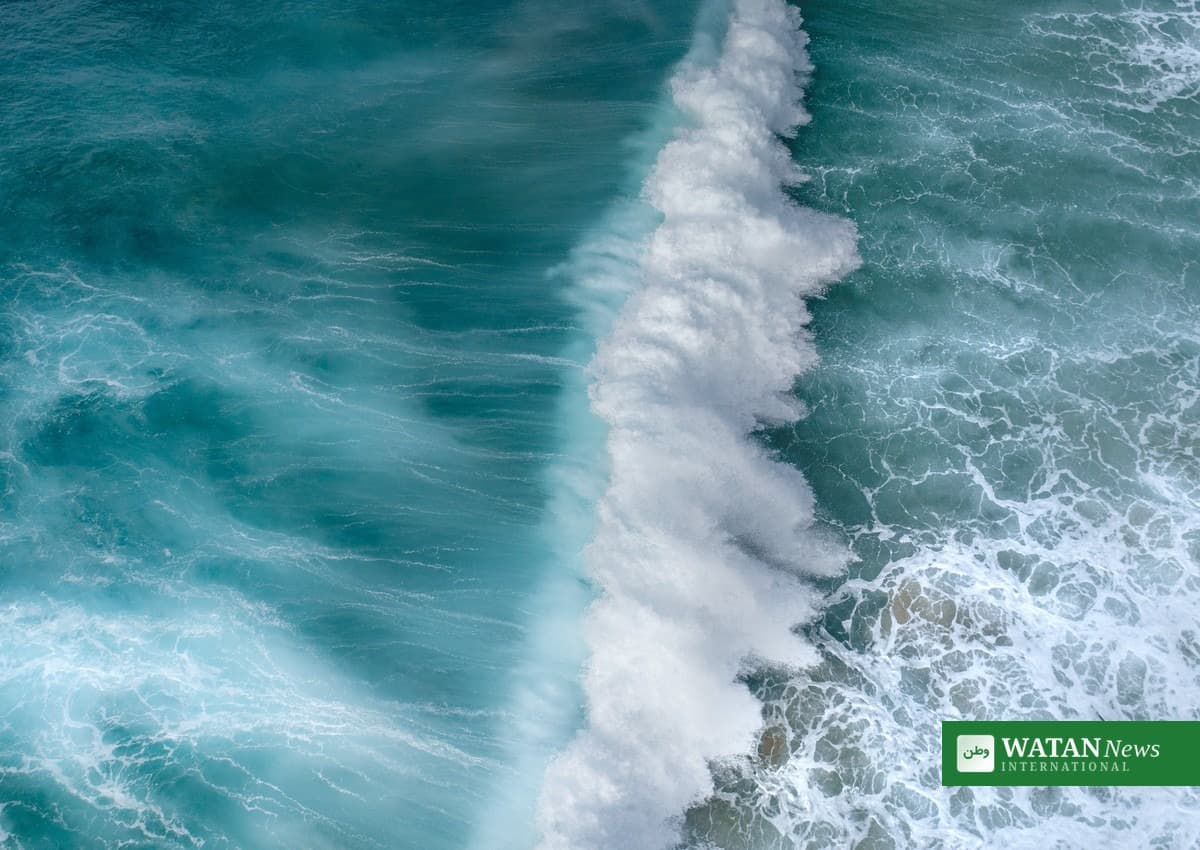
From the outset, the Turkish and Australian co-presidency made the ocean a clear political priority, and COP31 was billed as the “bluest” COP since Madrid. For the first time, a ministerial pair was appointed for the ocean, alongside pairs for mitigation, adaptation, just transition and finance. More than 105 countries from the Friends of Ocean and Climate called on the presidencies to deliver a strong, negotiated outcome for the ocean.
That ambition ran into the summit’s wider deadlock. Parties remained deeply divided over the future of fossil fuels, including language already agreed on phasing them out, and over how to deliver the tripling of adaptation finance agreed at COP30. The draft “Antalya Pact” mentioned neither coal, oil nor gas, and the European Union, the United Kingdom, Panama, the Marshall Islands, Vanuatu, Belize and other climate-vulnerable countries refused to back it. COP31 President Murat Kurum formally declared a lack of consensus in the closing plenary.
COP31 ocean action: what the draft text promised
The draft decision text ended up going further for the ocean than many had anticipated. Countries recognised that accelerating ocean-based climate action must go hand in hand with stronger means of implementation, including enhanced scientific observation, capacity-building and monitoring. Even more significantly, they put forward concrete ways to integrate the ocean further into the UNFCCC architecture, including a multi-year plan for future Ocean and Climate Change Dialogues and linking this work with the second Global Stocktake, which is due to conclude in 2028.
Two proposals carried names of their own: the “Antalya Ocean Current”, a multi-year plan to give continuity between the annual Ocean and Climate Change Dialogues, and the “Blue İmece Synthesis Report”, intended to bring together countries’ climate policy submissions, scientific evidence and progress on ocean-based climate action ahead of the second Global Stocktake.
Why it was not adopted
None of it was adopted, because there was no cover decision to carry it. In a final effort, Fiji called on the COP31 Presidency to consolidate the common ground reached on the ocean into a standalone decision, but with too few parties remaining in the room to adopt it, the proposal fell short. The ocean also found its way into other negotiating tracks with successful outcomes: the conclusions on Research and Systematic Observation recognise the need to strengthen climate observations across ocean and coastal regions, and the outcome of the Standing Committee on Finance underscores the need to improve data on climate finance for ocean-based climate action.
What survives outside the negotiations
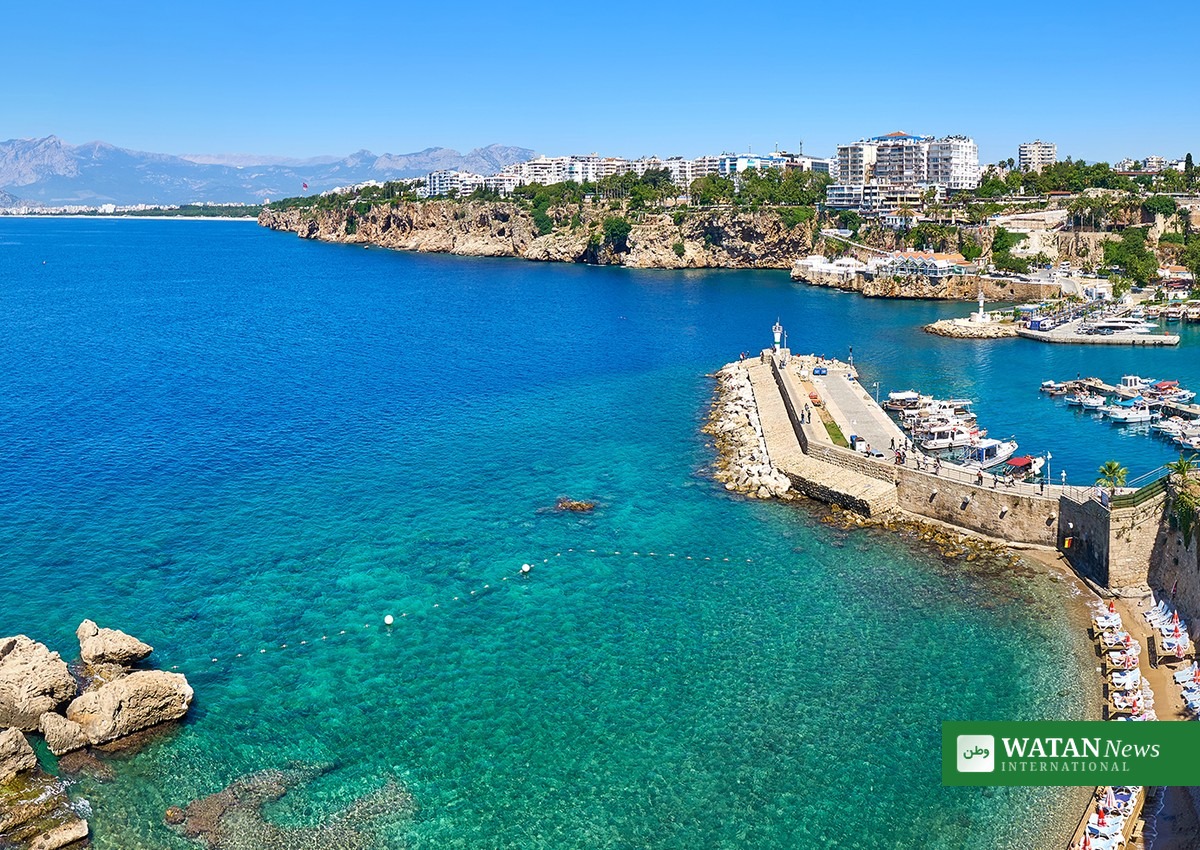
The Antalya Ocean and Seas Compact, launched by the Turkish Presidency on the summit’s ocean day on 17 November, sits outside the formal negotiations and still stands. It aims to strengthen partnerships and improve access to finance for ocean-based climate action, highlighting concrete solutions from marine protected areas to offshore renewable energy and electrification, and connecting them to existing climate processes including national climate plans and the Ocean and Climate Change Dialogue.
The Blue NDC Challenge, a global coalition of countries working to advance ocean-based climate action, launched its Implementation Taskforce at COP31. Co-chaired by Brazil and France, it brings together an initial group of 25 delivery partners spanning scientific organisations, multilateral development banks and United Nations bodies, and launched an online resource hub. The challenge now counts 30 member countries. Nearly 40 organisations endorsed the Blue Shipping Corridors Ambition Statement, and the Coastal Tourism Breakthrough launched the Ocean Catalyst Group and a dedicated playbook.
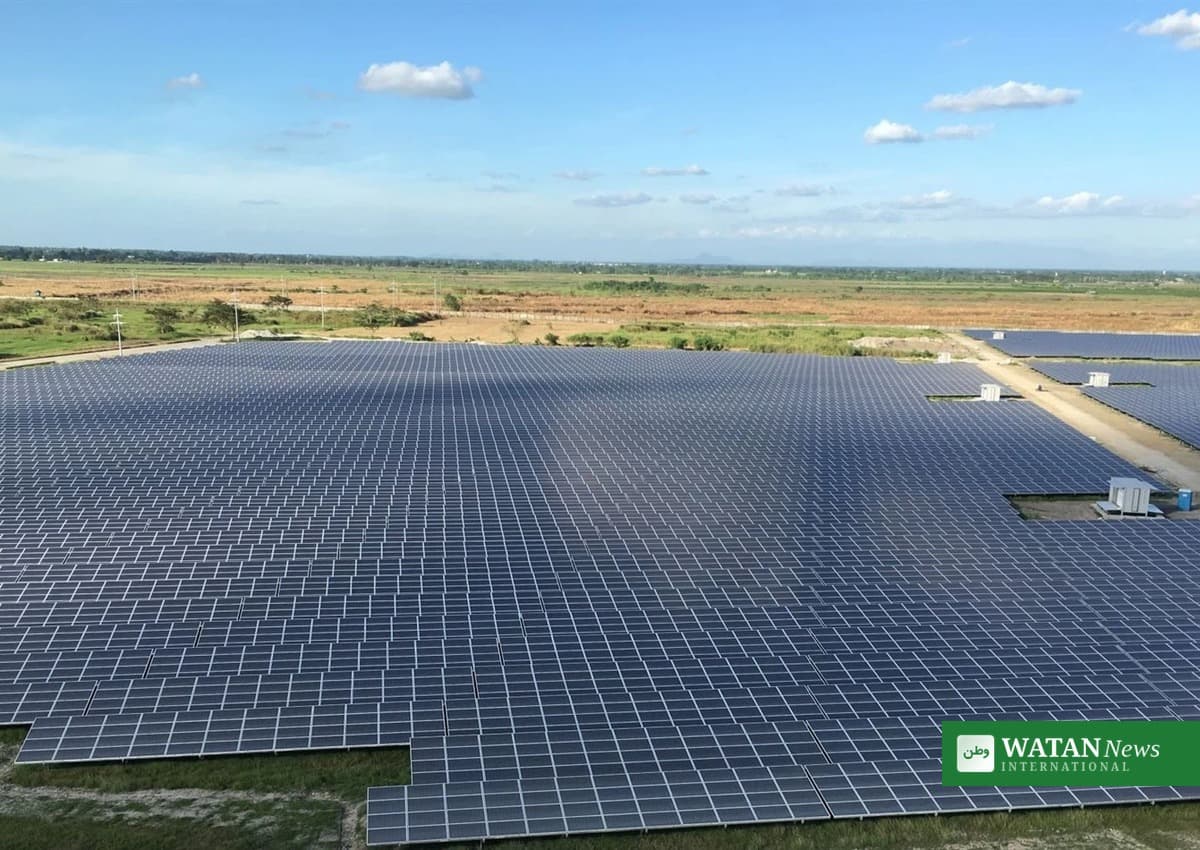
On offshore wind, Senegal, the State of Rio de Janeiro and Türkiye joined the Global Offshore Wind Alliance, with Türkiye setting a target of at least 6 GW of offshore wind capacity by 2040.
Recognition is near universal — the gap is delivery
An analysis by the World Resources Institute, the Ocean & Climate Platform and Ocean Conservancy finds that 95 per cent of coastal and island countries — 103 out of 108 — include at least one ocean-based measure in their national climate plans. Yet important gaps remain: the most transformative options, from phasing out offshore oil and gas to decarbonising shipping and scaling offshore renewables, represent only 13 per cent of ocean commitments. And around 60 per cent of new ocean commitments remain conditional on access to technical support and finance — countries are willing to do more for the ocean, but many lack the means to turn promises into action.
Ocean finance moved at COP31, though not far enough. The Global Fund for Coral Reefs announced over 30 million US dollars to accelerate coral reef resilience and community adaptation across 22 nations, and the Mangrove Breakthrough announced that 250 million US dollars had been mobilised over the past year. The Ocean Risk and Resilience Action Alliance received new contributions from Canada and Australia. The Pacific Resilience Facility sought to close a funding shortfall of over 300 million US dollars towards its 500 million dollar target, but despite high-level political attention there was no new contribution from countries — only 5 million US dollars from the Minderoo Foundation.
COP31 decisions recognised that financing for climate action for water systems and the ocean is essential for adaptation, mitigation and responding to loss and damage. Türkiye also launched the Rio Synergies Group for Action, with dozens of governments committed to concrete actions linking climate, biodiversity and land work in national planning.
Read more on what the summit did — and did not — deliver: COP31: what survived the no-deal ending in Antalya.
FAKTA
- COP31 ran 9–22 November 2026 in Antalya, Türkiye, and ended without a cover decision — the first COP without an overarching agreement since COP15 in 2009, and the longest COP on record.
- More than 105 countries called for a strong ocean outcome, and a ministerial pair for the ocean was appointed for the first time.
- 103 of 108 coastal and island countries (95 per cent) include at least one ocean-based measure in their national climate plans — but only 13 per cent of ocean commitments are the most transformative options.
- The Blue NDC Challenge now counts 30 member countries; its Implementation Taskforce, launched at COP31, brings together 25 delivery partners.
- Ocean finance announced at COP31: over 30 million US dollars for coral reefs across 22 nations, and 250 million US dollars mobilised for mangroves over the past year.
- Next steps: the 2027 Bonn Climate Conference, COP32 in Addis Ababa in 2027, and the second Global Stocktake concluding in 2028.
What happens next
COP31 officially launched the second Global Stocktake, which must not only take stock of collective progress but build on scientific evidence to correct course and accelerate action. Discussions on strengthening synergies across the Rio Conventions were deferred to the 2027 Bonn Climate Conference. As Marine Lecerf, Head of International Policy at the Ocean & Climate Platform, put it: “COP31 marked a step forward for the ocean, with Parties demonstrating growing political convergence on the need to strengthen its place in the global climate response.”
The test now is whether that convergence survives the journey to Bonn and to COP32 in Addis Ababa. The ocean gained political recognition at COP31 that no failed text can erase — but recognition without finance and delivery will not protect a single coastline.