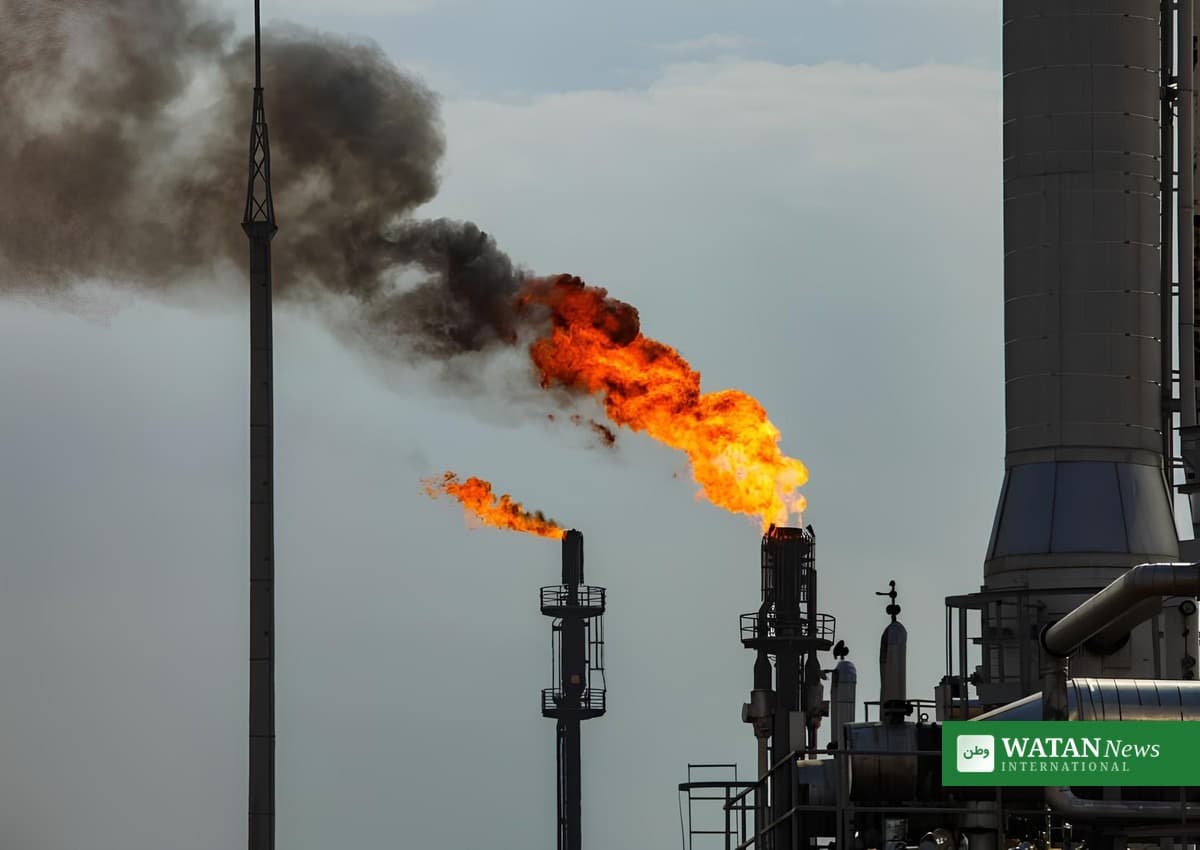
Oil prices climbed on Friday and were heading for their first weekly gain in a month, as attacks on tankers in the Strait of Hormuz and on Saudi energy facilities revived fears over Middle East crude supplies. Brent crude, the global benchmark, rose to $97.71 a barrel in early trading, its highest since early November, putting prices on track to end a three-week losing streak.
FAKTA
- Brent crude: $97.71 a barrel, up $1.14 or 1.2 percent, at 0745 GMT on Friday, 27 November.
- US crude (WTI): $86.27 a barrel, up $2.59 or 3.1 percent from Wednesday’s close. No Thursday settlement due to the US Thanksgiving holiday.
- Weekly trend: Brent is on course for its first weekly gain in four weeks, up about 4.5 percent for the week.
- Jazan refinery: a projectile struck Saudi Aramco’s Jazan refinery on Thursday, halting some operations. One Nepalese worker was killed and several others wounded, Saudi Arabia’s Energy Ministry said.
- OPEC+: the producer group meets on Sunday, 29 November, to decide output policy for 2027.
Attacks drive the rally
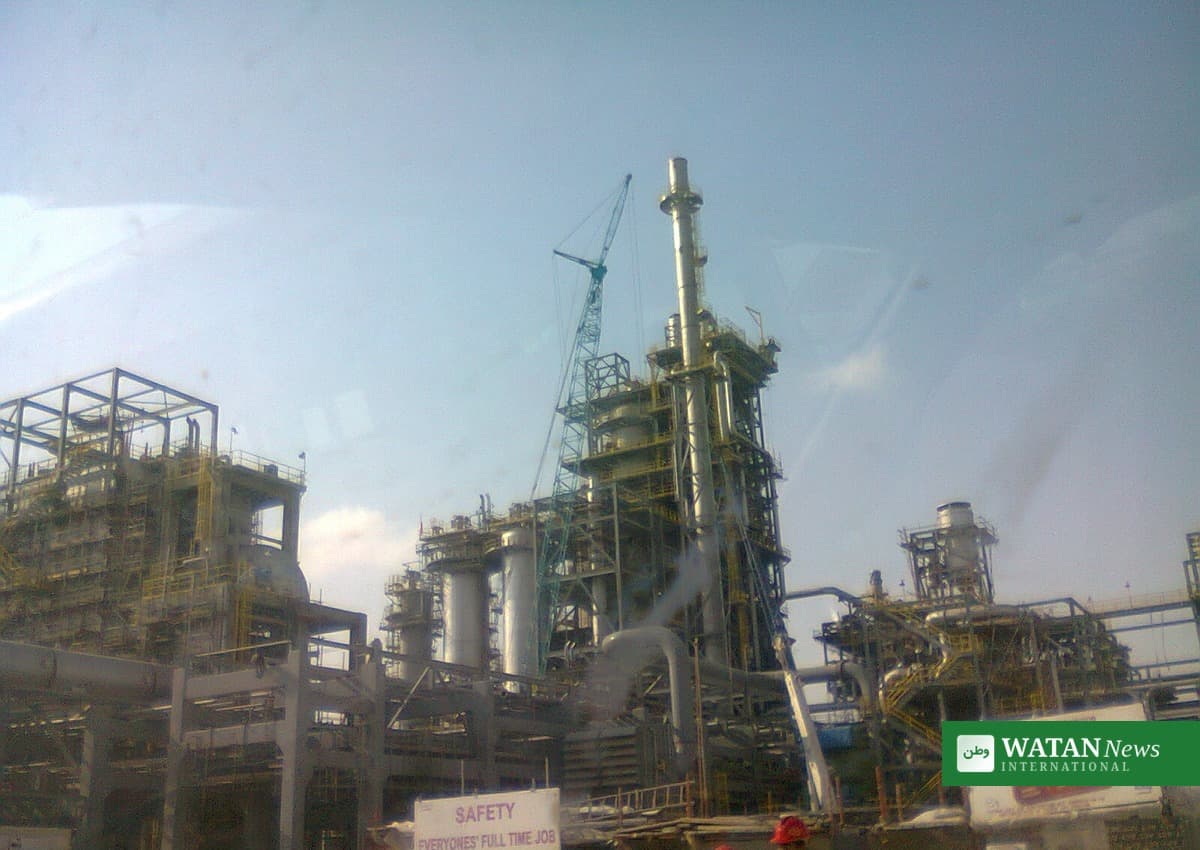
The latest blow came on Thursday, when a projectile hit Saudi Aramco’s Jazan refinery on the Red Sea coast. The plant, which can process up to 400,000 barrels of crude a day, temporarily halted some operations. Saudi Arabia’s Energy Ministry confirmed that a Nepalese worker was killed and several others were wounded.
The strike came a day after Yemen’s Houthi group claimed attacks on Ras Tanura, the kingdom’s largest refinery and a major crude export hub, and on the Red Sea ports of Jeddah and Jazan. Iran has also continued to attack ships passing through the Strait of Hormuz, disrupting regional exports and raising shipping risks across the Gulf.
$100 in view, but analysts urge caution
Analysts at ANZ, Brian Martin and Daniel Hynes, said Brent could cross $100 a barrel without another major escalation, although prices would need clear evidence of restricted supplies to hold there.
Others were more cautious. Sim Moh Siong of OCBC said recovering Gulf supplies and lower geopolitical risks could support cheaper oil in 2027, but warned depleted inventories, shipping threats and delayed refinery repairs could keep markets under pressure.
Russian refineries also under strain
Ukraine has stepped up drone attacks on Russian oil refineries since late October. The latest strike caused a fire at the Slavyansk ECO refinery in southern Russia on Thursday, seriously damaging a distillation unit. The plant had been shut since a September strike; the new attack destroyed storage tanks and caused an oil spill, the operator said.
OPEC+ decision ahead
Traders will now watch the OPEC+ meeting on Sunday, when the group, which includes Saudi Arabia and Russia, is expected to decide output policy for 2027. Two sources familiar with the talks said output would likely stay unchanged in the first quarter of 2027. Any signal of tighter supply, or fresh attacks, could push prices higher still. Read more on global energy markets at Watan News.