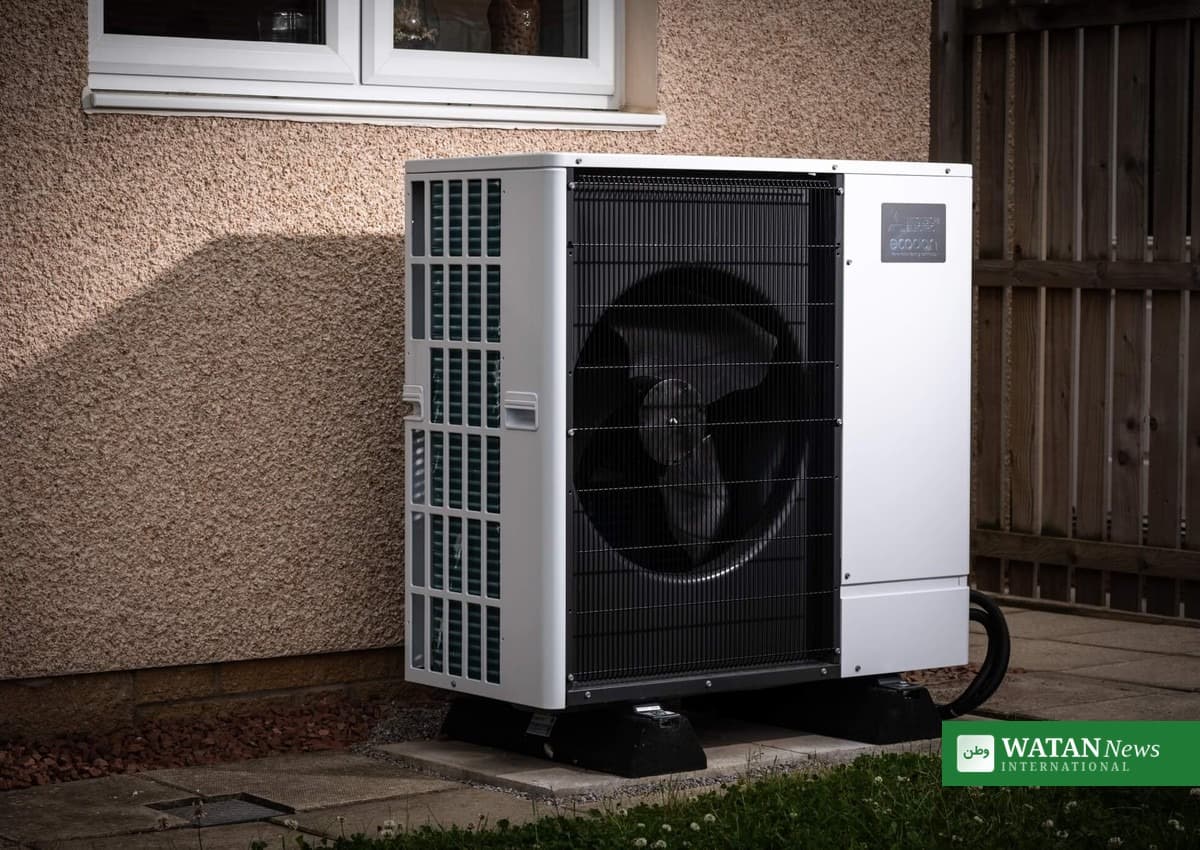
A typical household in the United Kingdom can save £1,200 a year on its energy bill by going electric, according to new analysis published by the country’s Climate Change Committee on 25 November 2026. The saving comes from switching to an electric car, a heat pump and a time-of-use electricity tariff — and it holds even after the cost of the new equipment is counted.
The Committee, the independent body that advises the UK government on climate policy, tested the figures against the latest energy prices, including the energy price cap for the first quarter of 2027 announced by the regulator Ofgem on the same day. Its message is that electric technologies are more efficient than fossil-fuel ones, so they cost less to run — and households that stay on gas and petrol are now paying more.
What the analysis found
The Committee compared two typical households: one with a gas boiler and a petrol car, and one with an air source heat pump, an electric car charged at home and a time-of-use tariff, which charges less for electricity at off-peak times. The electric household comes out £1,200 a year better off.
The saving breaks down in two steps. Switching to an electric car cuts bills by £700 a year on energy costs alone — and by £800 a year once upfront costs, maintenance, insurance and vehicle tax are included. Adding a heat pump and a time-of-use tariff saves a further £500 a year, bringing the electric household’s total annual energy bill to under £2,400.
By contrast, the fossil-fuel household faces a total “triple fuel” bill — electricity, gas and petrol together — of £3,600 a year. The price cap announced on 25 November means a typical household with a gas boiler will see its annual dual-fuel bill for gas and electricity rise by £400; including the rise in petrol costs over the last quarter, the increase is £600. Ofgem’s new cap puts the typical dual-fuel bill at £2,166 a year for home energy alone.
Key facts
- £1,200 a year: the saving for a typical household that goes electric, according to the Climate Change Committee’s analysis of 25 November 2026.
- £700 a year: saved by switching to an electric car (£800 including upfront costs, maintenance, insurance and vehicle tax).
- £500 a year: saved by adding a heat pump and a time-of-use tariff, bringing the electric household’s bill to under £2,400 a year.
- £3,600 a year: the “triple fuel” bill — electricity, gas and petrol — for a typical household with a gas boiler and a petrol car.
- Over £1,100 a year: the net saving that remains after the annualised upfront and maintenance costs of the new equipment are counted.
Fossil-fuel homes have paid more since the Iran war began
The analysis also looks at how bills have moved since the start of the Iran war. It finds that energy bill increases since then have been three times higher for a typical fossil-fuel household than for a modern electric household. Gas and petrol prices have been far more volatile than electricity prices, so households relying on them have absorbed the bigger rises.
That finding echoes the message from COP31 in Antalya, where leaders argued that climate action should also mean cheaper living. Watan News reported from the summit that COP31 put homes at the centre of the climate talks — but that the money to follow through was still missing. The Committee’s analysis now puts a number on what electrifying a home can be worth to a family budget.
The upfront cost question
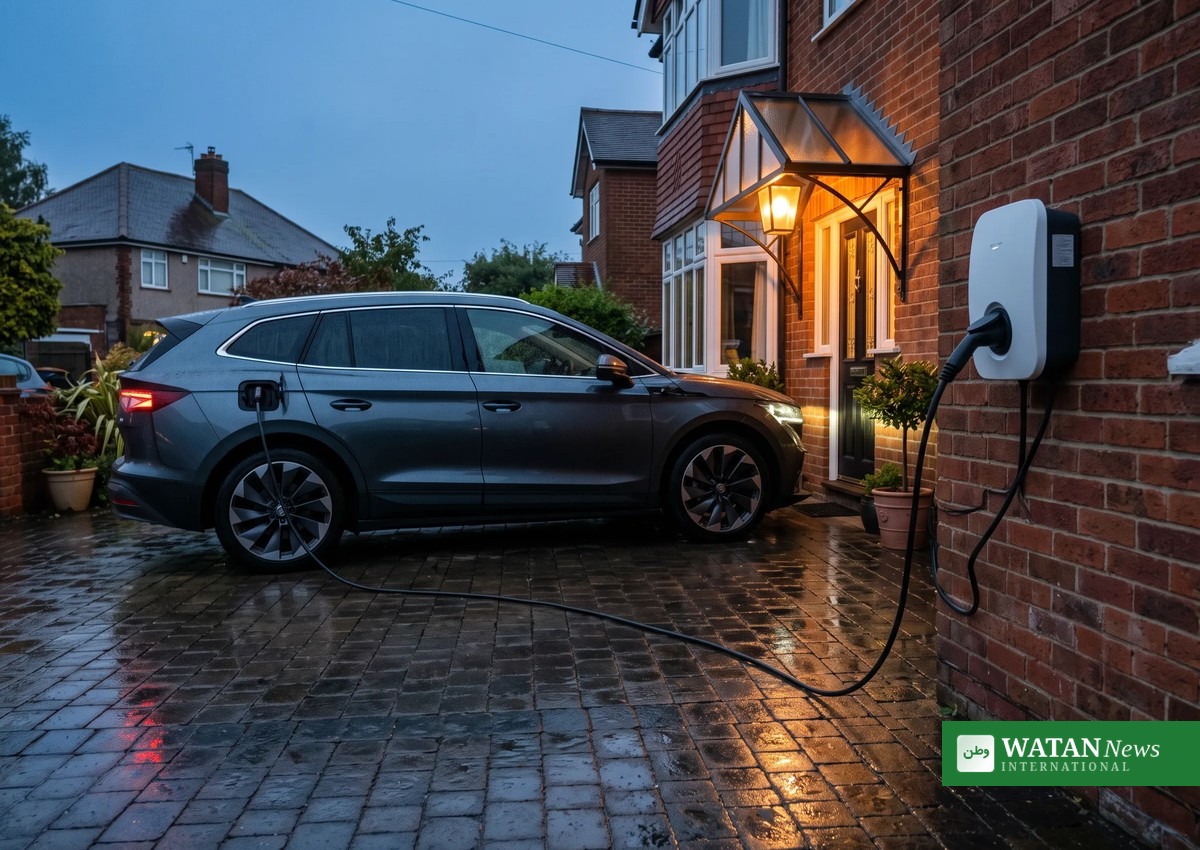
Electric cars and heat pumps cost more to buy than a petrol car and a gas boiler, and the Committee does not hide that. It puts the extra upfront cost at £200 a year once it is spread over the lifetime of the equipment. Even after that — and after maintenance costs — a typical household still saves over £1,100 a year at current prices by switching to an electric car, a heat pump and a time-of-use tariff. Households can cut their bills and their exposure to volatile fossil-fuel prices further by adding solar panels and batteries, the Committee says.
Not every home can take every technology, the Committee notes, and how far a household can go depends on its circumstances. For many households, other options for cutting bills include switching tariffs or getting support from suppliers or grant schemes. Canada has taken a similar route: its national heat pump rebate lets installations from 1 November 2026 qualify retroactively once the programme portal opens.
The Committee’s recommendations, set out in its Progress in reducing emissions 2026 report to Parliament, include making electricity cheaper, removing barriers to low-carbon technologies and improving access to affordable public charging — so that more households can make the switch.
Why this matters beyond Britain
The UK figures are national, but the pattern is global: wherever electricity is cleaner and cheaper than gas and petrol, an electric home costs less to run. At COP31, countries backed a pledge to raise electricity to at least 35 per cent of final energy use by 2035, and homes are where much of that shift will happen — in heating, cooking and driving. The Committee’s analysis shows the household case for that shift is not only about emissions. It is about money that stays in people’s pockets, month after month.