New York — The United Nations General Assembly has given water a permanent place on the world’s diplomatic calendar, deciding on 23 November 2026 to hold a UN Water Conference every three years from 2031. The move ends a history in which global water summits were held only once in a generation — and it comes just two weeks before the next conference opens in Abu Dhabi.
A decision 46 years in the making
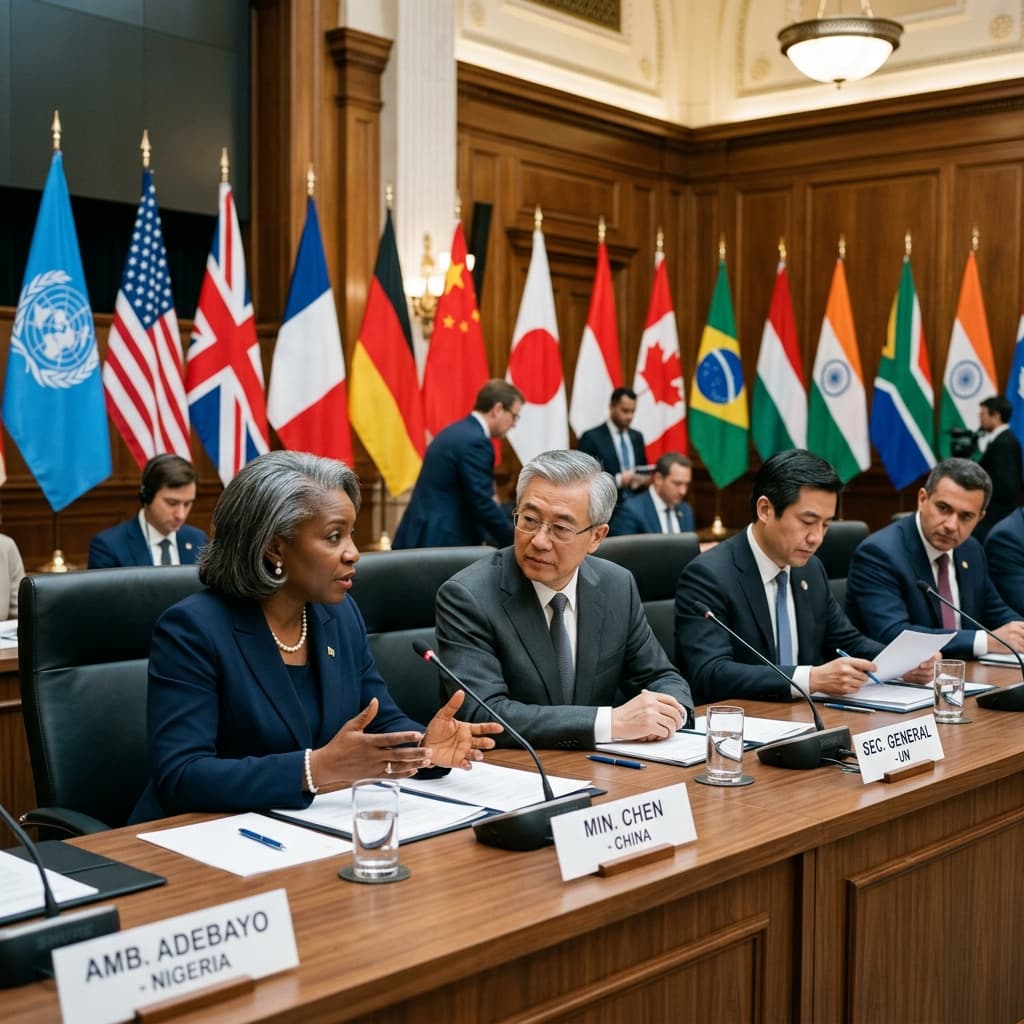
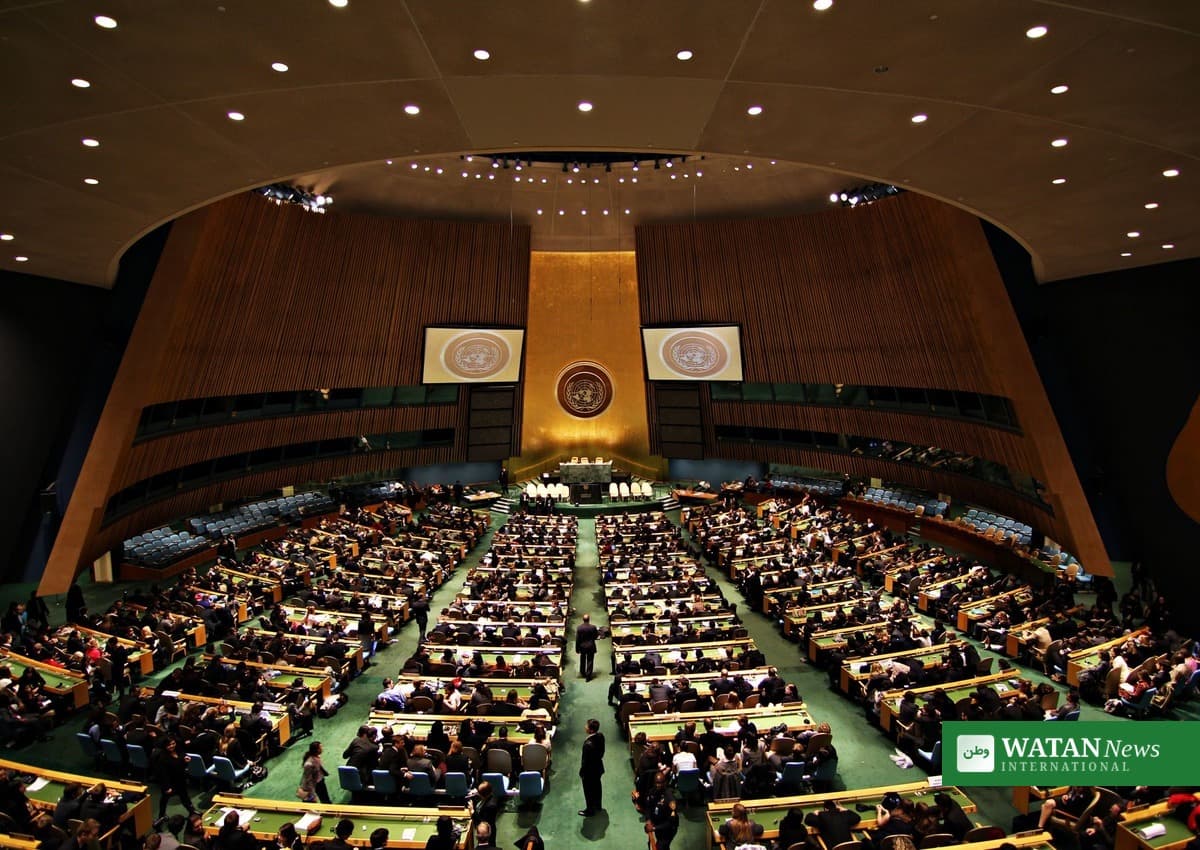
The first UN Water Conference was held in 1977. The second followed only in 2023 — a gap of 46 years in which water, unlike climate, had no regular summit of its own. The resolution adopted on Monday, tabled by the United Arab Emirates and Senegal, changes that. Draft resolution A/81/L.18, titled “Establishment of Periodic United Nations Water Conferences”, was adopted by consensus at the 42nd plenary meeting of the Assembly’s 81st session.
Introducing the text, Mohamed Abushahab, the UAE’s Permanent Representative to the United Nations, said the resolution “lays the groundwork for more consistent, determined initiatives from Member States and stakeholders” to secure safe water and sanitation for all.
What the resolution does
Under the resolution, UN Water Conferences will be convened every three years beginning in 2031, as a high-level intergovernmental process for policy dialogue, guidance and coordination on water. The arrangements will be reviewed by the end of the General Assembly’s 90th session, and the costs are to be met from extrabudgetary resources.
The next two conferences are already set: the 2026 UN Water Conference in Abu Dhabi from 8 to 10 December, co-hosted by the UAE and Senegal, followed by a conference in Tajikistan in 2028. The regular three-year cycle then begins in 2031.
Abdulla Balalaa, the UAE’s Assistant Minister of Foreign Affairs for Energy and Sustainability, said the resolution would ensure “the momentum built in Abu Dhabi this December carries forward through lasting dialogue, cooperation, and action beyond 2030”.
Why water needs a permanent platform
Around 2.1 billion people still lack safely managed drinking water, according to the UAE, and the United Nations says the world is not on track to meet the water-related Sustainable Development Goals by 2030. For decades, water had no standing forum where governments returned, reported progress and renewed commitments — the way climate negotiators do every year.
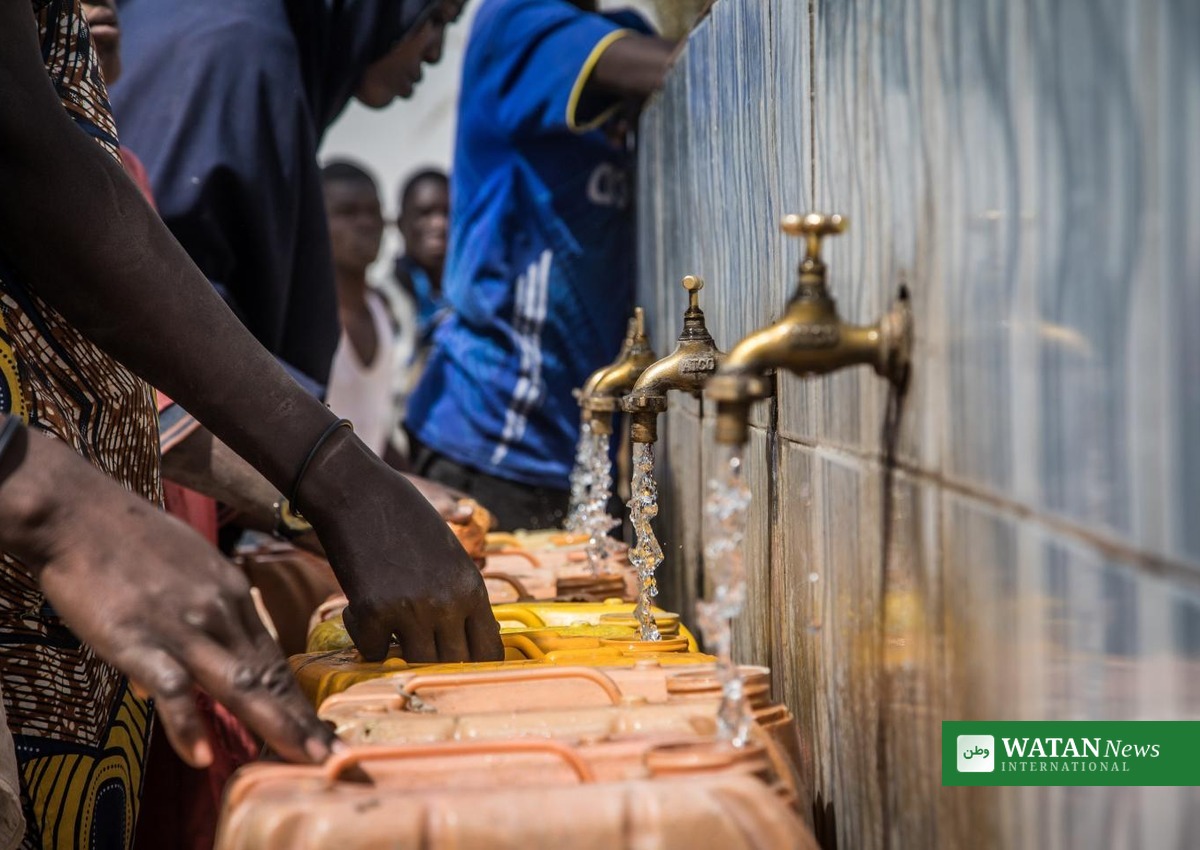
Speaking at a press briefing on 18 November, Li Junhua, the UN Under-Secretary-General for Economic and Social Affairs, said billions of people still lack access to safe drinking water and sanitation, while climate change, pollution and disasters place unprecedented strain on global water resources. He called the Abu Dhabi conference “a decisive opportunity to address these interconnected challenges together”.
Water and climate: one agenda
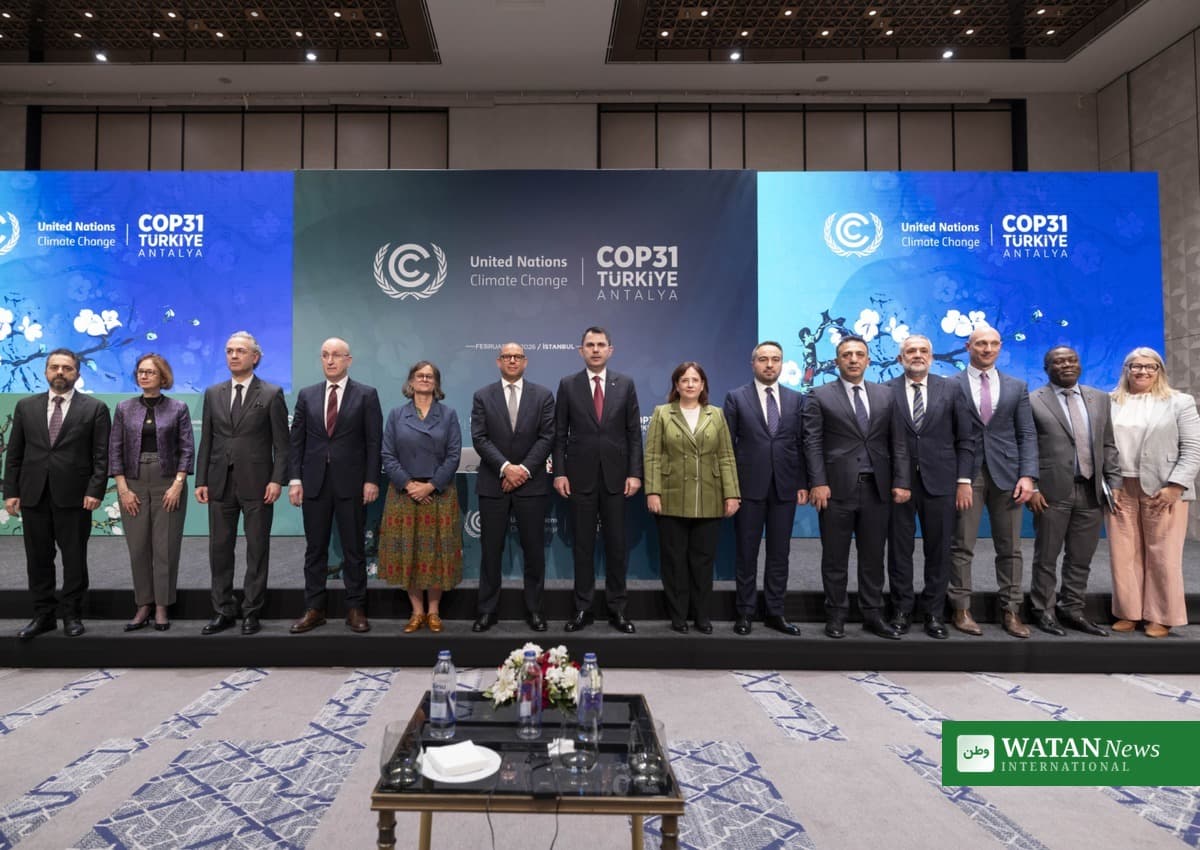
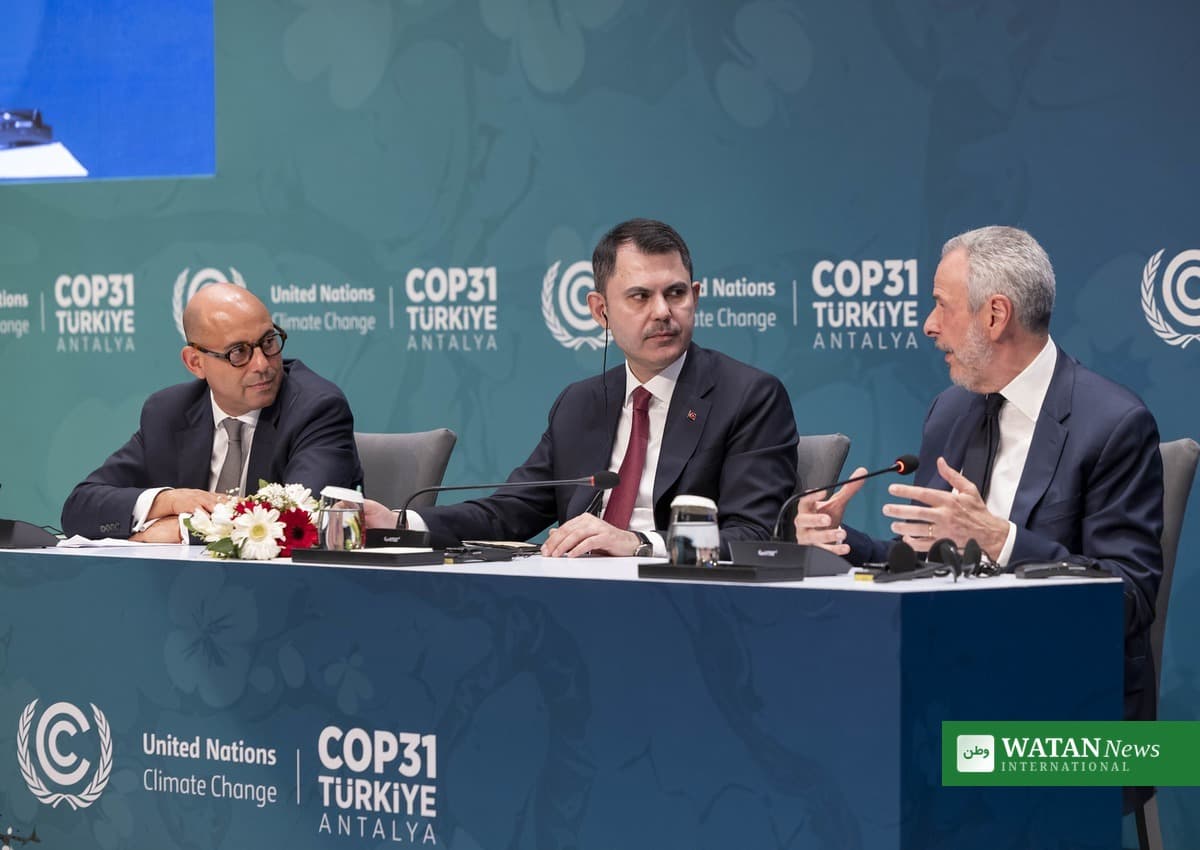
The decision lands days after COP31 closed in Antalya on 22 November without a final deal — a reminder that climate progress is fragile. Water, scientists and negotiators agree, is where much of climate change is felt first: in droughts, floods, shrinking glaciers and failing harvests. At Abu Dhabi, one of the six interactive dialogues — Water for Planet — is devoted to climate, biodiversity, desertification and resilience, while another, Investments for Water, is the first dialogue in the history of UN water conferences dedicated entirely to financing.
For the first time, water now has what climate has had for three decades: a date that returns, every three years, whether the politics of the moment allows it or not.
Key facts
- Adopted: 23 November 2026, by consensus, at the 42nd plenary meeting of the UN General Assembly’s 81st session.
- Resolution: A/81/L.18, “Establishment of Periodic United Nations Water Conferences”, tabled by the UAE and Senegal.
- The cycle: a UN Water Conference every three years, beginning in 2031.
- Next conferences: Abu Dhabi, 8–10 December 2026; Tajikistan, 2028.
- The gap it closes: 46 years between the first conference in 1977 and the second in 2023.
- The need: around 2.1 billion people still lack safely managed drinking water.