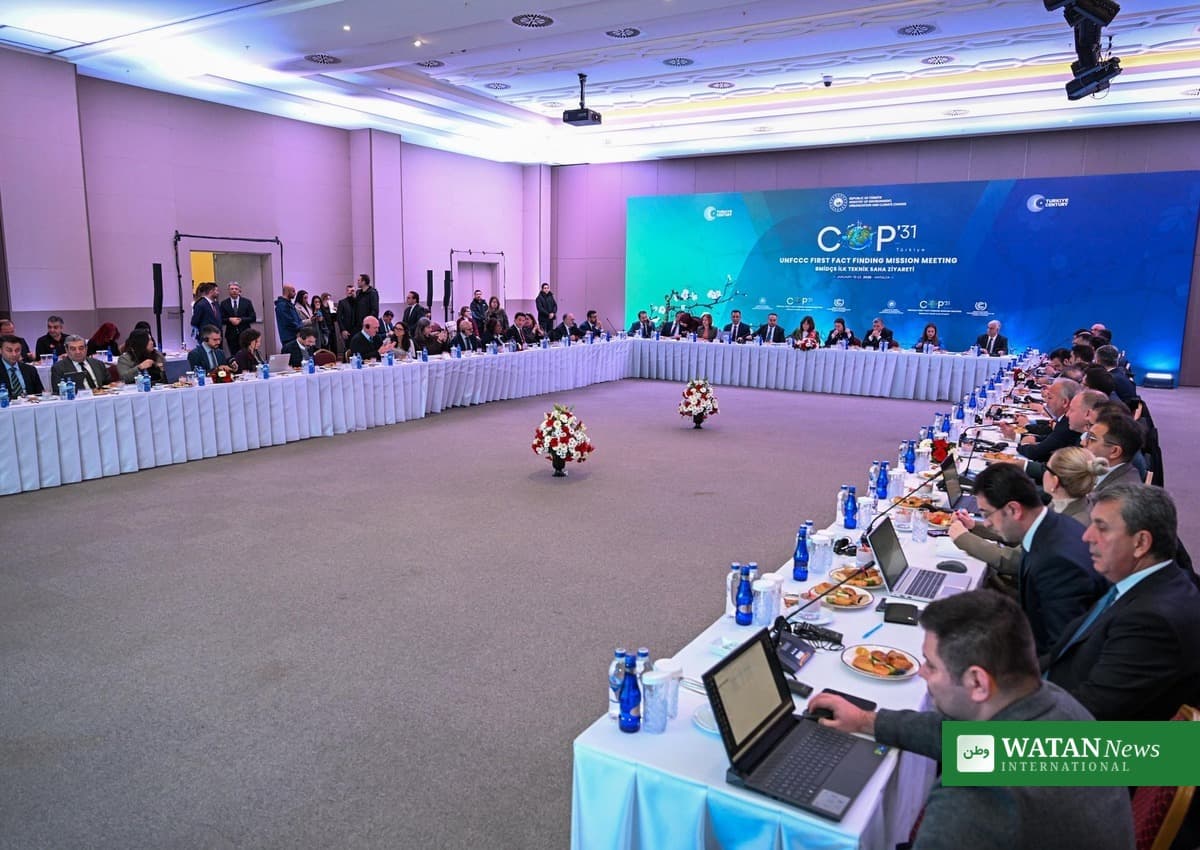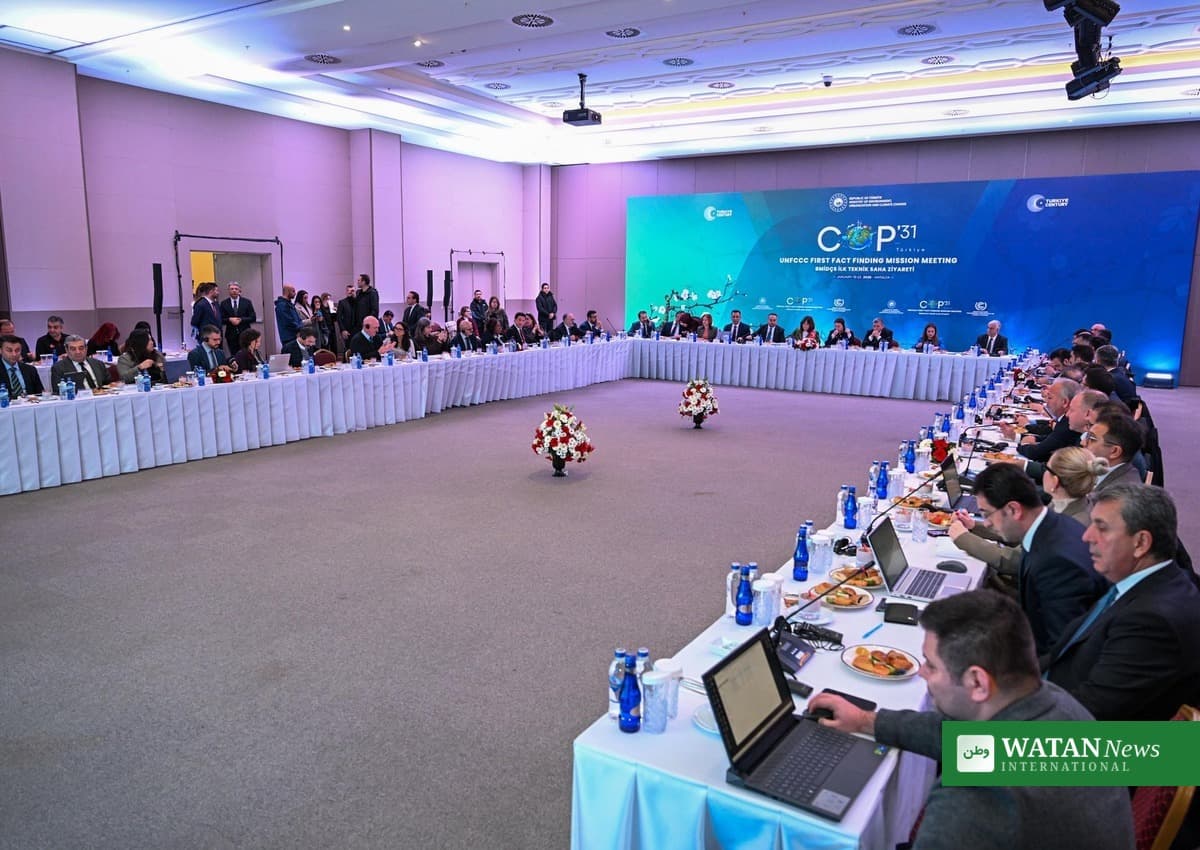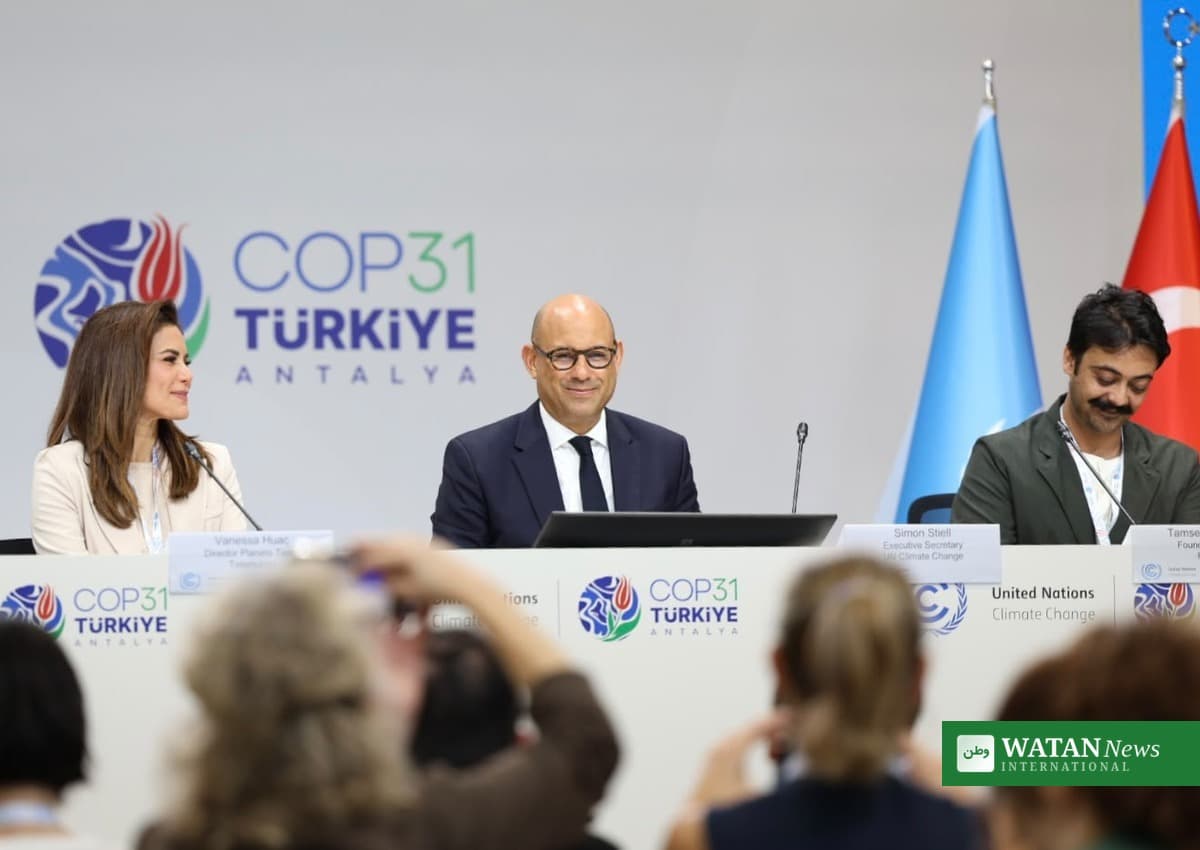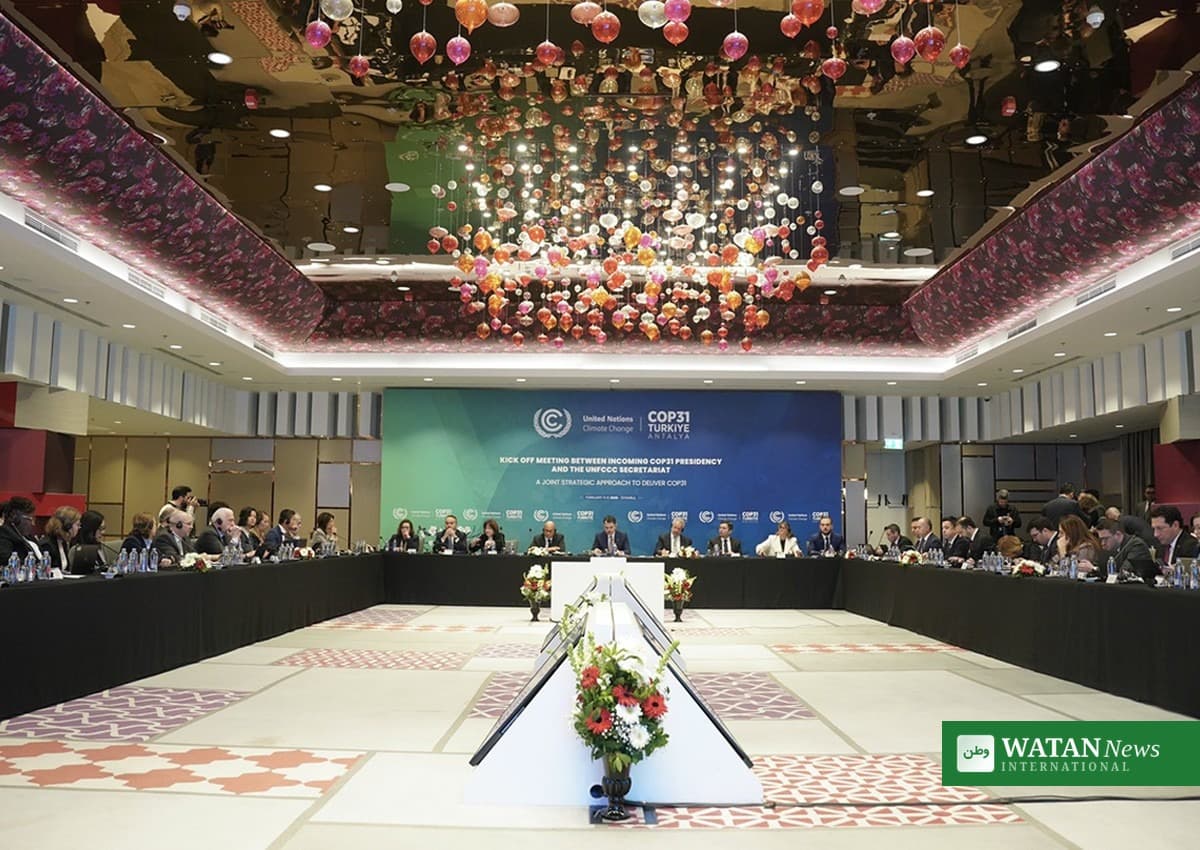
Antalya, Türkiye — COP31’s Finance and Trade Day turned the summit’s attention from promises to money on 13 November, as four more countries joined the Climate Implementation Bridge, development banks presented a new adaptation partnership, and UN climate chief Simon Stiell told ministers that climate finance must help developing countries “break free” from a cycle of debt and disaster.
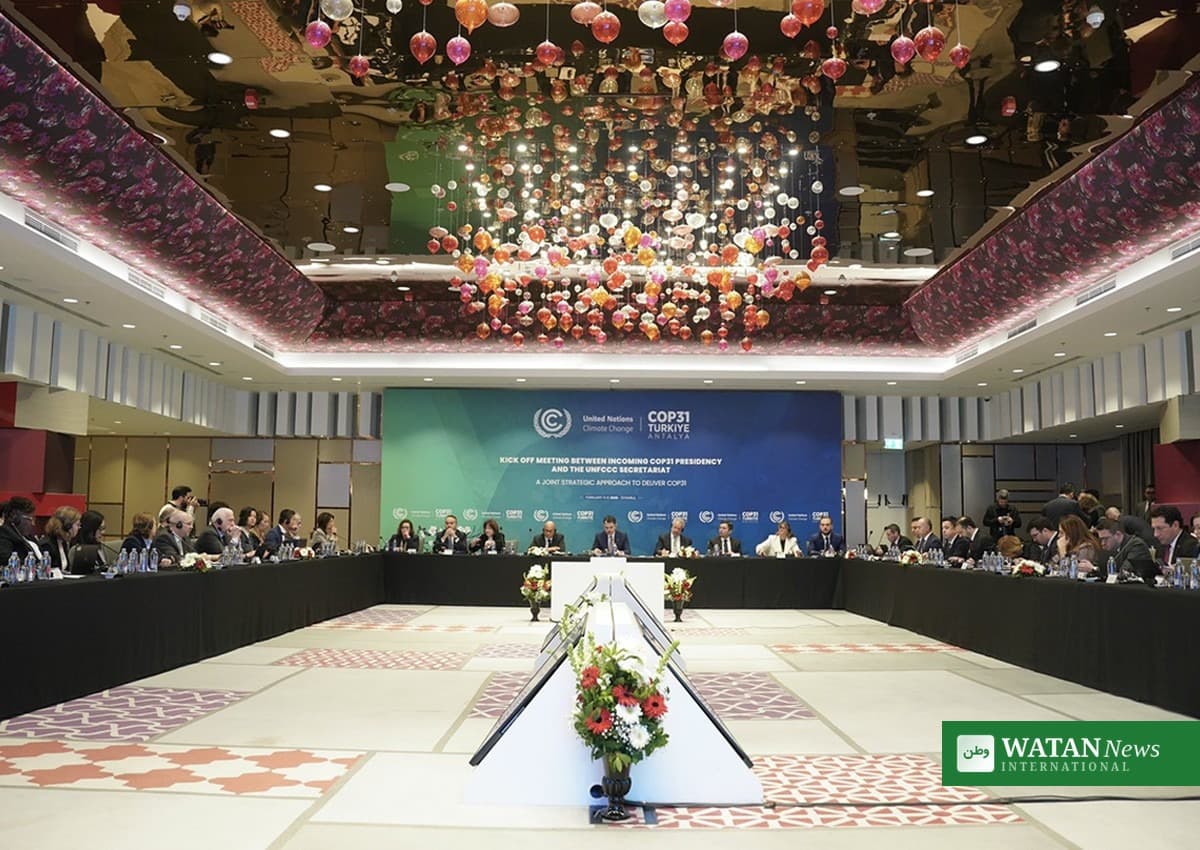
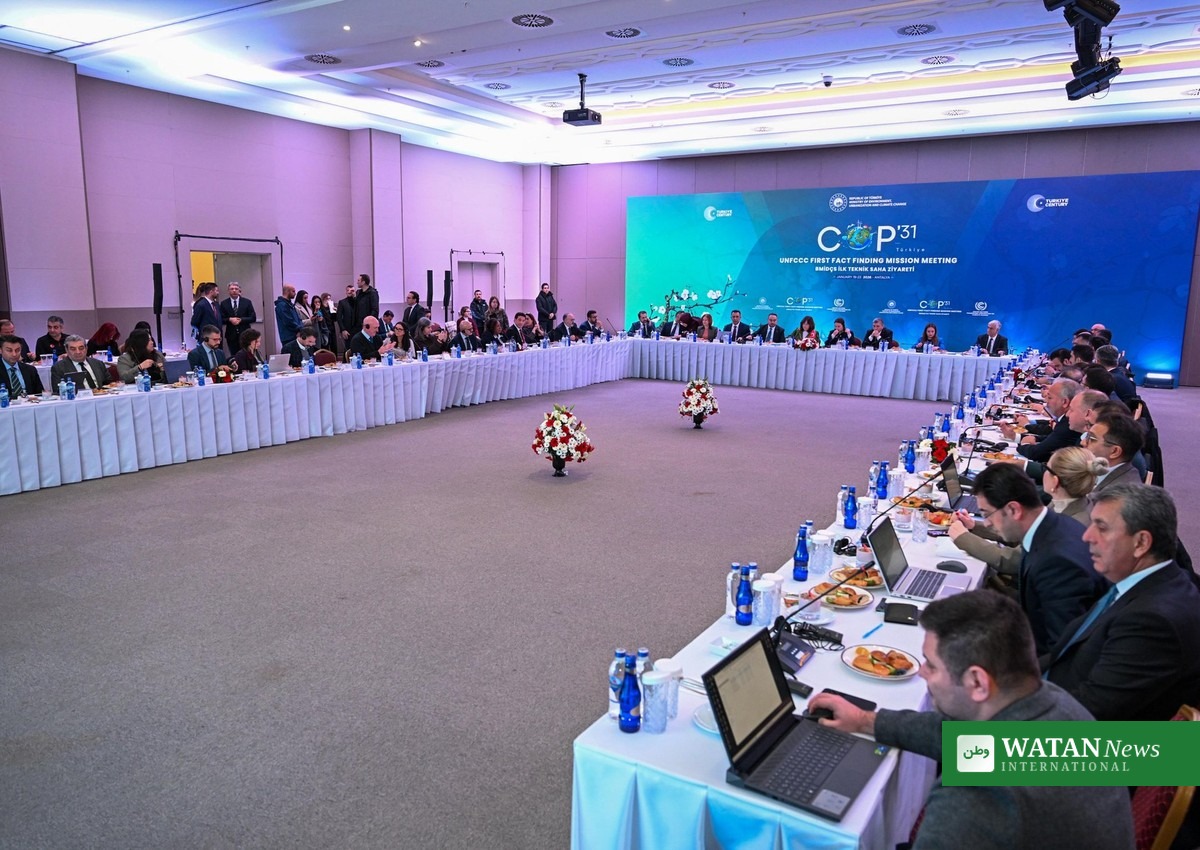
The day, held alongside the second day of the COP31 Business Forum, brought governments, financial institutions and businesses together to close the gap between climate commitments and investment-ready projects, according to the COP31 Presidency.
Key facts
- BRIDGE grows: Chile, Lebanon, Mexico and Zambia joined the Climate Implementation Bridge, taking membership to nine countries.
- Türkiye’s pledge: $3 million in grants to support BRIDGE, the presidency said.
- The finance goal: $300 billion a year by 2035, led by developed countries, as part of a wider $1.3 trillion a year from all sources.
- The gap: On current trends, annual climate finance could fall $840 billion short of the $1.3 trillion goal.
- Small islands: Only 0.2 percent of adaptation finance reaches small island developing states, COP31 President of Negotiations Chris Bowen said.
- Private banks: Development finance institutions from the UK, Norway and Canada launched a $10 billion initiative for climate projects in emerging markets by 2030.
BRIDGE grows from five countries to nine
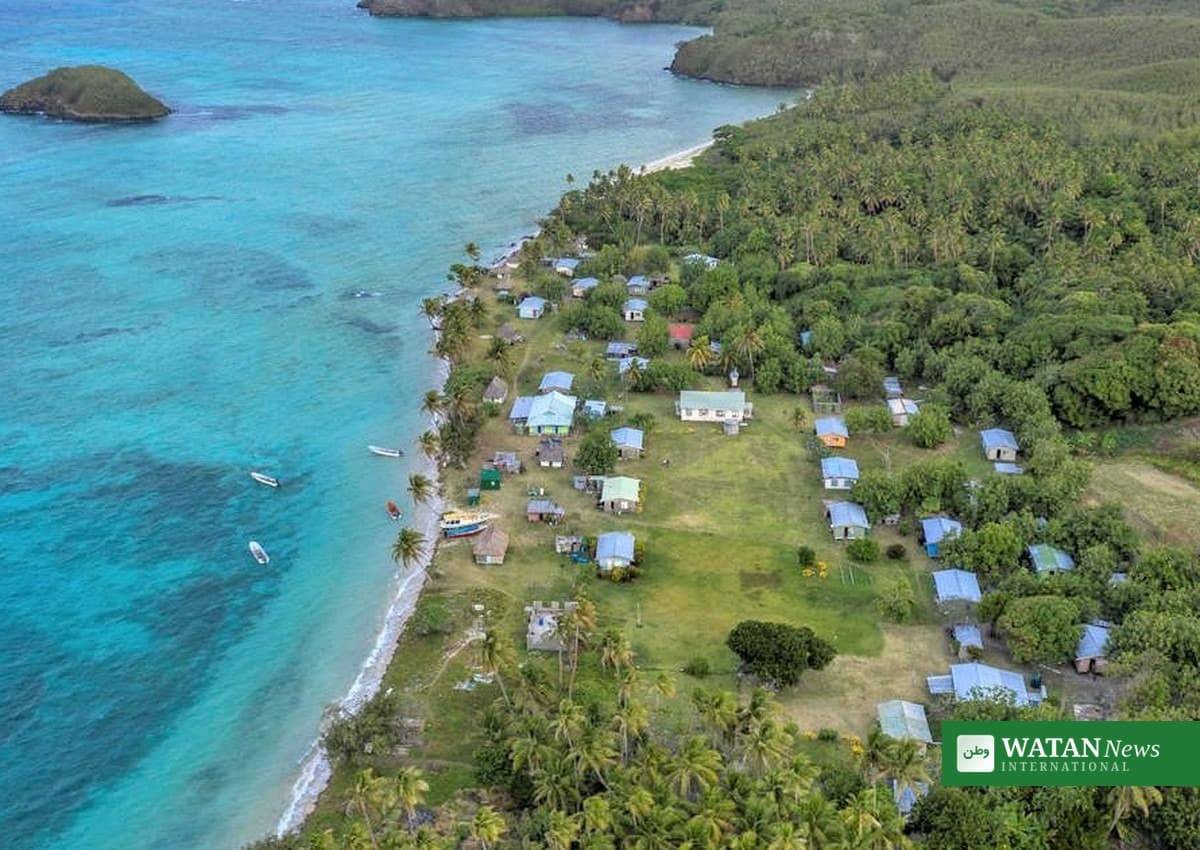
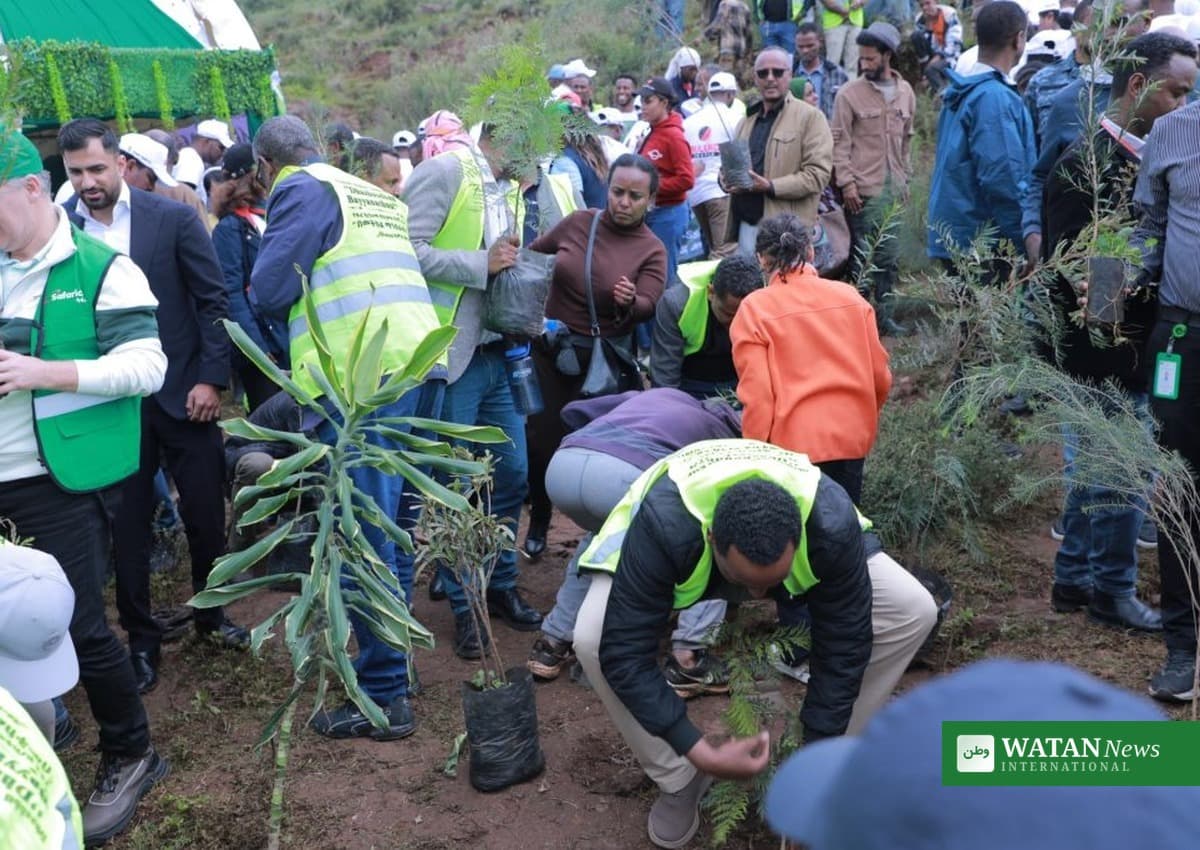
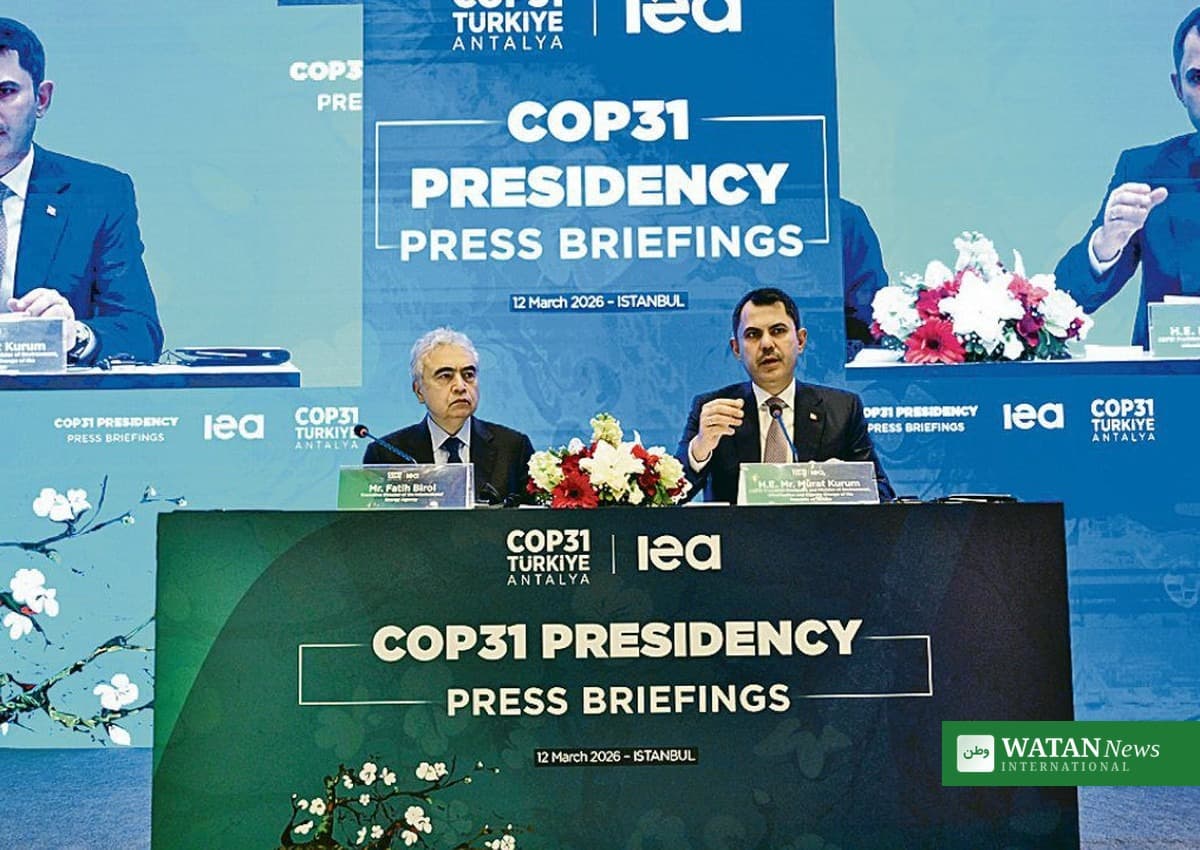
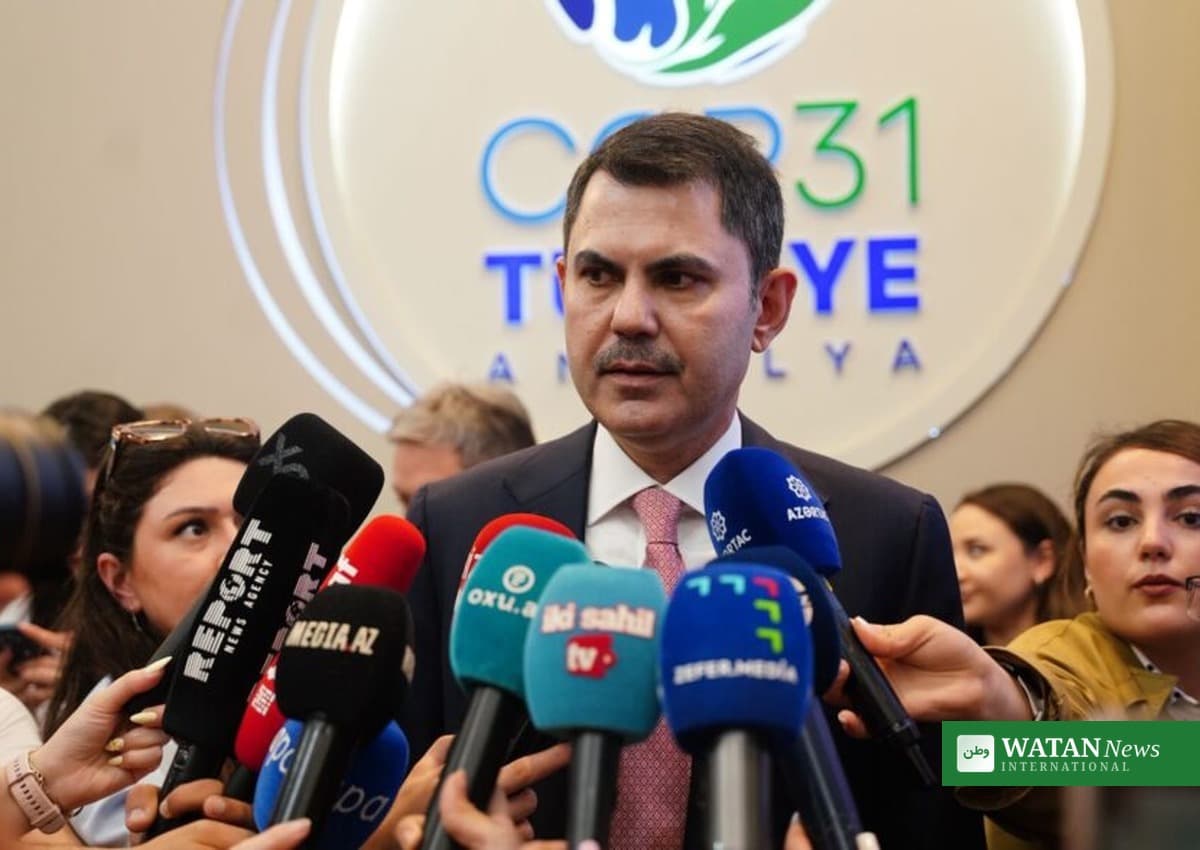
Chile, Lebanon, Mexico and Zambia joined the Climate Implementation Bridge at a high-level event on Friday afternoon, COP31 President Murat Kurum said, adding to the first five countries — Ethiopia, Fiji, Indonesia, Pakistan and Uzbekistan. The initiative, launched by the COP31 Presidency with the United Nations Development Programme (UNDP), matches country climate plans with investors and project preparation support. It works as a matchmaker, not a new fund.
Türkiye’s Treasury and Environment Ministry signed a memorandum of understanding with UNDP to support BRIDGE, and Türkiye committed $3 million in grants to get it running, the presidency said. BBVA became the first private bank to back the initiative, saying it would draw on its experience in sustainable finance and mobilising private capital in emerging economies.
Watan News reported the launch of BRIDGE, with Pakistan among its first pilot countries, on 13 November.
Stiell: finance must break the debt trap
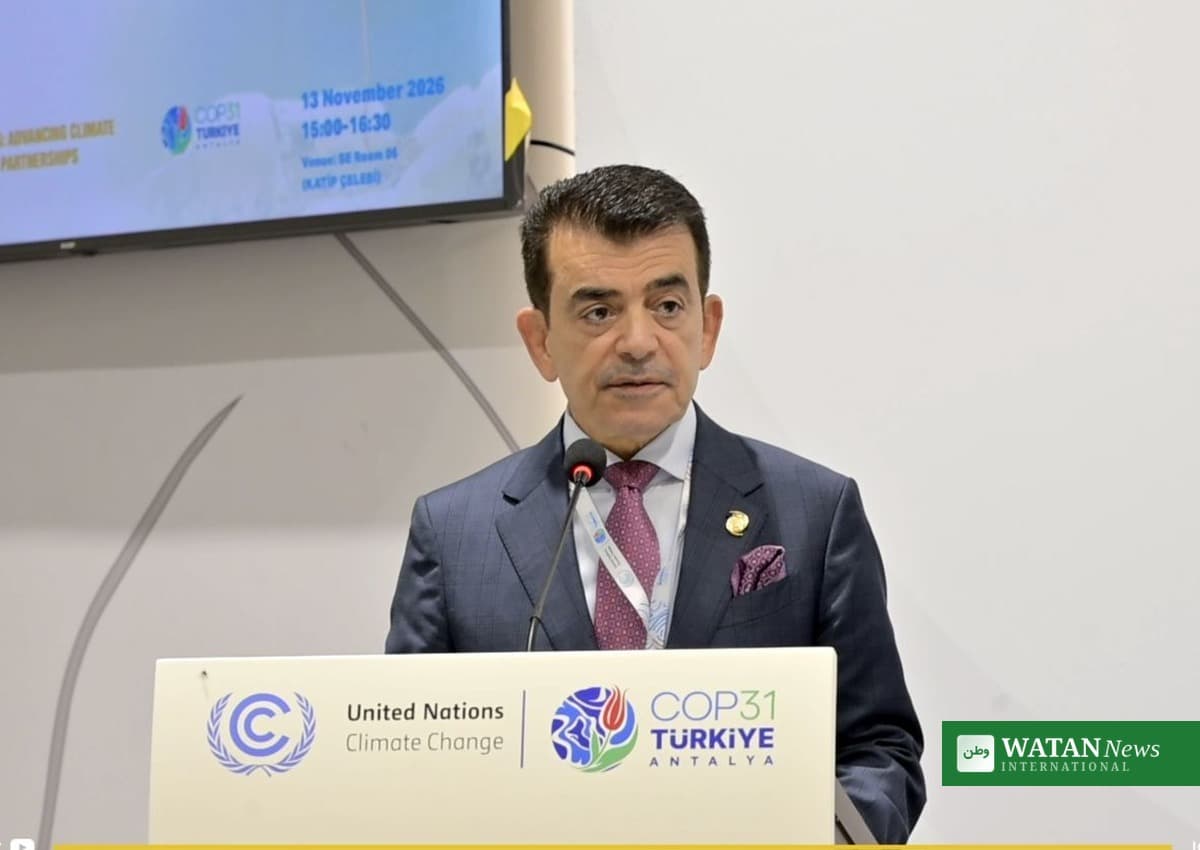
At the seventh biennial high-level ministerial dialogue on climate finance, held on Friday afternoon, Stiell said many developing countries were trapped in “a downward loop of debt, disaster, and devastating capital costs”.
“Climate finance must help countries break free,” he told ministers, adding that a new chapter in climate finance was needed to help developing countries escape the cycle of debt and climate disasters.
Stiell set out four priorities: finance that responds to countries’ debt capacity, delivered largely as grants and on highly concessional terms, especially for least developed countries; easier access to funding; stronger national systems rather than bypassing them; and finance aligned with technology and capacity-building support.
The dialogue came as the scale of the gap became clearer. Developed countries provided and mobilised $136.7 billion in climate finance in 2024, according to the latest OECD figures — less than half of the $300 billion a year they are expected to lead in mobilising by 2035 under the COP29 agreement, as part of a wider $1.3 trillion a year from all sources. The Baku to Belém Roadmap is meant to chart the path to that larger goal. On current trends, annual climate finance could fall $840 billion short of it.
UN Secretary-General António Guterres, speaking at the summit, warned that even tripling adaptation finance would meet less than 30 percent of what is needed. An African Group proposal to make tripling adaptation finance a standalone COP31 agenda item failed to gain consensus.
Banks and business put money on the table
Multilateral development banks presented the MDB Partnership for Adaptation and Resilience Investment at COP31, aiming to deepen work with client countries, expand adaptation investment and mobilise more public and private finance. In 2025, the banks provided $103 billion in climate finance to low- and middle-income economies, including $35 billion for adaptation, and mobilised a further $35 billion in private finance, according to their joint statement.
The European Investment Bank launched a new adaptation plan targeting at least €30 billion of adaptation finance in 2026–2030. Development finance institutions from Britain, Norway and Canada — British International Investment, Norfund and FinDev Canada — launched a joint initiative to channel $10 billion into climate projects in emerging markets by 2030, including private capital they expect to attract, for renewable energy, grids, storage, sustainable fuels and industrial decarbonisation.
A Green Bank Accelerator was launched on Friday afternoon at the Australian Pavilion, coordinated by the Natural Resources Defense Council (NRDC) with the SOAS Centre for Sustainable Finance as its knowledge hub and Australia’s Clean Energy Finance Corporation (CEFC) among its partners. It aims to help countries establish and strengthen national development banks and other public finance institutions for clean energy, adaptation and resilience. The CEFC has helped catalyse clean-energy projects worth $105 billion since it was set up in 2012, and has committed $27.1 billion of its own finance.
The COP31 Business Forum, organised by the Union of Chambers and Commodity Exchanges of Türkiye (TOBB), brought together 4,000 attendees, 100 speakers and 23 sessions, according to the COP31 Presidency — the largest business gathering ever held at a COP. Central bankers also met under the Network for Greening the Financial System, hosted by Central Bank of Türkiye Governor Fatih Karahan, and a World Bank–Asian Development Bank session looked at using artificial intelligence in climate decision-making, the presidency said.
Bowen, who leads the COP31 negotiations, warned that only 0.2 percent of global climate finance for adaptation reaches small island developing states, despite their acute vulnerability — a figure he said must change.
What happens next
Finance now moves into the second week of COP31, where ministers take over the negotiations. A first draft of the summit’s cover decision is expected early next week, and the test of Finance Day will be whether its announcements turn into money on the ground, as Watan News reported in its midpoint update from Antalya.