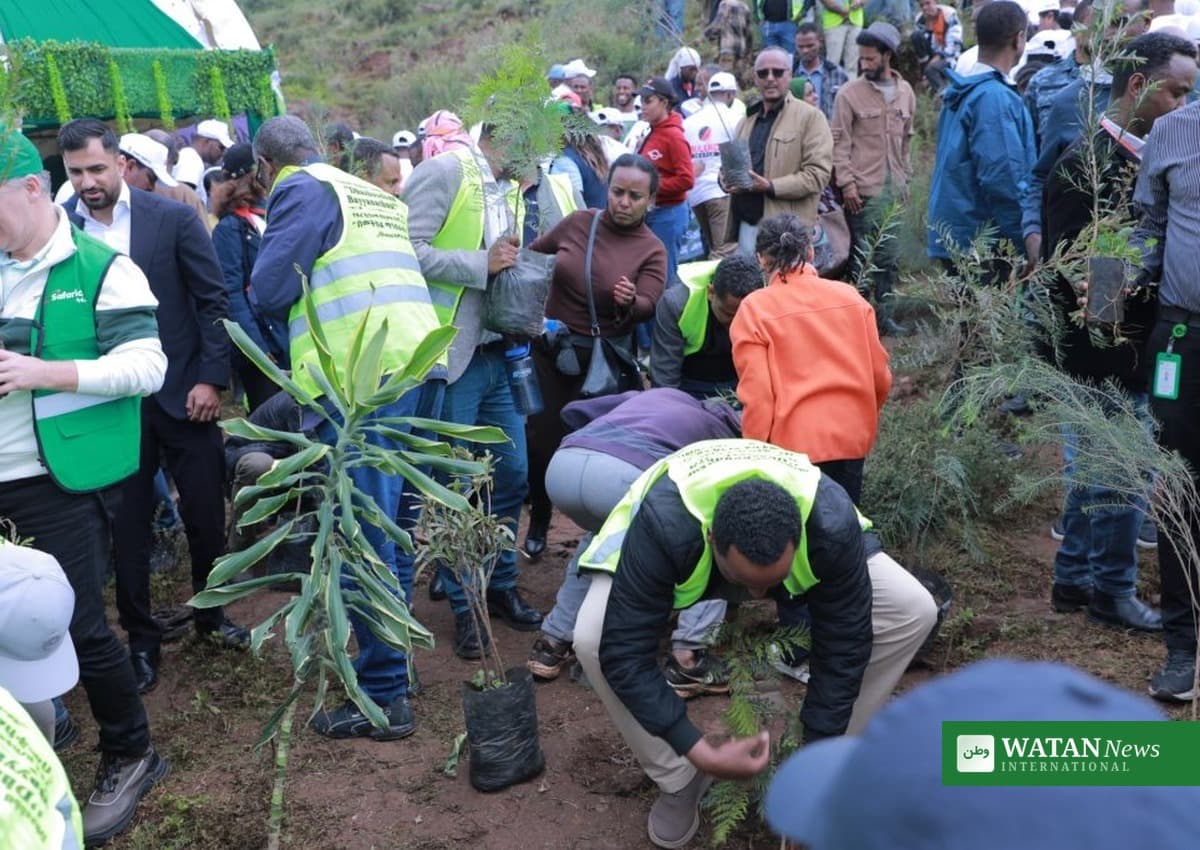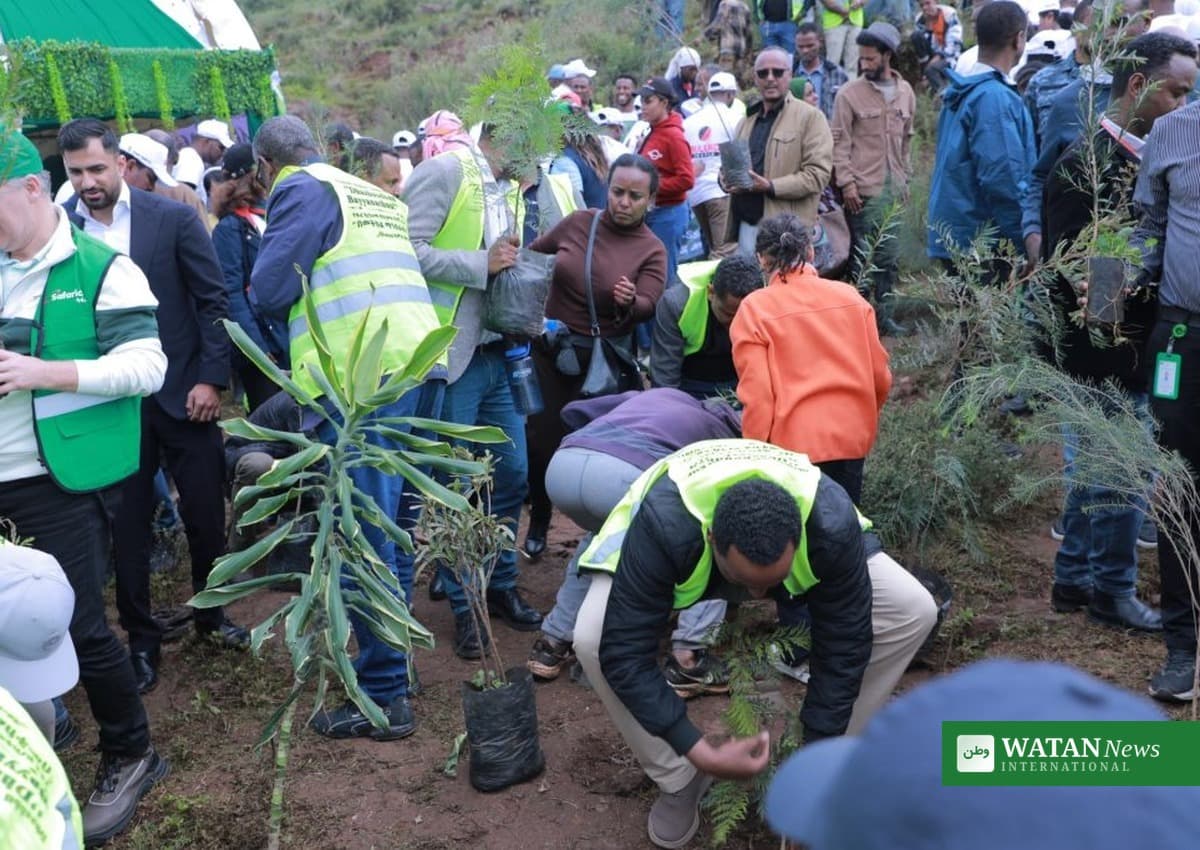
Antalya: Ethiopia has brought one of the largest tree-planting efforts in the world to COP31, presenting its Green Legacy Initiative — more than 56 billion seedlings planted since 2019 — as a working model for the global goal of halting and reversing deforestation by 2030.
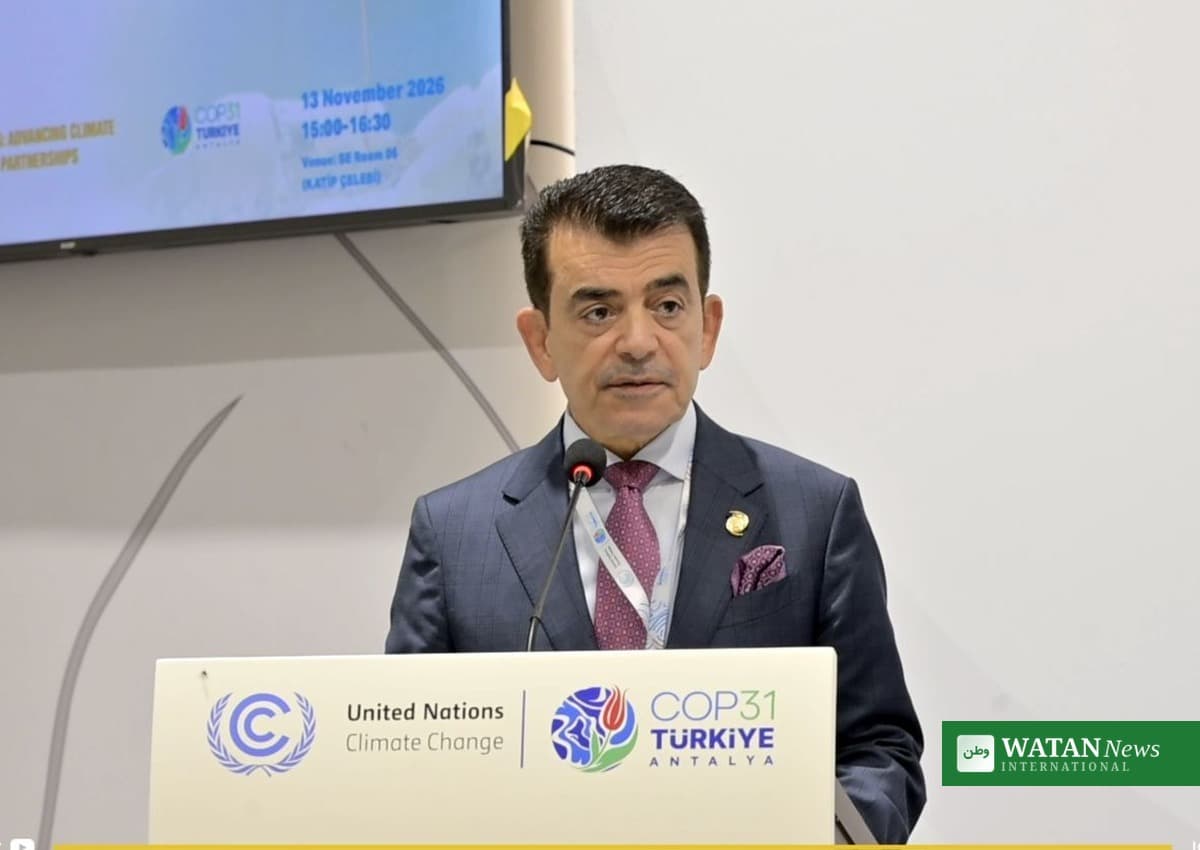
Prime Minister Abiy Ahmed highlighted the programme at the COP31 Leaders’ Summit in Antalya on 11 November, and Ethiopia’s National Strategy Minister Bereket Fesehatsion presented it again at the COP31 Leaders’ Event on Forests and Climate Action on 12 November. Both stressed that forests are central to climate resilience, biodiversity, livelihoods and green jobs — and that Ethiopia, which will host COP32 in Addis Ababa in November 2027, wants tree planting to stay high on the climate agenda.
A national movement built on seedlings
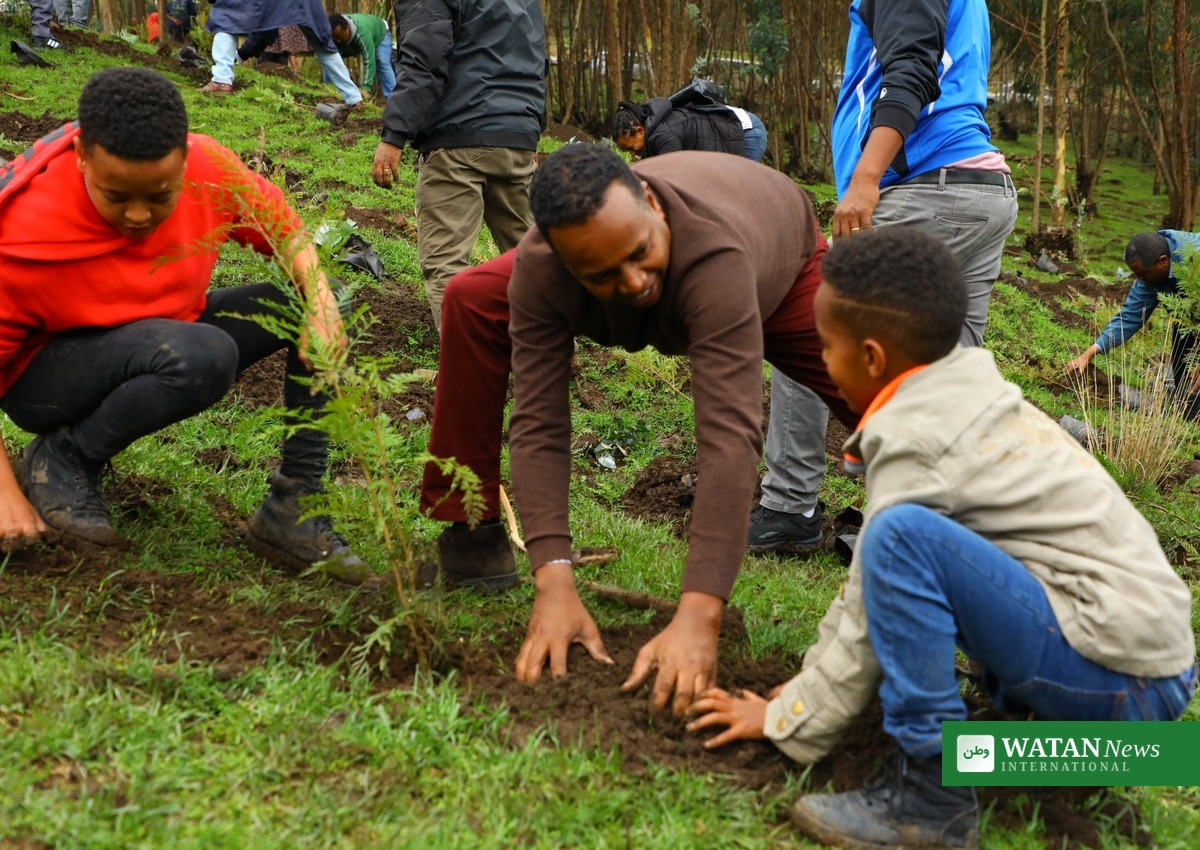
The Green Legacy Initiative was launched in 2019 as a nationwide campaign to restore degraded land and expand forest cover. According to Ethiopian officials, more than 56 billion seedlings have been planted over the past eight years, with millions of Ethiopians taking part each year in coordinated planting days across the country.
Ethiopia’s forest cover rose from 17.2 percent in 2019 to 23.6 percent in 2023, according to figures reported by Ethiopian state media during COP31 — a gain officials link directly to the planting campaign. The initiative has also spread beyond Ethiopia’s borders, with seedlings and restoration experience shared with neighbouring countries.
From Addis Ababa to Antalya: the COP31 stage
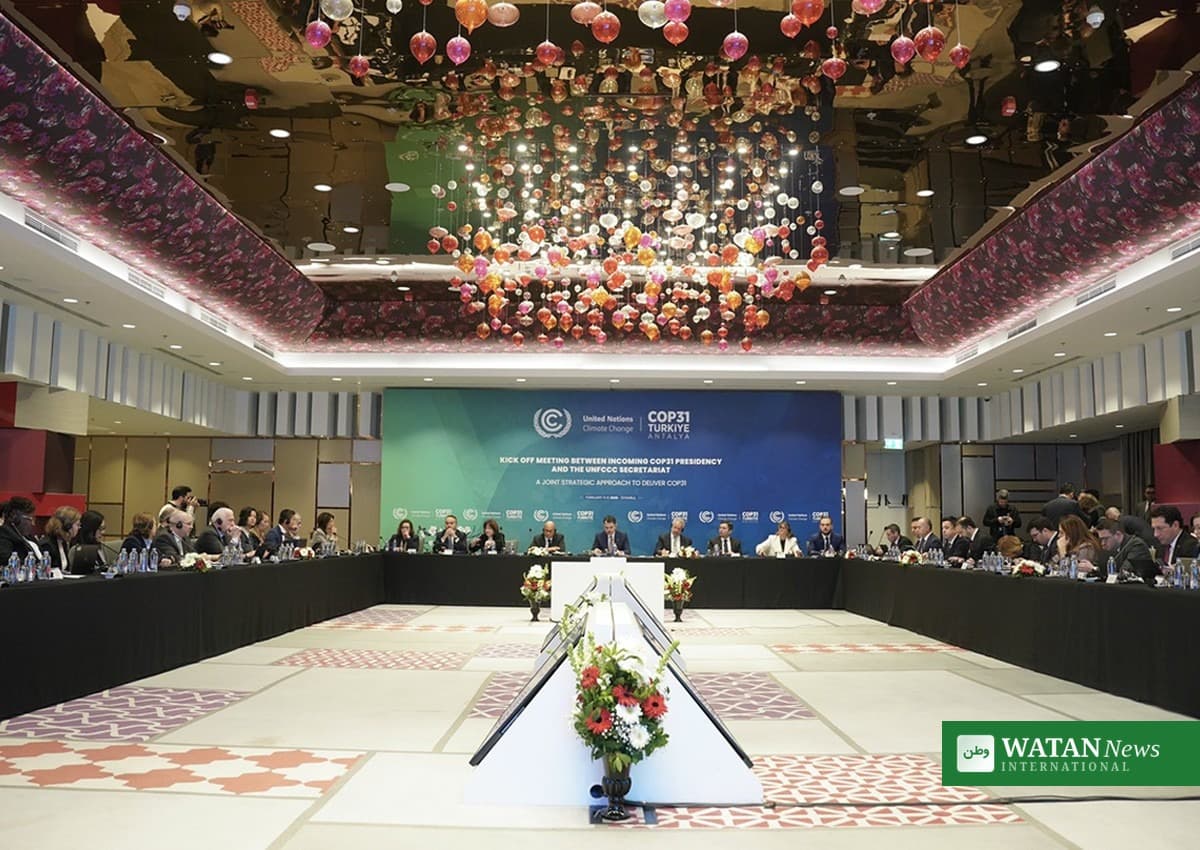
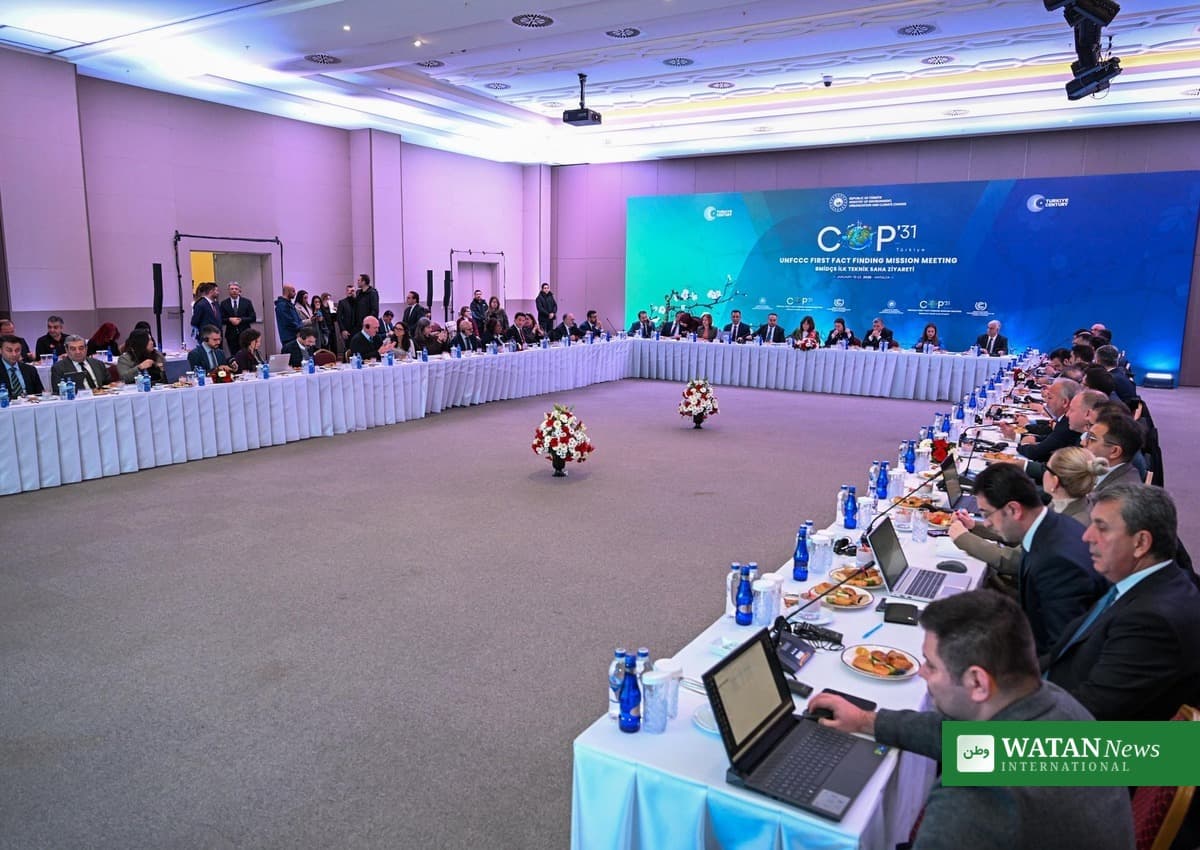
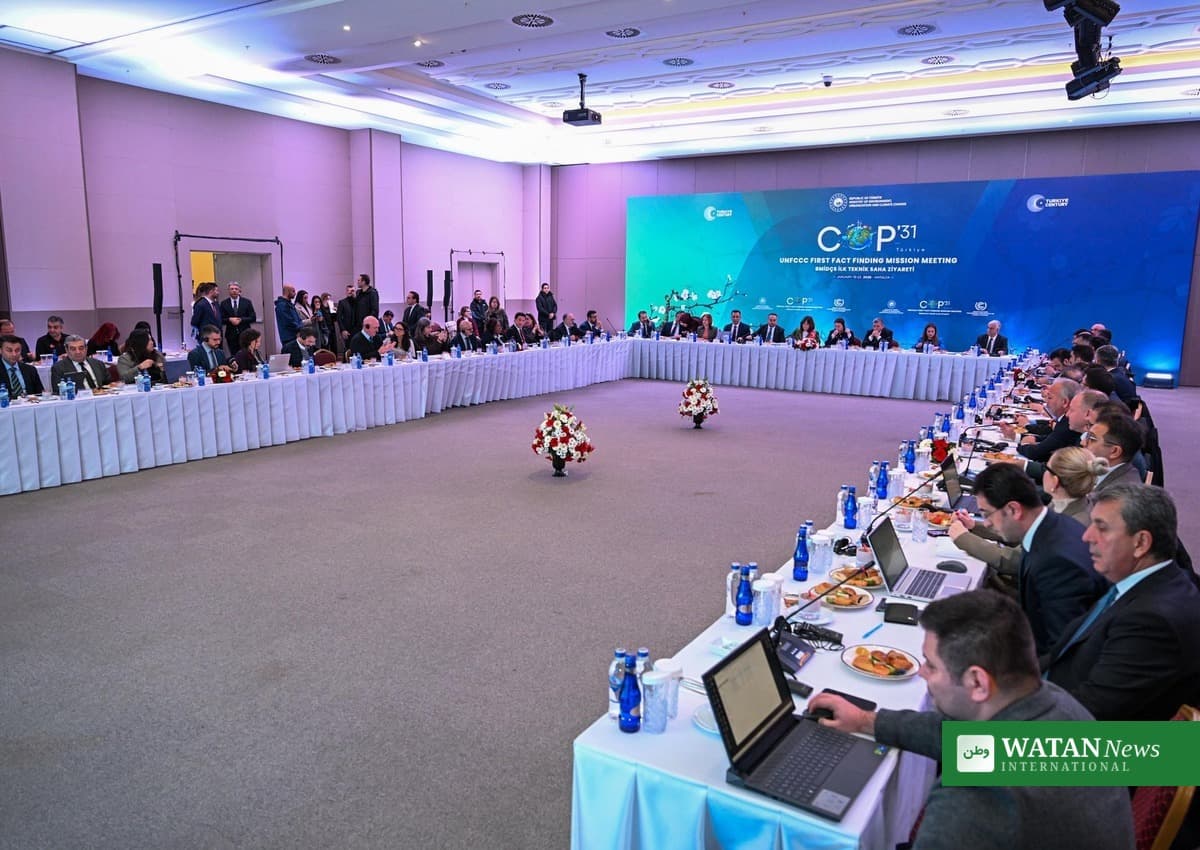
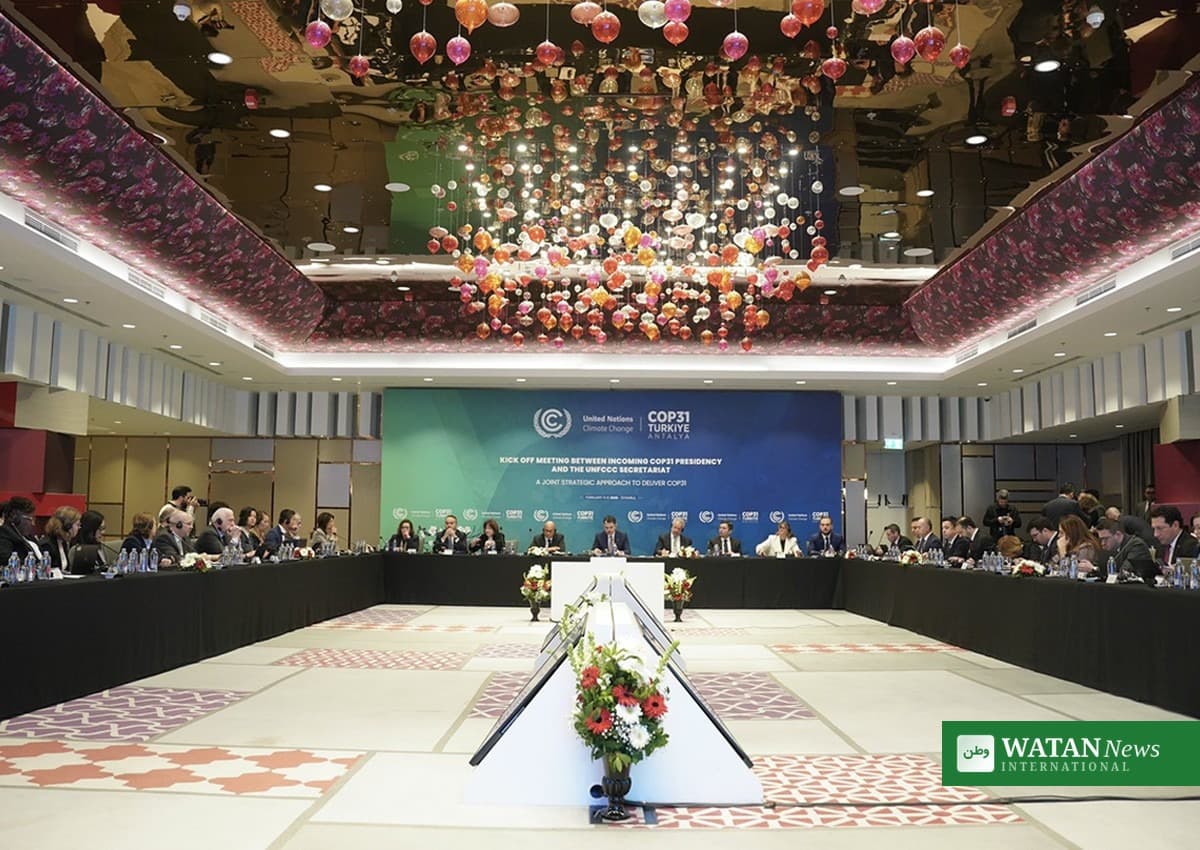
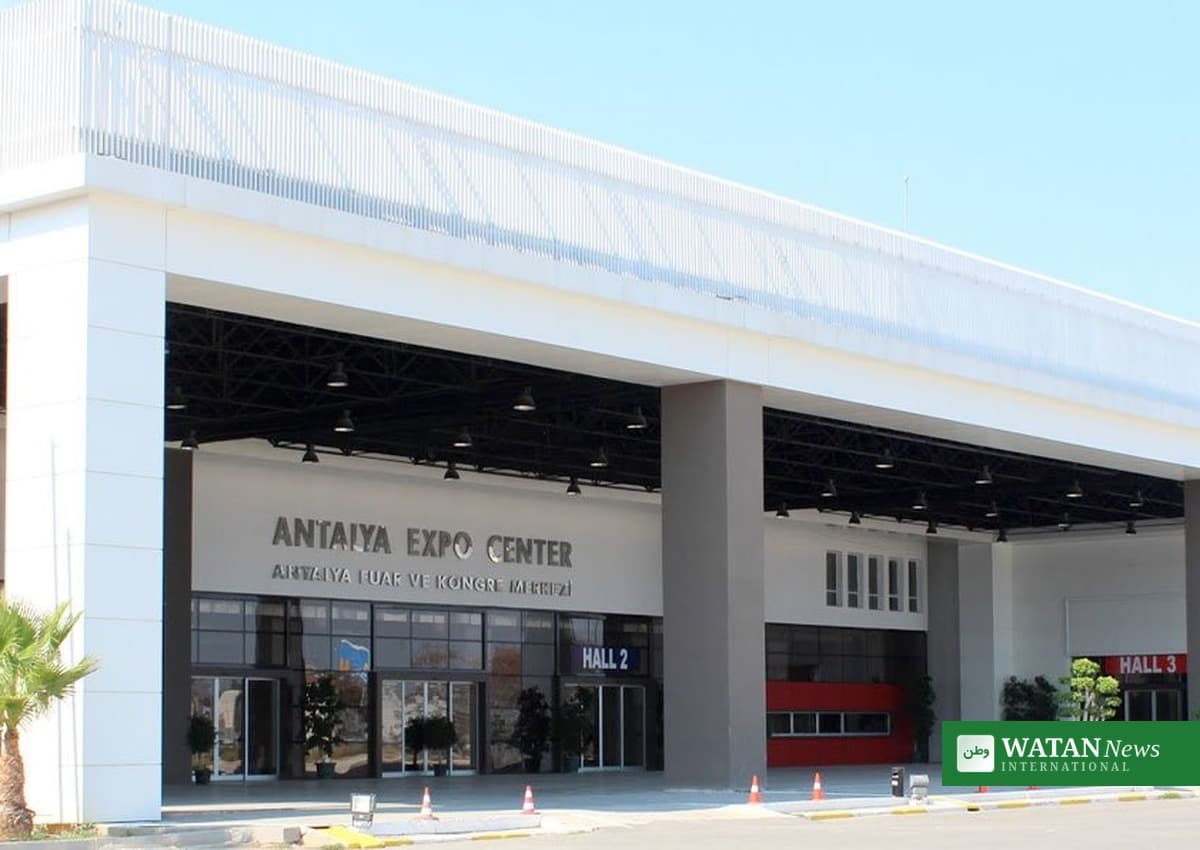
At COP31, Ethiopia is showcasing the initiative from its national pavilion at the Antalya Expo Center, which opened on 9 November and is hosting 63 events during the conference, covering climate finance, adaptation, energy transitions, food systems, youth and gender.
Ethiopia’s message in Antalya is that planting trees is not only an environmental act but an economic one. Prime Minister Abiy told leaders that spending on climate-related damage takes money away from essential public services, and that restoring land and forests is part of his country’s economic policy. Deputy Prime Minister Temesgen Truneh described green development as a national strategy for economic transformation and prosperity for future generations.
Ethiopia’s delegation has also used COP31 to build partnerships around the initiative. Finance Minister and COP32 Chief Negotiator Fitsum Assefa held talks with Norway’s Minister of Climate and the Environment, Sigrun Gjerløw Aasland, on cooperation including afforestation under Green Legacy.
What the numbers mean — and what they do not yet prove
The scale of the planting is striking, but the figures come from the Ethiopian government and have not been independently audited in the COP31 reporting. The 56 billion figure counts seedlings planted, not trees that survived to maturity — and survival rates for mass planting campaigns are rarely published in full. What is independently documented is the direction of travel: forest cover has risen, degraded land is being restored, and the programme has mobilised communities across the country.
That distinction matters for the wider debate at COP31. Delegates in Antalya are discussing a forest roadmap that puts Indigenous land rights, national action plans and climate finance at the centre of the 2030 deforestation goal — and the roadmap itself stresses that protecting existing forests matters at least as much as planting new ones, because centuries-old forests provide ecological functions that young trees cannot immediately replace.
Why forests are at the centre of COP31
Ethiopia’s presentation lands in a week when forest finance is moving. At the COP31 forest summit, the Netherlands pledged up to 500 million dollars to the Tropical Forest Forever Facility, lifting total pledges to 7.8 billion dollars against a 10 billion dollar target. The World Bank Group announced support for restoring 150 million hectares of forest by 2035, and Norway extended its International Climate and Forests Initiative to 2035.
Forests currently receive less than one percent of global climate finance, although they offer around one-fifth of the world’s cost-effective climate mitigation potential, according to reporting from the COP31 forest summit. Ethiopia’s case is that the gap can be closed not only with finance, but with the kind of public mobilisation its Green Legacy campaign demonstrates — millions of people planting together, year after year.
As the next COP host, Ethiopia will carry that argument into COP32 in Addis Ababa. For now, its 56 billion seedlings stand as COP31’s most concrete example of a country turning a planting pledge into a national habit. Read our earlier report on the COP31 forest summit here: COP31 Forest Summit: $500m Dutch Pledge Lifts Forest Fund to $7.8bn.
Key facts
- Green Legacy Initiative: launched in Ethiopia in 2019; more than 56 billion seedlings planted over eight years, according to Ethiopian officials.
- Forest cover: rose from 17.2 percent in 2019 to 23.6 percent in 2023, according to figures reported by Ethiopian state media.
- COP31 presentations: Prime Minister Abiy Ahmed at the Leaders’ Summit on 11 November; Minister Bereket Fesehatsion at the Leaders’ Event on Forests and Climate Action on 12 November, in Antalya.
- COP32: Ethiopia will host the next climate conference in Addis Ababa in November 2027.
- Global goal: halt and reverse deforestation by 2030; forests receive less than one percent of global climate finance.