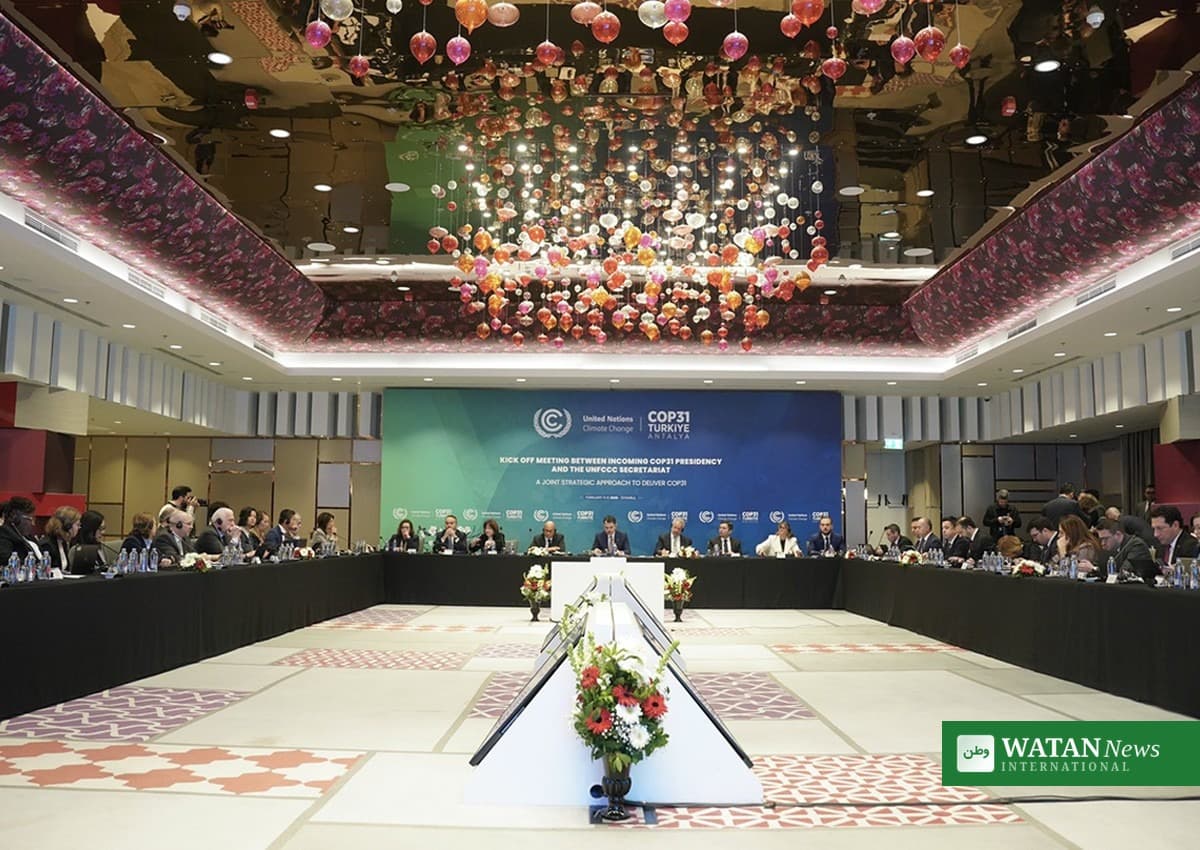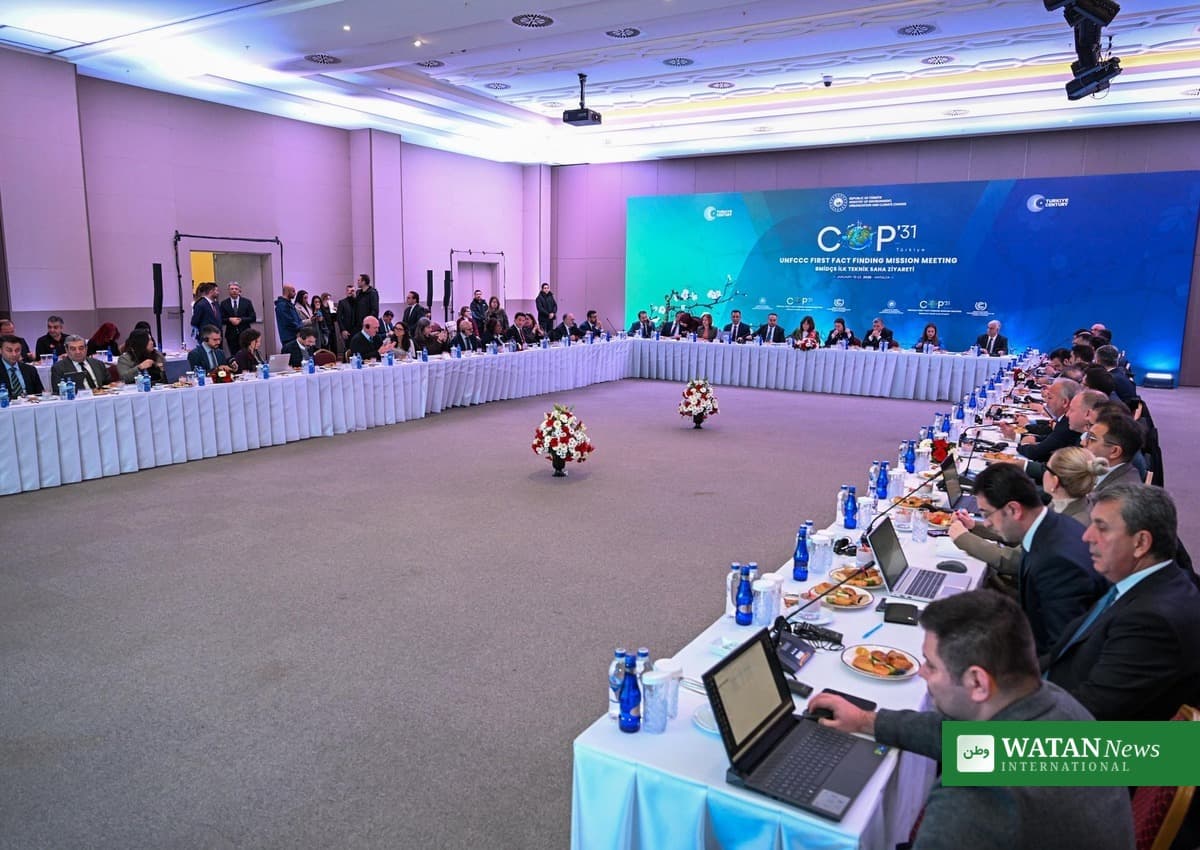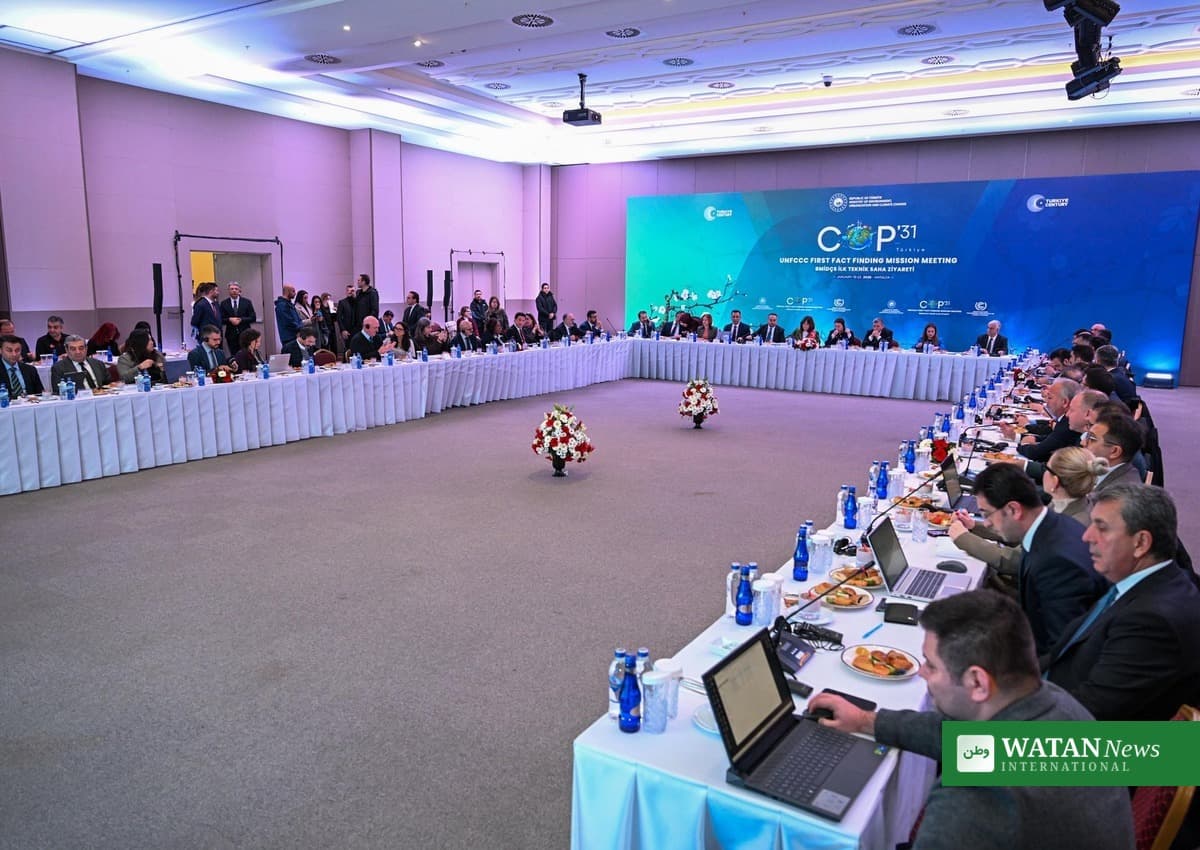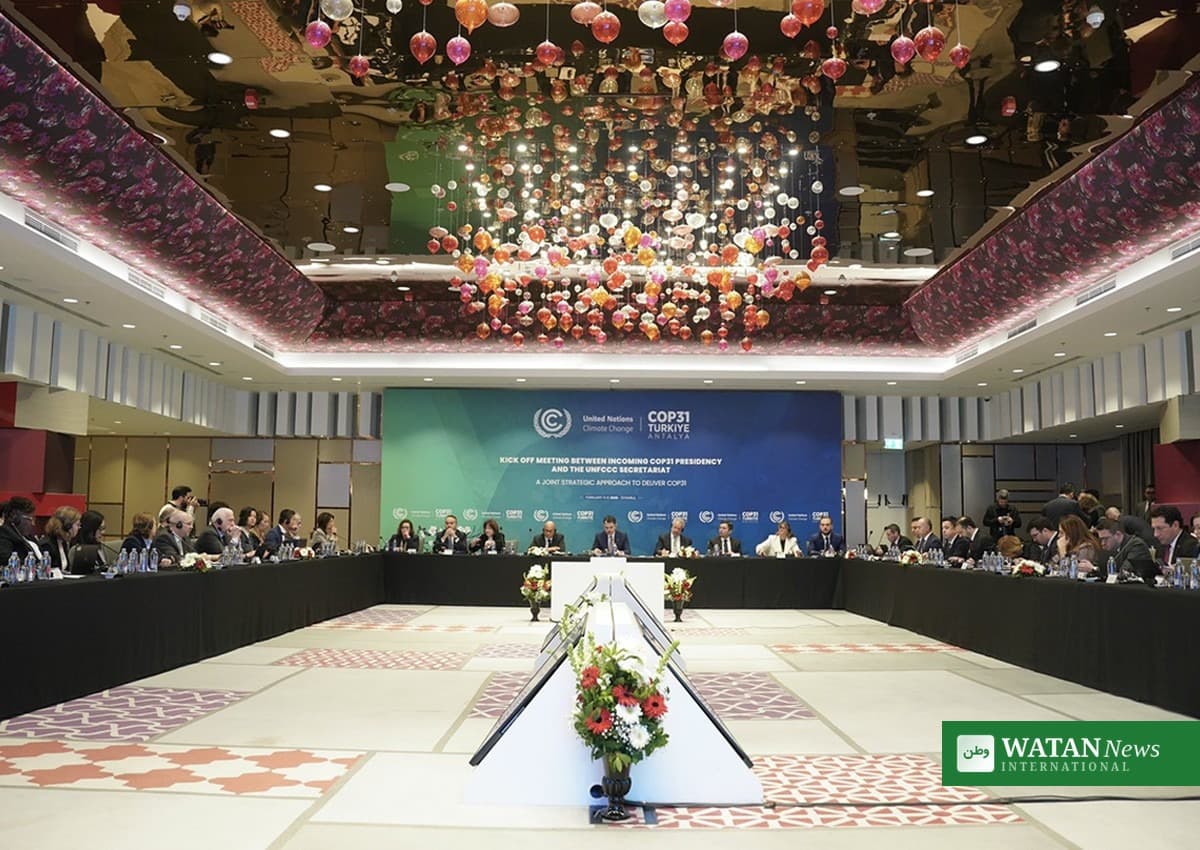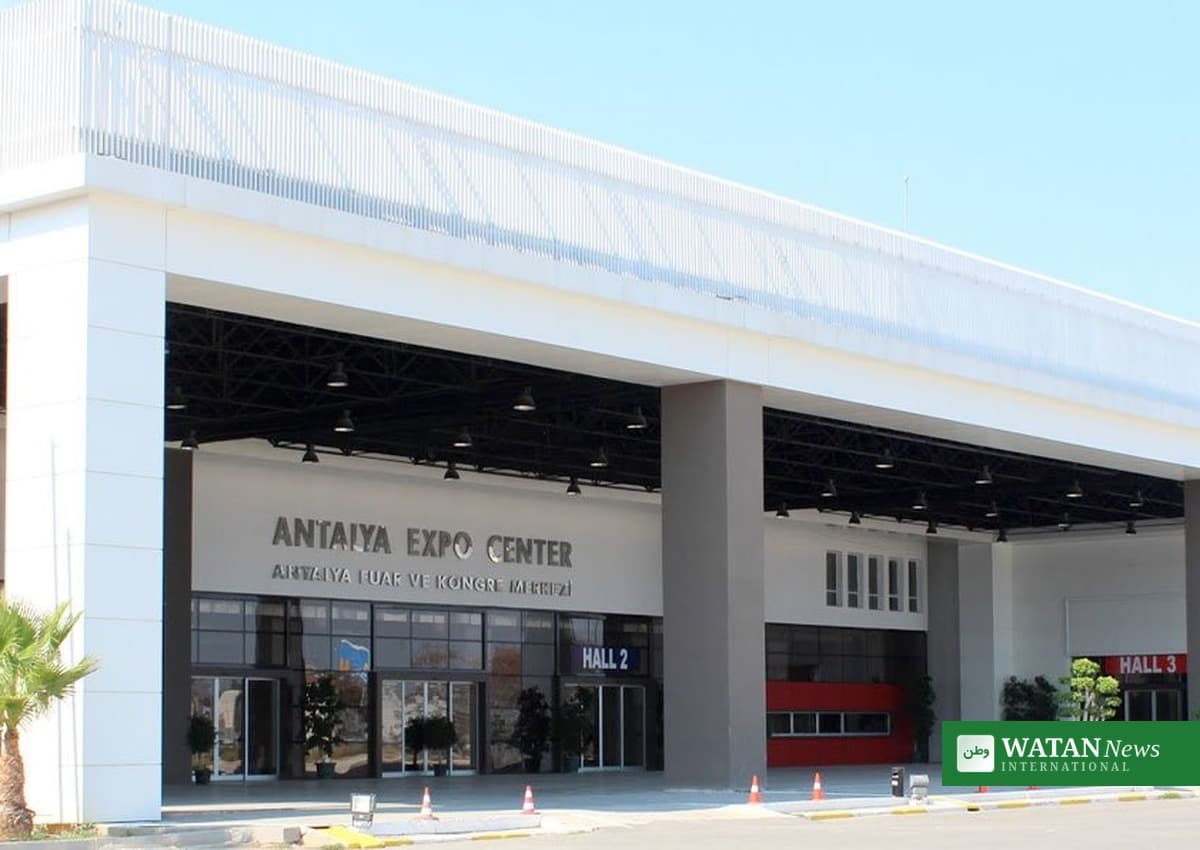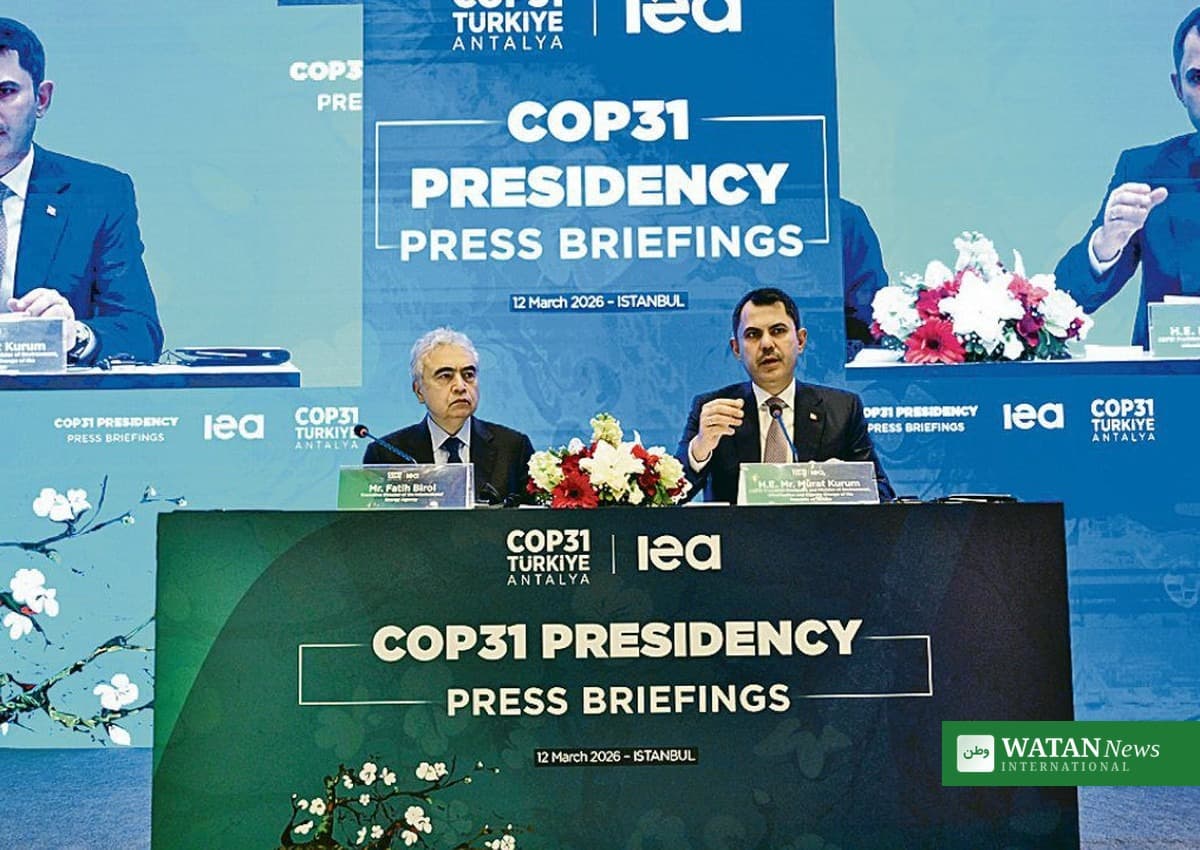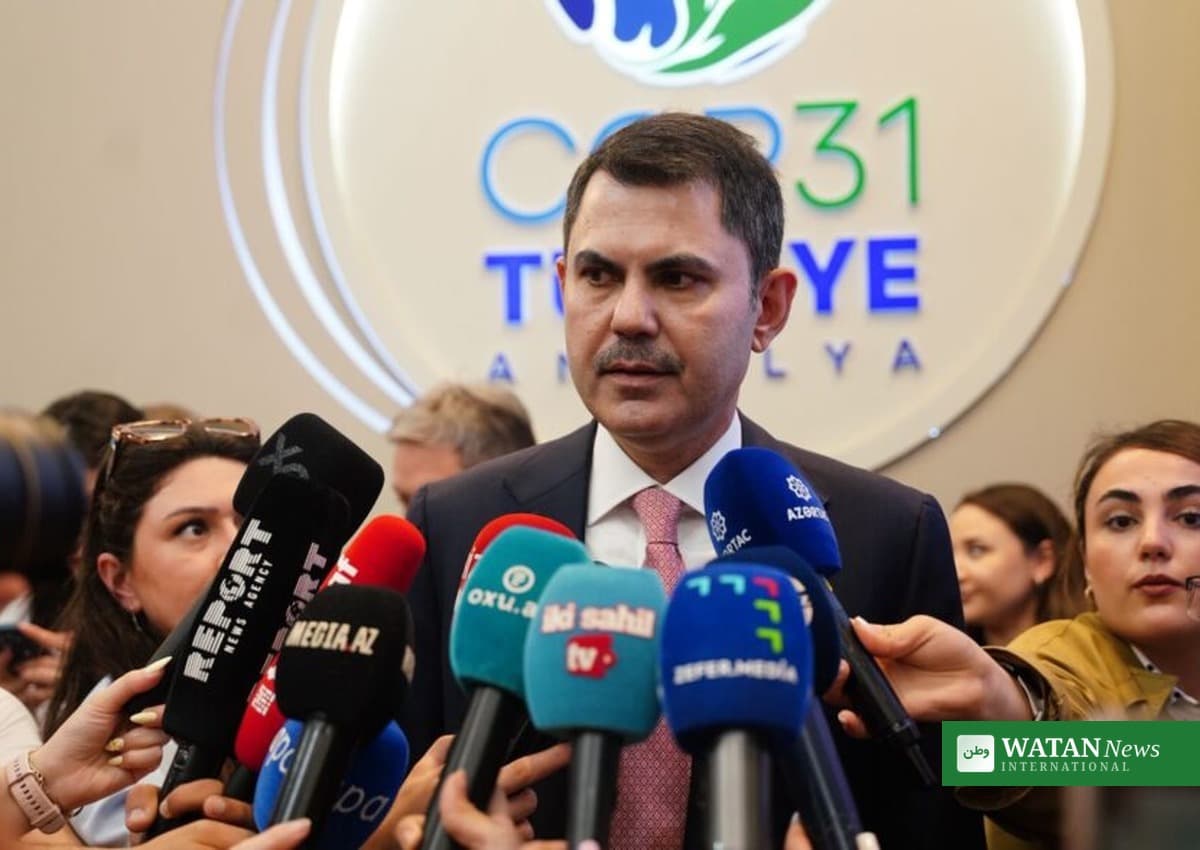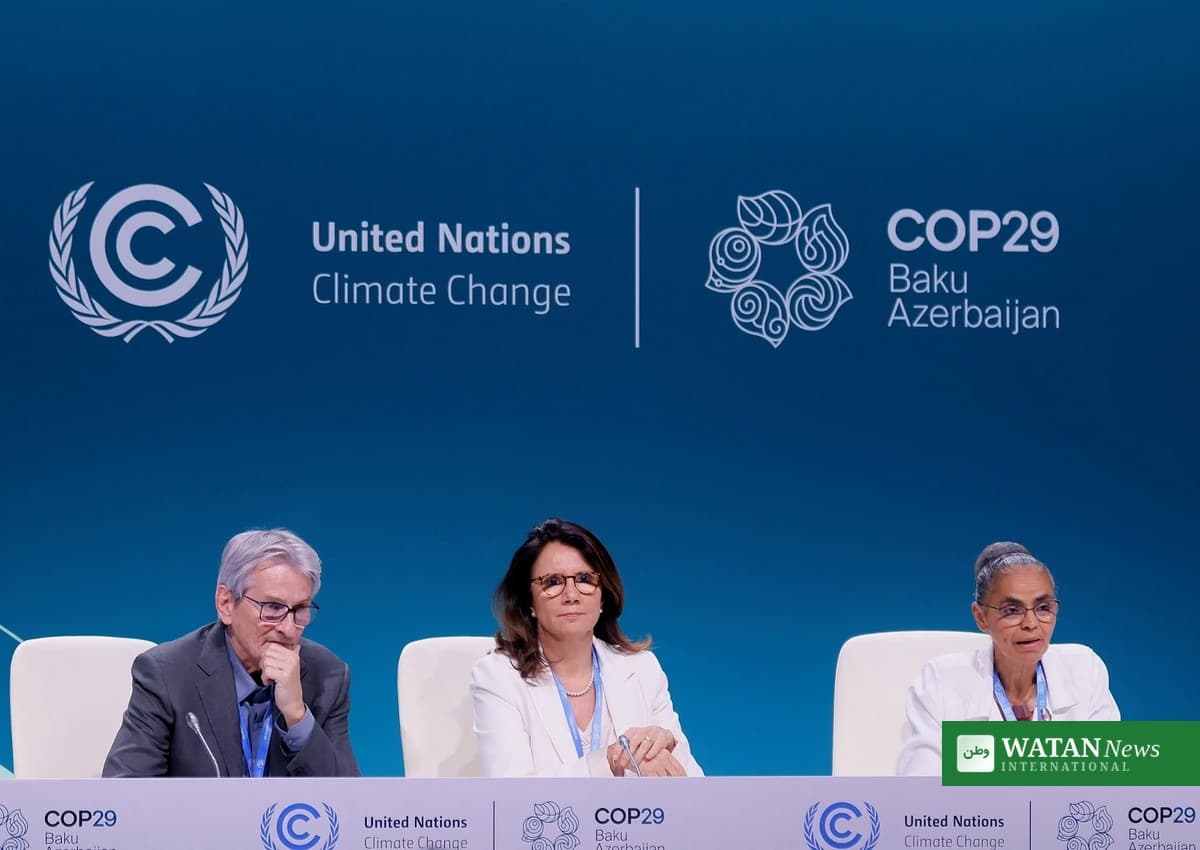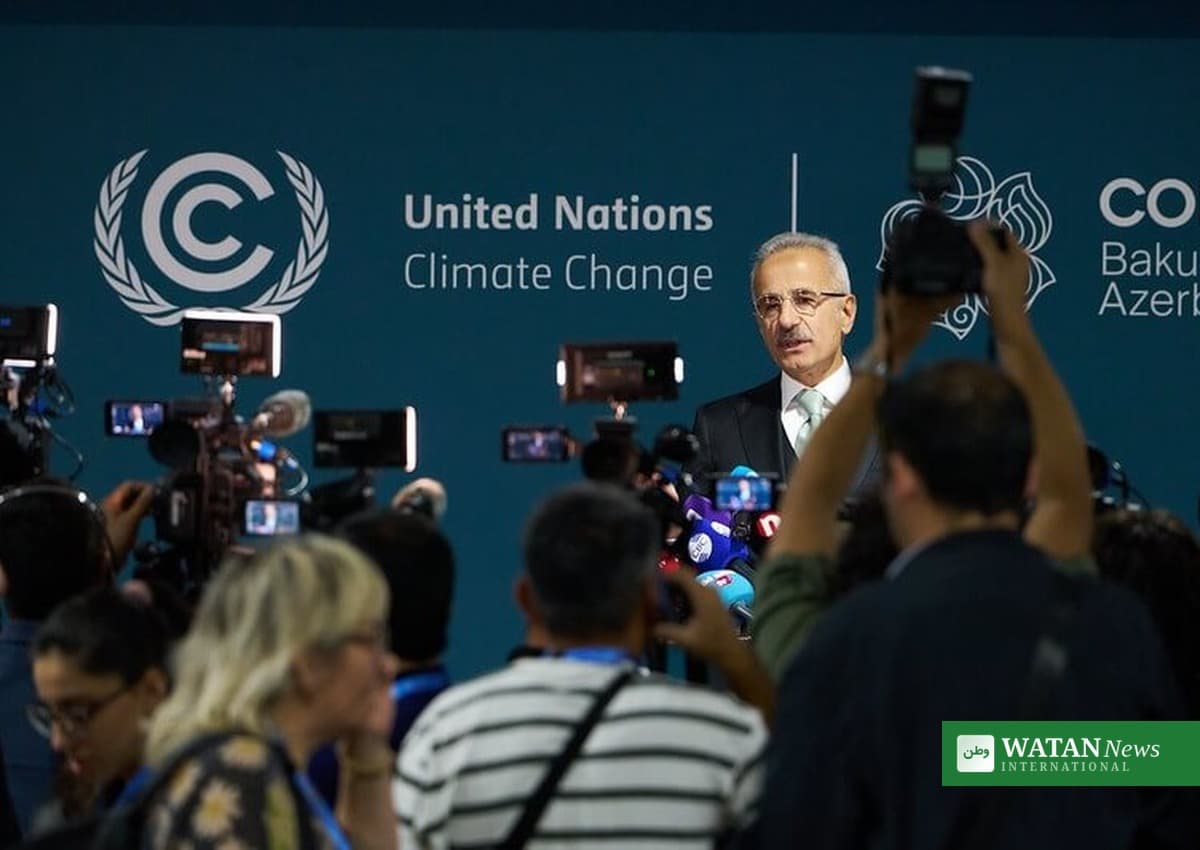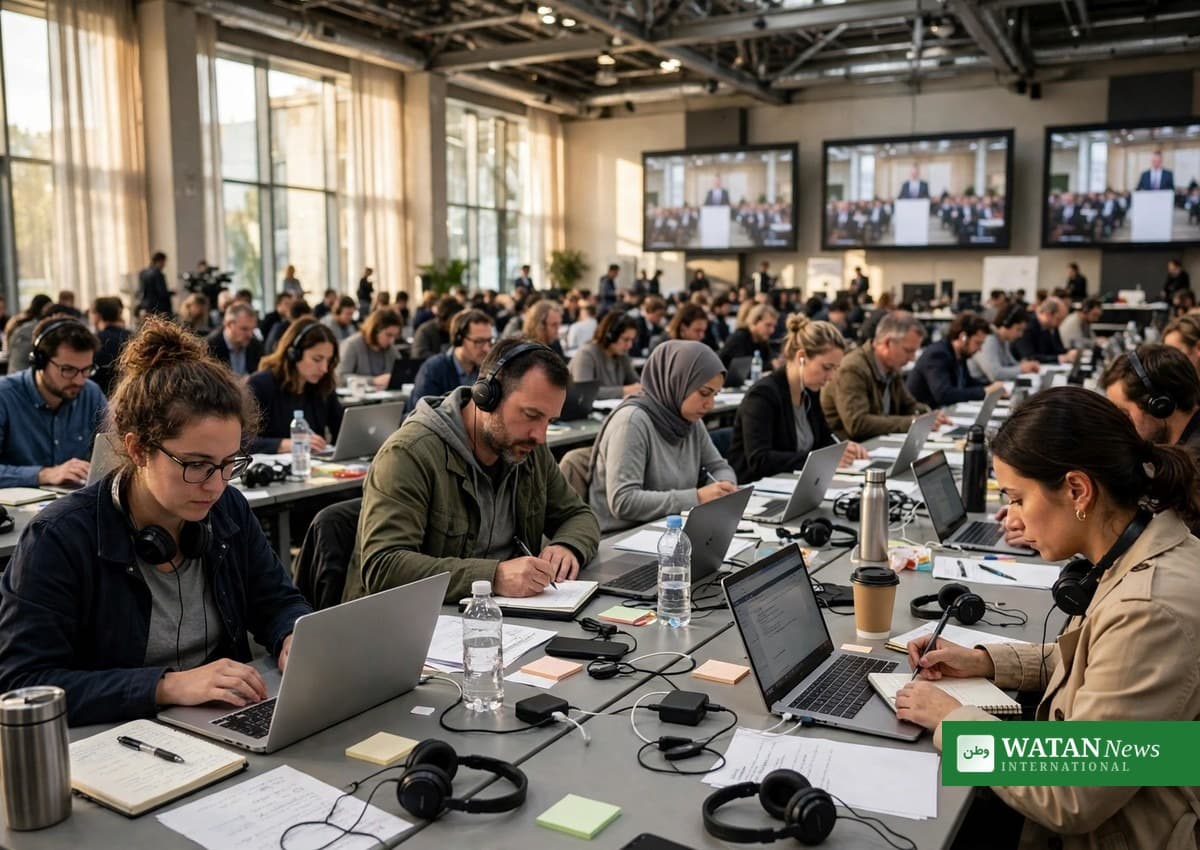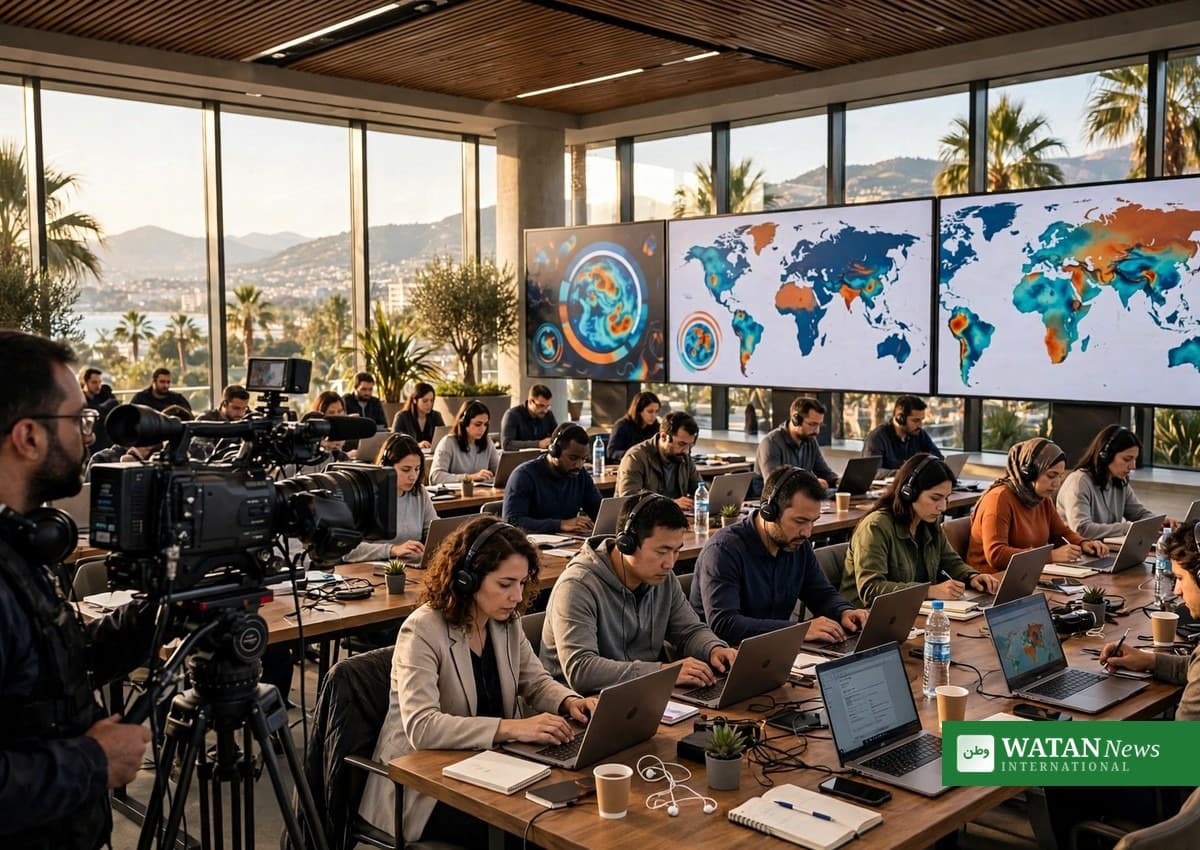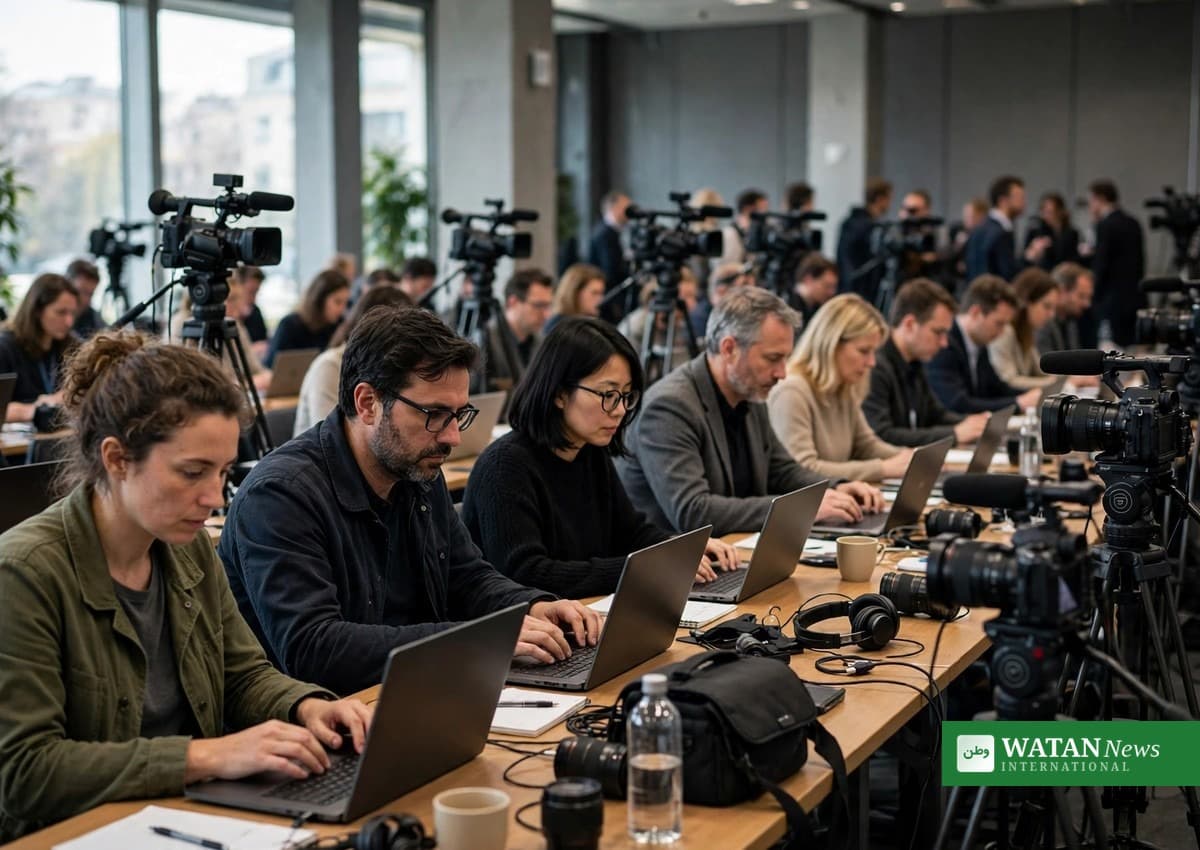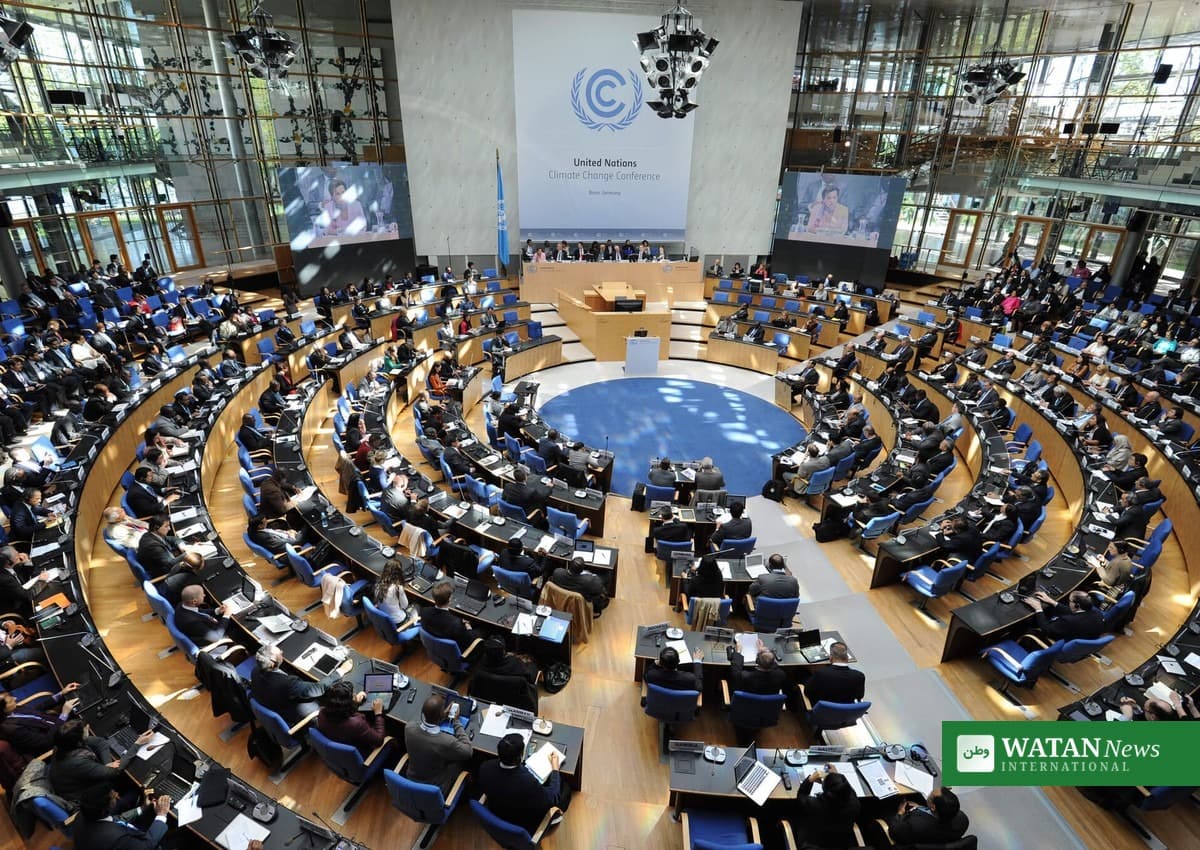
COP31’s technical negotiations closed on Saturday night in Antalya with a delayed stocktaking plenary, a long list of unresolved issues and a clear message from the UN climate chief: the hardest work now passes to ministers, who must move fast and avoid tactical delays.
The closing plenary of the subsidiary bodies — SBI 65 and SBSTA 65 — was due to start at 5pm, then 6pm, and finally began at 8pm, according to Carbon Brief, which followed the talks through the week. When it finally opened, the chairs reported back on what had been agreed and the much longer list of items on which disagreement remains. Some issues will be left to reconvene next year; others, including the just transition mechanism, will continue into the second week.
Stiell: move swiftly to the hardest issues
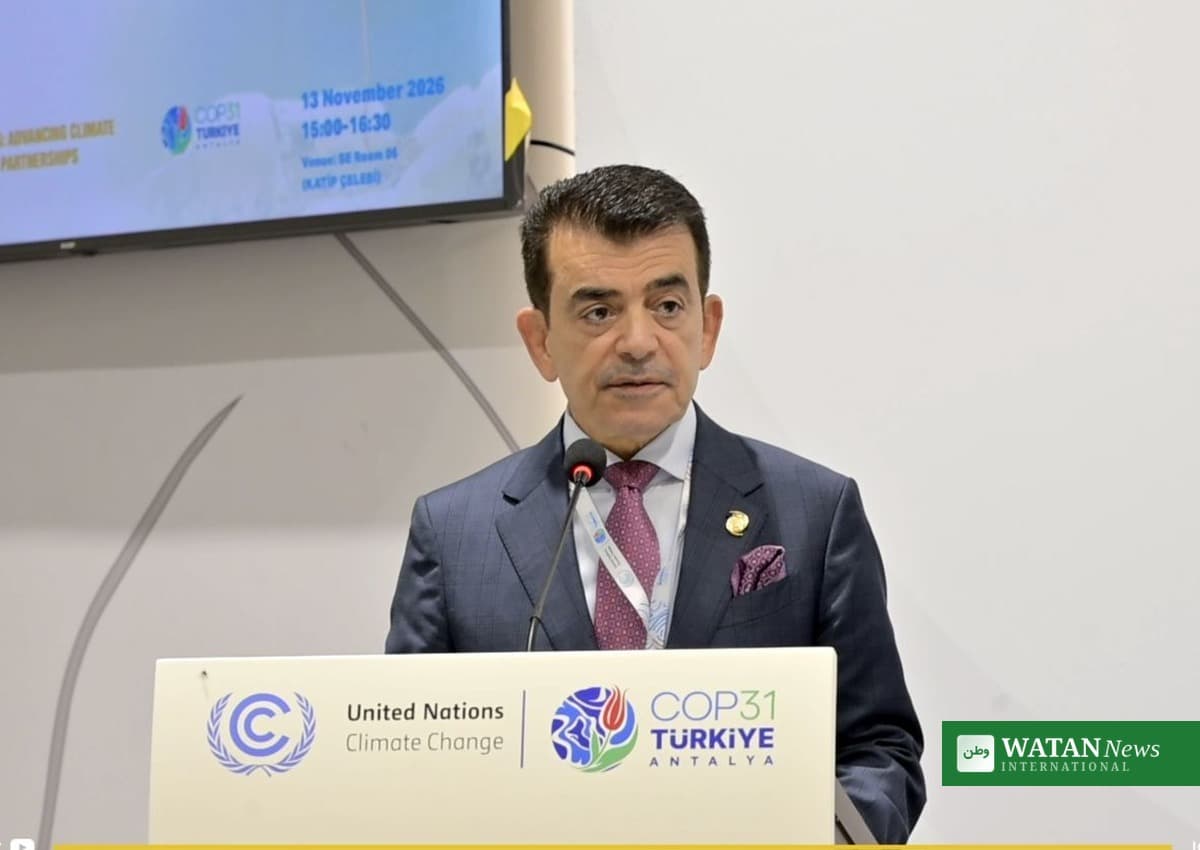
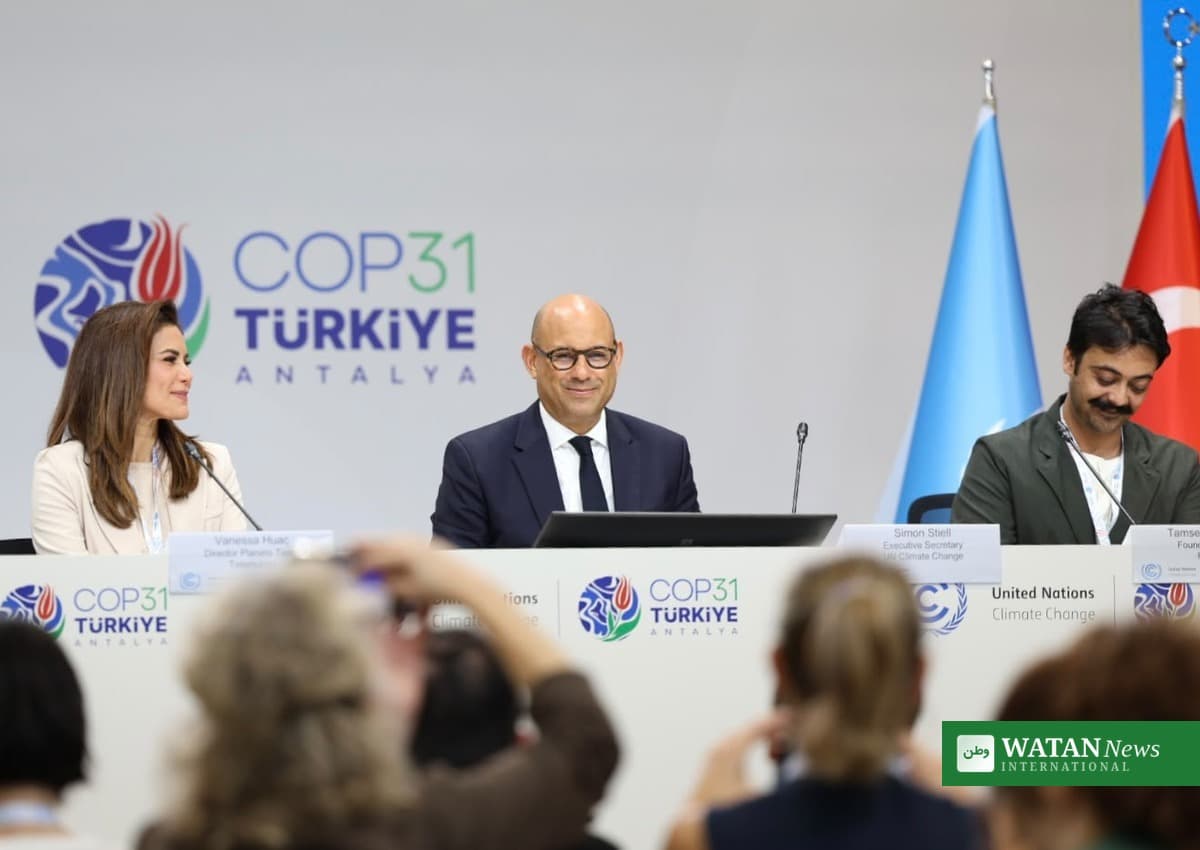
UN Climate Change Executive Secretary Simon Stiell told a press conference on Saturday that nearly 200 countries were working through 165 negotiating mandates and that progress so far had been “constructive”. He urged governments to confront the most difficult issues as the conference entered its second week.
“As we head into the second week, I urge parties to move swiftly to the hardest issues and to avoid tactical delays,” Stiell said, according to Reuters, which reported from the summit. “There is no collective success without compromise from every party.”
The first week had already produced draft texts on most negotiating tracks, as Watan News reported in its review of the opening week, but the most contentious questions — above all money — stayed unresolved. Carbon Brief noted that observers in the corridors described this year’s mid-point gridlock as worse than usual.

Adaptation finance: a tripling to $120 billion on the table
Adaptation is set to become one of the main battlegrounds of the second week. A draft text on the global goal on adaptation proposes tripling adaptation finance to “at least $120 billion per year by 2035”, according to Climate Home News’ Day 6 bulletin from the summit, with another option to start a process to review elements of that finance target instead.
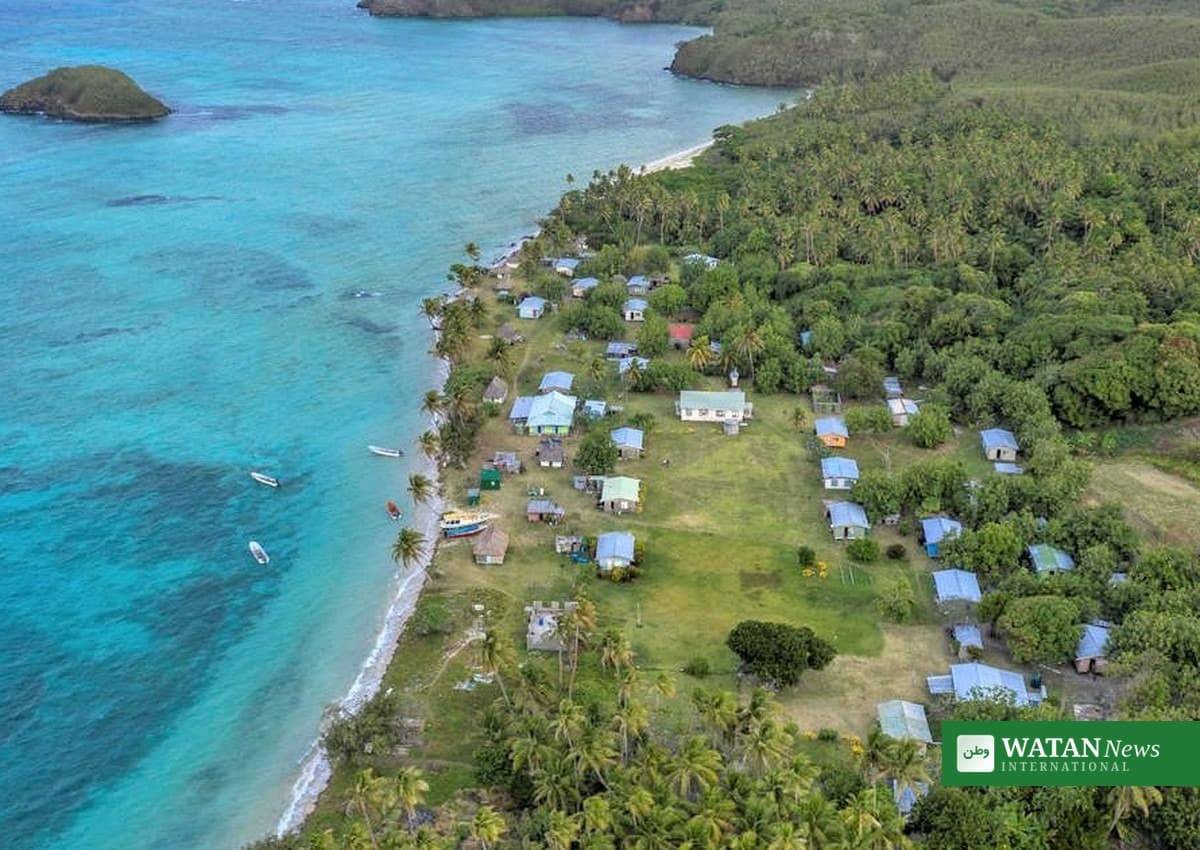
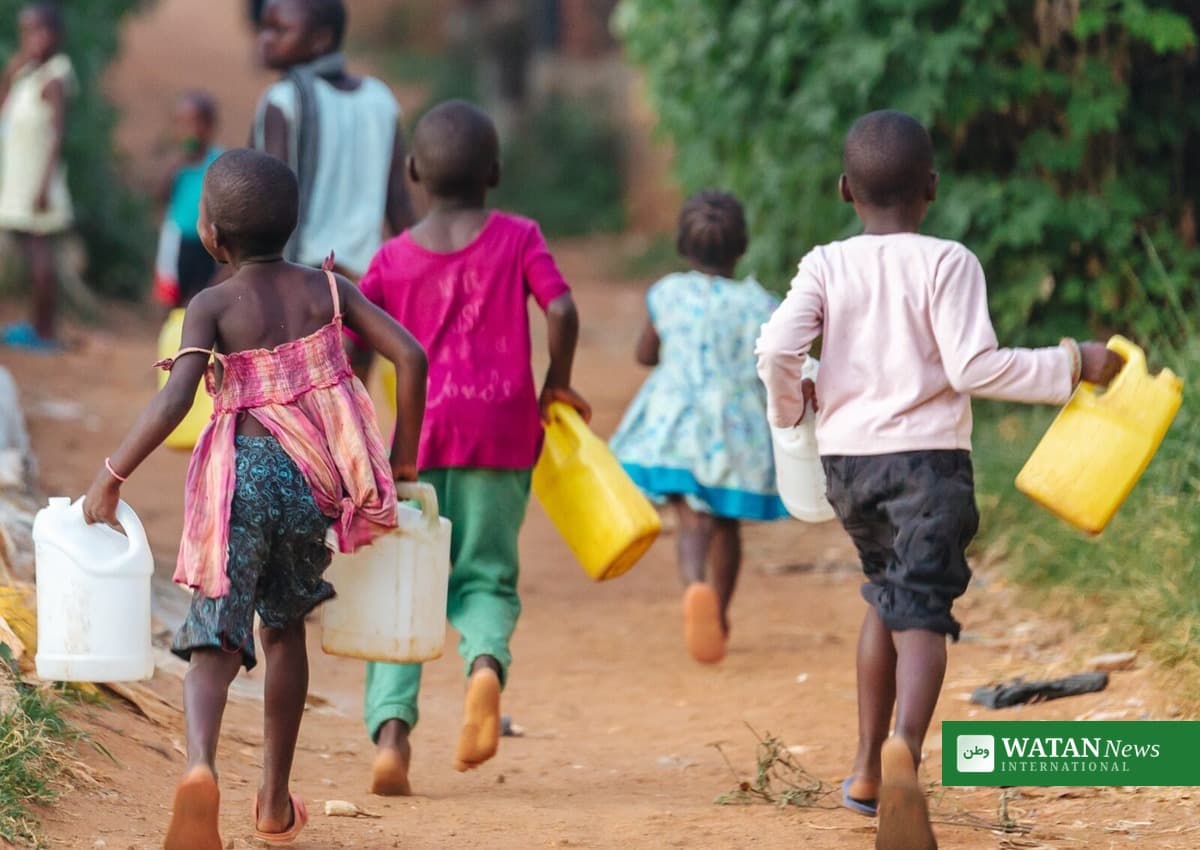
UN Secretary-General António Guterres warned that even tripling adaptation funding would still meet less than 30 percent of the actual needs of the countries most vulnerable to climate impacts, UN News reported. Developed countries are expected to lead efforts to mobilise at least $300 billion a year for developing countries by 2035, while an assessment presented at COP31 indicated annual climate finance could fall short of the larger goal by as much as $840 billion.
The finance divide runs through almost every track. Carbon Brief’s analysis showed public climate finance pledged by developed countries in the coming years is around 70 percent lower than in 2025, after sweeping aid cuts — a warning Barbados Prime Minister Mia Mottley carried into the leaders’ summit.
Cover decision and the fossil-fuel divide
Whether COP31 produces an overarching “cover decision” — a single political text wrapping up the summit’s outcomes — remains undecided. The presidency’s move for one faced procedural pushback, and some large developing countries have questioned whether it is needed at all. Australia’s President of Negotiations, Chris Bowen, said he expected a first draft of a deal text to emerge early next week.
Carbon Brief reported that Australian and Turkish hopes of including the “35 by 35” electrification target — 35 percent of global final energy from electricity by 2035 — in the cover text appear to be fading. The target remains a presidency priority, with more than 50 countries signed up or supportive.
Countries also remain divided over whether the eventual agreement should set more explicit targets for moving away from oil, gas and coal. Big fossil-fuel producers and consumers are resisting any deal that would specify firm new targets or a shift away from fossil fuels, Reuters reported, posing a challenge for the hosts as they try to land an ambitious agreement. The United States has sent no official delegation for a second year running.
The science fight: overshoot and the IPCC timetable
Science itself became a negotiating fault line in the first week. Scientists behind the UN Environment Programme’s Limiting Overshoot report, published in September, defended its credibility after Saudi Arabia and other large developing countries questioned its scientific legitimacy and sought to keep it out of the main political decision expected from COP31, Climate Home News reported. The report examines how to minimise an almost certain breach of the 1.5C limit and how temperatures could be brought back down.
The European Union, the UK, the least developed countries and small island states are among those pushing for COP31 to make the response to a 1.5C overshoot one of the summit’s priorities. A parallel dispute over the timetable for the Intergovernmental Panel on Climate Change’s next assessment — dozens of countries want it published in time for the 2028 global stocktake, while Saudi Arabia, China and India are pushing for 2029 — may also be addressed in the final text. Guterres praised the IPCC’s “remarkable” work and said he hoped its next report would be published “ideally before the next stocktake”.
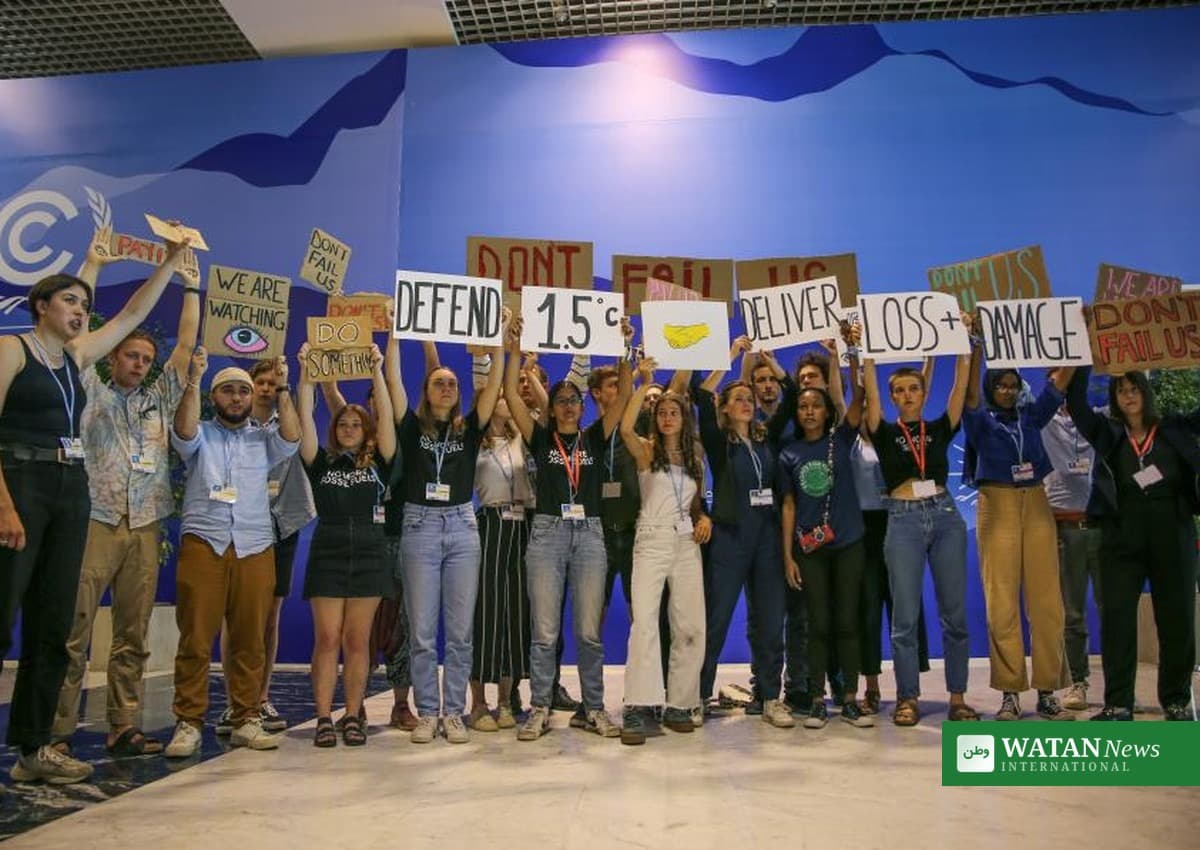
Outside the venue, campaigners marched through rainy streets in Antalya on Saturday, chanting “no more blah blah blah – climate justice now!” and calling on governments to deliver on their promises, while the People’s Summit for Climate gathered local groups and experts over the weekend.
FAKTA
- COP31 runs from 9 to 20 November 2026 in Antalya, Türkiye, with negotiators from close to 200 countries working through 165 mandates.
- The technical phase closed on Saturday 14 November with the SBI 65 and SBSTA 65 closing plenary, delayed from 5pm to 8pm; many tracks remain full of brackets.
- A draft text on the global goal on adaptation proposes tripling adaptation finance to at least $120 billion a year by 2035.
- Even tripling adaptation funding would meet less than 30 percent of vulnerable countries’ needs, according to UN Secretary-General António Guterres.
- A first draft of the cover decision is expected early in the second week; hopes of including the 35 percent electrification target in it appear to be fading.
- The second Global Stocktake begins at COP31 and runs until 2028, informing the next round of national climate plans.
What happens next
Negotiations resume on Monday 16 November, Science, Industry and Technology Day. A high-level science–policy dialogue will bring ministers together with Professor Johan Rockström, director of the Potsdam Institute for Climate Impact Research, moderated by Hindou Ibrahim and chaired by Turkish Industry and Technology Minister Mehmet Fatih Kacir. A ministerial roundtable on Mission to 1.5 and the presidency’s Action for Climate Empowerment event are also scheduled, alongside the Inter-Parliamentary Union’s parliamentary meeting.
The high-level segment begins on Tuesday 17 November, when ministers take over the most contested files in pairs, including finance, adaptation, the cover decision and the fossil-fuel question. The conference is scheduled to close on 20 November, but with so much still to resolve, the presidency is avoiding any prediction on when COP31 will end.