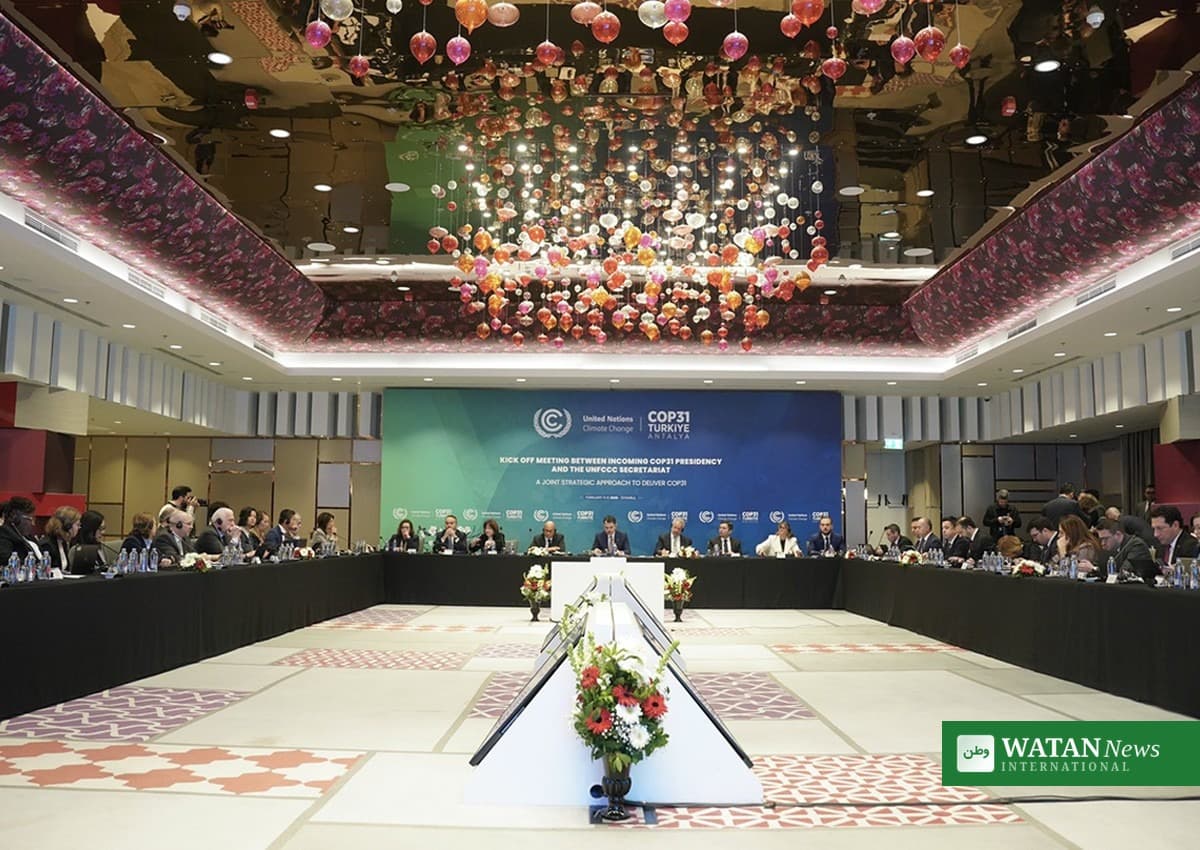
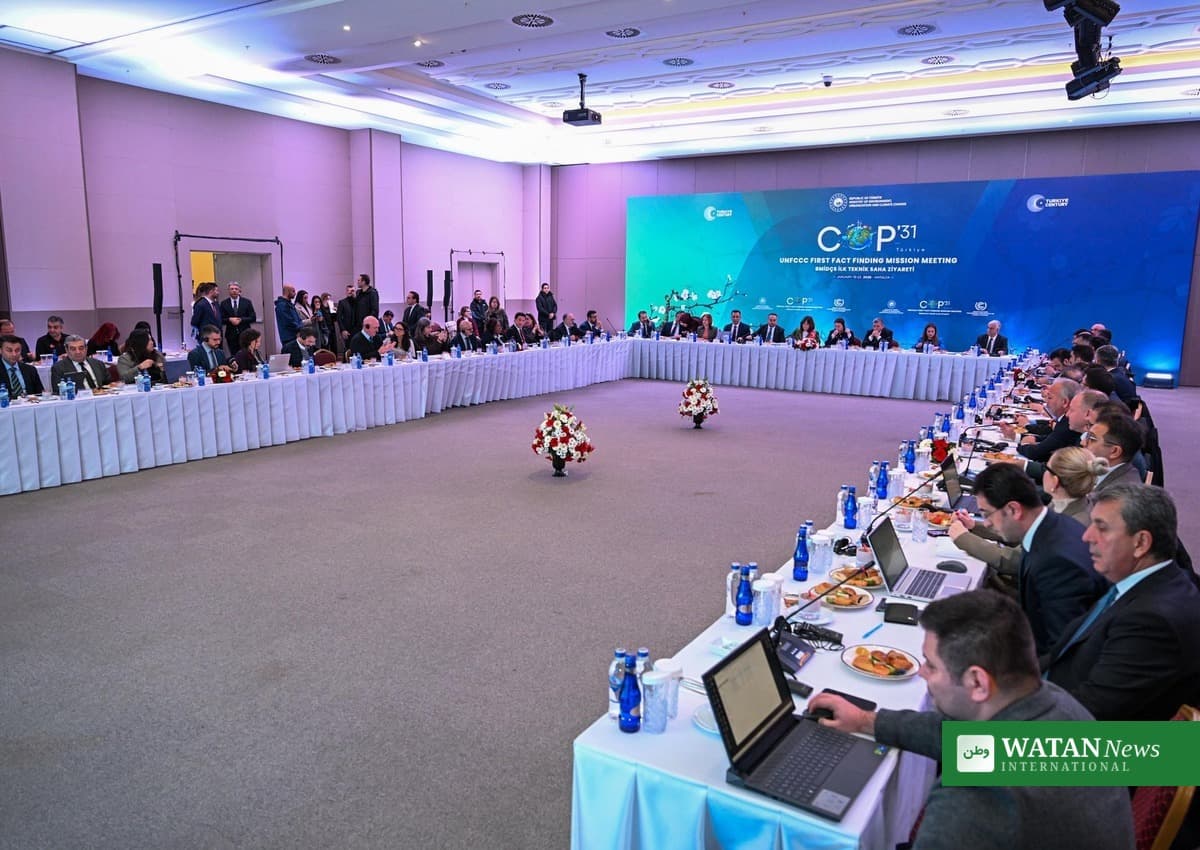
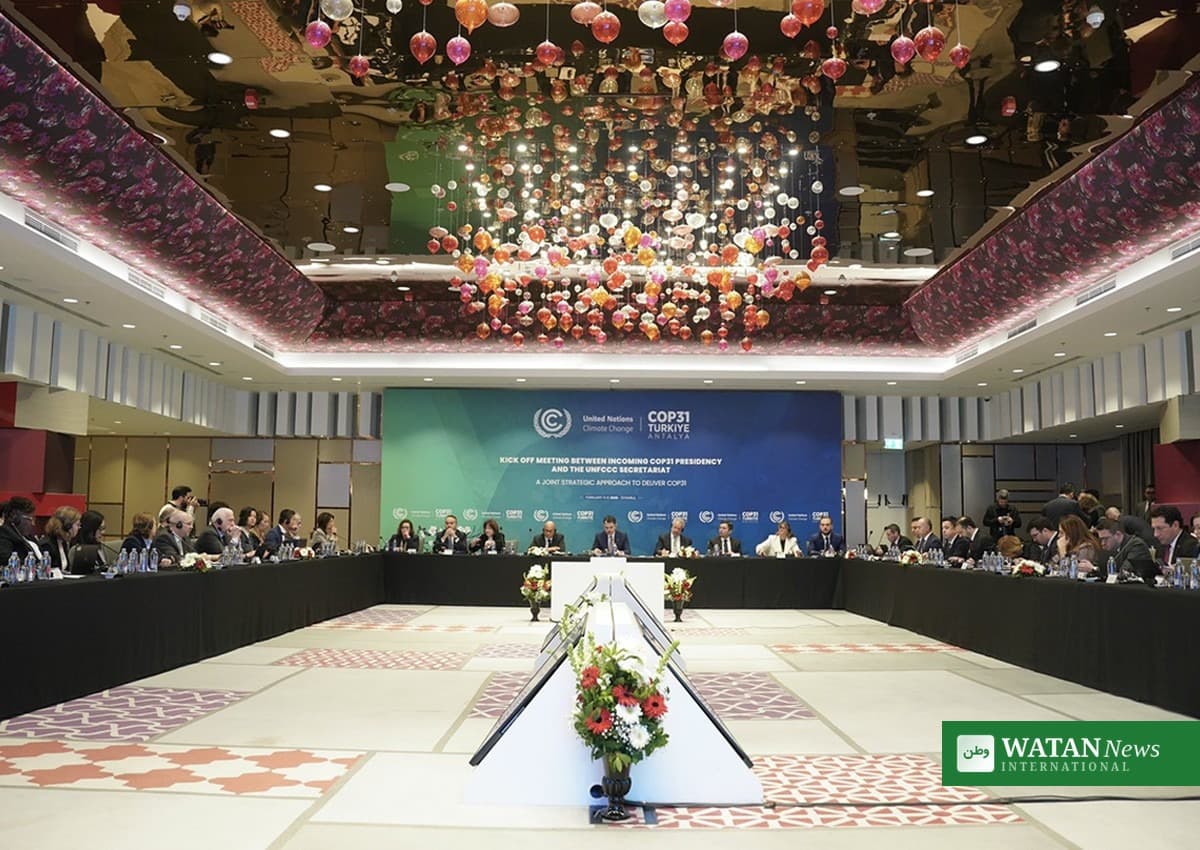
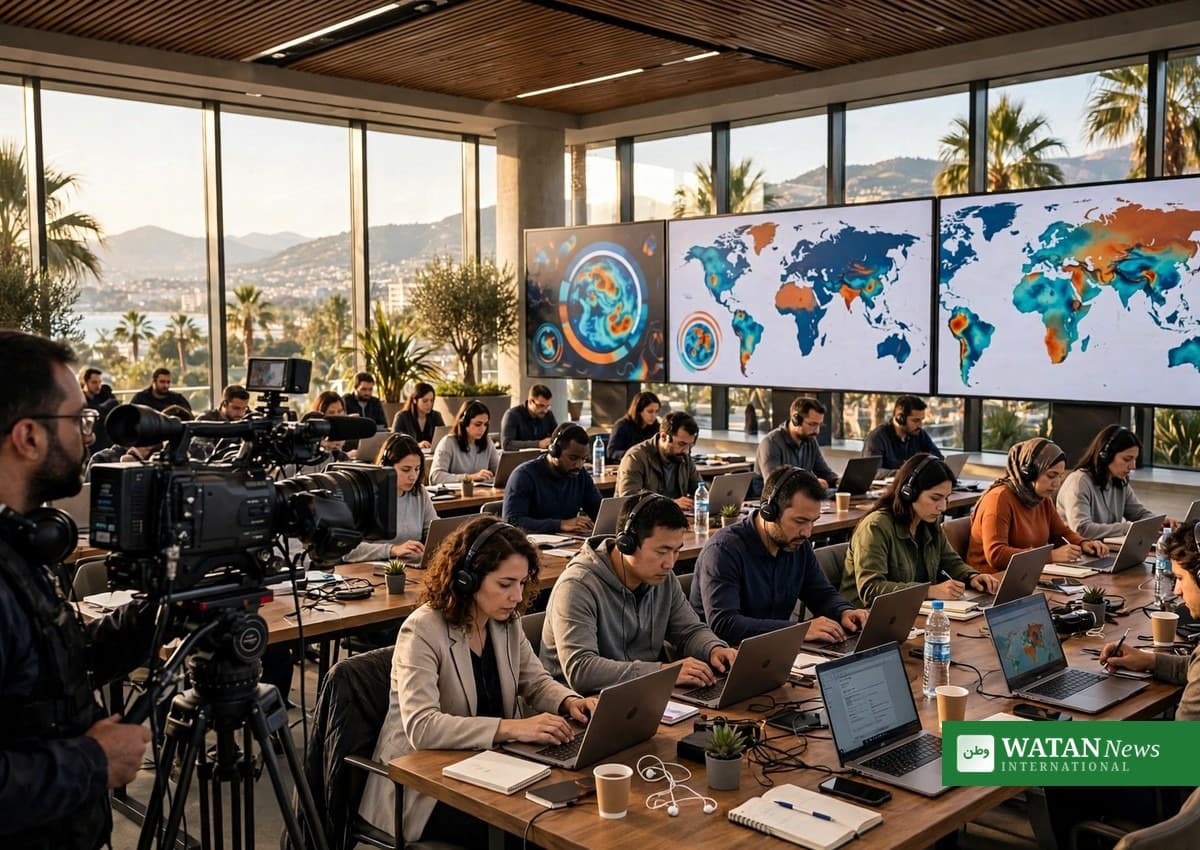
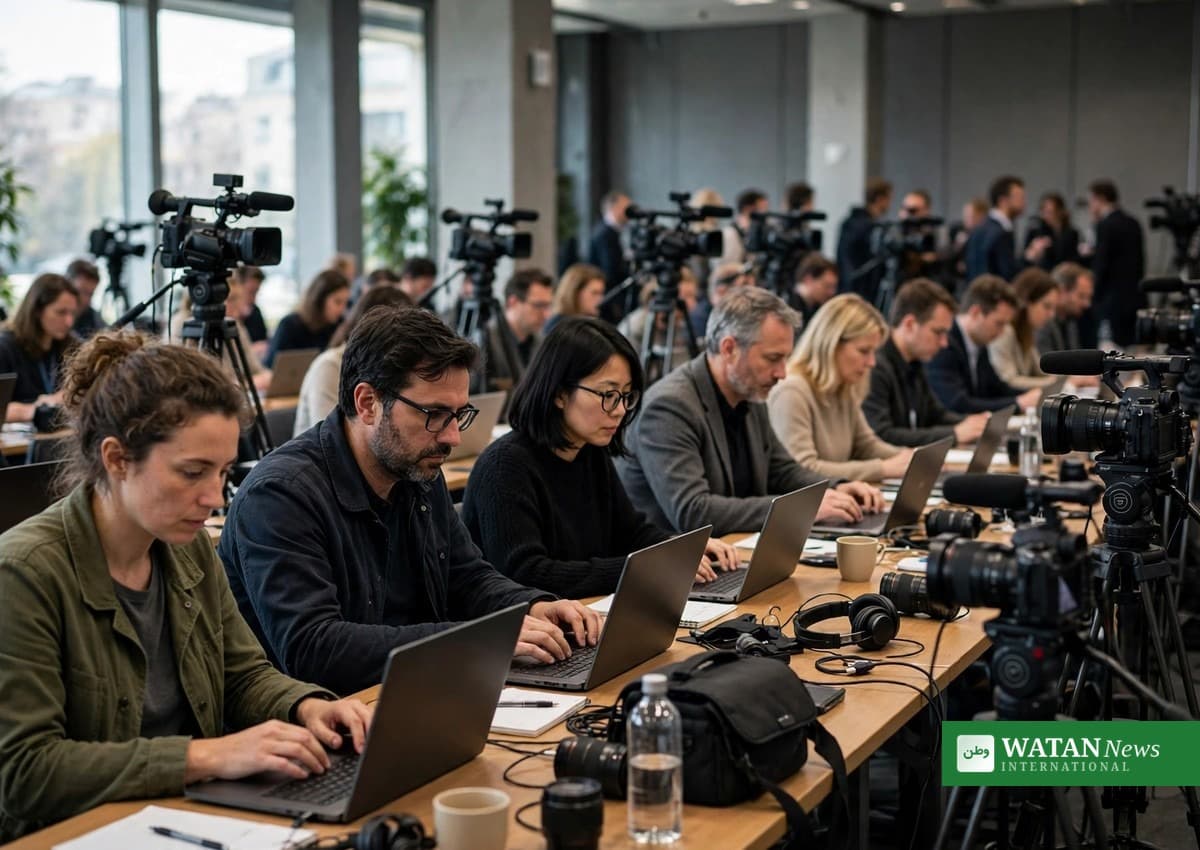
European Union leaders gathered in Dublin on Friday, 13 November 2026, for the Dublin AI summit, the first meeting of EU heads of state and government devoted entirely to artificial intelligence, as the bloc weighs how to compete in the global AI race while setting rules for the technology’s impact on society.
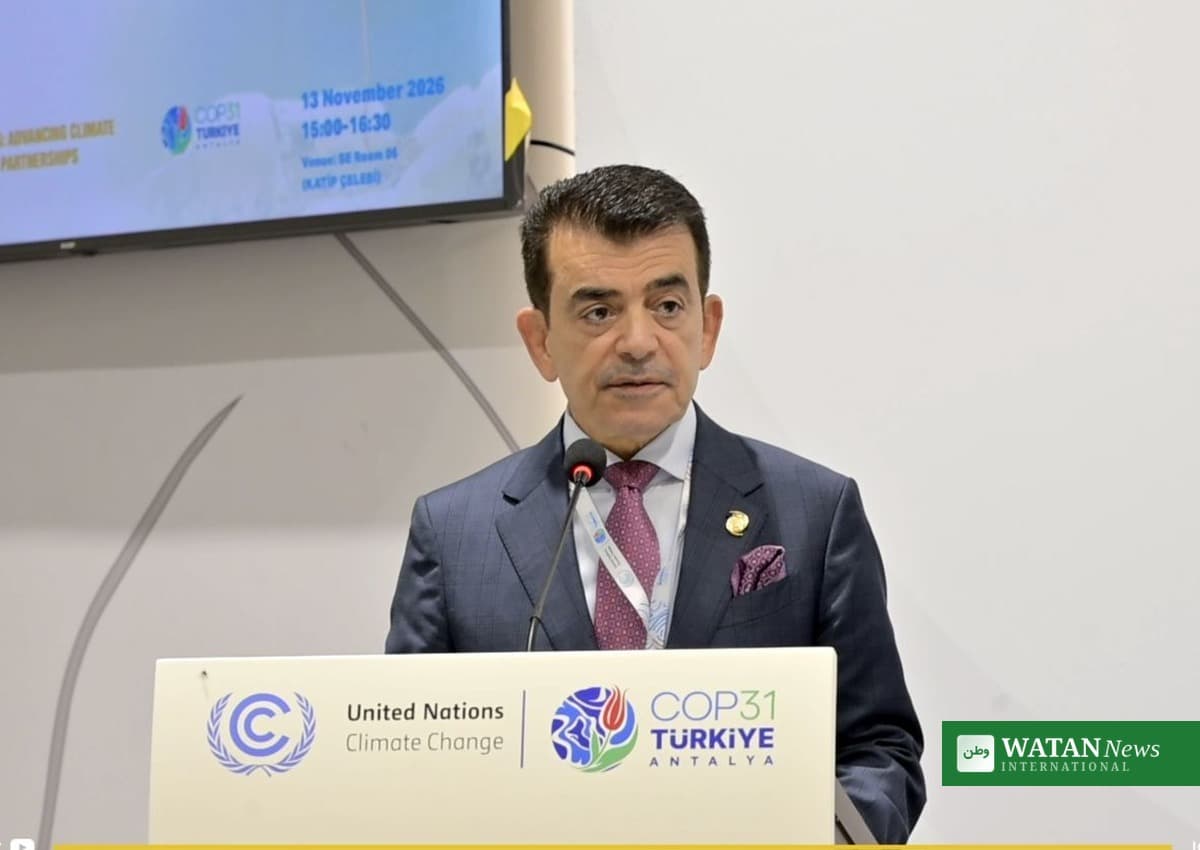
The informal meeting, held at the Convention Centre Dublin, was convened by European Council President António Costa and hosted by Irish Taoiseach Micheál Martin. Leaders heard from Arthur Mensch, chief executive of the French AI company Mistral AI, and Geoffrey Hinton, the Nobel Prize-winning computer scientist, before discussing the way forward over lunch.
FAKTA
- Event: Informal meeting of EU heads of state and government on artificial intelligence
- Date: Friday, 13 November 2026
- Venue: Convention Centre Dublin, Ireland
- Chair: European Council President António Costa, hosted by Taoiseach Micheál Martin
- Guest speakers: Arthur Mensch, chief executive of Mistral AI, and Geoffrey Hinton, Nobel laureate in computer science
- Main topics: AI competitiveness and sovereignty, investment, safeguards and fundamental rights
- Outcome: An informal meeting, with no formal conclusions expected to be adopted
What the Dublin AI Summit Will Decide
The morning session was split into two parts. Mensch led a discussion on Europe’s position in the global AI race, including reducing critical dependencies, building European capabilities and infrastructure underpinned by affordable clean energy, and spreading AI across industry. Hinton then addressed the wider impact of AI on society, security and trust.
Among the issues on the table were a plan for seven AI gigafactories, which faces disagreement over competitiveness spending in the EU’s 2028-2034 budget, as well as the protection of children, democratic processes, market concentration, cybersecurity and international cooperation on the safety of advanced AI.
Costa told leaders in his invitation letter that the pace of AI development warranted a first dedicated discussion at leaders’ level. The discussion follows the Dublin Declaration on Trustworthy, Safe and Sovereign Artificial Intelligence, adopted by telecoms and digital ministers on 14 October 2026.

Ukraine Dispute Overshadows the Agenda
Disagreements over who should represent the EU in negotiations to end Russia’s war against Ukraine also reached the agenda. German Chancellor Friedrich Merz defended cooperation through the E3 framework, involving Germany, France and the United Kingdom, while other leaders questioned the arrangement.
US envoys Jared Kushner and Steve Witkoff met Ukrainian President Volodymyr Zelenskyy in Dublin on Thursday evening, after travelling from discussions with Russian President Vladimir Putin in Moscow. Ukraine financing and the bloc’s budget are scheduled for discussion at a special European Council meeting on 26-27 November.
Two Days of Summits in Dublin
The AI meeting followed the ninth meeting of the European Political Community, held in Dublin on 12 November, which brought together around 48 to 50 European leaders and heads of European and international organisations. That gathering examined how to build a more competitive and secure Europe, with attention to innovation, connectivity, affordable energy and democratic resilience.
The informal meeting was due to finish by 4 p.m. local time, with a press conference by President Costa, Taoiseach Martin and European Commission President Ursula von der Leyen scheduled for 16:15. The European Commission will hold its Apply AI Summit in Brussels on 17 November.
Conclusion
The Dublin meeting marks the first time EU leaders have devoted a summit entirely to artificial intelligence, underlining how central the technology has become to Europe’s economic and security debate. With no formal decisions expected, its value lies in setting the direction for investment, regulation and cooperation that leaders are expected to return to in 2027.