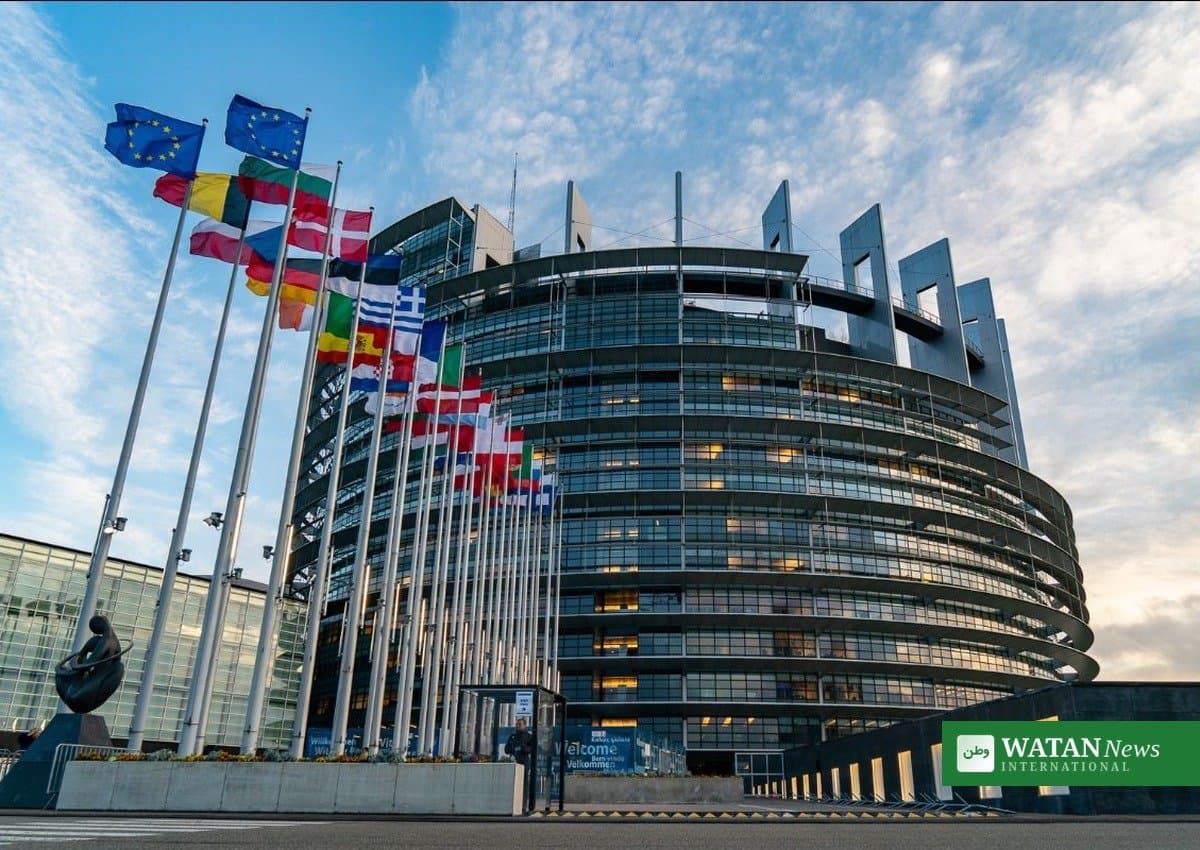
On 1 October 2026, the European Parliament’s Committee on the Environment, Climate and Food Safety adopted a draft resolution setting out the EU COP31 priorities for the Antalya climate summit, with 50 votes in favour, 16 against and 3 abstentions. The text urges all parties to advance the fossil-fuel transition roadmap agreed at COP30 and calls on the EU to lead the push for a fossil fuel non-proliferation treaty.
FAKTA
- Adopted 1 October 2026 by the Committee on the Environment, Climate and Food Safety: 50 in favour, 16 against, 3 abstentions.
- Urges all parties to advance the COP30 fossil-fuel transition roadmap; calls for EU leadership toward a fossil fuel non-proliferation treaty with time-bound fossil-fuel subsidy and production phase-out plans.
- Demands scaled-up grant-based climate finance with no double-counting toward the new collective quantified goal (NCQG); finance must not worsen the debt burden on vulnerable countries.
- Preliminary data cited: EU emissions rose 1% from 2024 to 2025, but the EU remains on course for net greenhouse gas cuts of around 54% by 2030 versus 1990 — if measures are fully implemented.
- Cites up to 3.6 billion people living in highly climate-vulnerable contexts; calls to triple adaptation finance by 2035, scale up finance for the loss-and-damage fund, and operationalise the COP30 just-transition mechanism.
- Status: committee draft only — formal adoption at the plenary session on 19–22 October; a 15-MEP delegation led by Lídia Pereira (EPP, Portugal) attends COP31 in Antalya on 16–20 November.
Fossil fuels in focus
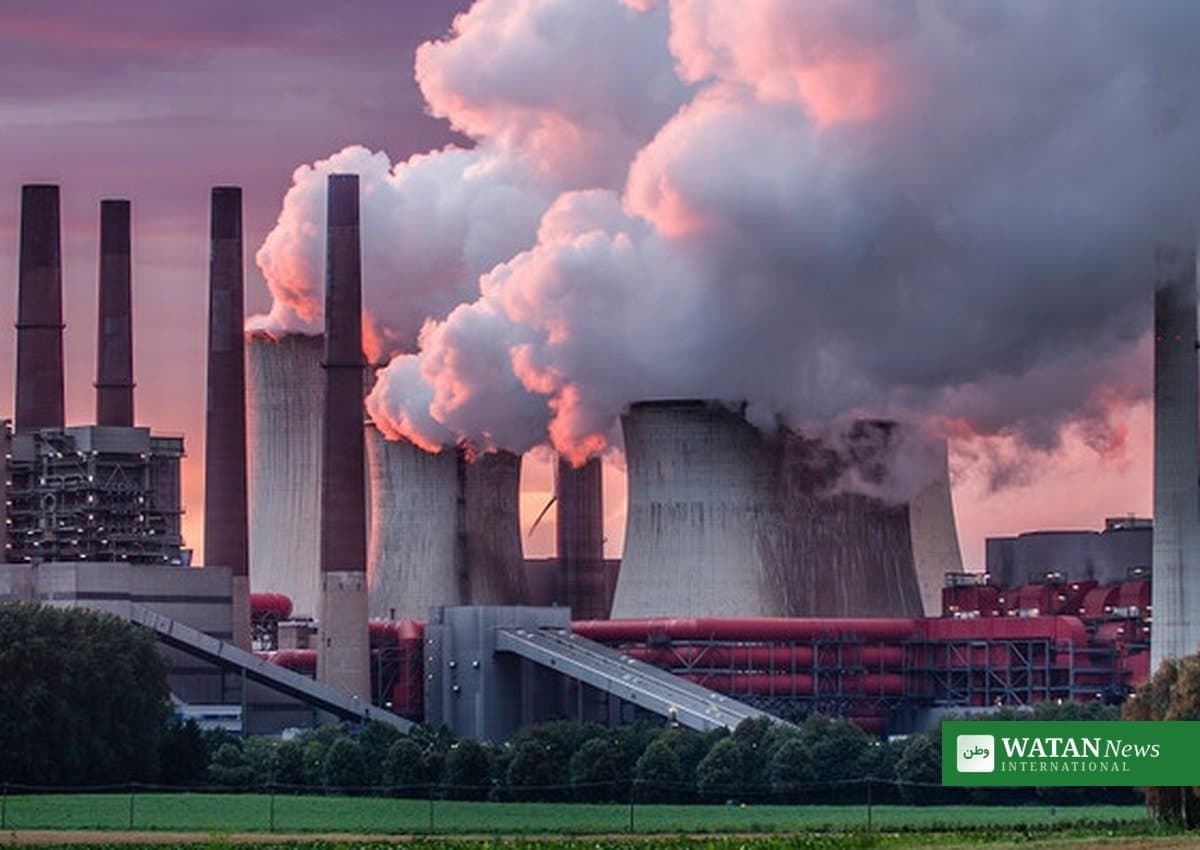
The committee wants the EU to champion a fossil fuel non-proliferation treaty backed by time-bound plans to phase out fossil-fuel subsidies and production. It also urges all parties to move forward with the COP30 transition roadmap — a signal that Parliament expects the Antalya summit to convert last year’s language into action.
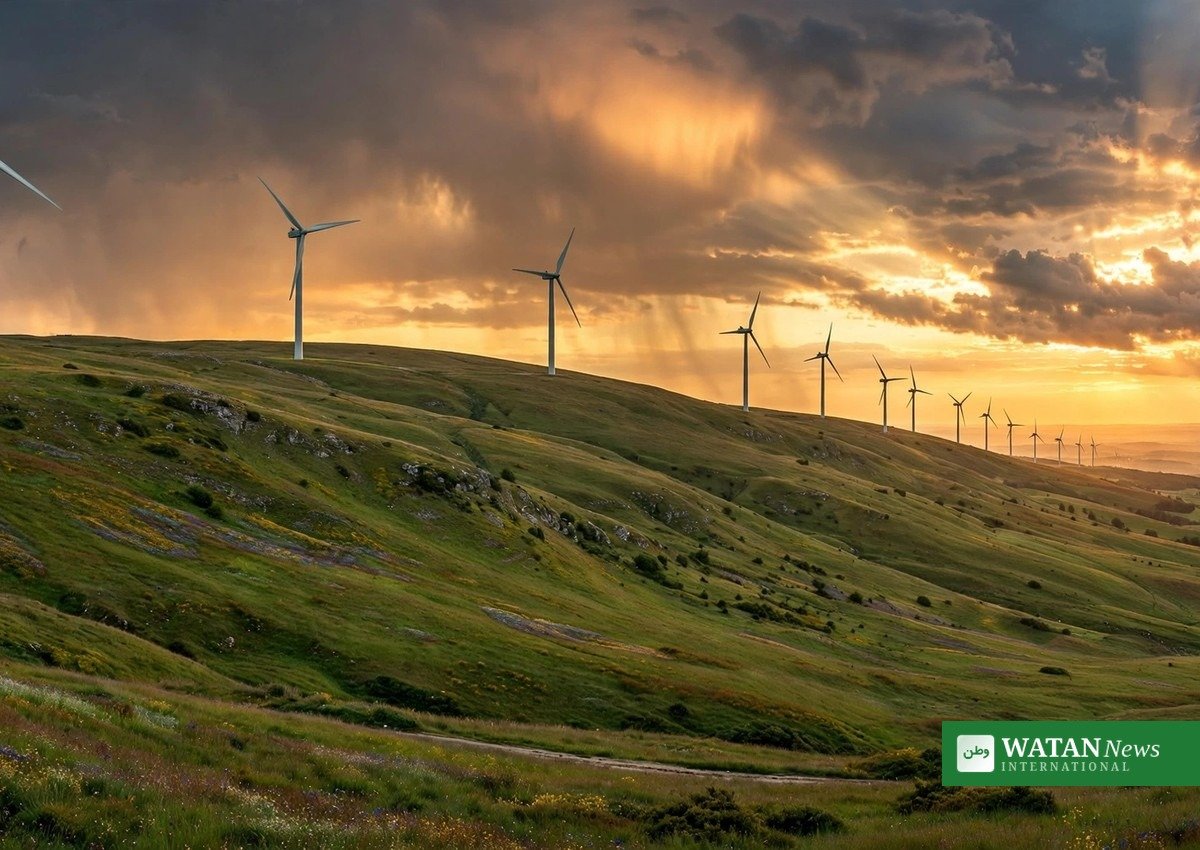
The emphasis reflects a hardening line: announcements alone are no longer treated as sufficient, and the draft frames the fossil-fuel phase-out as central to keeping the 1.5°C limit within reach. The text also links decarbonisation to the EU’s strategic autonomy, highlighting the vulnerabilities created by fossil-fuel dependence at a time of geopolitical instability.
Finance and adaptation
On finance, the draft demands scaled-up climate funding delivered as grants rather than loans, with no double-counting toward the new collective quantified goal on climate finance (NCQG). It calls for adaptation finance to be tripled by 2035 and for the just-transition mechanism agreed at COP30 to be made operational.
The resolution cites up to 3.6 billion people living in highly climate-vulnerable contexts — a figure meant to underline why adaptation funding cannot wait. It also calls for rapid, predictable finance for the fund for responding to loss and damage, and insists climate finance be structured so it does not worsen the debt burden on vulnerable countries, prioritising grants and debt-relief instruments.
Emissions data — and what happens next
The text cites preliminary data showing EU emissions rose 1% between 2024 and 2025, while maintaining that the EU remains on course for net greenhouse gas cuts of around 54% by 2030 compared with 1990 — provided agreed measures are fully implemented. The draft notes that 2025 was one of the hottest years on record and that Europe remains the fastest-warming continent.
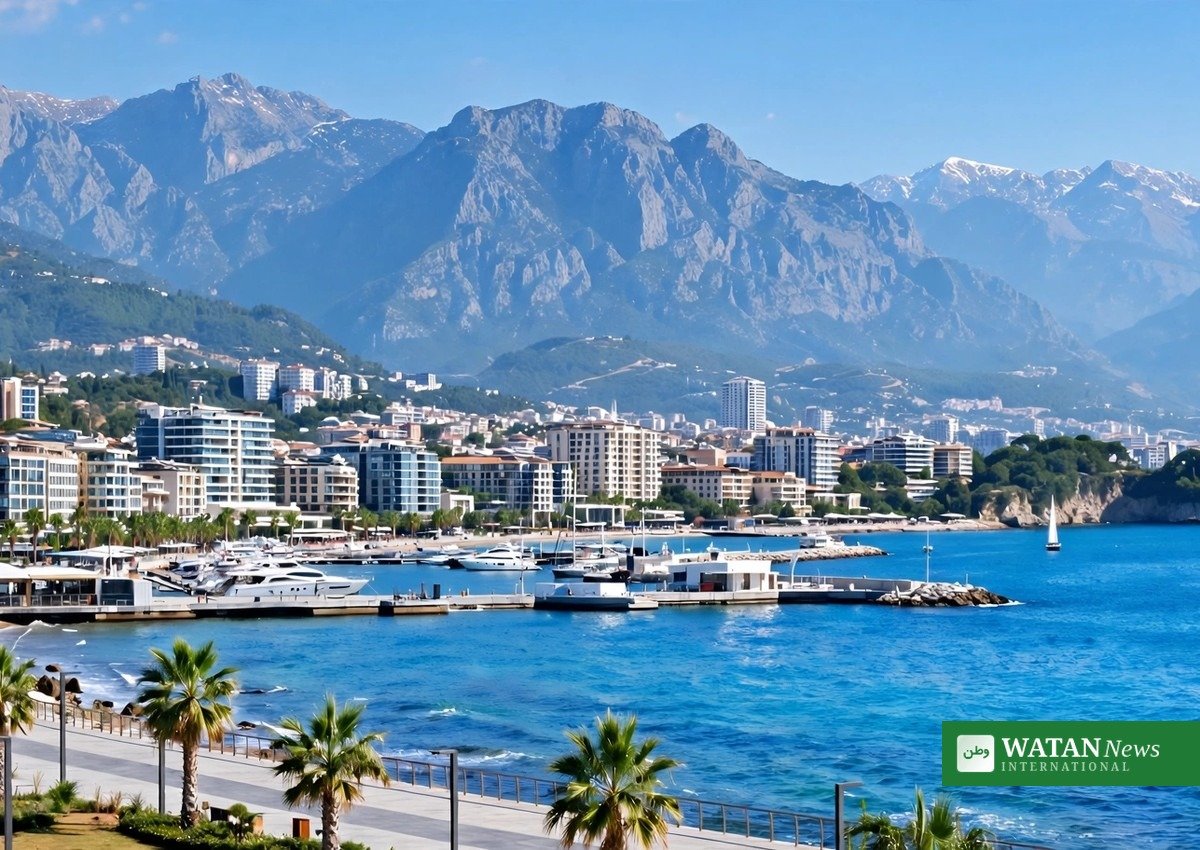
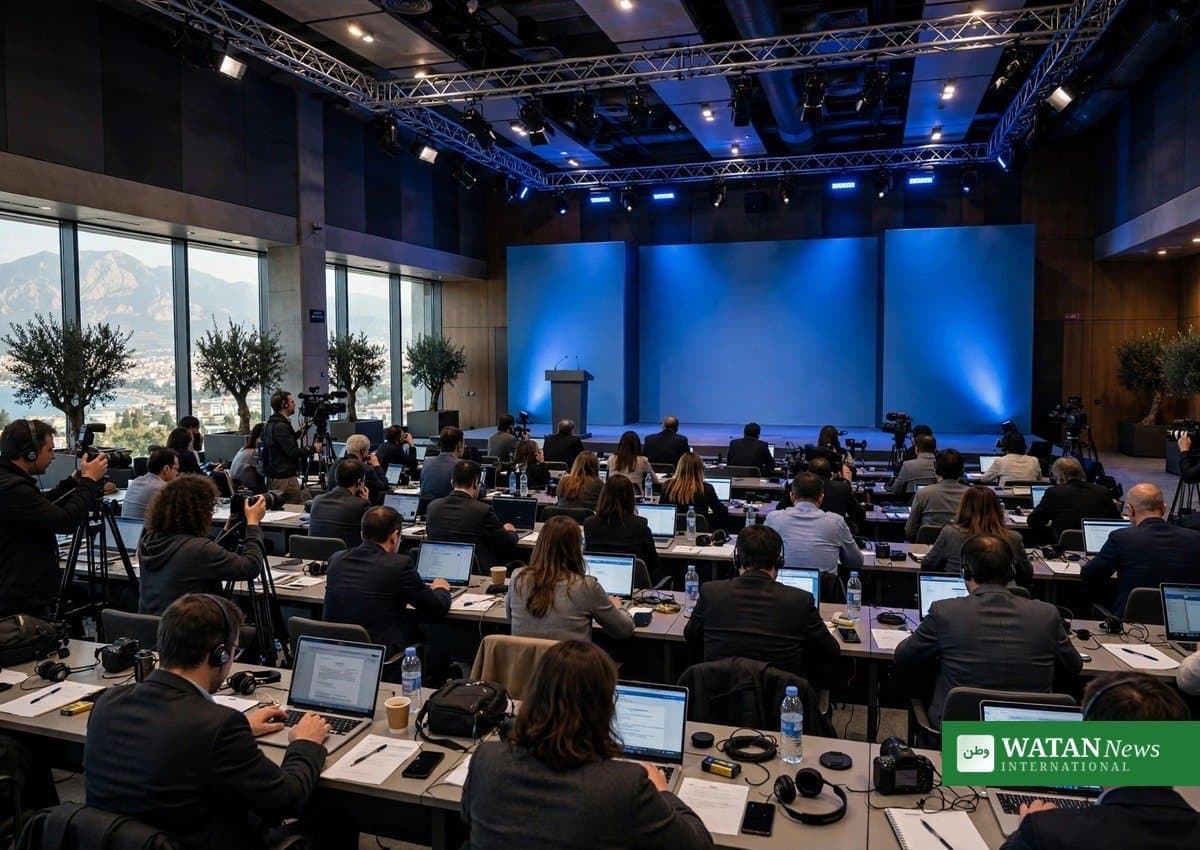
Crucially, this remains a committee draft, not Parliament’s final position: formal adoption comes at the plenary session on 19–22 October. A 15-member delegation led by Lídia Pereira (EPP, Portugal) will then carry Parliament’s mandate to COP31 in Antalya on 16–20 November, as detailed in the European Parliament’s press release.
Watan News will keep following the EU COP31 priorities as the plenary vote approaches — read this story on the main Watan News site.