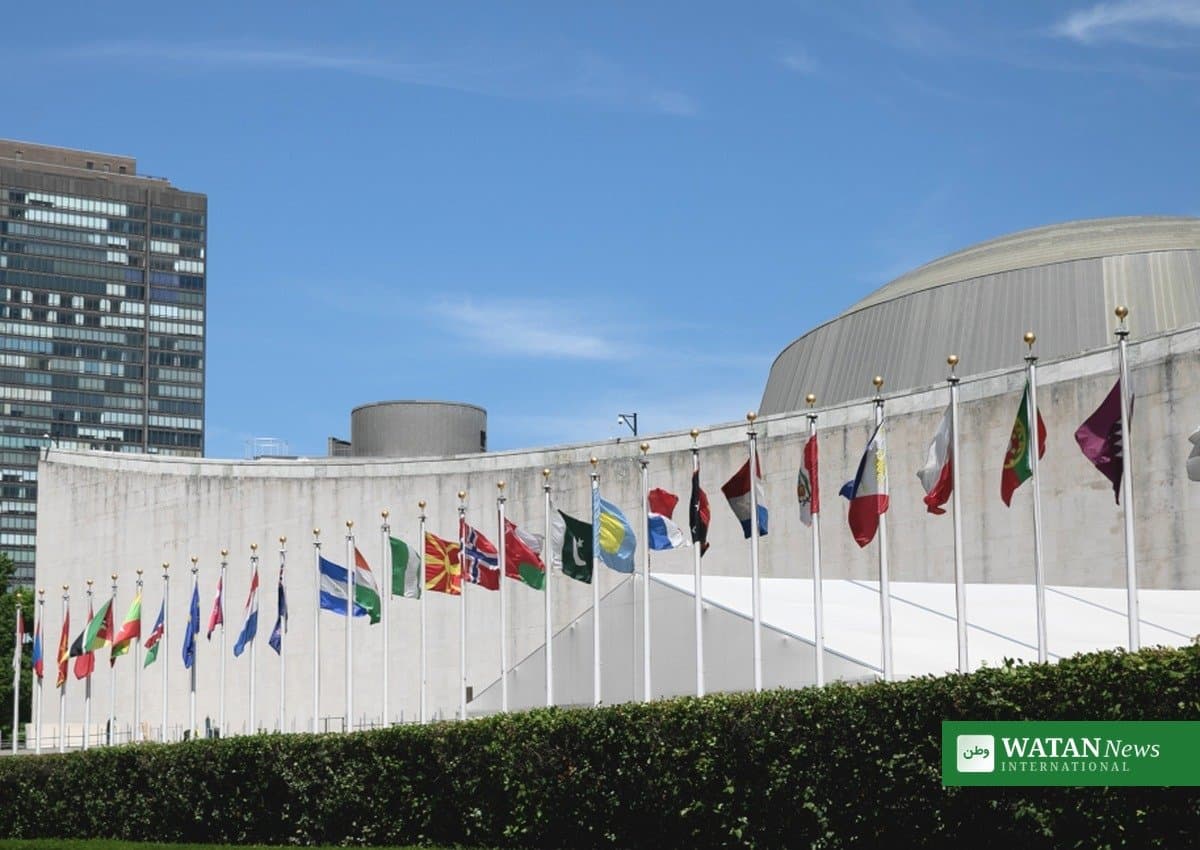
NEW YORK – Full gender equality remains 171 years away at the current rate of progress, and the institutions built to advance it are being systematically weakened, according to a new United Nations report released ahead of the 81st session of the UN General Assembly.
The Gender Snapshot 2026 report, published on 17 September by UN Women and the United Nations Department of Economic and Social Affairs (UN DESA), warns of a “deliberate political retreat from gender equality” that is reversing decades of gains — and finds that not a single target under Sustainable Development Goal 5 (gender equality) is on track to be met by 2030.
The report shows that where women hold real power, outcomes improve across every dimension of the 2030 Agenda — from peace to education, and from poverty to climate action. Yet the very machinery created to advance those outcomes is being hollowed out, precisely when the world cannot afford to go backwards.
FAKTA
The Gender Snapshot 2026 is the annual UN assessment of progress on gender equality across the Sustainable Development Goals, jointly produced by UN Women and UN DESA. Its headline findings:
| Indicator | Finding |
|---|---|
| Years to gender equality at current rates | 171 |
| Gender-equality institutions that lost institutional power in 2 years | 1 in 3 |
| Institutions hit by operating-budget cuts | Around 1 in 4 |
| Institutions that lost control of their budget | Nearly 1 in 10 |
| UN entities reporting weakened gender-equality efforts | 42% |
| Countries led by men | 6 in 7 |
| Women among global AI professionals | Around 22% |
A political retreat that is “measurable and compounding”
The report describes the retreat from gender equality as crosscutting, measurable and compounding. One in three institutional mechanisms for gender equality has had its institutional power eroded over the past two years. Around one in four have seen their operating budgets cut over the same period, and nearly one in ten have lost control of their budgets altogether.
Funding for gender equality has fallen to its lowest level since 2021, with funding for women’s rights organisations most affected, the report says. Meanwhile, amid the funding squeeze, 42 per cent of UN entities report a weakening of their gender-equality efforts.
Power remains starkly concentrated
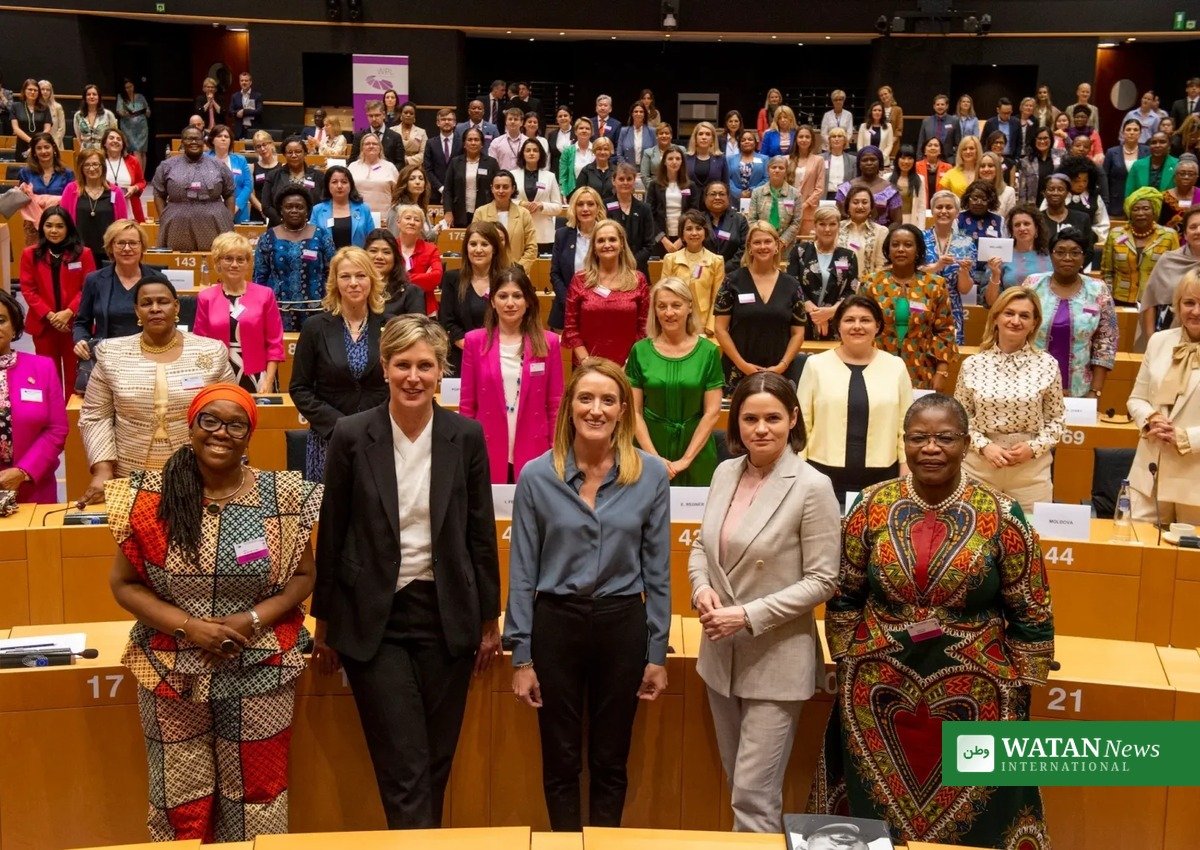
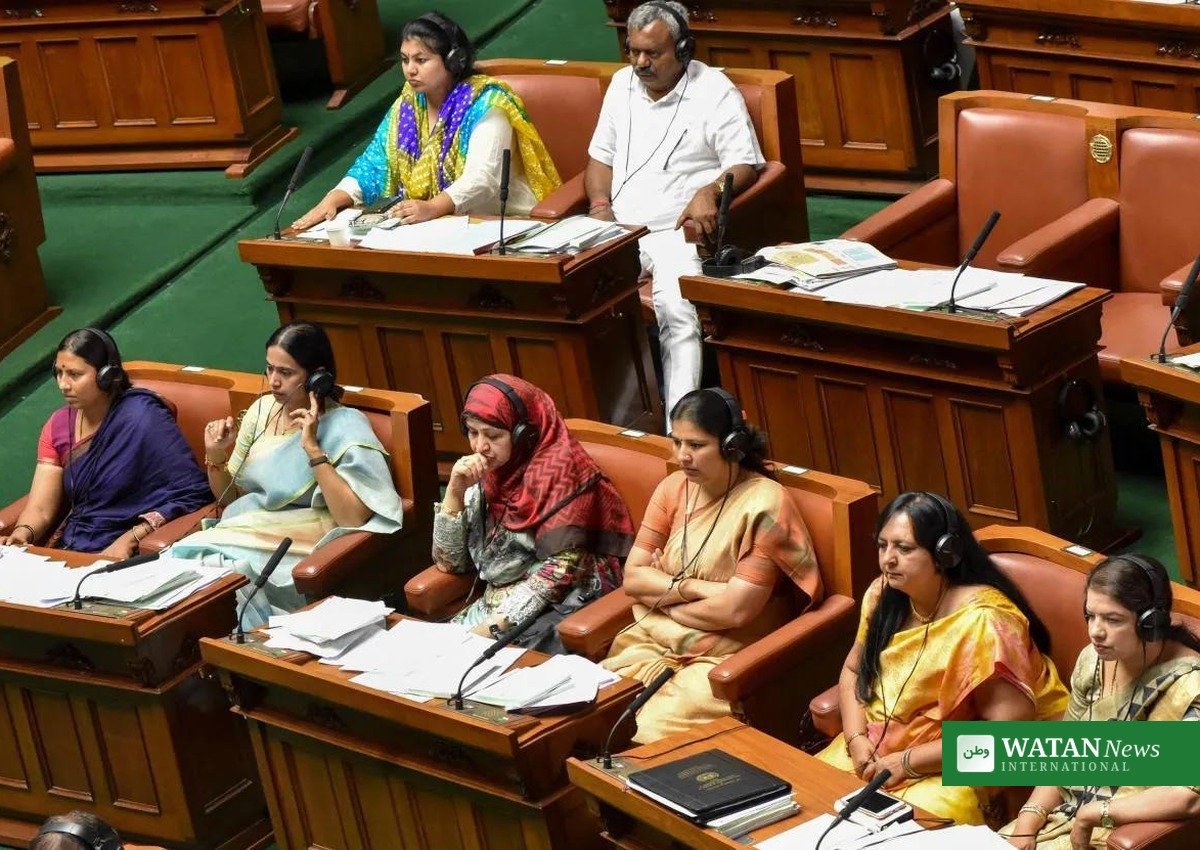
The concentration of political power remains stark: six in seven countries are led by men. Women continue to face systemic barriers at every stage, UN Women and UN DESA say.
The cost of running for office can exceed 100 times a country’s average per-capita income, excluding many women before the race even begins. In some countries, as many as eight in ten women running for office face violence in public life. And when women do reach cabinet, they are still disproportionately steered away from the portfolios that command the highest security and economic power: close to nine in ten defence ministers and more than eight in ten finance ministers are men.
Women and the AI economy
The 2026 edition also turns a spotlight on artificial intelligence. According to the report, women account for only around 22 per cent of AI professionals globally and hold fewer than 14 per cent of senior leadership positions. Women are also around 20 per cent less likely than men to use generative AI tools.
“The future of AI cannot be built by half the world’s talent,” said Sarah Hendriks, Director of Policy, Programme and Intergovernmental Support at UN Women. “If women are excluded, the inequalities of today risk becoming embedded in the systems of tomorrow.”
AI is also increasing the scale, speed and severity of technology-facilitated violence against women and girls: a UN Women study showed that almost one in four incidents of online violence against women human rights defenders, activists and journalists involved the use of AI. According to the International Labour Organization, occupations dominated by women are almost twice as likely to be exposed to generative AI as those dominated by men.
Climate, poverty and care work
The report links gender inequality to climate vulnerability: 2.9 billion women and girls reside in countries highly exposed to climate and geophysical hazards, limiting their capacity to absorb environmental shocks, particularly as funding gaps widen.
In 2024, 9.9 per cent of women lived in extreme poverty compared with 9.5 per cent of men. Women also spend 2.5 times as many hours on unpaid domestic and care work as their male counterparts — a gap that constrains their economic independence and recovery from crises.
Conclusion: parity pays, but institutions are being emptied
The report’s core message is a paradox: the evidence that women’s leadership improves outcomes has never been stronger, yet the institutions charged with advancing it have never been more hollowed out. UN Women and UN DESA call for equal power for women everywhere — urging governments to reverse the defunding of gender-equality machinery, guarantee women’s equal share of political power, and dismantle the violence and financial barriers that keep women out of public life.
With the 2030 deadline for the Sustainable Development Goals less than four years away, the Snapshot’s verdict is blunt: no SDG 5 indicator is currently on track, and at the present pace the world will wait 171 years for equality. For more on global development and society news, visit Watan News International.