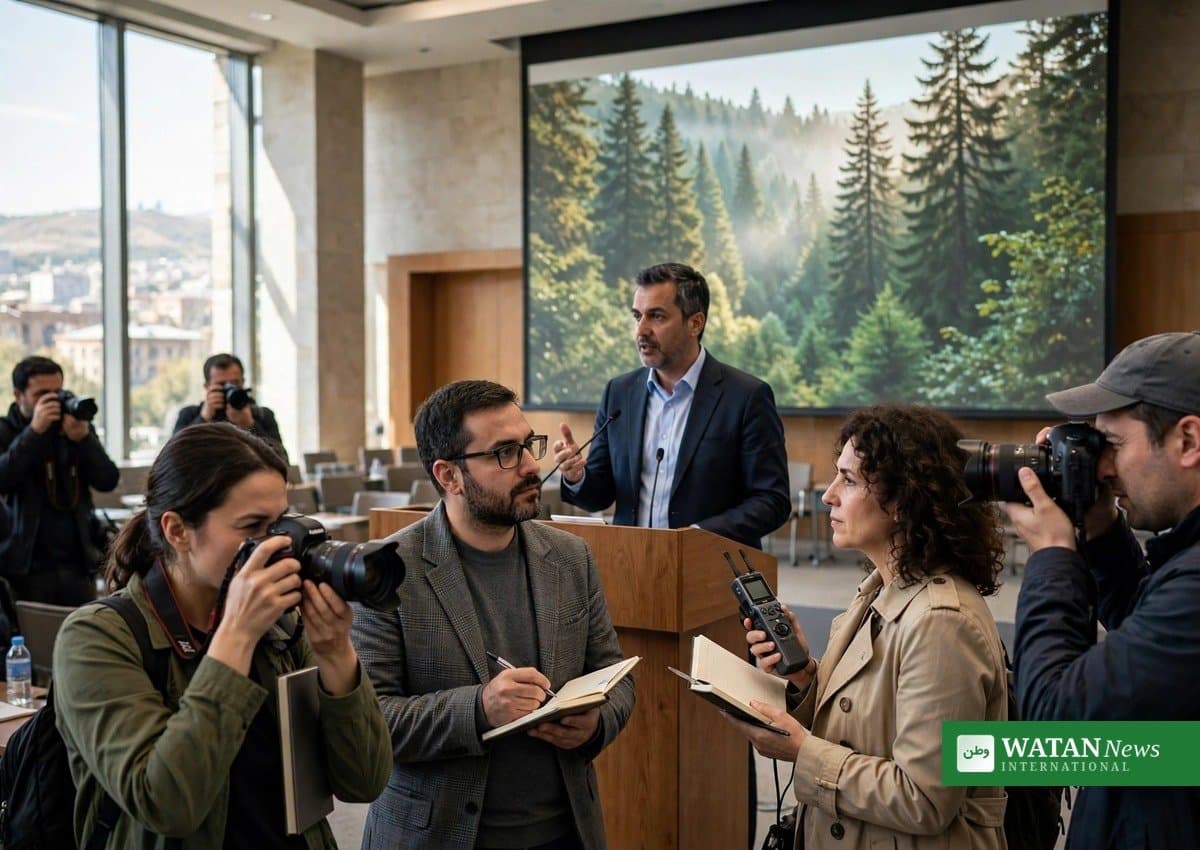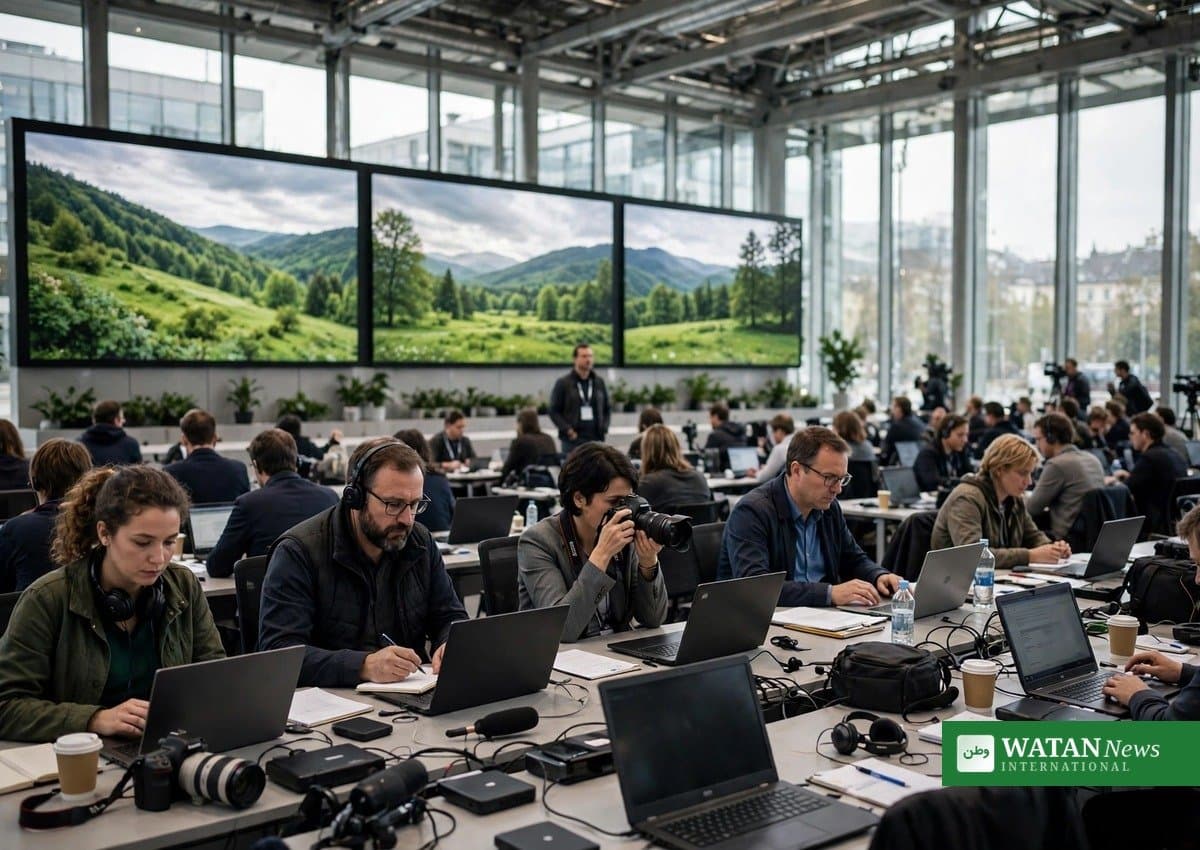
Vienna, Austria — Sustainable business travel is becoming more embedded in how large companies manage their travel programmes, but progress remains slow and uneven, according to the GBTA Foundation’s 2026 Sustainability Acceleration Challenge, unveiled in Vienna on 2 November 2026. The benchmark, based on data submitted by 204 companies across 28 countries, puts the average travel programme maturity score at 1.5 out of 5 in 2026, up from 1.4 in 2025 and 1.3 in 2024.
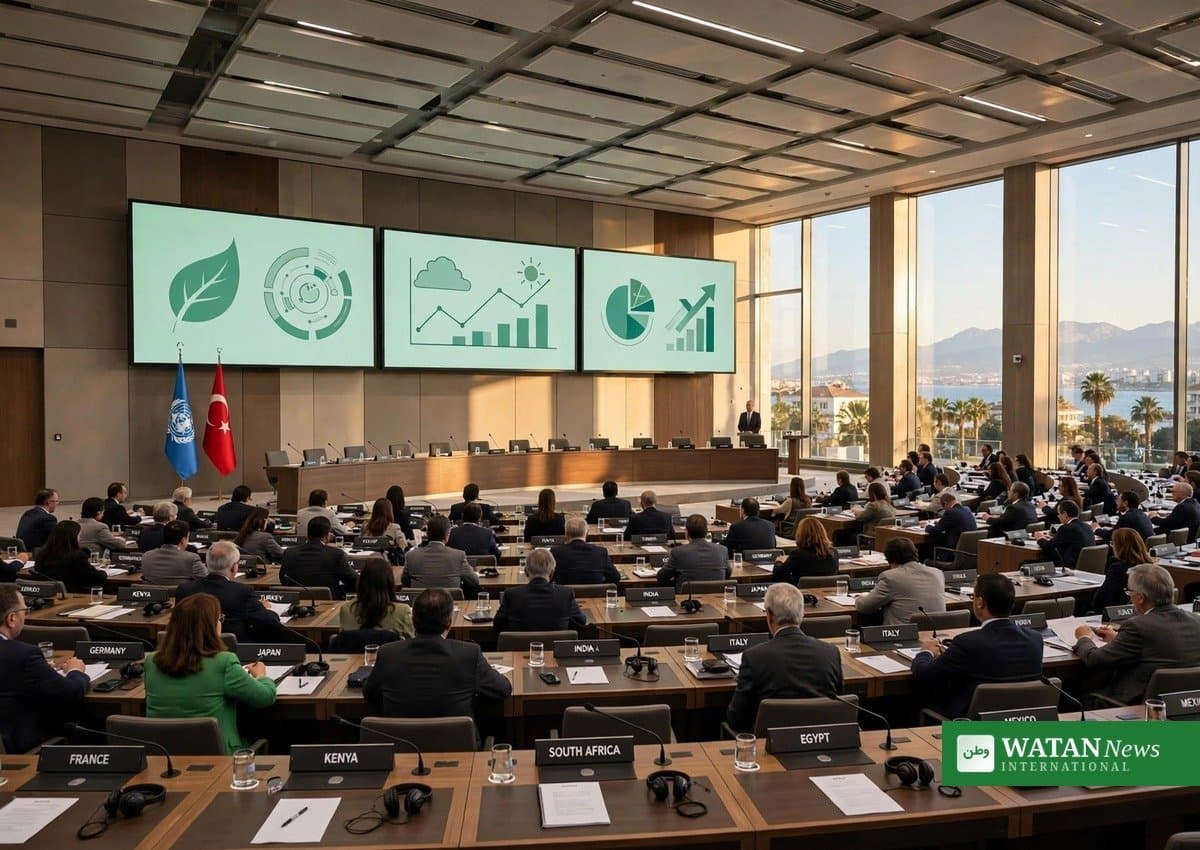
On the Challenge’s scale, from no action to leading practice, that is a third consecutive year of incremental improvement. The results were announced at the GBTA Sustainability Summit, held under the theme “From Strategy to Scale” alongside the GBTA + VDR + ABTA Conference 2026 in Vienna from 2 to 4 November. Since the Challenge launched in 2024, a total of 540 unique companies have taken part, representing more than $36 billion in combined business travel spending.
Where sustainable business travel improved
Progress was strongest in sustainable procurement and decarbonisation, including purchases of sustainable aviation fuel (SAF). The sustainable procurement score rose from 1.5 to 1.6: more companies now select suppliers using climate criteria, up from 38 per cent to 41 per cent, and more embed sustainability requirements in contracts, up from 32 per cent to 39 per cent.
The decarbonisation score rose from 0.7 to 0.8. Investment in SAF rose from 20 per cent to 22 per cent of participating companies, inclusion of electric vehicles in 2030 planning rose from 31 per cent to 33 per cent, and carbon compensation initiatives rose from 25 per cent to 32 per cent. The Foundation notes that the official recognition of SAF certificates as a valid mechanism for addressing business travel emissions, which happened in June 2026, is expected to further encourage corporate investment in SAF.

Where progress stalled
Two areas were broadly flat. Emissions tracking, target-setting and reporting stayed at 2.3, and sustainable travel decision-making stayed at 1.3. Travel emissions tracking remained at 71 per cent of companies and target-setting at 25 per cent, while validation of Scope 3 targets by the Science Based Targets initiative rose from 29 per cent to 33 per cent.
The share of companies embedding sustainability in their travel policies edged up from 60 per cent to 62 per cent, and employee engagement rose from 39 per cent to 41 per cent, but use of sustainability features in booking tools was unchanged at 60 per cent. The findings suggest that companies with established climate commitments are pursuing greater rigour, while tools designed to support greener booking decisions have yet to reach broader adoption.
Asia Pacific leads, Europe rebounds, Americas slip back
Asia Pacific recorded the strongest regional gain, rising from 1.3 to 2.1, driven by broader adoption of emissions tracking, target-setting and reporting, sustainable procurement, sustainable travel behaviour and decarbonisation investment. Europe rebounded from 1.4 to 1.7, with stronger tracking and procurement scores against a backdrop of continued regulatory and corporate focus on emissions measurement.
The Americas lost ground overall, falling from 0.9 to 0.7, driven mainly by a fall in emissions tracking, target-setting and reporting from 1.5 to 0.9, even though decarbonisation investment there improved from 0.3 to 0.4. The Foundation said the results come amid a more uneven policy and corporate environment for sustainability in the region, but that continued decarbonisation investment shows action has not stopped.
Scale is the next challenge
“Three consecutive years of progress show that sustainable business travel is becoming more embedded in how companies manage their programs, even in a difficult operating environment,” said Delphine Millot, Senior Vice President for Advocacy and Sustainability and Managing Director of the GBTA Foundation. “But incremental progress isn’t enough. The next challenge is to scale the solutions that can deliver measurable emissions reductions, from procurement and traveler choices to sustainable aviation fuel.”
The Foundation also announced its 2026 Sustainability Acceleration Award recipients and 30 leaderboard companies. PwC India was named Global Sustainability Leader, with regional leaders PwC in Asia Pacific, BDO in Europe and the University of California in North America. Sopra Steria SE was named Transformational Impact Leader and The Lumiere Consultancy was named Emerging Sustainability Leader. These are programme maturity scores reported by the companies themselves, not measured totals of emissions avoided, and the benchmark should be read as a picture of management practice rather than a carbon account.
Key facts
- Benchmark: GBTA Foundation 2026 Sustainability Acceleration Challenge, unveiled in Vienna on 2 November 2026
- Sample: 204 companies across 28 countries; 540 unique companies since launch in 2024, representing more than $36 billion in business travel spending
- Average maturity score: 1.5 out of 5 in 2026, up from 1.4 in 2025 and 1.3 in 2024
- Strongest gains: sustainable procurement (1.5 to 1.6) and decarbonisation (0.7 to 0.8), including SAF investment up from 20 per cent to 22 per cent
- Flat areas: emissions tracking, target-setting and reporting (2.3) and sustainable travel decision-making (1.3)
- Regions: Asia Pacific 1.3 to 2.1, Europe 1.4 to 1.7, Americas 0.9 to 0.7
- Next step: a GBTA Sustainability Stage in Asia Pacific for the first time, at the GBTA APAC Conference in Singapore on 1–2 June 2027
Read more of Watan News International’s climate coverage.