Mesa, Arizona — The City of Mesa has awarded $40,000 in grants to 11 youth-led sustainability projects through the Mesa Youth Climate Action Fund, in the programme’s third year. The 2026 recipients, announced on 2 November 2026, come from five Mesa high schools, universities and community groups, and their projects focus on water stewardship, heat mitigation and materials management.
All projects are expected to be completed by 31 March 2027. The fund, supported by Bloomberg Philanthropies as part of its Youth Climate Action Fund, which has now expanded to 300 cities worldwide, helps young people aged 15 to 24 turn their own ideas into projects that promote conservation, sustainability and community resilience. Project teams of two or more were eligible to apply, provided the project directly benefits the Mesa community, and all applications went through a rigorous review process.
“Young people bring fresh perspectives, creative ideas and a passion for making a difference. Through the Mesa Youth Climate Action Fund, we’re helping the next generation to turn that passion into meaningful projects that promote conservation, sustainability and community resilience in Mesa,” said Mesa Mayor Mark Freeman.
What the 11 Mesa youth projects will do
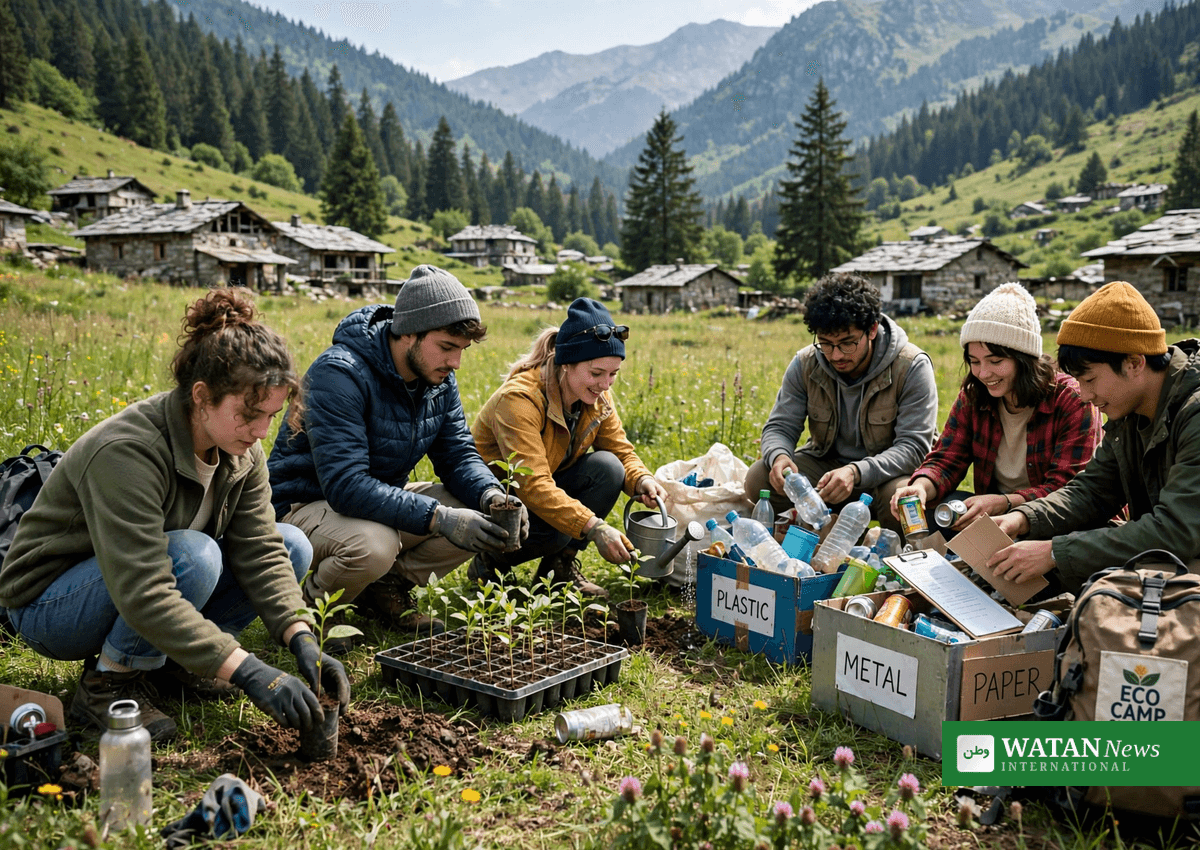
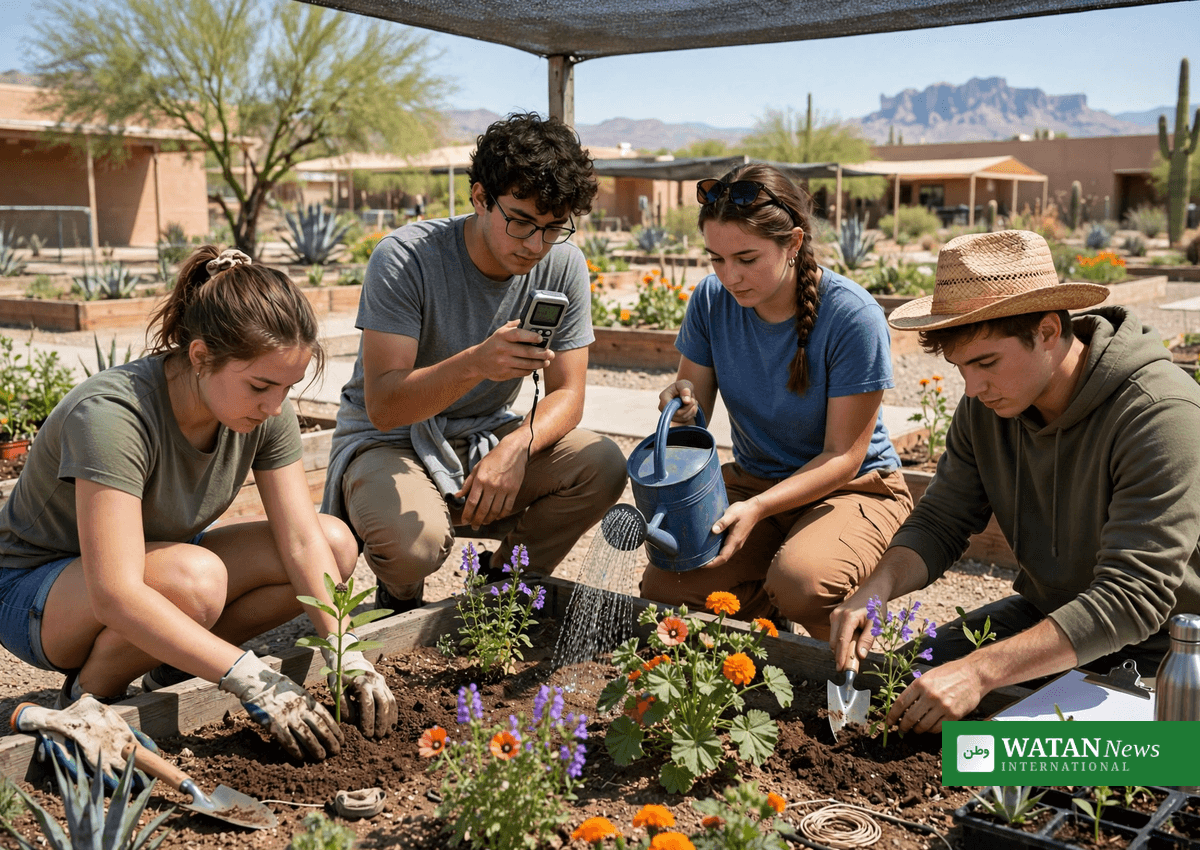
The funded projects tackle everyday climate pressures in a desert city: saving water, cooling hot spaces, cutting single-use plastic, tracking air quality and protecting pollinators.
- Circle of Waste (Greenlight Solutions): providing zero-waste services at a Mesa event to raise awareness of proper waste disposal.
- Common Ground (Benedictine University): creating a peaceful reflection garden emphasising water conservation and pollinator-friendly plants.
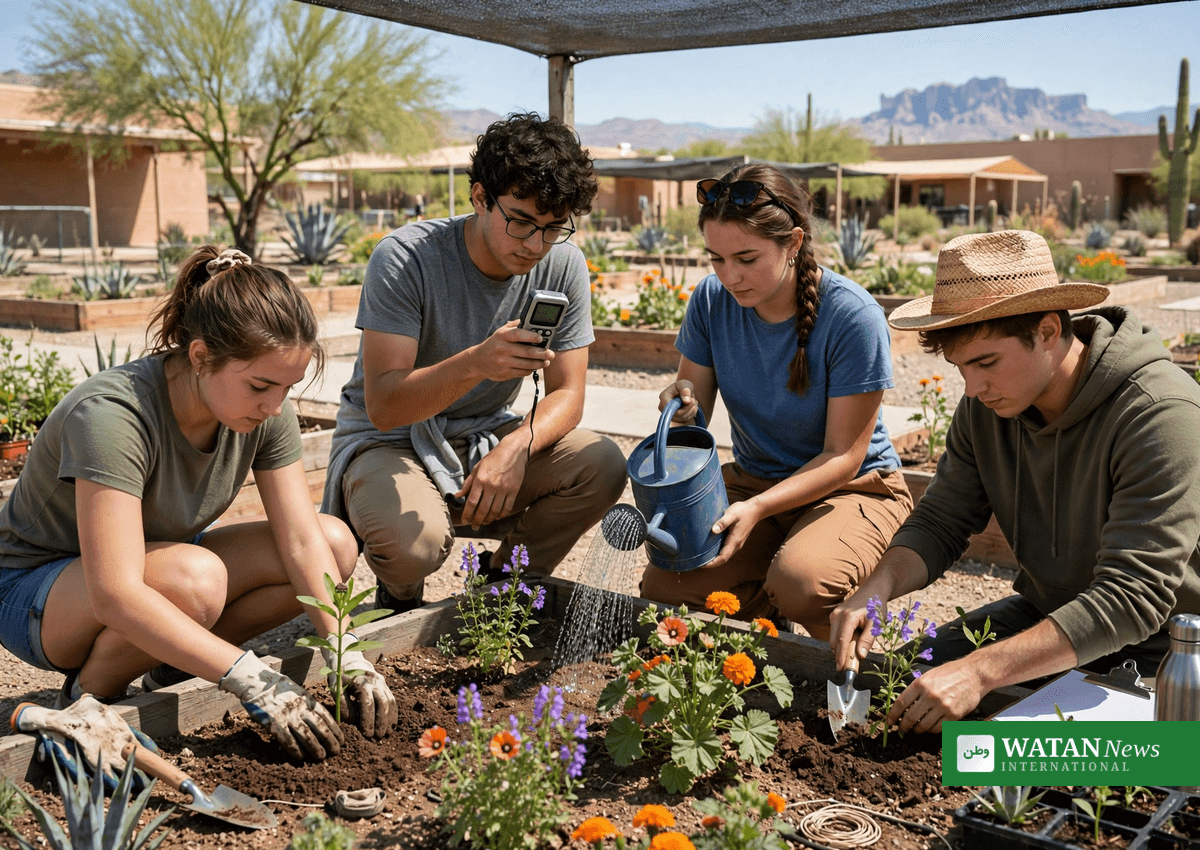
- Desert Blooms (Mesa Community College): investigating which drought-adapted pollinator plants can maintain growth and support biodiversity with reduced irrigation demand.
- From Waste to Food (Arizona State University and Mendoza Elementary): connecting outdoor gardening with an indoor hydroponic growing system, adding shade to protect outdoor plants during extreme heat, and a food scrap recovery system.
- Make Way for Monarchs (Dobson High School): creating a Monarch Waystation with native plants and an art installation, including ceramic and welded art pieces, for an educational component.
- Poly-Nation Biology: Students Study Mesa’s Pollinators (Arizona State University Polytechnic Campus): researching which garden layout and plant groupings best promote Monarch butterfly success and benefit a diverse pollinator community.
- Skyline Garden Refresh (Skyline High School): creating a food waste system by implementing a bin system in the cafeteria to separate compostable food and other waste and using the compost in the school garden.
- The Solar Canopy Effect (Mountain View High School): researching whether solar panels above bodies of water reduce water evaporation rates and improve solar panel efficiency by measuring energy output.
- Urban Shade Island (Mountain View High School): mitigating heat on the main patio by creating a gazebo, adding native plants, and using sensors to measure how green space reduces area temperatures.
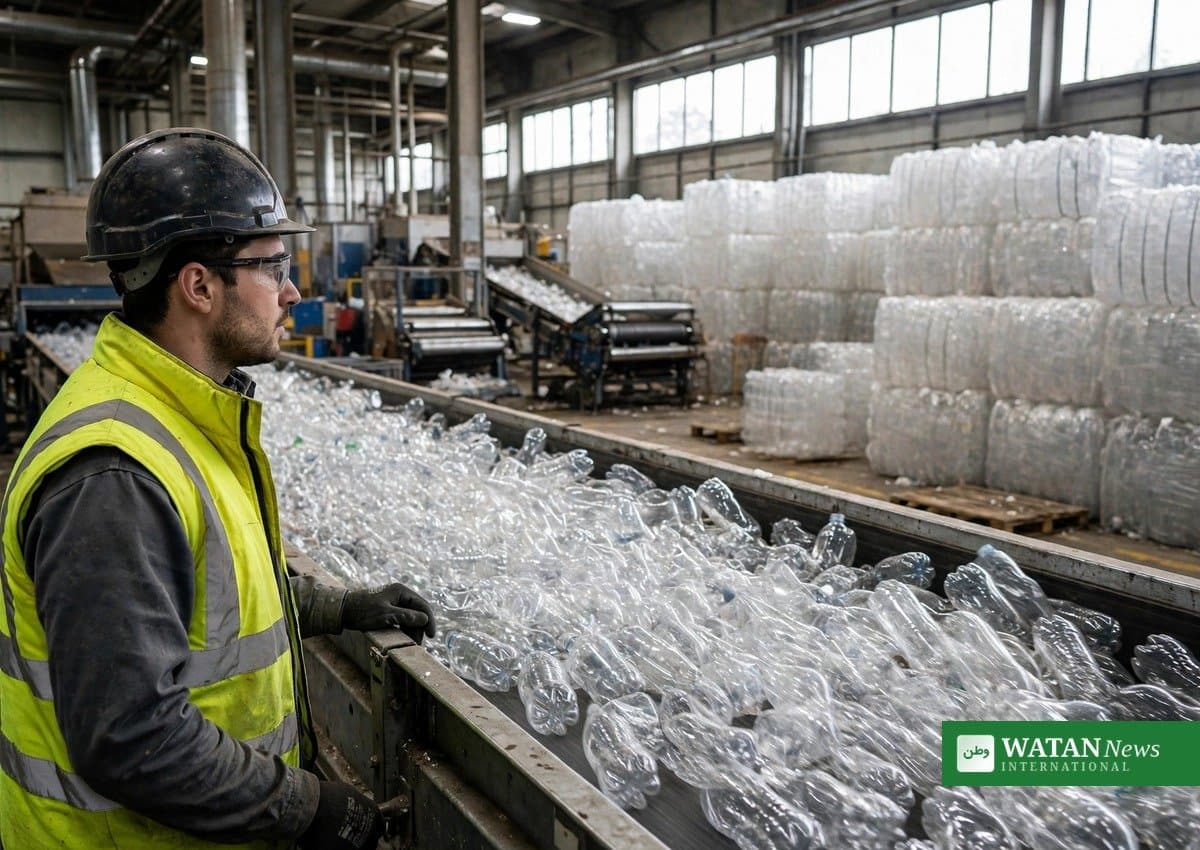
- Water for Mesa High (Mesa High School): reducing single-use plastic waste on campus through a three-part strategy: repairing broken water bottle refill stations, installing student-led climate murals around the stations, and distributing reusable water bottles alongside dedicated recycling bins.
- Westwood Air Quality Improvement Project (Westwood High School): installing four air quality monitors to study air pollution in different areas of the campus, establishing a data set to be used to propose changes to improve air quality for students, teachers and staff.
Why youth-led funding matters in Mesa
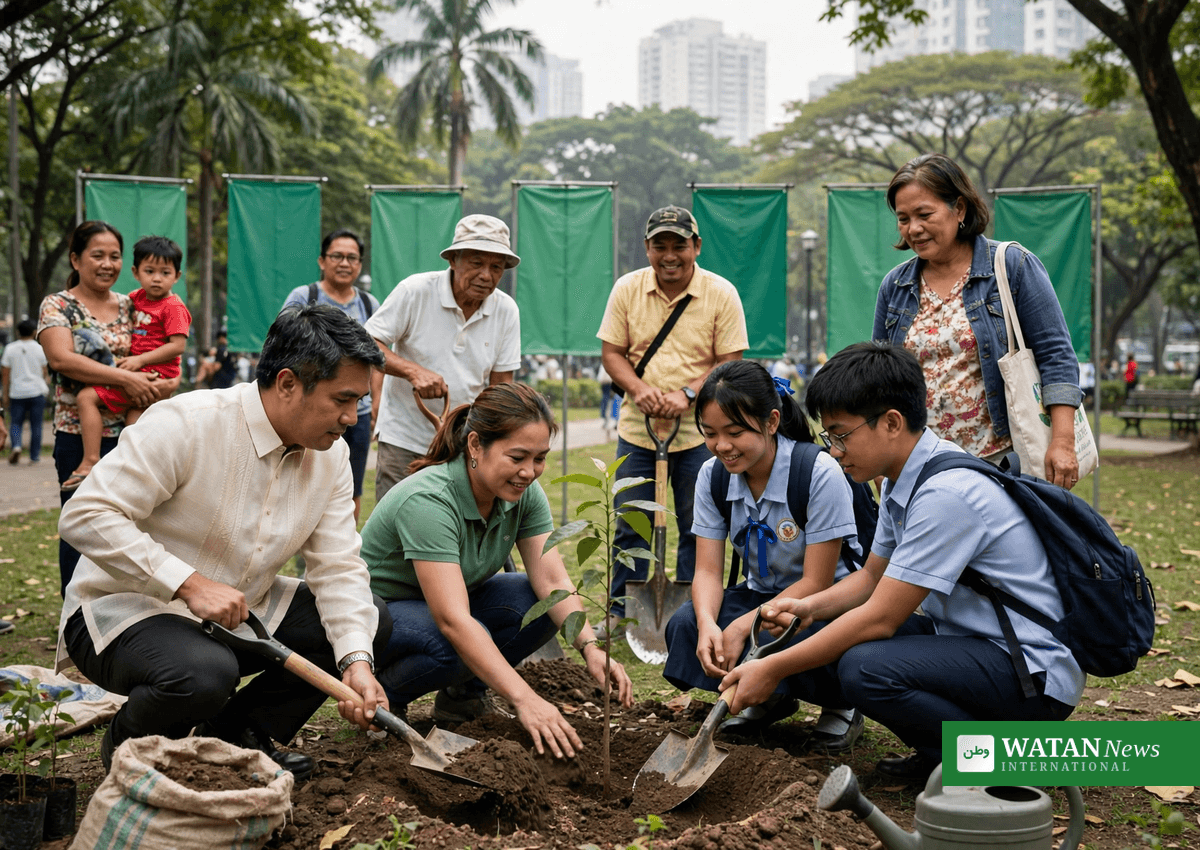
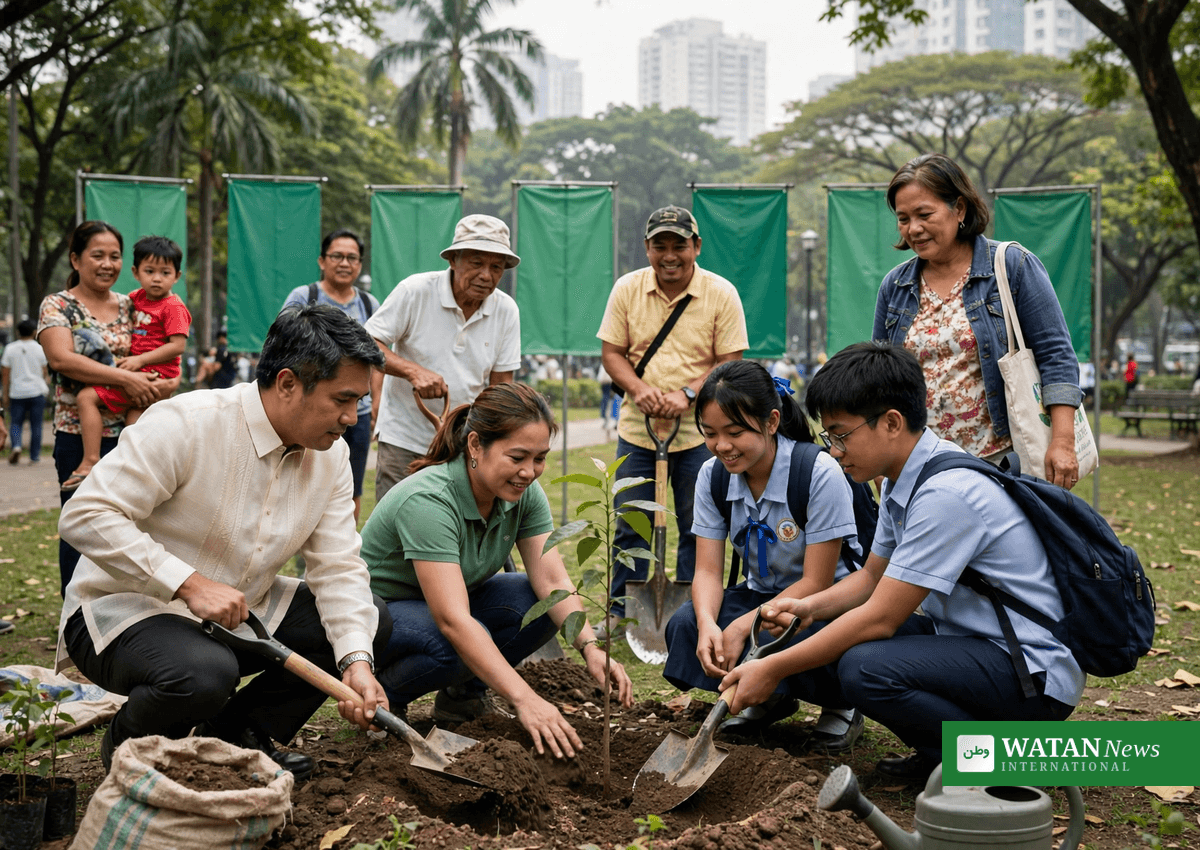
Mesa’s approach puts the design and leadership of projects in young people’s hands, rather than asking them only to take part in adult-led programmes. The eligible age range, 15 to 24, covers high school students, college students and young community members, and the requirement for teams of at least two people encourages collaboration from the start.
The themes also match the city’s own climate pressures. In a desert city, water stewardship and heat mitigation are not abstract concerns: shade, irrigation, evaporation and outdoor temperatures shape daily life in schools and neighbourhoods. By funding small, testable projects — a garden layout trial, a shade experiment, a refill-station repair — the fund gives young people evidence they can show their schools and communities, and a deadline, 31 March 2027, by which that evidence must be ready.
The wider Bloomberg Philanthropies Youth Climate Action Fund, which supports the Mesa fund, has grown to 300 cities worldwide, helping young people develop and lead projects addressing local sustainability challenges. Mesa’s third year of awards shows that model working at neighbourhood scale: school gardens, campus air monitors and pollinator plots, each led by the young people who will live with the results.
Key facts
- Grants: $40,000 awarded to 11 youth-led sustainability projects in Mesa, Arizona
- Programme: Mesa Youth Climate Action Fund, now in its third year, supported by Bloomberg Philanthropies as part of its Youth Climate Action Fund
- Announced: 2 November 2026; all projects expected to be completed by 31 March 2027
- Recipients: five Mesa high schools, universities and community groups
- Focus areas: water stewardship, heat mitigation and materials management
- Eligibility: teams of two or more, aged 15 to 24, with a project directly benefiting the Mesa community
- Global context: the Bloomberg Philanthropies Youth Climate Action Fund has expanded to 300 cities worldwide
Read more of Watan News International’s climate coverage.