Iran executes two Isfahan protesters convicted over the killing of four police officers during protests in the central city of Isfahan in January, the semi-official Fars news agency reported on Tuesday, 3 November 2026.
Amirhossein Maleki and Amirhossein Ebrahimi were sentenced to death for their alleged role in the killing of security forces on 8 January 2026, and their sentences were upheld by the Supreme Court, Fars said, according to Reuters.
FAKTA: Iran Executes Two Isfahan Protesters
- Who: Amirhossein Maleki and Amirhossein Ebrahimi, two men convicted over the 8 January 2026 killings in Isfahan.
- What happened: Both men were executed on Tuesday, 3 November 2026, Fars reported.
- The case: The deaths of four police officers during protests at Shahid Alikhani Square in Isfahan on 8 January 2026.
- Legal course: Death sentences were upheld by Iran’s Supreme Court, according to Fars.
- Context: The two men were among a group of defendants sentenced to death over the same Isfahan events; rights groups say the trials were unfair, a claim Iranian authorities dispute.
What Fars Reported
Fars, a semi-official Iranian news agency, reported on Tuesday that the two executions had been carried out. Reuters reported the Fars account, which said the men were convicted for their alleged role in the killing of four police officers in Isfahan during the January protests.
The report did not give further details about where or how the executions were carried out, and no statement from the men’s families or lawyers was included in the accounts read for this story.
The Alikhani Square Case
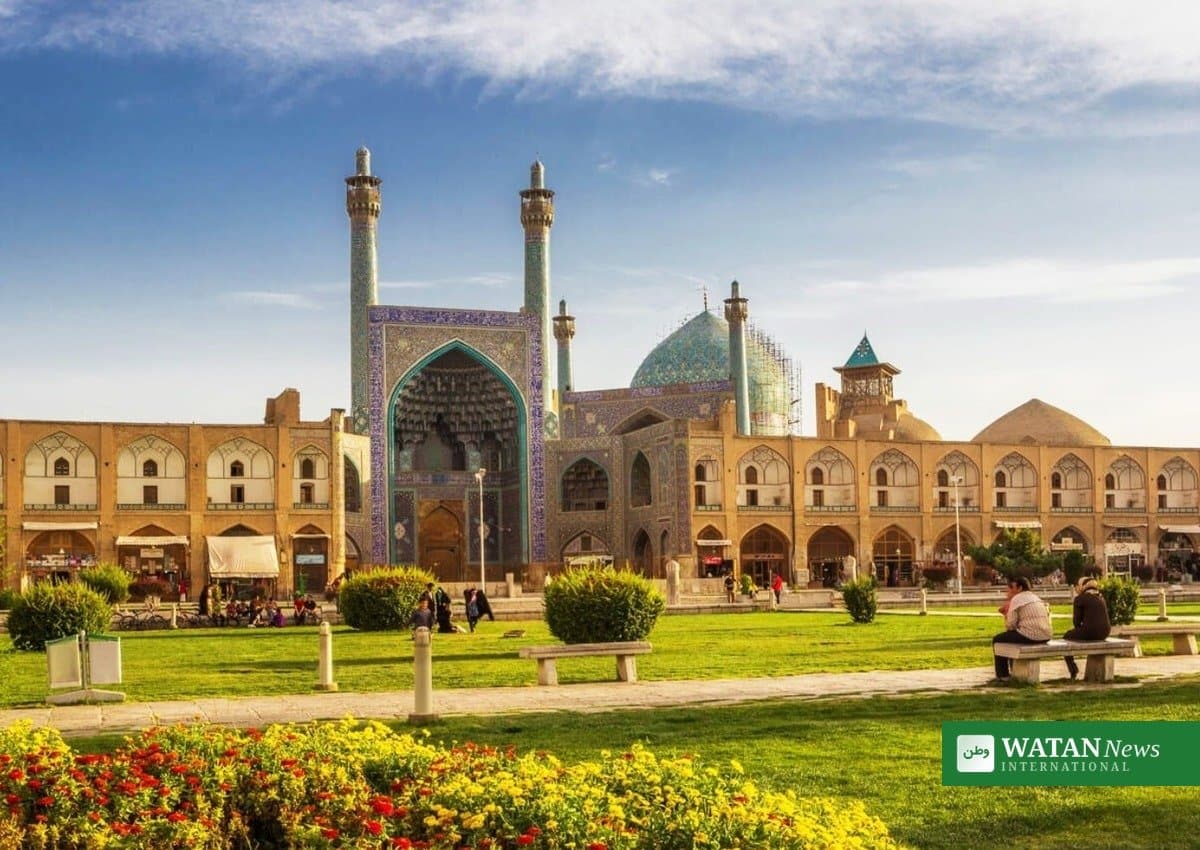
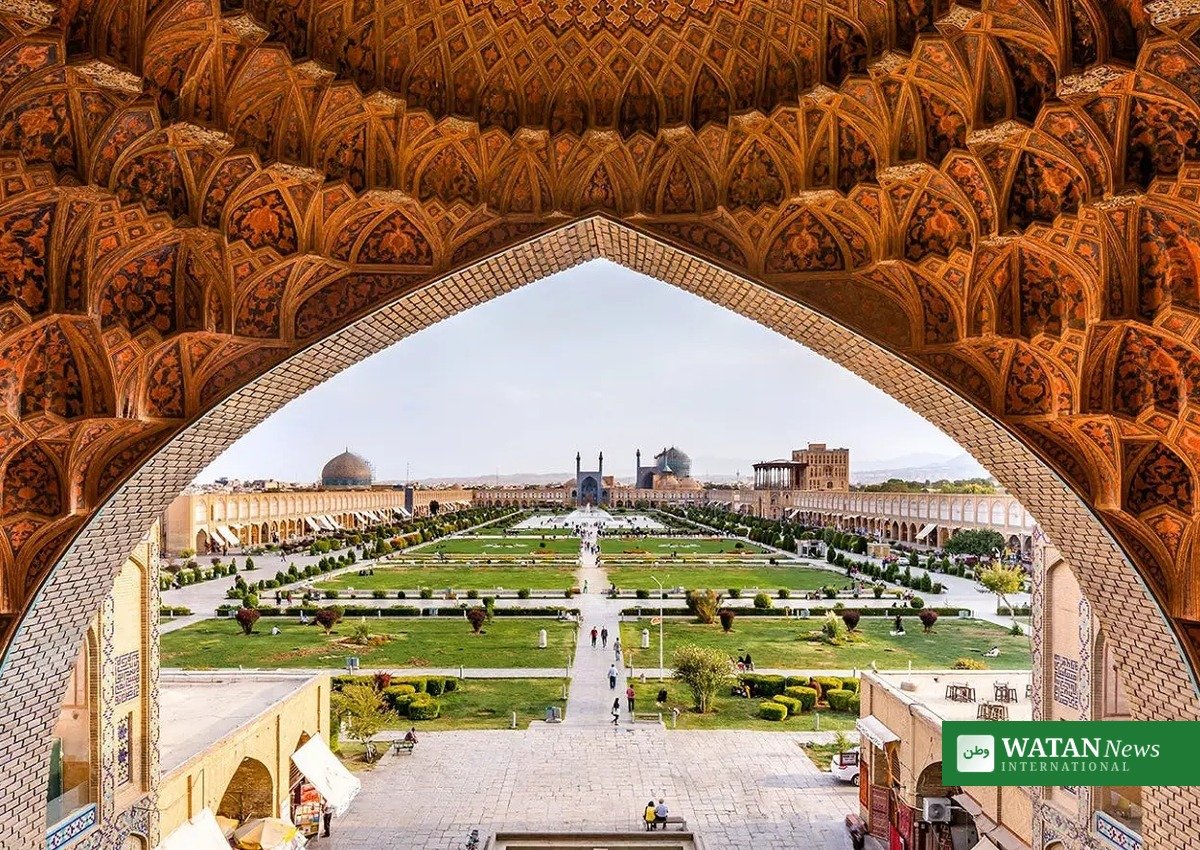
The case stems from protests at Shahid Alikhani Square in Isfahan on 8 January 2026, during nationwide demonstrations that began in late December 2025. Iranian authorities say four members of the security forces were killed during the unrest in the square.
Human Rights Watch has reported that at least 12 people were sentenced to death over the Isfahan events on charges including “waging war against God” and “corruption on earth”, and that between 59 and 62 people were arrested in connection with the incident.
Other defendants in the same case were executed earlier in 2026, including two men in July and two more in October, according to rights groups tracking the case. United Nations human rights experts had warned that the remaining defendants faced an imminent risk of execution.
Rights Groups’ Criticism
Human Rights Watch said in September 2026 that at least 29 people had been executed in connection with the January protests between mid-March and the end of August 2026, and that the executions followed grossly unfair and summary proceedings. Rights groups have said some convictions relied on forced confessions obtained under torture.
Iranian authorities have defended the proceedings, saying the defendants were convicted on evidence including police reports, witness testimony and confessions, and that the sentences went through appeal. The competing accounts of the trials could not be independently verified from the court records, which have not been made public.
Wider Context
The executions come as Iran remains at war with the United States, a conflict that began on 28 February 2026, and as international attention stays fixed on the treatment of people detained during the January protests. Rights groups say dozens of protest-linked death sentences remain in force across Iran, while Iranian officials maintain that those executed were convicted of violent crimes, not peaceful protest.
More coverage from the region can be found on the Middle East news page.