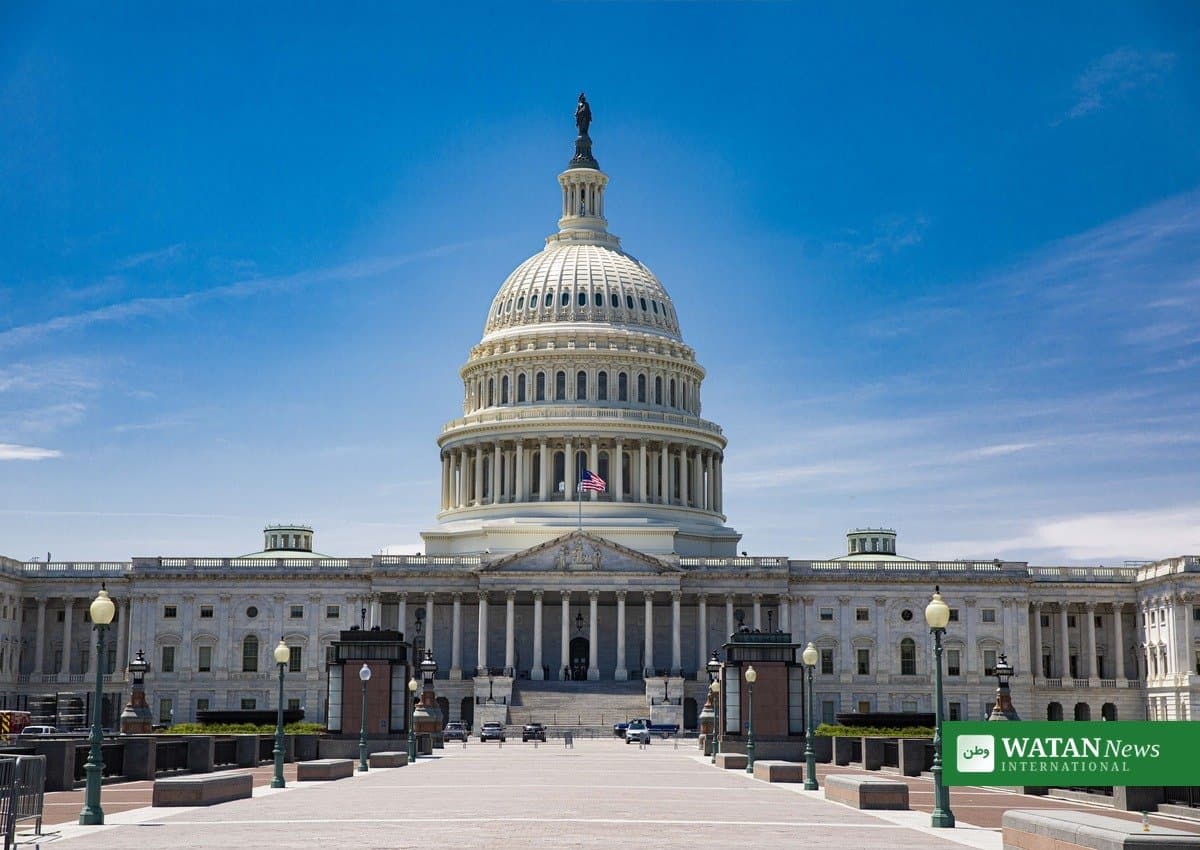
Americans head to the polls on Tuesday in midterm elections that will decide who controls Congress for the second half of President Donald Trump’s second term. All 435 seats in the House of Representatives, 35 of the 100 Senate seats and governorships in 36 states are up for election, alongside thousands of state and local offices. The results will determine how much of the administration’s legislative agenda can advance in its final two years, and both parties have presented the vote as a key measure of public opinion.
FAKTA: 2026 US midterm elections at a glance
- Election Day: Tuesday, 3 November 2026
- House: all 435 seats contested; 218 seats needed for a majority
- Senate: 35 seats contested, including special elections in Florida and Ohio; 51 seats needed for a majority
- Governors: 36 states, plus three territories
- Current control: Republicans hold the House 218–214 and the Senate 53–47
- First polls close: 6 p.m. Eastern time on Tuesday
What is at stake
Republicans enter election day holding narrow majorities in both chambers. Democrats need only a small net gain in the House to take control, while in the Senate they need a net gain of four seats to reach 51. A 50–50 Senate split would leave Republicans in charge, because Vice President JD Vance would cast the tie-breaking vote. Republicans are defending 22 of the 35 Senate seats on the ballot, while Democrats are defending 13, giving Democrats more targets but little margin for error.
Forecasters have leaned towards a Democratic gain in the House, while describing the Senate as a closer contest. Forecasts are probabilities rather than results, however, and polling margins in individual races remain tight. The new Congress will take office on 3 January 2027.
The races to watch
Several Senate contests are drawing national attention. In Michigan, Democrat Abdul El-Sayed faces Republican Mike Rogers; in Texas, Democrat James Talarico faces Republican Ken Paxton; and in Maine, Republican Senator Susan Collins faces Democrat Troy Jackson. Alaska, Kansas, Ohio and Iowa are also among the closely watched Senate battlegrounds, and governor races in Kansas, Nevada and Georgia are rated as toss-ups.
The cost of living has been central to the campaign, with voters concerned about prices, fuel costs and household expenses. Democrats have campaigned on the economic pressures facing households, while Republicans have campaigned on defending their congressional majorities and supporting the administration’s record. Debates over tariffs and foreign policy have also featured prominently in the closing weeks.
When the results will be known
Polls open on Tuesday morning, mostly between 6 a.m. and 8 a.m. local time, and the first polls close at 6 p.m. Eastern time. Close races, late-arriving mail ballots and ranked-choice counts in states such as Alaska and Maine could leave control of one or both chambers uncertain for days, and official certification in most states follows weeks after election night. Early projections should therefore not be mistaken for final results.
Watan News will follow the results as they are confirmed.