Iran will soon close transit routes in the Strait of Hormuz that it deems illegal, an adviser to the commander of the Islamic Revolutionary Guard Corps (IRGC) said on Wednesday, in a fresh escalation of the standoff over the world’s most important oil shipping lane.
FAKTA
- Mohammadreza Naqdi, an adviser to the IRGC commander, told the semi-official Fars News Agency the “illegal routes” would “soon be blocked”.
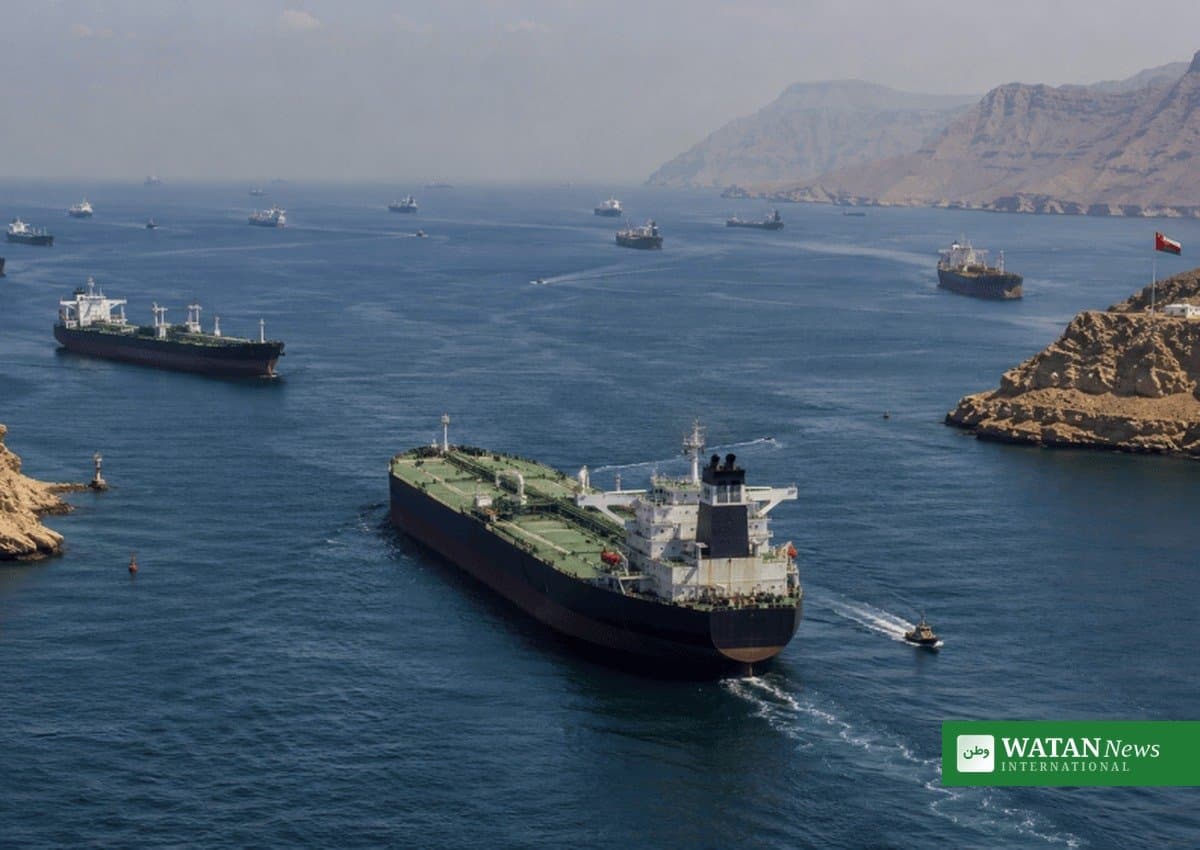
- The routes referred to are the southern pathway through the strait hugging Oman’s coast.
- Naqdi claimed the routes were created by blasting rocky passages and are used for oil smuggling.
- “The Strait of Hormuz is closed, and the armed forces of the Islamic Republic of Iran have full control over it,” he said.
- Data provider Kpler puts Middle East crude exports at 18.3 million barrels a day — above pre-war levels.
What Tehran announced
Mohammadreza Naqdi, an adviser to the Revolutionary Guards’ commander, told the semi-official Fars News Agency on Wednesday that transit routes in the Strait of Hormuz deemed illegal by Iran will soon be closed, referring to the southern pathway hugging Oman’s coast, Reuters reported.
Naqdi said these “few routes” had been created by blasting and damaging rocky passages in the strategic waterway and were used by “small boats smuggling oil and transferring it to tankers”.
“The Strait of Hormuz is closed, and the armed forces of the Islamic Republic of Iran have full control over it. This situation will continue until Iran’s legitimate demands are met,” he added.
Disputed oil flows
The remarks challenge the narrative that Gulf oil exports are regaining pre-war levels. According to provisional data from Kpler, the seven-day moving average for Middle East crude exports reached 18.3 million barrels per day on September 30, topping pre-war levels on 14 days in September.
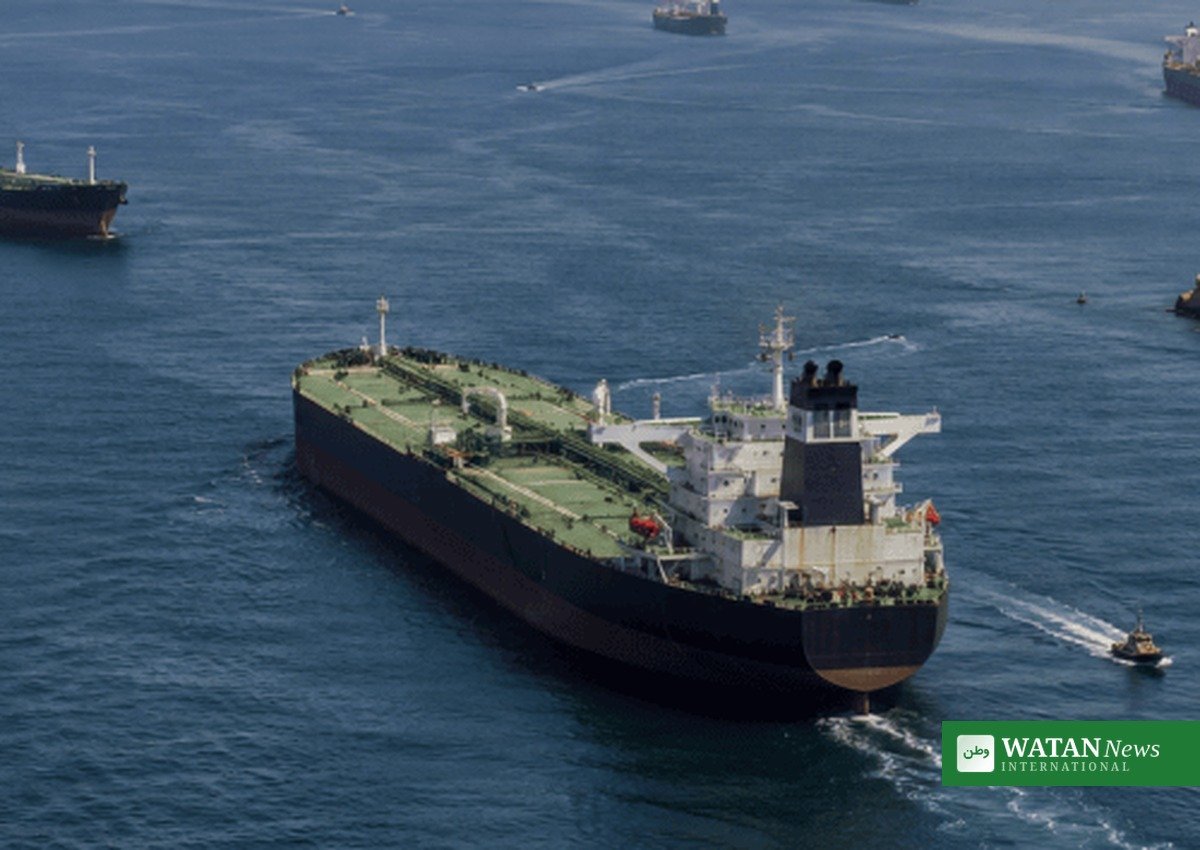
Kpler estimates that about 40 percent of oil exports now bypass the strait, while much of the crude that does cross is transferred between tankers offshore in the Gulf of Oman.
The IRGC has consistently denied that seaborne crude flows in the strait are rebounding thanks to US Navy help. Another IRGC adviser, Majid Mirahmadi, said a daily average of 10 ships transit the waterway, against an average of 125 before the war, which began on February 28.
Tanker confronted this week
On Monday, a tanker entering the strait near Oman was hailed by the IRGC and ordered to turn around or risk attack, according to the United Kingdom Maritime Trade Operations (UKMTO). The tanker complied with the instruction 11 nautical miles north of Khasab, Oman.
Al Jazeera reported on Tuesday that, despite the attacks, Brent crude fell 0.75 percent to $99.57 a barrel and US West Texas Intermediate dropped 1.2 percent to $88.37, as markets weighed rising export volumes against the security risks.
More on energy and markets: Watan News Business.