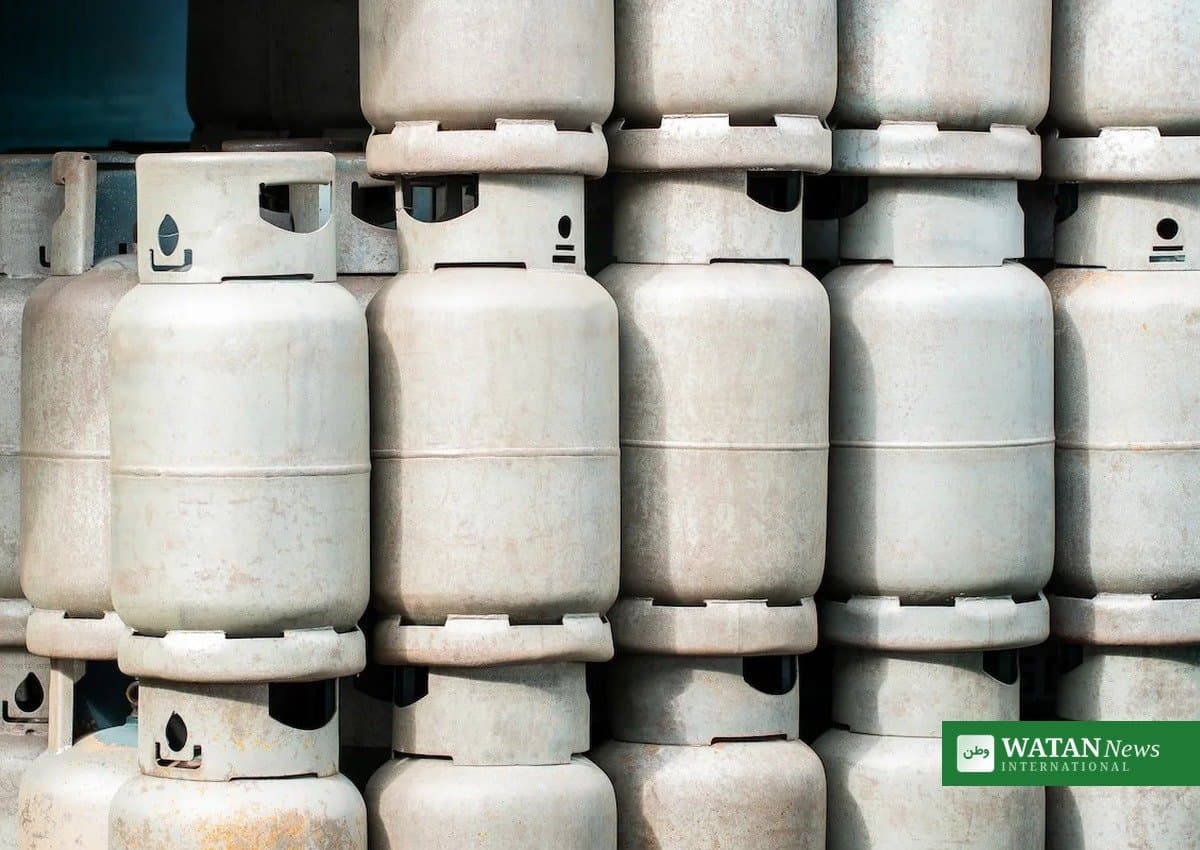
Pakistan is facing a deepening fuel squeeze after the closure of two key border crossings with Iran halted liquefied petroleum gas (LPG) imports, traders said on Friday, with cylinder prices climbing sharply within days and hundreds of trucks stranded at the border. The Pakistan LPG shortage is now hitting households across the country, just as winter approaches.
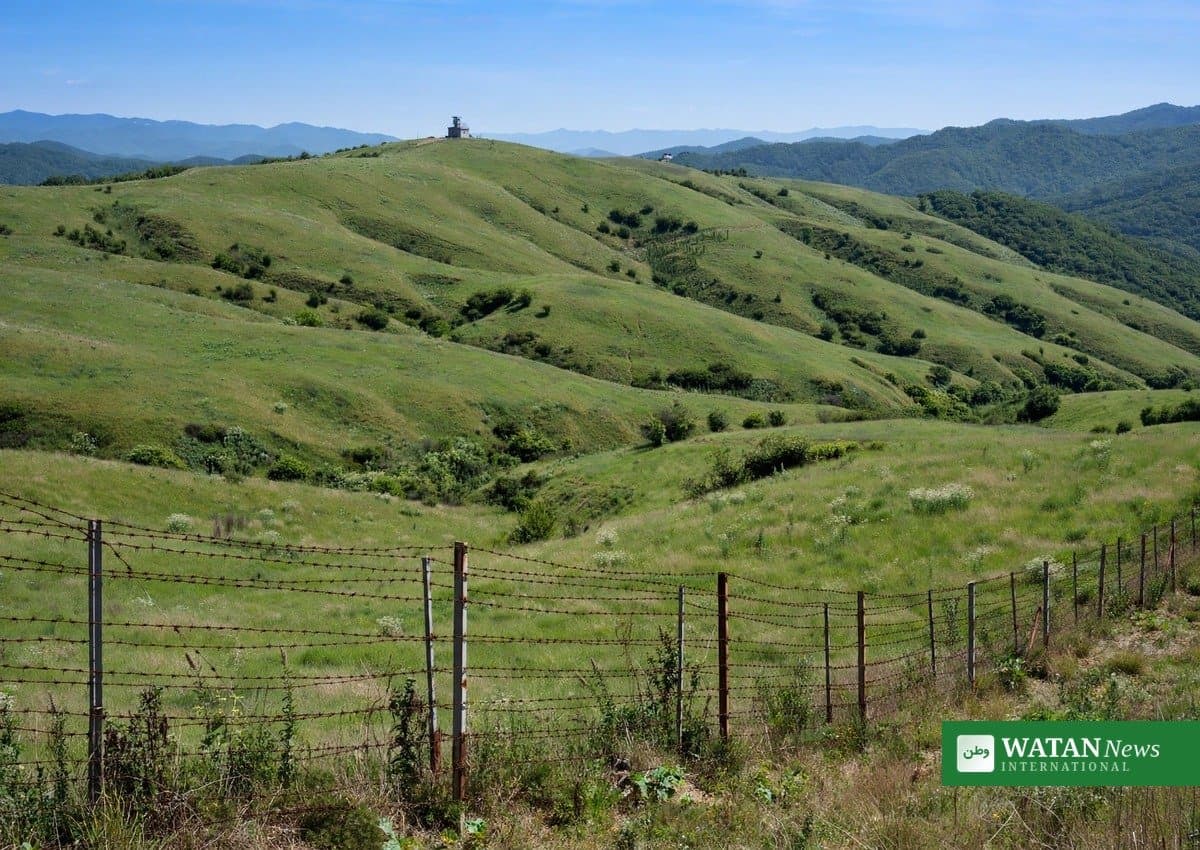
According to Reuters, the Gabd-Rimdan and Taftan crossings were closed on October 17. The Balochistan government said the temporary closure was intended to address security concerns and curb smuggling, while Iran’s foreign ministry cited technical issues. Traders said the halt has cut off a supply line on which Pakistan heavily depends.
FAKTA: Pakistan LPG Shortage at a Glance
- Pakistan imports about 7,000 metric tons of LPG a day from Iran, according to the Pakistan LPG Association.
- More than 4,000 tons a day enters through the Gabd-Rimdan crossing alone, former Gwadar Chamber of Commerce and Industry president Shamsul Haq said.
- The price of a 12 kg LPG cylinder has risen to 7,000 Pakistani rupees from 4,500 rupees within days, traders said.
- Pakistan LPG Association chairman Irfan Khokhar put the 12 kg cylinder at about 7,000 rupees in Balochistan, 7,500 rupees in Lahore and 8,200 rupees in Skardu.
- More than 1,000 Pakistani containers carrying potatoes, bananas and rice for Iran are also stranded, traders said.
- The Gabd-Rimdan crossing reopened on Wednesday for Pakistani exports of perishable goods, but LPG imports remain at a halt, according to traders.
Pakistan LPG Shortage: Prices Surge Across the Country
The price increases reported by traders are stark. A 12 kg cylinder that sold for 4,500 rupees (about $16) now sells for 7,000 rupees (about $25), and traders warned prices could climb further if the disruptions persist.
Khokhar, the Pakistan LPG Association chairman, said LPG was already being sold at different prices across the country and warned that higher LPG prices were feeding through to other goods.
Reports carried by The Express Tribune, via ANI, put the pressure in even sharper terms: consumers in several markets are paying between 550 and 600 rupees per kilogram, against an official Oil and Gas Regulatory Authority (OGRA) price of 279.34 rupees per kilogram for the current month. Prices in Peshawar have reached approximately 600 rupees per kilogram, while some northern areas of Khyber Pakhtunkhwa have reported rates as high as 750 rupees per kilogram, with cylinder costs crossing 10,000 rupees.
Lahore resident Farhat Abbas told Reuters he paid 250 rupees per kg for LPG before the border closure but now pays 500 to 600 rupees per kg.
Border Closures Halt Daily Imports
Pakistan imports about 7,000 metric tons of LPG a day from Iran, according to the Pakistan LPG Association, and more than 4,000 tons a day enters through Gabd-Rimdan alone. “These imports are at halt,” Haq said.
Hundreds of trucks, including LPG tankers, are stranded on both sides of the border, Haq said. The Quetta Chamber of Commerce and Industry has advised members to stop placing new orders with Iran until further notice.
Truck drivers stuck at the crossings said they had been waiting for days in harsh conditions with limited access to basic amenities. “We have been standing here for over a week waiting for the border to open,” said Abdul Ghani Baloch, one affected driver.
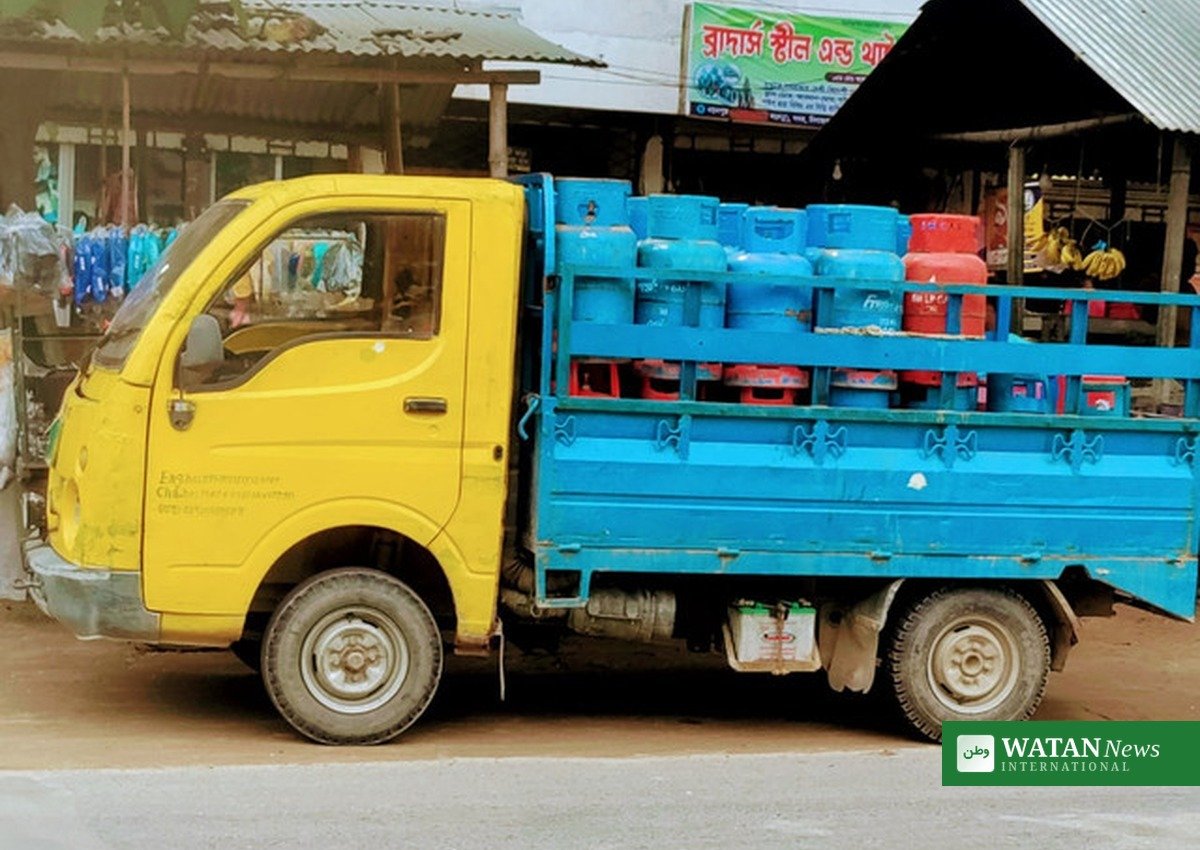
The disruption goes beyond fuel. More than 1,000 Pakistani containers carrying potatoes, bananas and rice for Iran are also stranded, traders said, although the Gabd-Rimdan crossing reopened on Wednesday for Pakistani exports of perishable goods.
Pakistan-Iran trade totalled about $2.8 billion in the 2023-24 fiscal year, including roughly $684 million of Pakistani exports, according to the Federation of Pakistan Chambers of Commerce and Industry.
Households Feel the Squeeze
The Express Tribune reporting, carried by ANI, said the crisis has worsened over the past five to six days, with Pakistan relying on imports for nearly 70 per cent of its LPG requirements and domestic production accounting for the remaining 30 per cent, according to a senior OGRA official.
The same reporting said the regulator has yet to initiate a planned crackdown against companies and sellers accused of overcharging, with officials concerned that enforcement measures could provoke strikes, interrupt distribution and worsen shortages. An OGRA official warned prices could rise beyond 700 rupees per kilogram in affected markets if supply disruptions intensify.
An OGRA spokesperson acknowledged that the Taftan border closure had created supply challenges but said efforts were under way to stabilise the situation, expressing optimism that the crisis would be brought under control soon.
The reporting also noted that escalating costs have hit low-income families hardest, particularly in Khyber Pakhtunkhwa, where natural gas shortages have compounded the problem, and residents in rural areas around Peshawar are increasingly relying on firewood as LPG becomes unaffordable.
What Happens Next
Reuters reported that Pakistan’s army chief visited Tehran this week and discussed border issues with Iranian leaders, and that Iran’s foreign ministry said consultations on resuming trade were underway. No date for a full reopening has been announced.
Consumers fear shortages and rising prices could worsen as winter approaches, Reuters reported, when demand for heating fuel typically rises. Traders and the LPG association both warned that prices could climb further if the crossings stay closed.
For now, households, traders and transporters are waiting on the border talks — and on the return of the daily LPG supplies that, until October 17, flowed across Gabd-Rimdan and Taftan. More coverage of the region is available in our Asia section.