
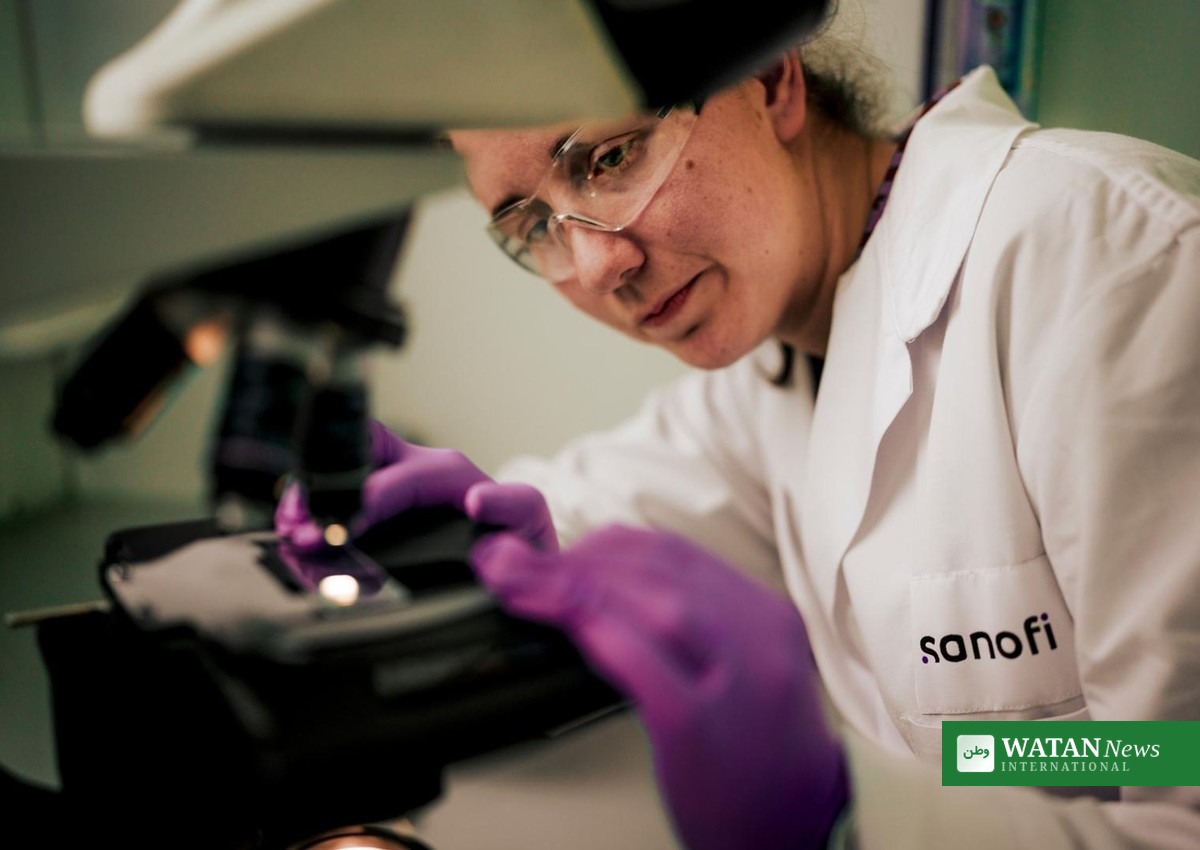
French drugmaker Sanofi announced on Tuesday, 24 November 2026, that it has agreed to buy United States biotech company Insmed in a $41 billion all-cash deal, the largest pharmaceutical transaction of the year and the biggest biotech takeover in nearly three years. The Sanofi Insmed deal will give Sanofi two approved respiratory medicines and a late-stage pipeline asset as it prepares for the loss of patent protection on its best-selling drug, Dupixent, in 2031.
Under the agreement, Sanofi will pay $175 per share in cash for all outstanding shares of Insmed, a total equity value of about $41.0 billion, or €37.6 billion. The price is about 17 percent above Insmed’s closing share price of $149.09 on Monday, and about 46 percent above the $119.90 price at which the shares closed on 18 November, the day before media reports of a possible transaction sent the stock higher. Insmed shares rose about 14 percent to $170.39 in early trading on Tuesday, while Sanofi shares rose about 9 percent in Paris, in a rare show of investor approval for both buyer and seller in a deal of this size.
FAKTA
Buyer: Sanofi, the French pharmaceutical company based in Paris.
Seller: Insmed Incorporated, a United States biotech company based in Bridgewater, New Jersey, listed on Nasdaq as INSM.
Price: $175 per share in cash, a total equity value of about $41.0 billion (€37.6 billion).
Premium: About 17 percent above Insmed’s closing price of $149.09 on Monday, 23 November 2026, and about 46 percent above the unaffected price of $119.90 on 18 November 2026.
What Sanofi gains: Two approved medicines, Brinsupri and Arikayce, and the phase 3 programme TPIP.
Expected closing: First half of 2027, subject to regulatory and shareholder approvals.
Earnings effect: Sanofi expects the deal to add to its earnings per share by the end of 2028.
A deal built around breathing
The centre of the Sanofi Insmed deal is Brinsupri, known by its generic name brensocatib, a treatment for non-cystic fibrosis bronchiectasis, a chronic lung condition in which the airways widen and scar, leaving patients prone to repeated infections and coughing up mucus. The United States Food and Drug Administration approved Brinsupri in August 2025, and it is the first and only approved treatment for the condition. It is also approved in the European Union, the United Kingdom and Japan.
Brinsupri has made a fast start. It generated $917 million in sales in the first nine months of 2026, including $400.1 million in the third quarter alone, up 29 percent from the previous quarter. Analysts expect it to generate between $1.35 billion and $1.4 billion in its first full year on the market. That pace of growth is a large part of why Sanofi was willing to pay a premium of about 46 percent over the price before takeover reports emerged.
The second approved medicine in the deal is Arikayce, an inhaled antibiotic used to treat a difficult lung infection caused by Mycobacterium avium complex. Arikayce generated about $434 million in sales last year and could reach about $470 million this year. It may also receive a further boost in January if the Food and Drug Administration agrees to approve it as a first-line treatment for the infection, which would widen the group of patients who can receive it early in their illness.
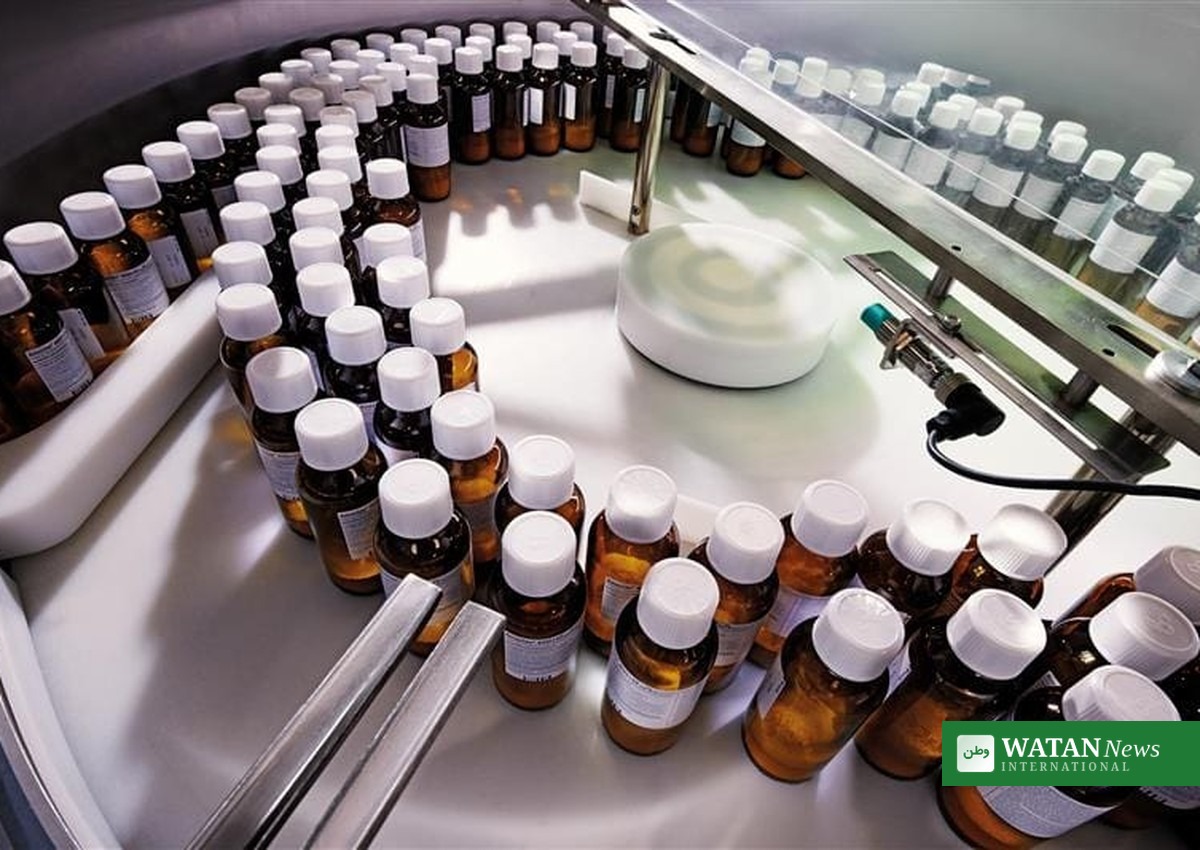
Medicine bottles move along a pharmaceutical production line. Sanofi is buying Insmed to add approved respiratory drugs to its portfolio.
What TPIP could add
Alongside the two approved drugs, Sanofi will acquire treprostinil palmitil inhalation powder, known as TPIP, a once-daily inhaled therapy in phase 3 clinical trials. TPIP is being developed for several forms of pulmonary hypertension, a condition in which blood pressure in the lungs rises to dangerous levels, and for fibrotic lung disease, in which lung tissue becomes scarred and stiff.
Analysts at Guggenheim estimate that the combined peak sales of the three Insmed assets could exceed $15 billion. Because all three are respiratory products, Sanofi should be able to sell them through its existing respiratory sales teams rather than building a new commercial organisation from scratch, which would keep costs down and help the deal pay for itself more quickly.
Why Sanofi is buying now
The timing of the deal is set by the future of Dupixent, Sanofi’s biggest product. Dupixent, which Sanofi developed and sells jointly with Regeneron Pharmaceuticals, treats eczema, asthma and chronic obstructive pulmonary disease, among other conditions. It accounted for about $16.4 billion of Sanofi’s sales last year, roughly 40 percent of the company’s total revenue, and its United States patent protection begins to expire in March 2031.
Sanofi’s chief executive, Belén Garijo, who took over in May 2026, has been open about the need to find new sources of growth before that date. Speaking on an earnings call late last month, she said Sanofi was “laser-focused on ensuring growth” beyond the loss of Dupixent exclusivity. The Insmed purchase is the largest step she has taken so far in that direction, and it follows a pattern seen across the pharmaceutical industry, where companies with a single dominant product use large acquisitions to spread their risk.
Sanofi’s chief financial officer, François Roger, told reporters that the Insmed deal would largely fill the profitability gap left by Dupixent’s loss of exclusivity by 2035. “Even though we are doing this deal primarily for the growth opportunity, directionally by 2035 it gets us there, even if it isn’t linear year by year,” he said. He also defended the price, saying the 46 percent premium over the pre-report share price was in line with other transactions of that size, including Amgen’s purchase of Horizon Therapeutics and AstraZeneca’s purchase of Alexion.
How the deal is structured
Sanofi will fund the purchase through a combination of debt and cash on hand, and it has already secured committed financing for the transaction. The company said it still expects to generate enough cash after the deal closes to pay down the debt quickly and to retain flexibility to invest in early-stage business development and smaller merger deals.
The transaction is expected to close in the first half of 2027, subject to regulatory clearance and approval by Insmed shareholders. Sanofi said it expects the acquisition to add to its business earnings per share by the end of 2028, which would mean the deal starts lifting profits within about two years of closing.
Sanofi and Regeneron have worked together since 2007 to develop and sell immunology and respiratory drugs, including Dupixent. Garijo said adding the Insmed assets to that alliance was not the current plan, although there were no contractual obstacles to doing so later if the companies chose to.
The market’s verdict
Investors welcomed the announcement. Insmed’s shares had fallen about 29 percent over the past year before takeover reports emerged, partly because of difficulties in trials for Brinsupri, but they jumped 21 percent late last week when reports of a possible deal first appeared. Sanofi’s own shares rising 9 percent in Paris on Tuesday was unusual, because buyers’ shares often fall when a large premium is paid. Analysts said the reaction reflected confidence that Brinsupri’s sales growth could continue and that Sanofi’s existing respiratory business, built around Dupixent for severe asthma, gives it the commercial reach to take Brinsupri to more patients, particularly outside the United States.
What could go wrong
The deal is not without risk. Brinsupri’s rapid early sales partly reflect the surge of a new launch, and the key test will be whether growth continues as that surge matures. TPIP still has to deliver positive phase 3 trial results across four indications in the coming years, and any delay to regulatory or launch milestones would reduce the value Sanofi is paying for. The company will also carry a heavy debt burden until the new assets generate enough cash to pay it down. For now, though, the market has judged that the strategic logic is sound: a company facing a known patent cliff in 2031 has bought the respiratory portfolio it needs to keep growing beyond it.
Deal terms at a glance
| Term | Detail |
|---|---|
| Price per share | $175 in cash |
| Total equity value | About $41.0 billion (€37.6 billion) |
| Premium to Monday’s close | About 17 percent ($149.09) |
| Premium to pre-report price | About 46 percent ($119.90 on 18 November) |
| Expected closing | First half of 2027 |
| Earnings effect | Accretive to earnings per share by end of 2028 |
Conclusion
The Sanofi Insmed deal is a $41 billion bet that respiratory medicine can carry Sanofi through the most difficult chapter in its recent history. Dupixent has been a remarkable success, but no drug lasts for ever, and with its patent protection starting to expire in 2031, Sanofi needed new growth drivers. In Brinsupri it has bought a fast-growing approved drug for a disease with no other approved treatment, in Arikayce a steady seller with room to grow, and in TPIP a late-stage programme that could open new markets. Whether the price proves right will depend on execution: on keeping Brinsupri’s sales climbing, on TPIP’s trial results, and on paying down the debt taken on to fund the deal. For now, investors on both sides of the Atlantic have given the agreement a warm welcome.
Related Articles
Sanofi Foundation Opens €50,000–€100,000 Grants for Youth-Led Climate and Health Projects in Africa
Nordic Countries Expand Joint Procurement to Secure Antibiotic Supplies
Daraxonrasib Combination Shrinks Tumours in Most Pancreatic Cancer Patients