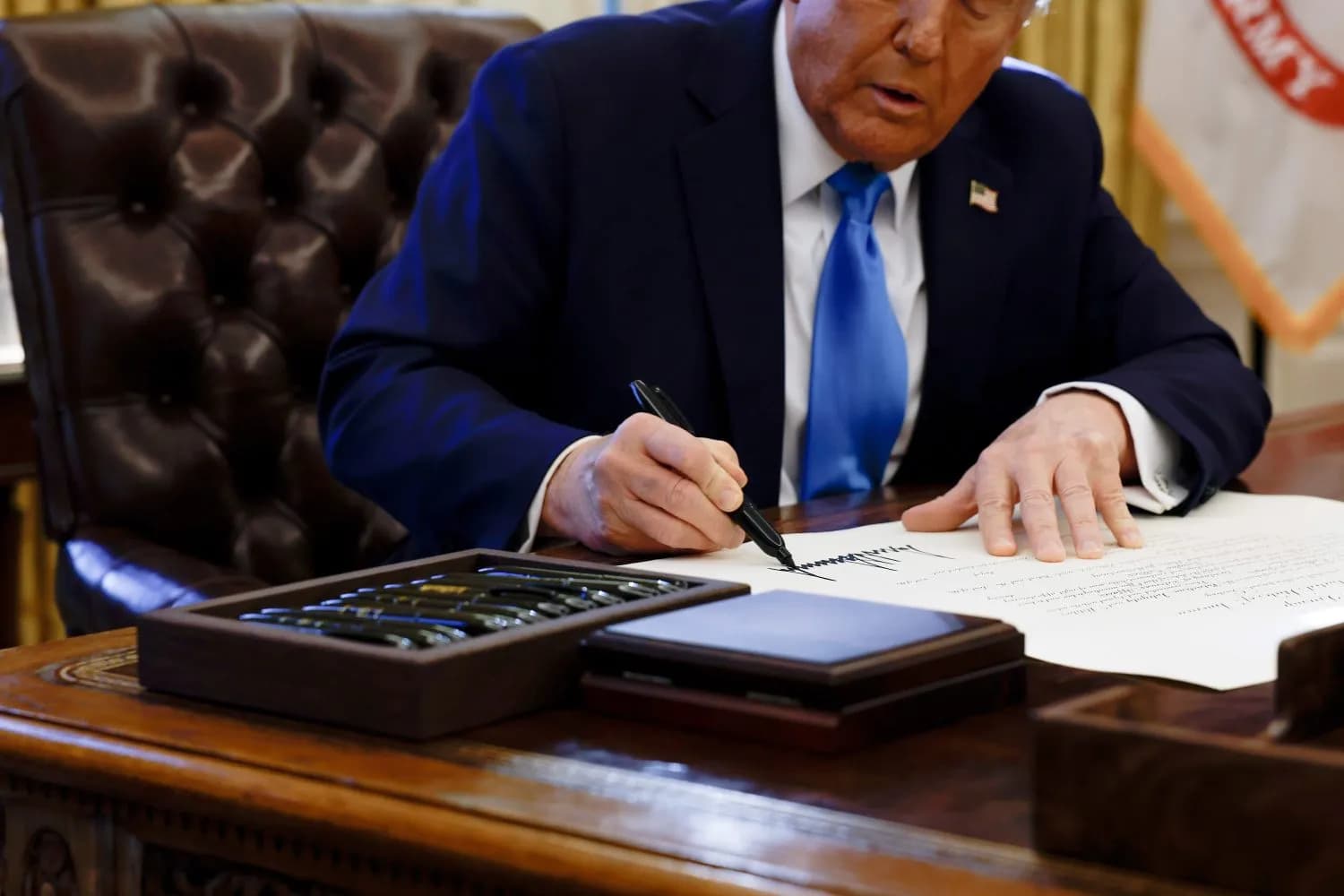
The Trump administration has controversially diverted over $175 million from the State Department’s primary human rights fund to support a range of initiatives aligned with far-right and conservative ideologies. These grants, finalized just before a funding deadline, have raised concerns among lawmakers and human rights advocates regarding the redefinition of human rights and potential interference in foreign politics.
- Over $175 million diverted from the Human Rights and Democracy Fund (HRDF).
- Grants include $40 million for an anti-communism initiative.
- Support allocated for groups advancing white Afrikaner rights in South Africa.
- Programs target opposition to migration, ‘gender ideology,’ and ‘western civilizational norms.’
Shifting Human Rights Priorities
The Trump administration’s allocation of funds signals a significant departure from traditional US foreign policy regarding human rights. Instead of focusing solely on dissidents and victims of oppression, the grants now support projects in developed nations and promote opposition to issues such as regulation, Brexit, and migration.
- Projects in wealthy nations now eligible for funding.
- Focus includes opposition to regulation and Brexit.
- Emphasis on anti-communism and Christian protection initiatives.
- Programs aim to counter ‘gender ideology.’
Concerns Over Congressional Holds
Despite congressional concerns and explicit requests to halt the process, the State Department obligated the funds to the grantees hours before the deadline. This action has led to accusations that the administration bypassed legislative oversight and proceeded with its agenda despite potential objections.
- State Department proceeded with funding obligations before the deadline.
- Congressional concerns and requests to halt were reportedly ignored.
- A source indicated the administration ‘blew’ congressional holds on the funds.
Lobbying and White House Influence
Sources familiar with the grant process suggest that members of the Trump administration personally lobbied for these specific awards. The grants reportedly reflect the interests of administration officials, including concerns about the erosion of traditional western values and opposition to immigration.
- Awards were allegedly lobbied for by Trump administration members.
- Reflects interests such as JD Vance’s concerns on western values.
- Aligned with Stephen Miller’s anti-immigration stance and support for white minorities.
- White House buy-in and high-level attention confirmed by sources.
Redefining ‘Human Rights’
The grants aim to bolster rightwing and conservative causes globally, potentially straining relationships with US allies. The administration’s approach suggests a redefinition of what constitutes a human rights issue worthy of US taxpayer support, prioritizing ideological alignment over broader democratic principles.
Support for White Afrikaner Rights
A notable allocation includes support for a group advancing the rights of white Afrikaners in South Africa. This specific grant highlights the administration’s focus on supporting minority groups perceived as aligned with its ideological objectives, even in contexts that may be contentious.
- Grant supports a group focused on white Afrikaner rights in South Africa.
- Reflects administration’s interest in supporting specific minority groups abroad.
Anti-Communism and Ideological Allies
A substantial portion of the funds, $40 million, is earmarked for an anti-communism initiative. Additionally, programs are designed to reward ideological allies in Europe who are seen as protecting ‘western civilizational norms,’ indicating a strategic push to promote a specific worldview.
- $40 million dedicated to an anti-communism fund.
- Programs reward ideological allies in Europe.
- Focus on protecting ‘western civilizational norms.’
Campaign Against Brazil’s Supreme Court
The funding also includes support for a campaign targeting Brazil’s supreme court. This move raises questions about US interference in the internal political and judicial affairs of sovereign nations, potentially undermining democratic institutions abroad.
- Funding allocated for a campaign against Brazil’s supreme court.
- Raises concerns about US interference in foreign judicial systems.
Conclusion
The Trump administration’s decision to redirect human rights funds towards initiatives promoting far-right and conservative agendas marks a significant shift in US foreign policy. By prioritizing ideological alignment and supporting specific groups and causes, the administration is redefining the scope of human rights support, a move that has drawn criticism and raised concerns about its impact on international relations and democratic values.
The finalization of these grants, despite congressional objections, underscores a determined effort to advance a particular vision of global engagement.
What is the Human Rights and Democracy Fund (HRDF)?
The HRDF is a US State Department fund established to support human rights defenders, victims of violations, and promote democracy globally.
How much money was diverted?
Over $175 million from the HRDF was diverted to support initiatives aligned with far-right and conservative ideologies.
What were some of the funded initiatives?
Initiatives include anti-communism programs, support for white Afrikaner rights, and campaigns against perceived ideological opponents.
Were there any objections to these fund diversions?
Yes, congressional concerns were raised, and requests were made to halt the funding, which reportedly were not heeded.