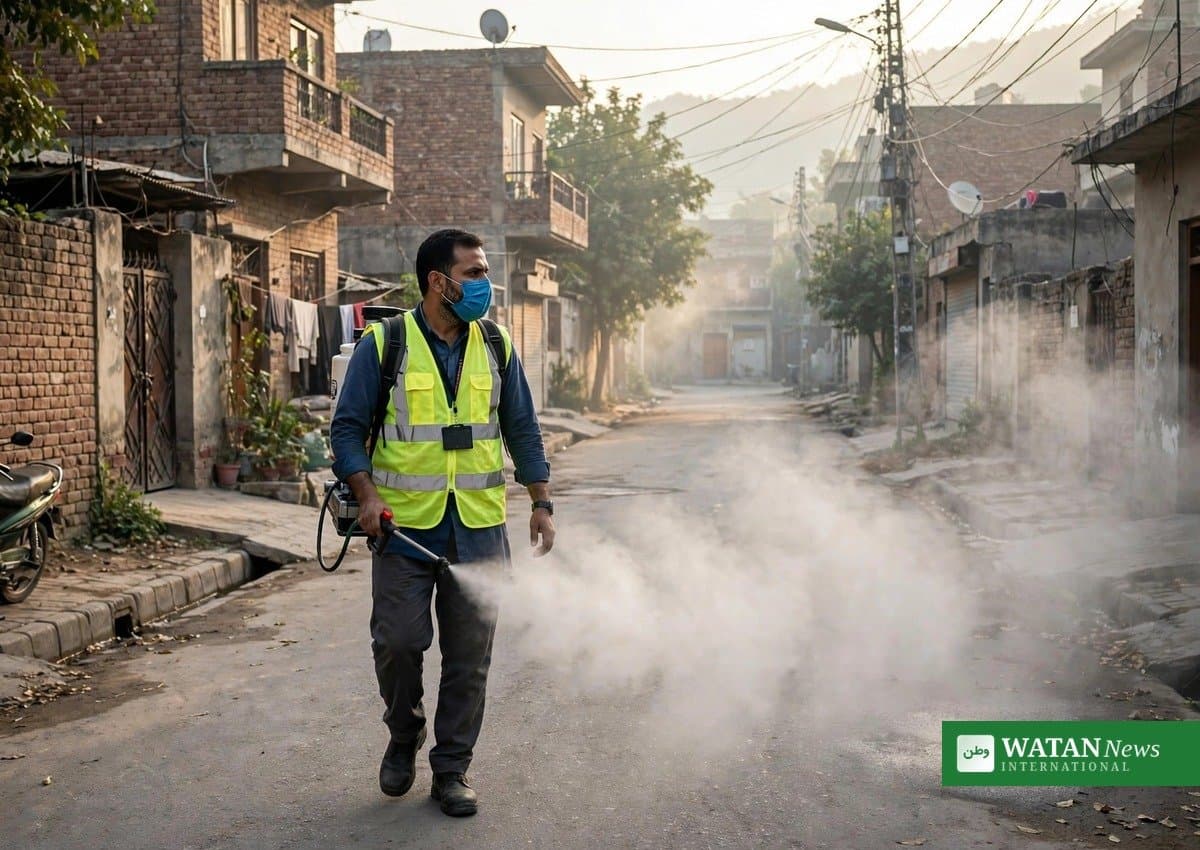
Health officials in Rawalpindi have told a meeting of the District Emergency Response Committee for Dengue Control (DERC) that confirmed dengue cases in Rawalpindi fell to just nine in September 2026, down from 352 in the same month last year. The sharp drop, reported at Tuesday’s meeting, was credited to intensive vector surveillance and anti-dengue operations across the district.
FAKTA
September 2026: 9 confirmed dengue cases in Rawalpindi district, against 352 in September 2025 — figures presented by health officials at the DERC meeting.
Breeding sites cleared: mosquito larvae detected and destroyed at 53,755 sites during September, according to the briefing.
Surveillance force: around 1,400 indoor and outdoor teams carrying out dengue surveillance across the district.
Deaths: Rawalpindi has reported zero dengue-related deaths so far in 2026.
Caution: fresh cases were still being confirmed in October — the district’s cumulative 2026 tally reached 42 by early October.
| Indicator | September 2025 | September 2026 |
|---|---|---|
| Confirmed dengue cases in Rawalpindi district* | 352 | 9 |
| Year-on-year change | — | −97.4% |
| Dengue-related deaths reported in the district | — | 0 (in 2026 so far) |
* Figures presented by health officials at Tuesday’s DERC meeting. Independent media tallies of the September count have varied, as noted below.
Surveillance drive behind the drop in dengue cases in Rawalpindi
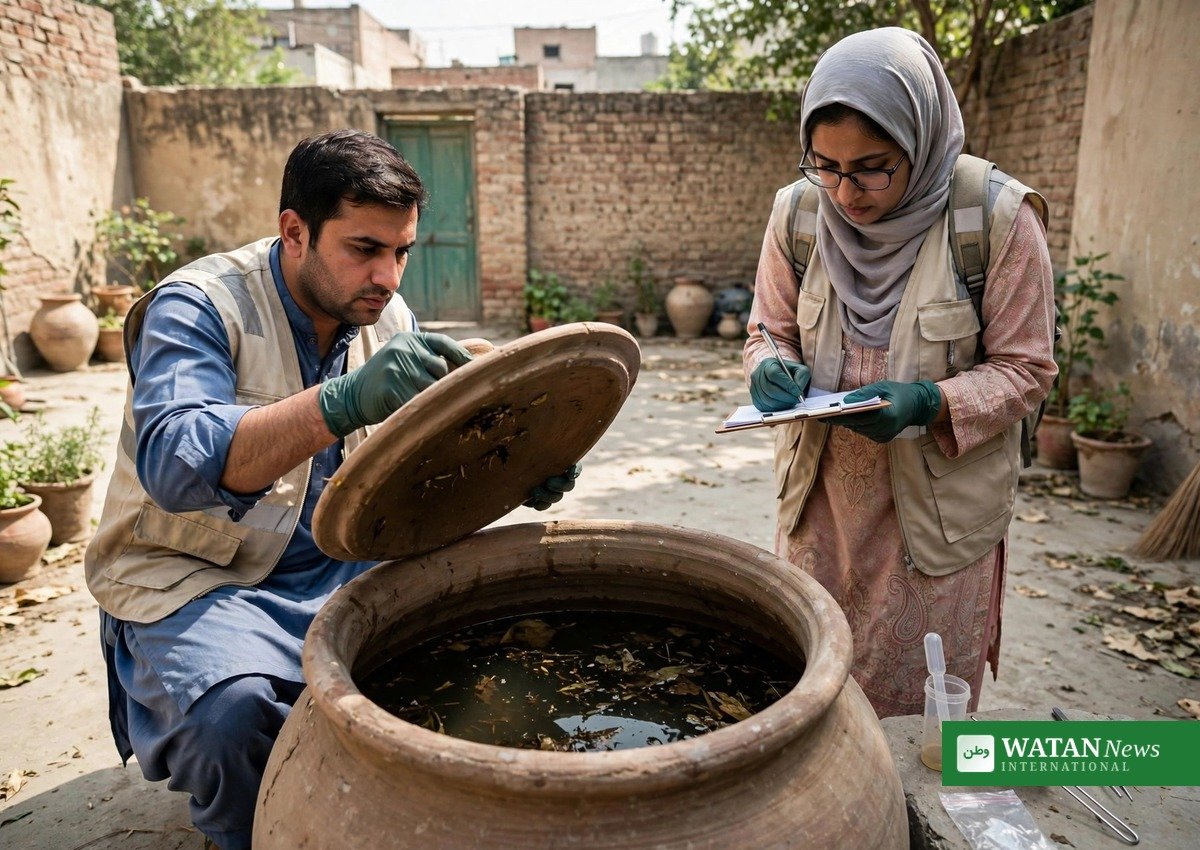
According to the briefing given at the meeting, field teams detected and destroyed dengue larvae at 53,755 sites during September 2026, the largest monthly clearance of the season. Officials said early detection and rapid response at breeding hotspots prevented local outbreaks from escalating.
Separate district data reported earlier in the season showed around 1,400 indoor and outdoor surveillance teams active across Rawalpindi, backed by an enforcement drive against violations of dengue standard operating procedures — with thousands of FIRs registered, hundreds of premises sealed and millions of rupees in fines imposed.
Officials order continued vigilance in sensitive areas
Deputy Commissioner Nadeem Nasir directed the executing departments to keep their focus on sensitive union councils and registered hotspots, and ordered strict digital monitoring of field-team movements to close any gaps in coverage and ensure accountability.
MNA Tahira Aurangzeb stressed that public awareness campaigns must run in parallel with the administrative drive, urging residents to prevent stagnant water around their homes and to cooperate with visiting health teams.
Broader picture: October cases ticking up again
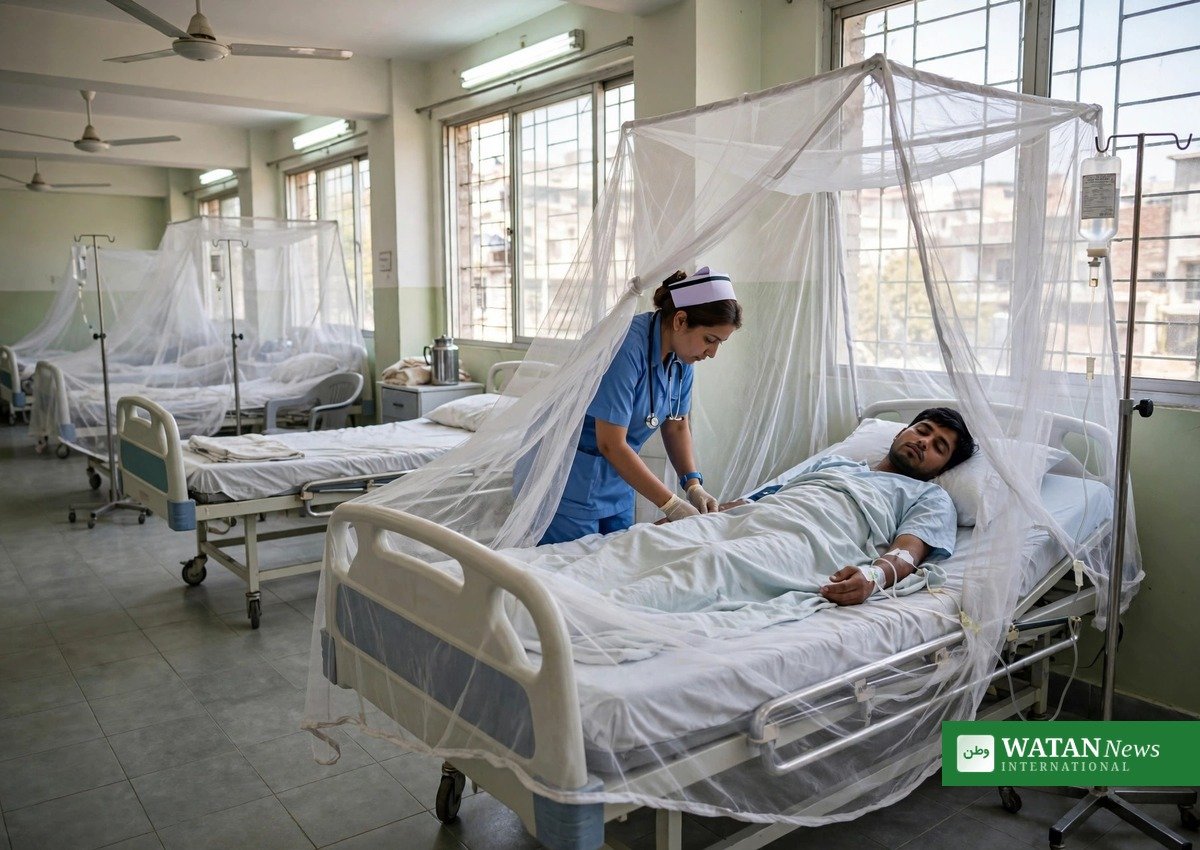
The September improvement has not ended the season’s risk. District Health Authority data from early October showed two new confirmed cases on October 5 and 6, taking the district’s 2026 tally to 42, with ten patients receiving treatment in hospital isolation wards.
Media tallies of the September count have also varied — ARY News reported 22 cases in Rawalpindi for the month as part of 57 across Punjab — which suggests the nine-case figure is the district health authority’s own confirmed-case tally as presented at the DERC meeting. Either way, officials and doctors agree the post-monsoon months remain the danger period. Read more Pakistan news on watannews.dk, including this dengue story on watannews.dk.
Conclusion
September’s drop from 352 to nine confirmed cases marks a striking turnaround for Rawalpindi’s dengue fight — on the district health authority’s own figures. But with October cases already rising again and no deaths yet recorded in 2026, officials say the surveillance campaign cannot afford to slow down now.