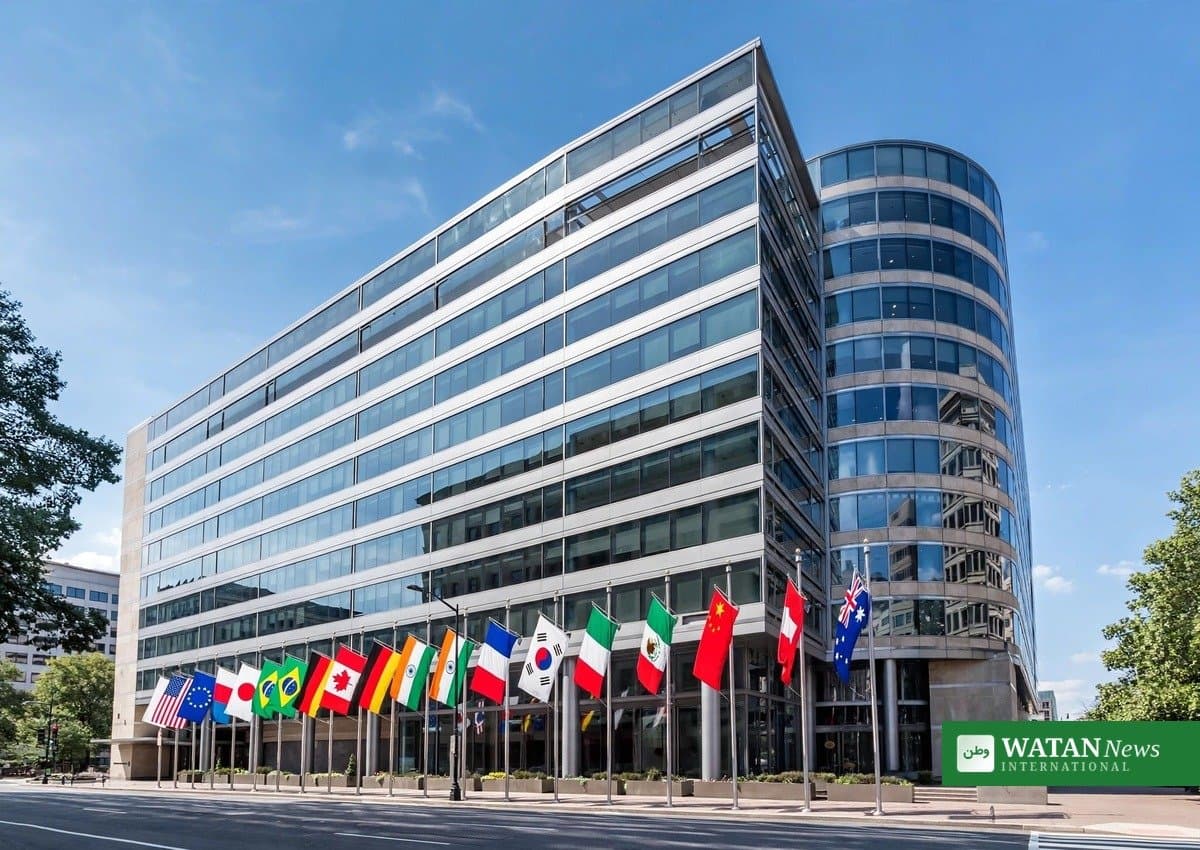
Pakistan and the International Monetary Fund have reached a staff-level agreement on the fourth review of the country’s $7 billion Extended Fund Facility (EFF) and the third review of its $1.4 billion Resilience and Sustainability Facility (RSF). The IMF Pakistan deal paves the way for about $1.2 billion in disbursements once the IMF Executive Board approves it.
FAKTA
Agreement: Staff-level agreement on the fourth review of the 37-month Extended Fund Facility (EFF) and the third review of the 28-month Resilience and Sustainability Facility (RSF).
Amount: About $1.0 billion (SDR 760 million) under the EFF and about $210 million (SDR 154 million) under the RSF — taking total disbursements under both arrangements to about $5.7 billion.
Condition: Subject to approval by the IMF Executive Board; funds expected within four to five weeks of approval.
Talks: IMF mission led by Iva Petrova held discussions in Karachi and Islamabad from September 23 to October 7, 2026; the 2026 Article IV consultation was also concluded.
Economy: Real GDP growth of 4% in the first three quarters of FY26 (3.6% estimated for the full year); headline inflation at about 10.3% in September; gross reserves of about $21.5 billion by end-September.
IMF Pakistan Deal: What the $1.2bn Agreement Covers
The agreement was announced by the IMF in a statement from Washington. Upon approval by the IMF Executive Board, Pakistan is set to receive approximately $1.0 billion (SDR 760 million) under the EFF and an additional $210 million (SDR 154 million) under the RSF. These disbursements will bring the total under the two arrangements to about $5.7 billion.
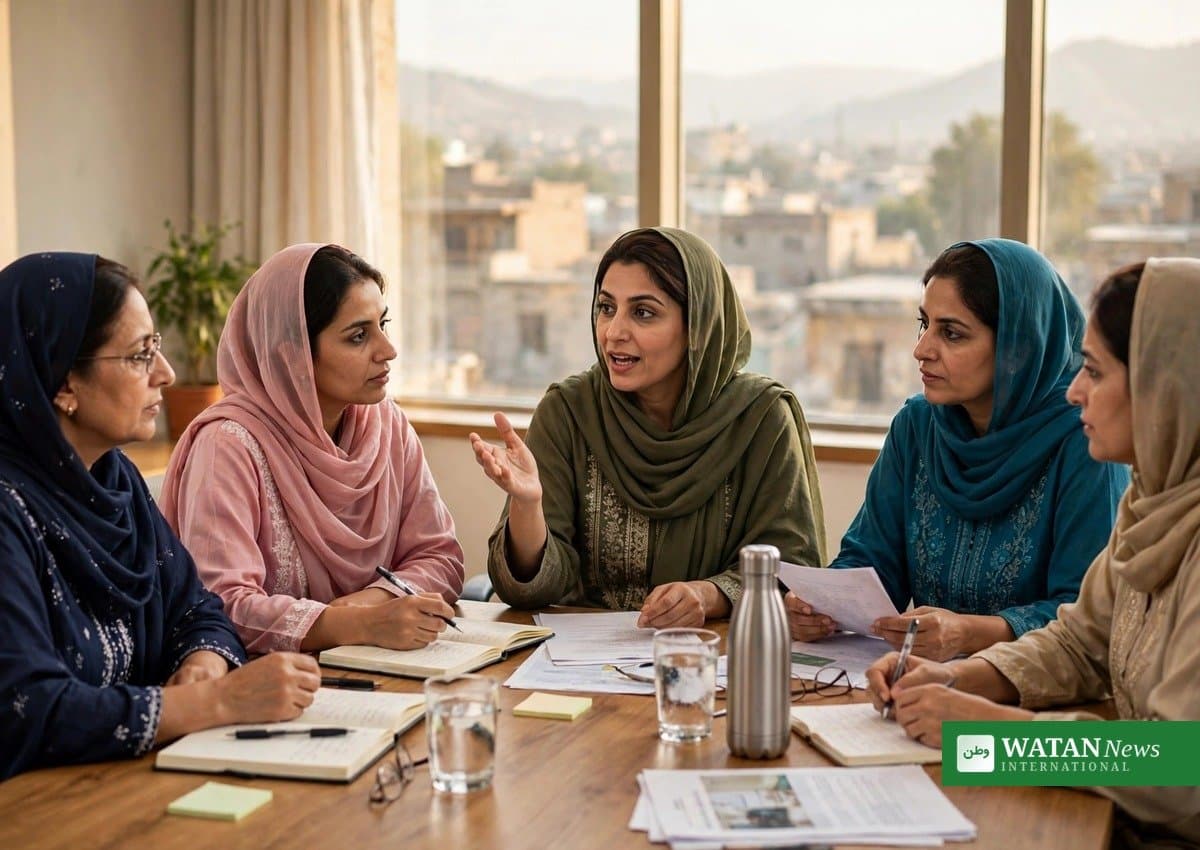
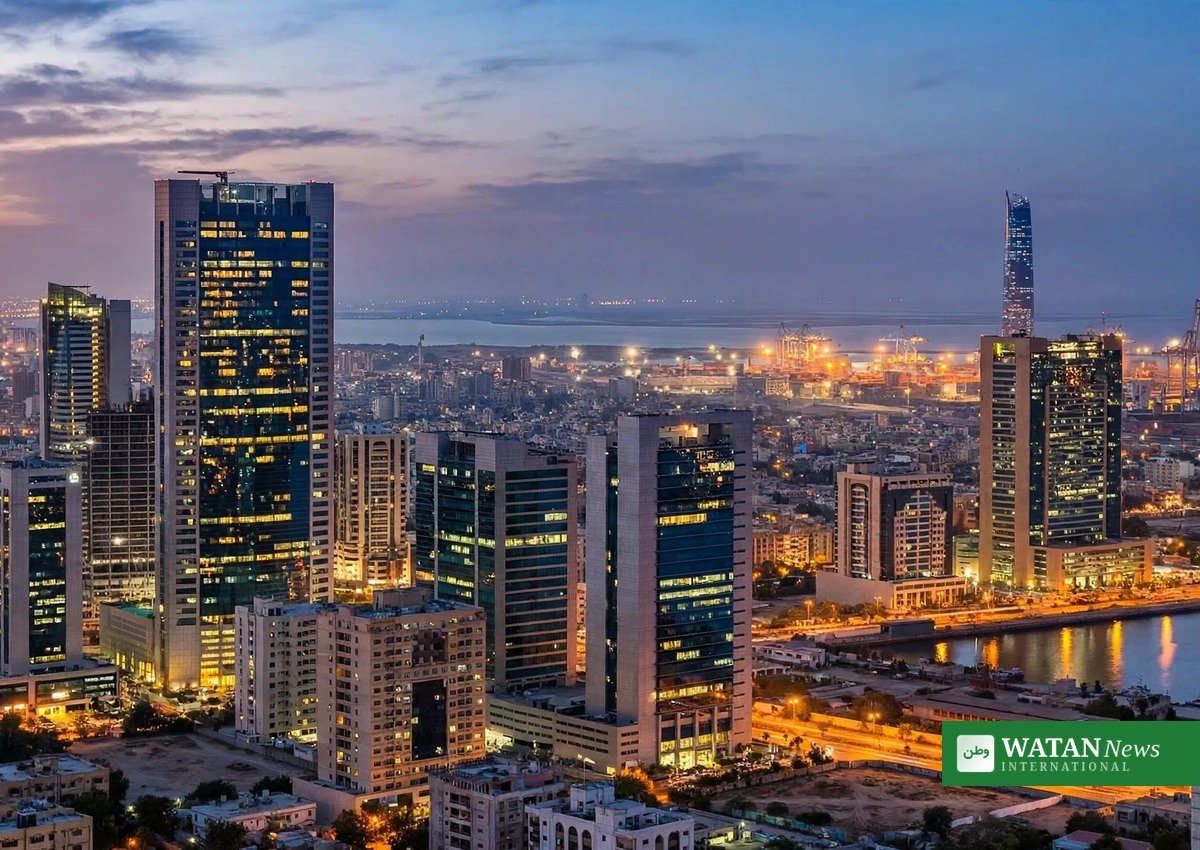
The IMF mission, led by Iva Petrova, held talks with the Pakistani authorities in Karachi and Islamabad from September 23 to October 7, 2026. The discussions covered the latest program reviews as well as the 2026 Article IV consultation.
Program Broadly on Track Despite a Tough Environment
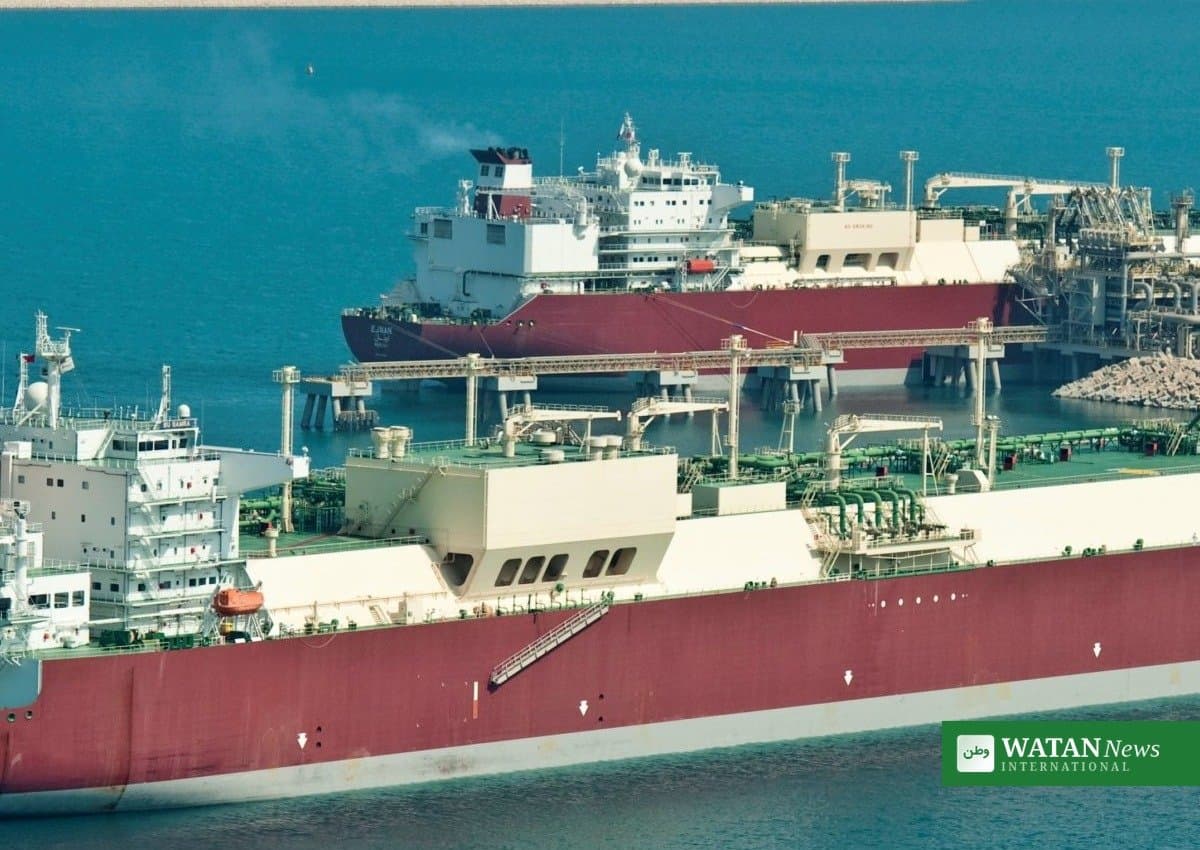
The Fund said program implementation under the EFF has remained broadly on track despite a challenging external environment. The authorities have navigated the fallout from the Middle East conflict and preserved macroeconomic stability through strong policies.
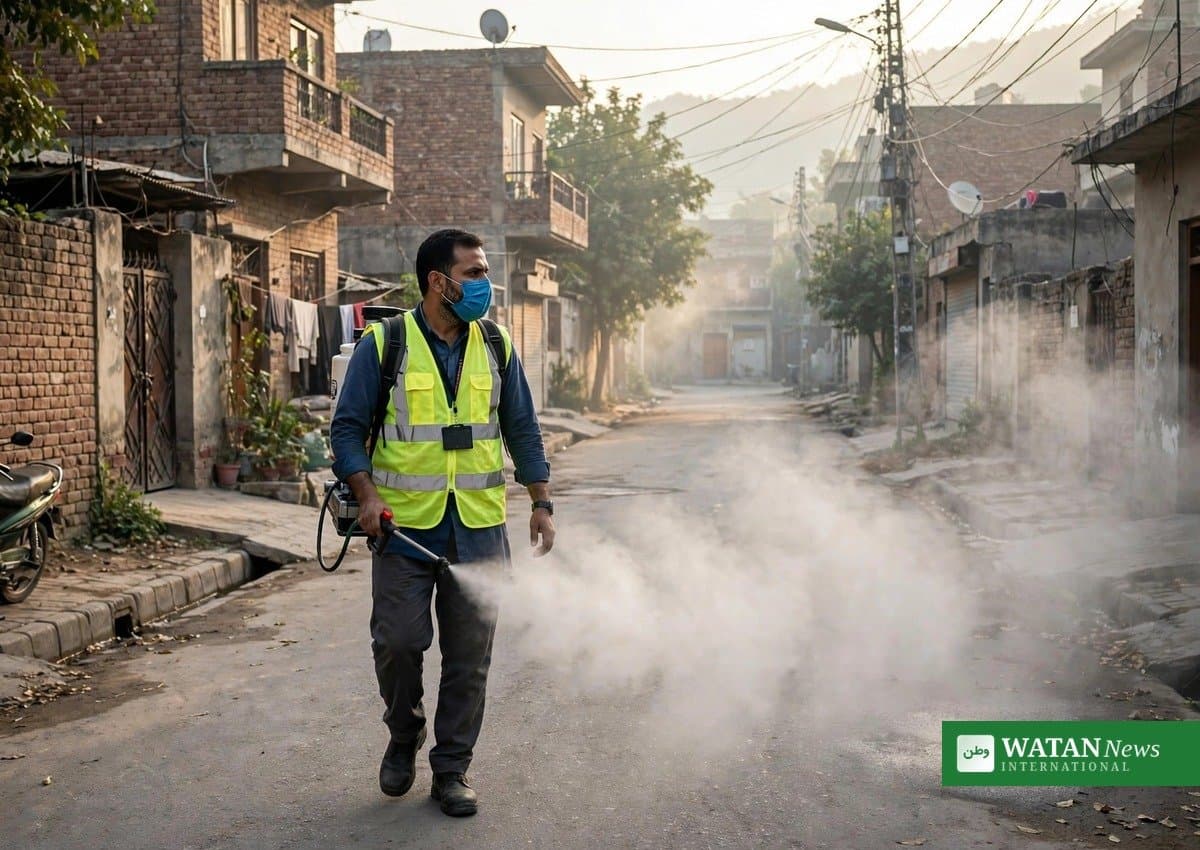
Real GDP growth reached 4% in the first three quarters of FY26, though higher energy prices and supply disruptions dented momentum, leaving full-year growth estimated at 3.6%. Headline inflation eased to about 10.3% in September after peaking in May, while core inflation stayed contained. The current account was broadly balanced in FY26 on the back of strong remittances, and gross reserves climbed to about $21.5 billion by end-September.
The IMF also pointed to recent sovereign rating upgrades and renewed international market access as signs of stronger policy credibility.
Climate Resilience and the Road Ahead
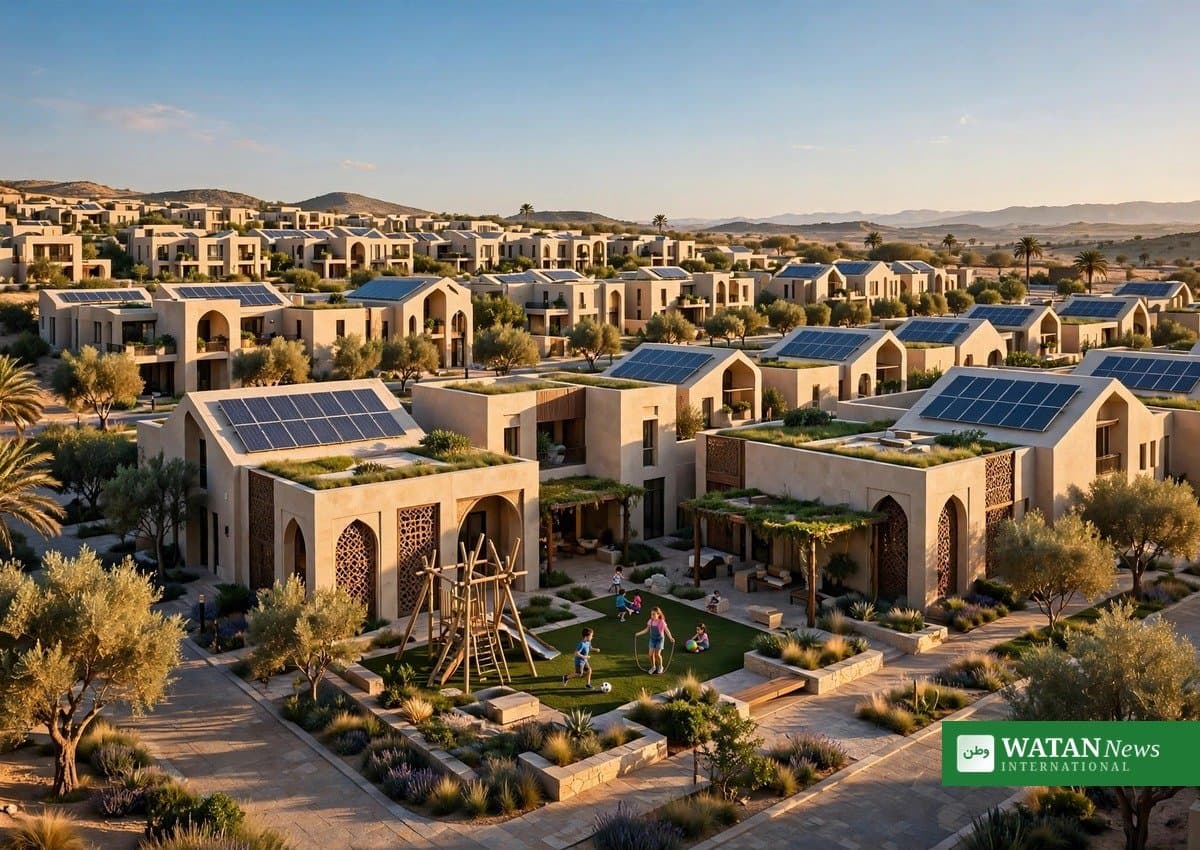
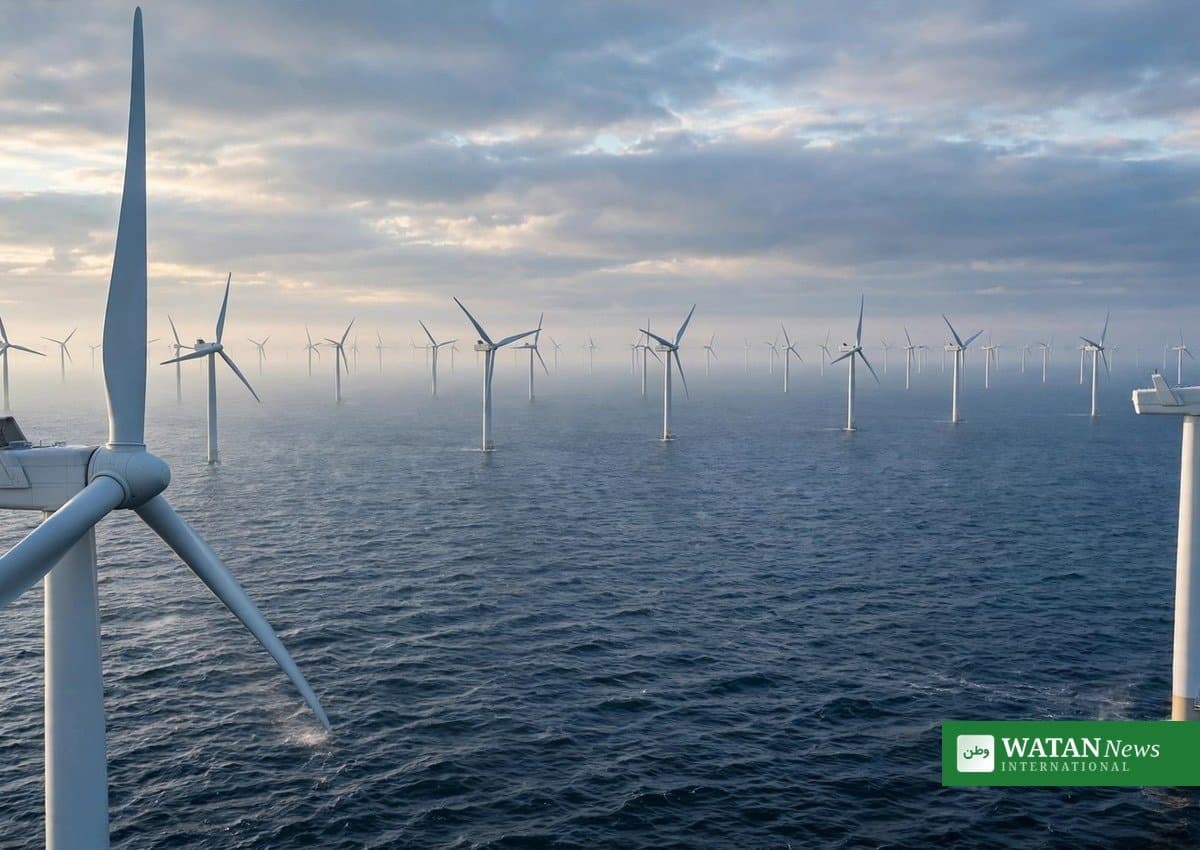
Pakistan is advancing its climate reform agenda under the RSF, aiming to strengthen resilience to climate-related risks and reduce vulnerabilities to climate change impacts. The Article IV consultation focused on reforms for structural transformation — shifting toward higher value-added activities, strengthening competition, reducing regulatory and trade barriers, advancing privatization, and improving the business environment.
The government has reiterated its commitment to maintaining macroeconomic stability and strengthening public finances, with energy sector viability and social protection among the key goals.
The Fund cautioned, however, that risks remain high from geopolitical tensions, volatile energy prices, tighter global financial conditions, and trade disruptions.
Conclusion
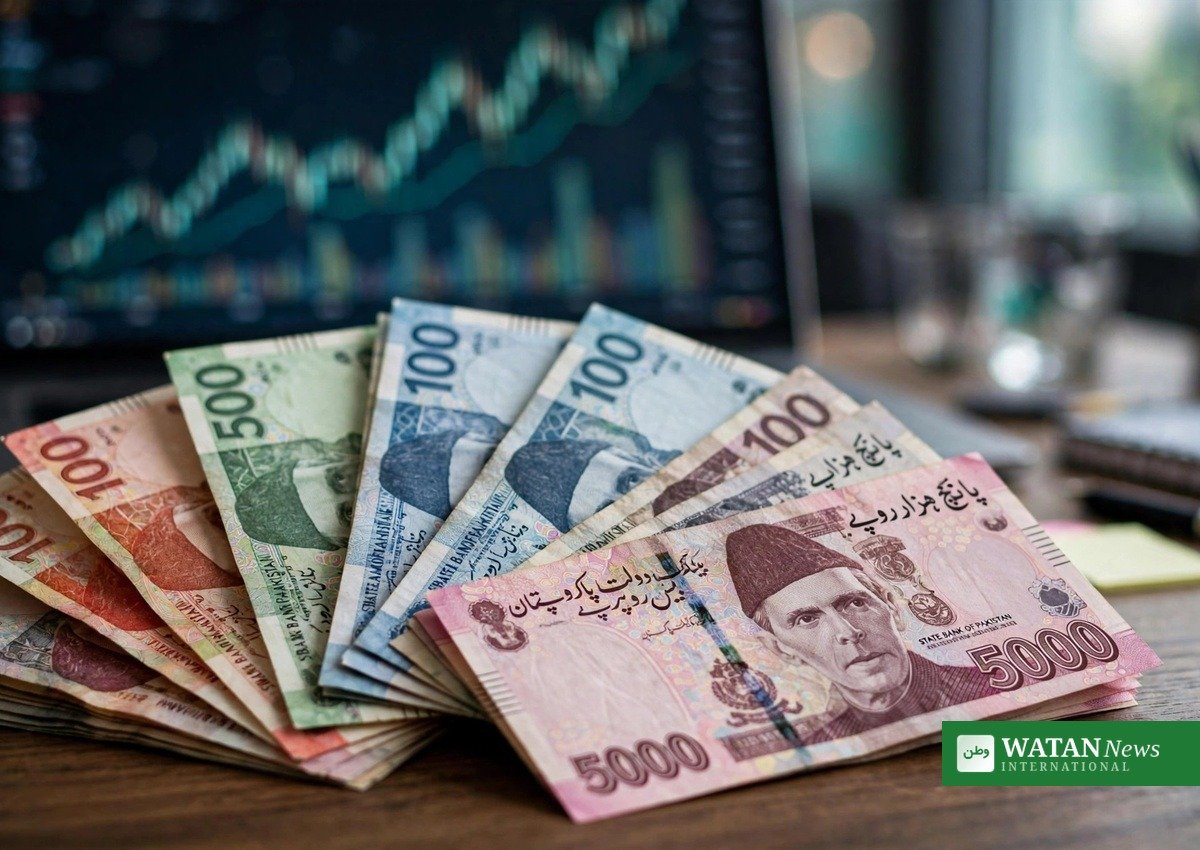
The staff-level agreement between Pakistan and the IMF marks a significant step toward economic stabilization and reform. Access to about $1.2 billion will provide crucial support for Pakistan’s economic programs, including efforts to enhance climate resilience — once the IMF Executive Board gives its final approval.
The government’s commitment to macroeconomic stability and structural reforms remains central to navigating the current economic landscape and fostering sustainable, private sector-led growth.
Read also: IMF, Pakistan reach staff-level agreement on $1.2bn disbursement on watannews.dk.