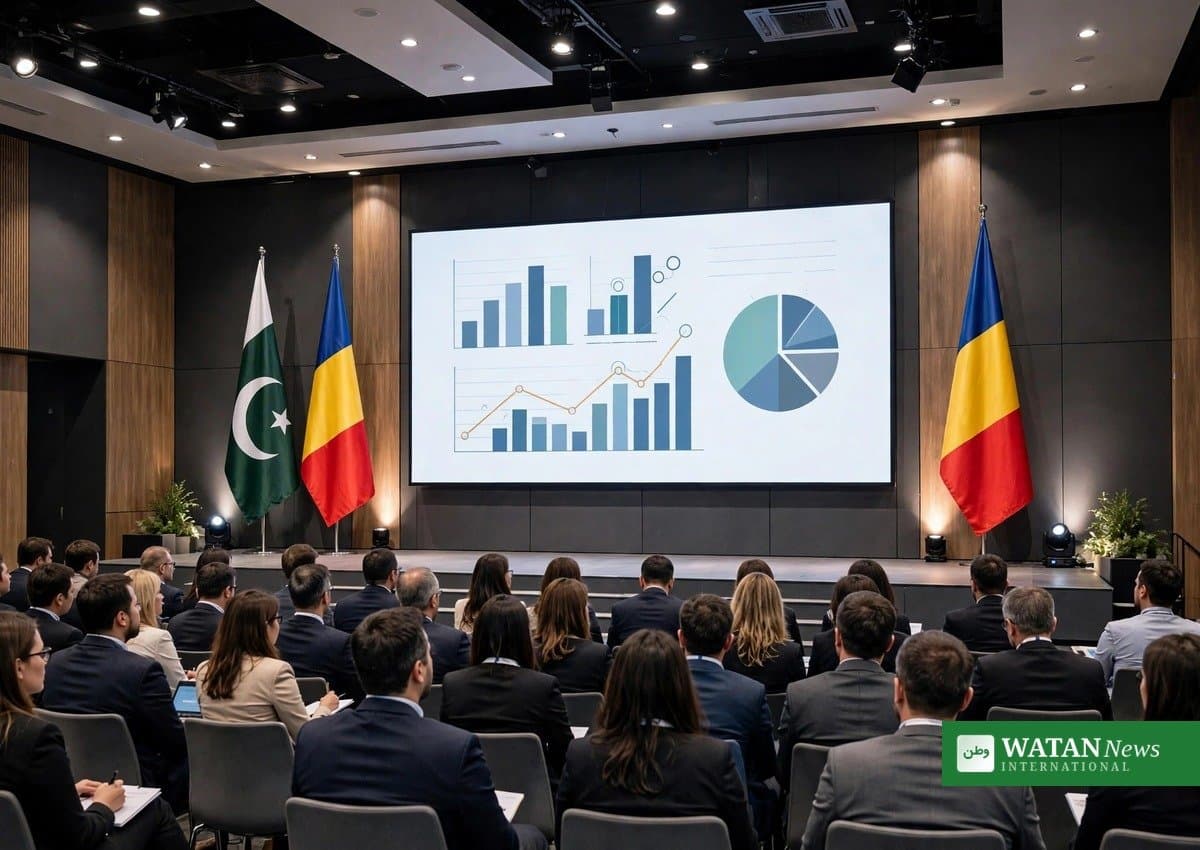
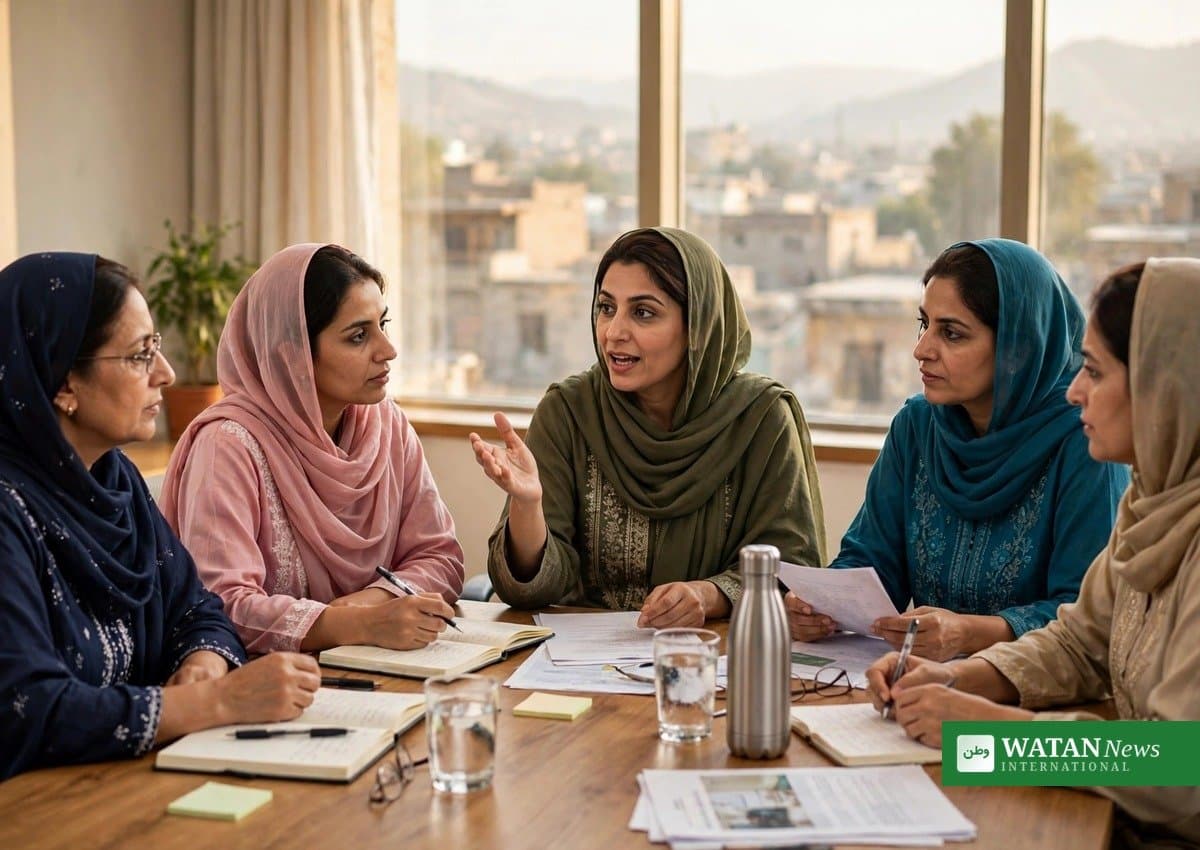
The Khyber Pakhtunkhwa Commission on the Status of Women (KPCSW) and UNICEF have agreed to deepen their cooperation to advance the rights and empowerment of women and girls across the province. The KPCSW UNICEF partnership was discussed at a meeting in Peshawar between KPCSW Chairperson Dr Sumera Shams and the head of UNICEF’s field office in Khyber Pakhtunkhwa, with the two sides agreeing to work together on girls’ protection, women’s participation in climate action, and access to clean water, sanitation and hygiene (WASH).
The meeting underlines a push to move beyond policy statements toward measurable outcomes for women in Pakistan’s northwestern province, where the commission is the statutory body tasked with monitoring women’s rights. Both sides stressed that institutional coordination — between a government commission and an international agency with deep field experience — is essential for lasting change.
Key facts
- Who met: KPCSW Chairperson Dr Sumera Shams and UNICEF’s Khyber Pakhtunkhwa field chief, Radoslaw Rzehak.
- Where: Peshawar, Khyber Pakhtunkhwa.
- Focus areas: protection of girls’ rights, women’s empowerment, women’s participation in climate initiatives, and WASH services.
- Institutional goal: strengthening the commission’s monitoring and evaluation systems, data collection and programme design.
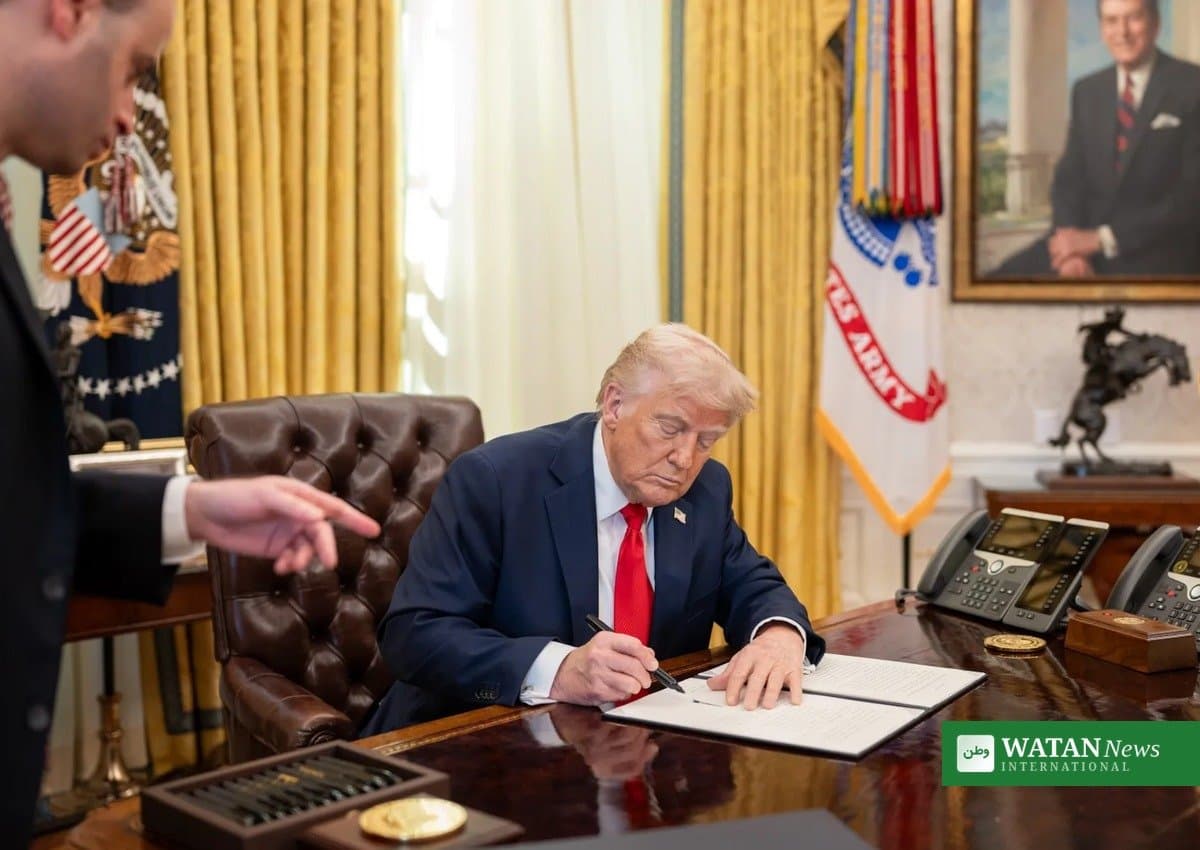
- Policy backdrop: the KP Women Empowerment Policy 2026–2030, launched in March 2026 with the commission’s support, sets the province’s gender-equality roadmap.
What the KPCSW–UNICEF partnership covers
Stronger institutions and monitoring
A central aim of the cooperation is to sharpen the commission’s institutional capacity. That includes upgrading its monitoring and evaluation systems, improving data collection and analysis, and making existing and future programmes for women and girls more effective across the province’s districts, including the merged areas.
Women’s role in climate action
The two sides recognised that women in Khyber Pakhtunkhwa are on the front line of climate impacts — from floods to water scarcity — and agreed to push for their greater participation in climate-related decision-making. Planned efforts include integrating gender perspectives into climate strategies, building women’s capacity for environmental advocacy, and supporting women-led climate resilience projects.
Clean water, sanitation and hygiene
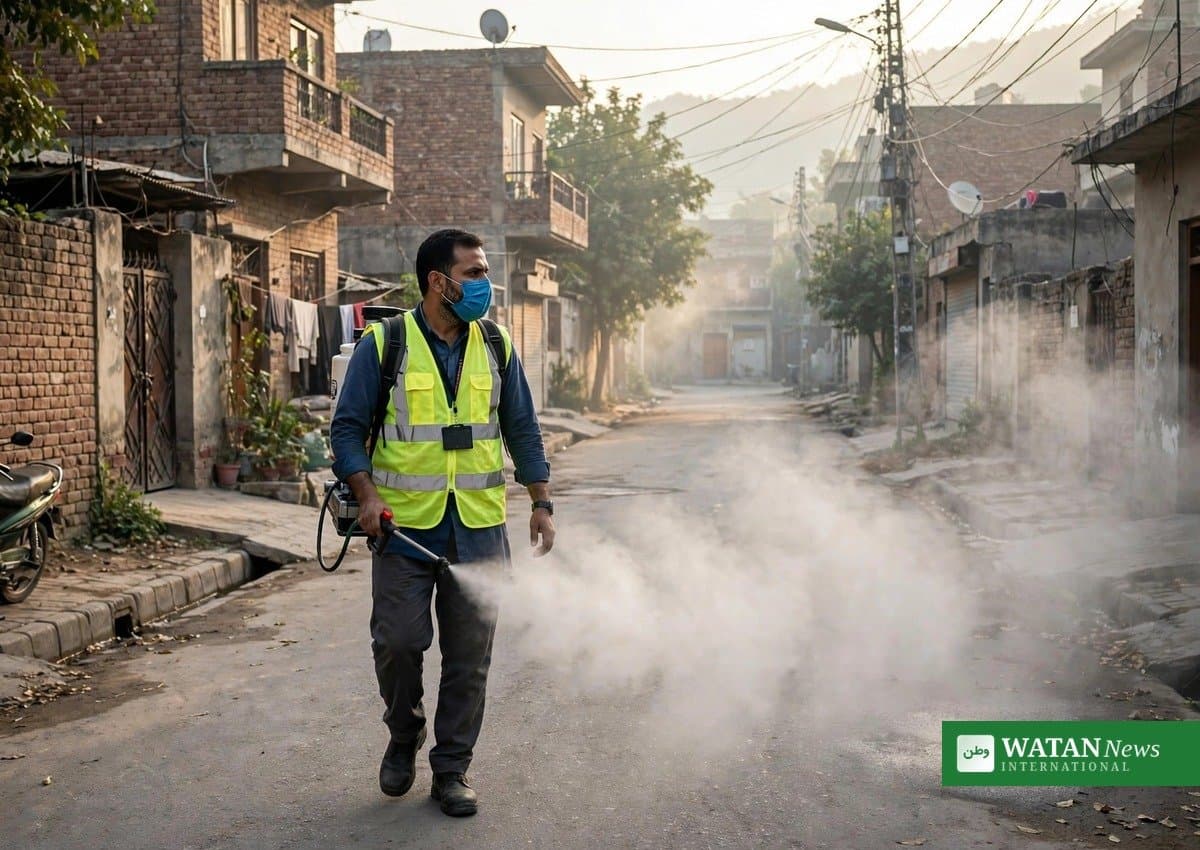
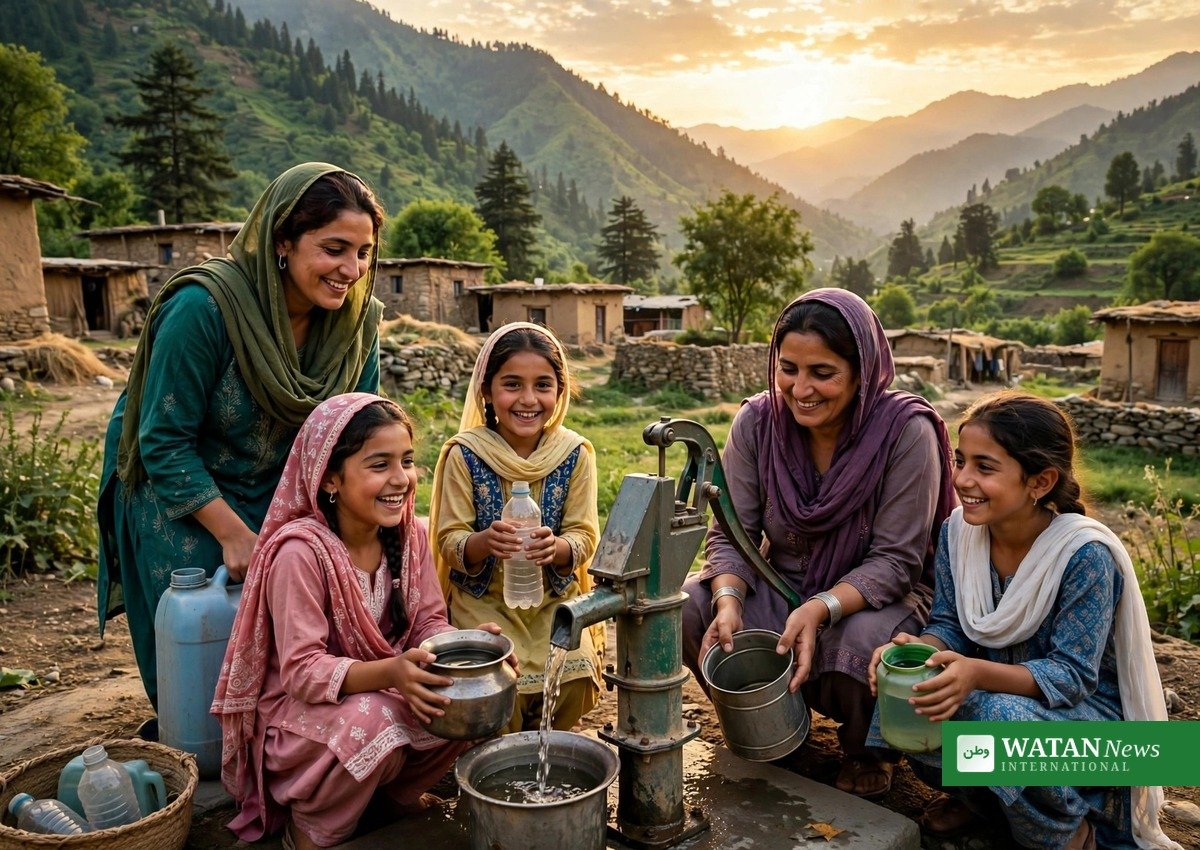
Access to safe drinking water and adequate sanitation remains uneven in many parts of the province, and women and girls carry the heaviest burden. The partnership will prioritise sustainable, community-tailored WASH solutions, women’s involvement in planning and managing facilities, and hygiene education aimed particularly at adolescent girls.
Protecting girls’ rights
Strengthening protection mechanisms for girls is another pillar of the agreement. The agenda includes action against child marriage and gender-based violence, keeping girls in school and reducing dropout rates, and securing adolescent girls’ access to education and essential health services — areas where the commission already works with partners such as Blue Veins and the Malala Fund.
Conclusion
The KPCSW–UNICEF understanding marks a practical step toward turning Khyber Pakhtunkhwa’s women’s-rights commitments into results on the ground. By pairing the commission’s statutory mandate and oversight role with UNICEF’s technical and field experience — from child protection systems to WASH delivery — the partnership for women’s empowerment in Khyber Pakhtunkhwa aims to deliver tangible improvements in the lives of women and girls across the province. Whether it does so will depend on follow-through: joint work plans, district-level coordination and the stronger monitoring both sides say they want.