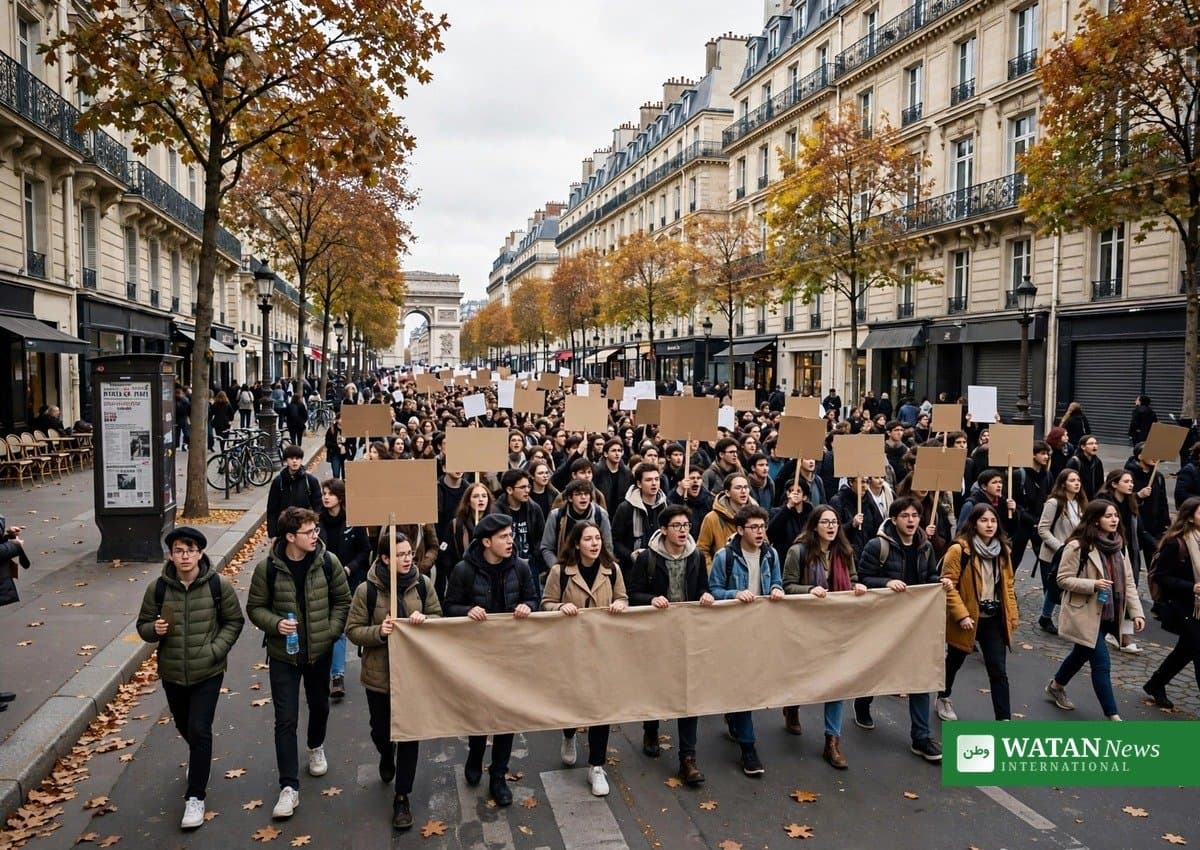
Tens of thousands of young people across France are taking to the streets in the country’s biggest youth-led protest wave in years, shutting schools and forcing the government onto the defensive. What began on September 17 as a blockade at a high school in the Paris suburb of Créteil has grown into a nationwide France youth protests movement over overcrowded classrooms, unfilled teaching posts and crumbling buildings — with 400 to 500 of France’s roughly 3,700 high schools closed this week and fresh demonstrations planned.
Key facts: the France youth protests
- Start: September 17, 2026 — students blocked a lycée in Créteil, southeast of Paris, a day after a teachers’ strike over unfilled posts and equipment shortages.
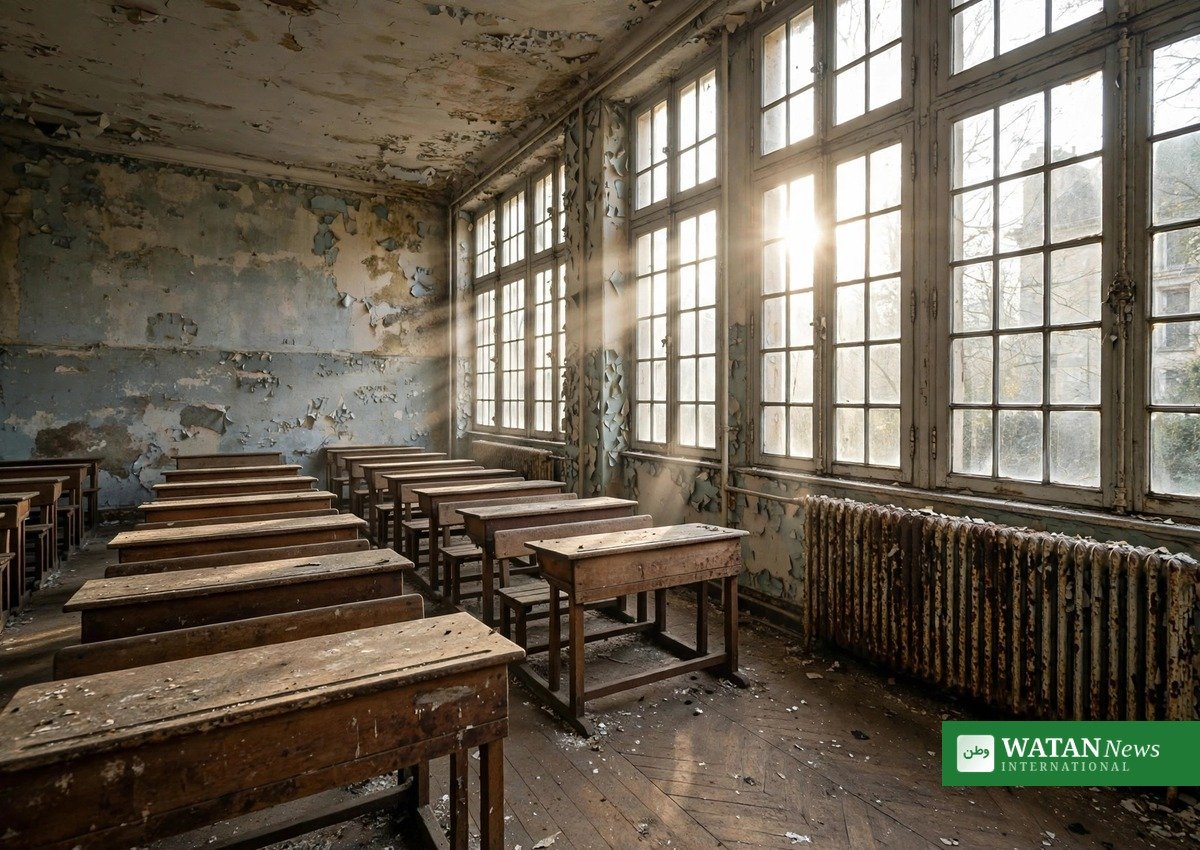
- Grievances: classes of up to 35 pupils, missing teachers, long school hours, dilapidated buildings, and schools with no nurses or social workers.
- Scale: protests in Marseille, Lyon, Lille, Nantes, Saint-Denis, Aubervilliers, Pantin and Bordeaux; around 30 university campuses joined blockades; 400–500 high schools were closed on October 5 on safety grounds.
- Escalation: 24 schools burnt or ransacked; more than 5,000 arrests, the vast majority minors; over 170 pupils and 78 staff injured, plus hundreds of injured police officers, according to the interior and education ministries.
- Demands: the secondary-school union Union Syndicale Lycéenne lists four — more teachers and staff, better buildings, smaller classes, and an end to the stress of the Parcoursup university admissions system.
- Politics: Education Minister Édouard Geffray accuses far-left activists of hijacking the movement; the government’s unpopular 2027 budget cuts add a wider political charge.
How the France youth protests began
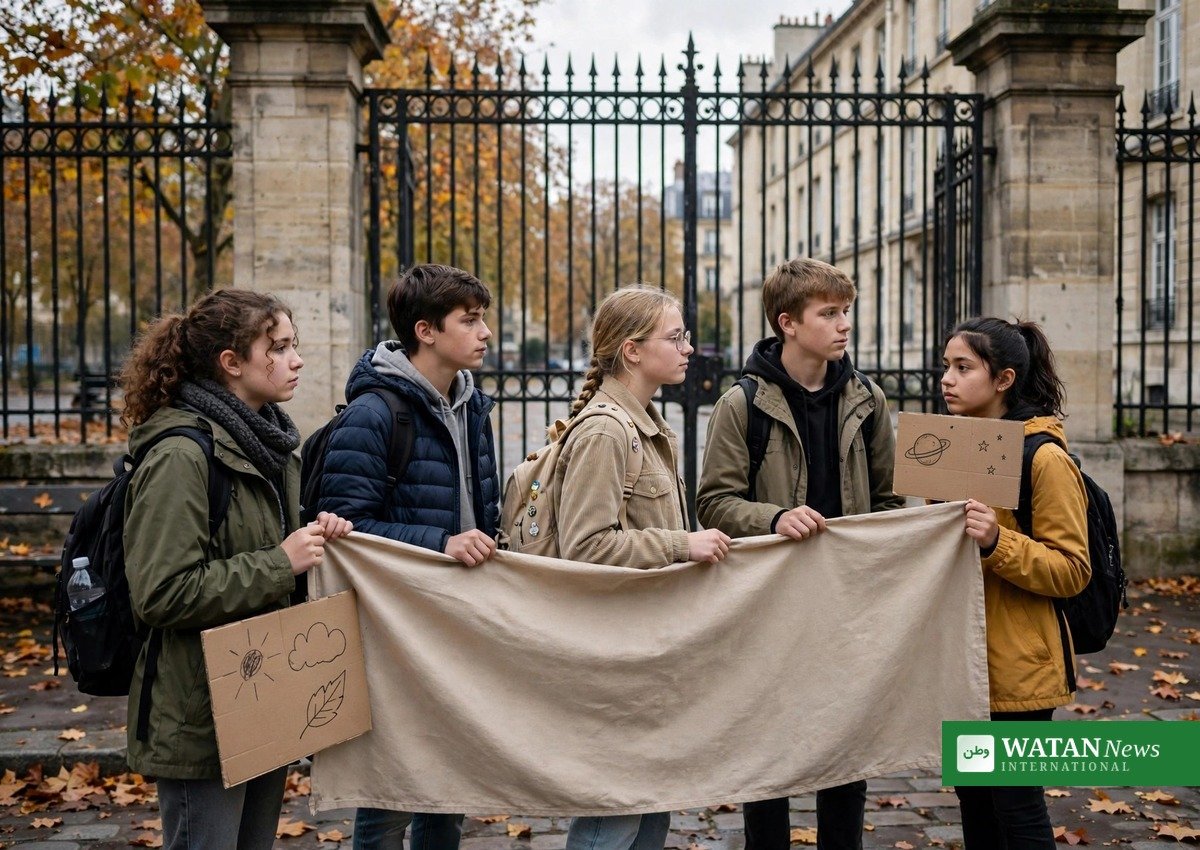
French media treat the blockade at Lycée Saint-Exupéry in Créteil as the start of the national wave. Students and teachers raised concerns over a shortage of teaching staff, long school hours and inadequate resources, carrying hand-written signs with the message that became the movement’s slogan: school is a right, not a privilege.
The protest was initially about teaching posts and equipment. Once videos of the blockade circulated on social media, it became a template — and within days, students across France were staging their own blockades and marches demanding action on overcrowded classrooms, teacher shortages and poor facilities.
What students are demanding
The protesters cite the same list of grievances everywhere: classes of 32 to 35 pupils, unfilled teaching posts, sweltering and dilapidated buildings, timetables full of gaps, and schools without nurses or social workers. In Aubervilliers, students at Lycée Le Corbusier held signs reading “Our address should not decide our future” — an argument that schools in poor suburbs face the worst conditions.
Maisa, a 17-year-old from a poor Paris suburb, told reporters she sat last year’s high school French exam without a French teacher. “These are not conditions to study in,” she said — a sentiment echoed by students who say disadvantaged areas and France’s overseas territories are hit hardest by underinvestment.
The Union Syndicale Lycéenne, the secondary-school students’ union led by Ryad Rani, has named four core demands: more teachers and staff, better buildings, smaller classes, and an end to the stress caused by the Parcoursup university admissions system. After a meeting with Geffray on October 2 left union leaders disappointed, they called for the mobilisation to continue — and major trade union confederations including the CGT said they would join a further day of action.
Hundreds of schools shut as the protests escalate
The government’s response has itself become part of the story. On October 4, Education Minister Geffray said between 400 and 500 of France’s roughly 3,700 high schools would be totally or partly closed because security conditions could not be guaranteed ahead of further planned action. Many switched to remote learning.
While many demonstrations remained peaceful, some escalated into violence. French media report that more than two dozen schools have been set on fire or ransacked, barricades of bins set alight, and staff and police attacked. The interior ministry said 5,060 arrests were made in the wave’s first weeks, with minors accounting for about 87 percent; on October 1 alone, 1,949 people were arrested, around 90 percent of them minors.
Police responded with tear gas and baton charges in several cities, and reporters documented serious injuries among protesters, including eye injuries and broken teeth — fueling the students’ anger and allegations of heavy-handed policing. Geffray claimed far-left activists had “infiltrated” and “hijacked” the movement, a charge student leaders reject.
A wider generational revolt
The movement taps into a broader anxiety among young people about economic security and the erosion of public services. The demonstrations coincide with a sensitive political moment: the government announced a series of deeply unpopular spending cuts in its 2027 budget last week, adding a wider political dimension to the dispute over education spending.
Similar youth-driven unrest is surfacing elsewhere in Europe — notably in Spain, where protests over the housing crisis and low wages are pushing labour unions toward a general strike. For France’s students, the question now is whether the weeks of blockades, marches and closed schools will translate into funding commitments — and whether the movement can hold together as the confrontations turn some parents and teachers against it.
Conclusion
The France youth protests are the most significant student mobilisation France has seen in decades — and they are about more than classrooms. What started as a school blockade over missing teachers has become a national argument about what the state owes its young people: safe buildings, enough teachers, and a fair shot regardless of postcode. With hundreds of schools closed and a government offering closures and condemnations rather than answers, the streets are likely to stay loud in the weeks ahead.