DOHA — A tanker attack off Qatar’s northern coast on Wednesday left casualties reported, the United Kingdom Maritime Trade Operations (UKMTO) agency said. It is the second tanker attack near Qatar in two days, as assaults on Gulf energy shipping climb to their highest level since the US-Iran war began.
FAKTA
- Wednesday attack: a tanker was hit by multiple projectiles 51 nautical miles north of Qatar’s Madinat ash Shamal, with casualties reported, according to UKMTO. The vessel’s nationality was not specified.
- Tuesday attack: another tanker was struck by two projectiles 17 nautical miles north of Qatar’s Ras Laffan industrial hub. One caused a fire that was extinguished; the second remains unexploded in the vessel’s engine room. The crew is safe and no environmental impact was reported.
- Source of the projectiles is unconfirmed; UKMTO says investigations are ongoing.
- Escalation: tanker attacks in the Strait of Hormuz reached their highest weekly level since the Iran war began on February 28, maritime security sources say.
- Market impact: oil prices rose on Thursday — Brent crude to $101.53 a barrel, US WTI to $89.39.
Tanker Attack Qatar: Two Strikes in Two Days
The latest tanker attack off Qatar was reported by UKMTO on Wednesday, occurring at 1900 UTC approximately 51 nautical miles off the Qatari coast. The agency said casualties were reported and that authorities are investigating the incident. UKMTO advised vessels to transit the area with caution.
A day earlier, at 22:35 UTC on Tuesday, a tanker was hit by two projectiles about 17 nautical miles — 31 kilometres — north of Ras Laffan, Qatar’s industrial hub. UKMTO confirmed that one projectile caused a fire, which has since been extinguished, while the other remains unexploded inside the vessel’s engine room and is being investigated by the relevant authorities. The vessel suffered damage above the waterline. Its crew was reported safe, with no environmental impact.
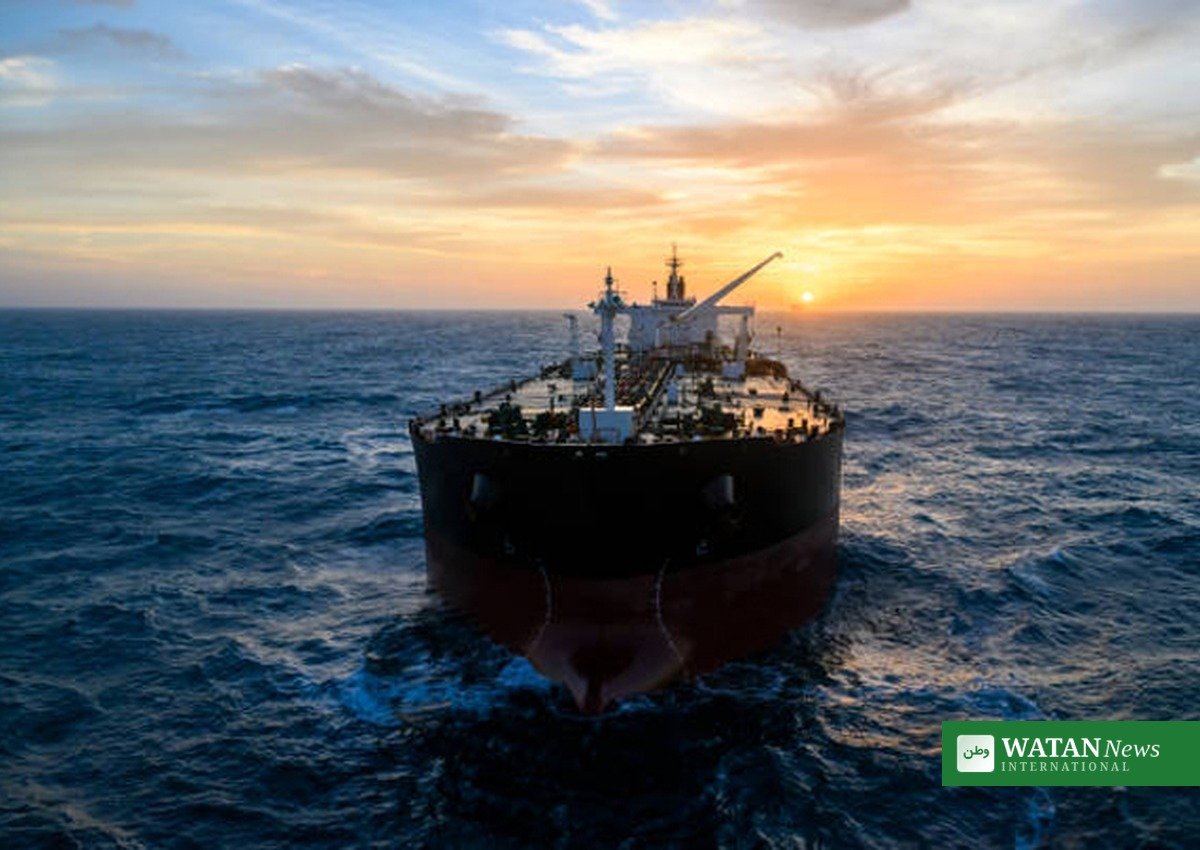
An oil tanker sails through the Gulf. Attacks on commercial shipping in the region have reached their highest weekly level since the war with Iran began, maritime security sources say.
Shipping Traffic Falls to Wartime Low
The attacks have driven vessel traffic through the Strait of Hormuz to its lowest level in more than two months. Data from analytics firm Kpler showed only seven commodity vessels passed through the strait on Tuesday — the lowest figure since July 23. Transits edged up to 10 on Wednesday but remained well short of the daily tally of more than 20 on Sunday and Monday.
Crude crossing the strait fell 27 percent from a wartime high the week before, to at least 10.1 million barrels a day, Kpler analysts wrote in a note on October 6. That is 74 percent of its pre-war level. Before the February 28 start of the Iran war, about 125 large commercial vessels went through the strait each day, carrying cargoes that accounted for a fifth of global supplies of crude oil and liquefied natural gas.
Oil Prices Climb on Supply Fears
Oil prices rose on Thursday as the attacks intensified concerns over the security of Middle East oil supplies. Brent crude futures rose $1.33 to $101.53 a barrel, while US West Texas Intermediate gained $1.11 to $89.39. At least 12 incidents — including attacks, attempted attacks, drone surveillance and radio harassment — were recorded between September 28 and October 5, the highest weekly total since the war began.
Pattern of Attacks Widens
The Qatar strikes are part of a broader wave of attacks on Gulf shipping. Kuwait said on Tuesday that one of its fully loaded oil tankers was targeted off Dubai, triggering a fire. Earlier on Tuesday, India said 12 crew members of the Panamanian-flagged tanker MT On Peace were injured after it was struck by a projectile while transiting the Strait of Hormuz off the coast of Oman. The tanker’s crew of 19 included 17 Indians; Omani authorities helped evacuate the injured, who are receiving treatment in Khasab.
Read the same story on Watan News, and follow our World coverage.