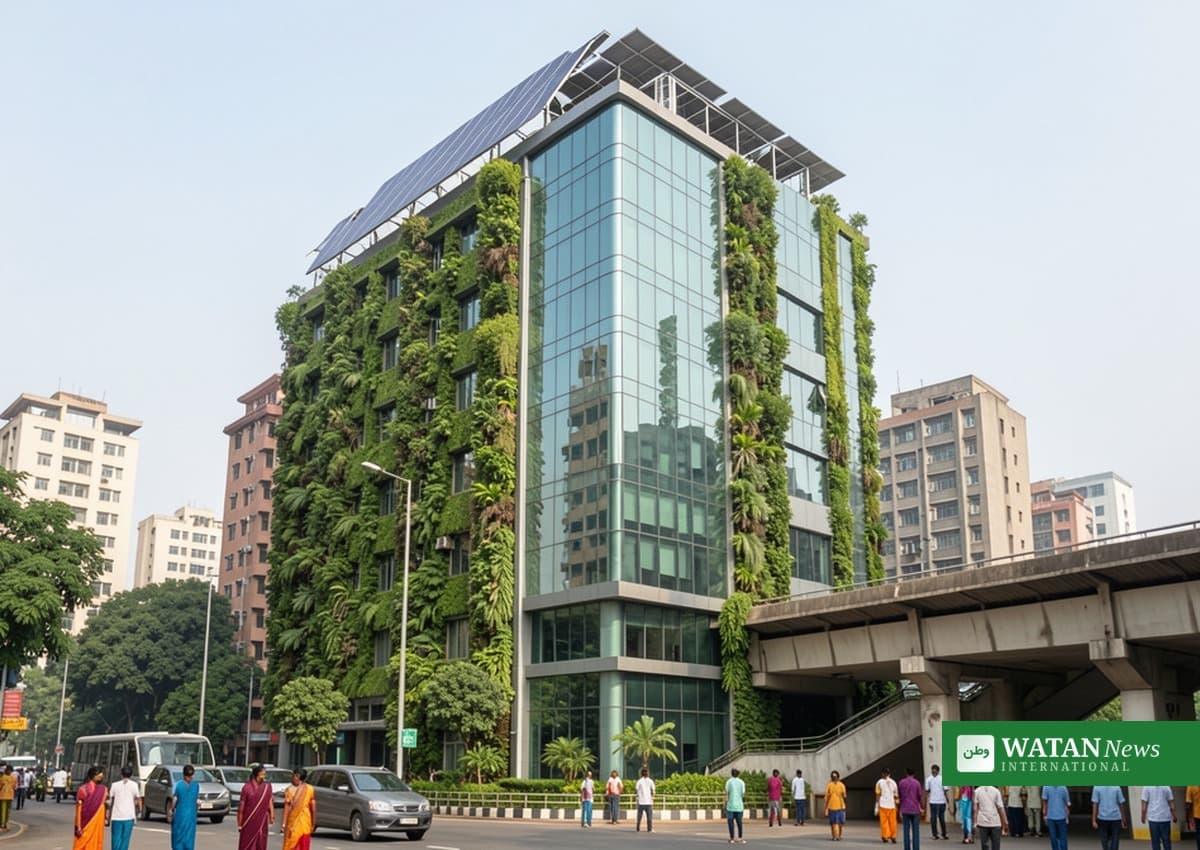
India’s green building movement took a major step forward in Mumbai this week, as the Green Building Congress 2026 launched five new rating systems designed to make the places where people live, shop, study and heal healthier — and far less hungry for energy.
The 24th edition of the congress, organised by the Confederation of Indian Industry’s Indian Green Building Council (CII-IGBC), ran from 26 to 28 November at the Jio World Convention Centre in Mumbai under the theme “Forging a Sustainable Future – Do Good, Feel Good. Building Greener Worlds Together”.
FAKTA
- Event: Green Building Congress 2026, 26–28 November 2026, Jio World Convention Centre, Mumbai
- Organiser: CII-IGBC, celebrating 25 years of India’s green building movement
- New: five pilot rating systems — Green Retail, DigiBuild, Health and Well-being, Green Healthcare Facilities and Green Service Building
- Partnerships: MoU with Bhutan’s National Housing Development Corporation; MoU with the Consortium of Accredited Healthcare Organisations (CAHO)
- Scale: India’s green building footprint now exceeds 16.55 billion sq ft across more than 20,620 registered projects
- Milestones: mainstream green buildings by 2030; net-zero buildings and communities by 2035; India’s net zero by 2070
Five new rating systems take green building beyond homes and offices
Until now, green building ratings in India have focused mainly on homes and offices. The five pilot systems launched in Mumbai extend the same idea into everyday spaces: shops, hospitals, service buildings and the digital tools used to design and run them.
The Green Retail Rating System covers shops and shopping spaces, while DigiBuild addresses digital construction and building management. The Health and Well-being Rating System puts the health of the people inside a building into the design itself — daylight, fresh air, and materials that do not harm health. The Green Healthcare Facilities Rating System does the same for hospitals and clinics, and the Green Service Building Rating System covers service-sector buildings.
The message from the congress was that a green building is not only about saving energy. It is also about the air people breathe indoors, the light they work in, and how a building copes with heat and water stress — questions that matter most in homes, schools and hospitals.
Two partnerships carry the idea across borders
The congress also signed two agreements that take India’s green building experience beyond its borders and into new sectors.
IGBC signed a memorandum of understanding with Bhutan’s National Housing Development Corporation (NHDCL). Under the agreement, IGBC will share technical guidance, training and capacity building, help develop green building standards and policies, and host exposure visits to IGBC-certified projects in India.
A second agreement, with the Consortium of Accredited Healthcare Organisations (CAHO), aims to make hospitals and medical colleges greener. Signed by CAHO president Dr Lallu Joseph and IGBC executive director S. Karthikeyan, it promotes energy and water efficiency, better use of resources, fewer healthcare-associated infections and stronger climate resilience in healthcare buildings. The two organisations plan joint research, knowledge sharing, capacity building and policy advocacy.
Why buildings matter for everyday life
Buildings shape daily life more than almost any other part of the climate challenge: they are where people spend most of their time, and where much of household energy is used. A recent UK analysis found a typical household can save £1,200 a year by going electric — and efficient buildings are the other half of that saving.
The International Energy Agency (IEA) reported on 5 November 2026 that improving the energy intensity of buildings by at least 25% globally by 2035 is achievable with technologies and policies that already exist. Its special report, prepared at the request of the COP31 Presidency, found the gains would come from four areas: more efficient equipment, better building envelopes, electrifying heating and cooking, and expanding access to clean cooking. Together, the measures could cut direct carbon dioxide emissions from buildings by nearly 40%, while lowering household energy bills. Nearly two billion people still lack access to clean cooking.
The same 25% goal was taken up at COP31 in Antalya, where governments launched the Antalya Compact for Energy Efficient Buildings, a voluntary push to cut buildings’ energy intensity by 25% by 2035. COP31 itself closed on 22 November without a final deal, but the buildings goal survived as a shared direction — and the Mumbai congress is one of the first places putting it into practice.
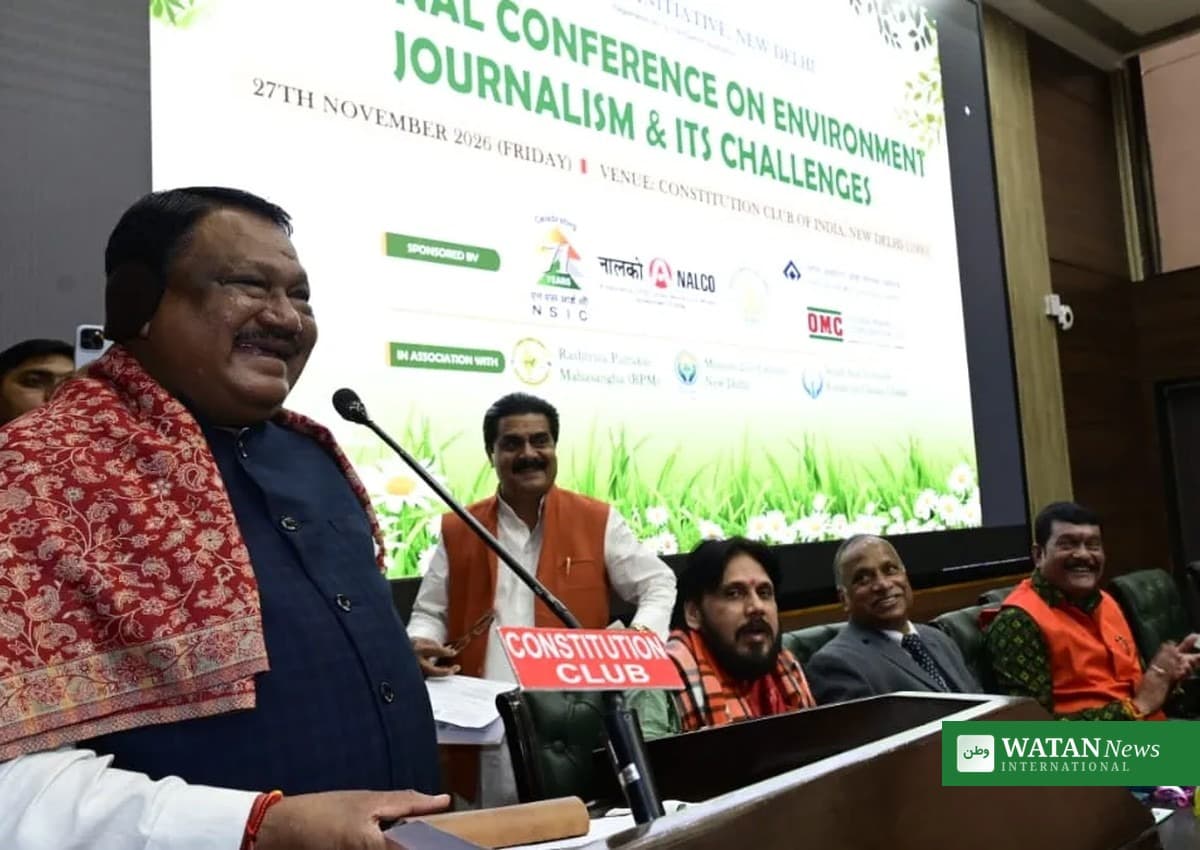
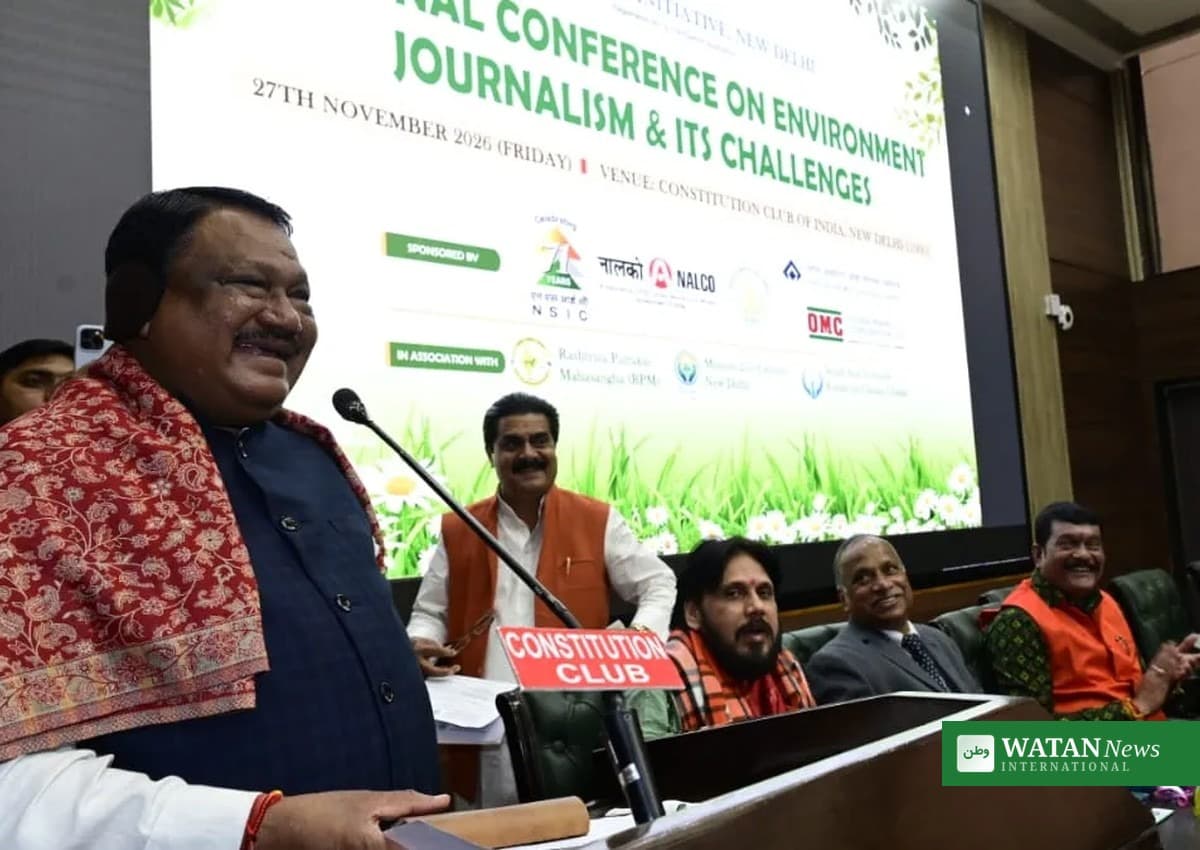
Maharashtra’s Governor, Jishnu Dev Varma, chief guest at the congress plenary, said sustainable development must translate into healthier homes, clean air and water, lower energy consumption and resilient communities. Maharashtra alone has more than 4,754 IGBC projects covering about 5.01 billion sq ft, and the state aims for 50% renewable energy by 2030.
What a greener home looks like in practice
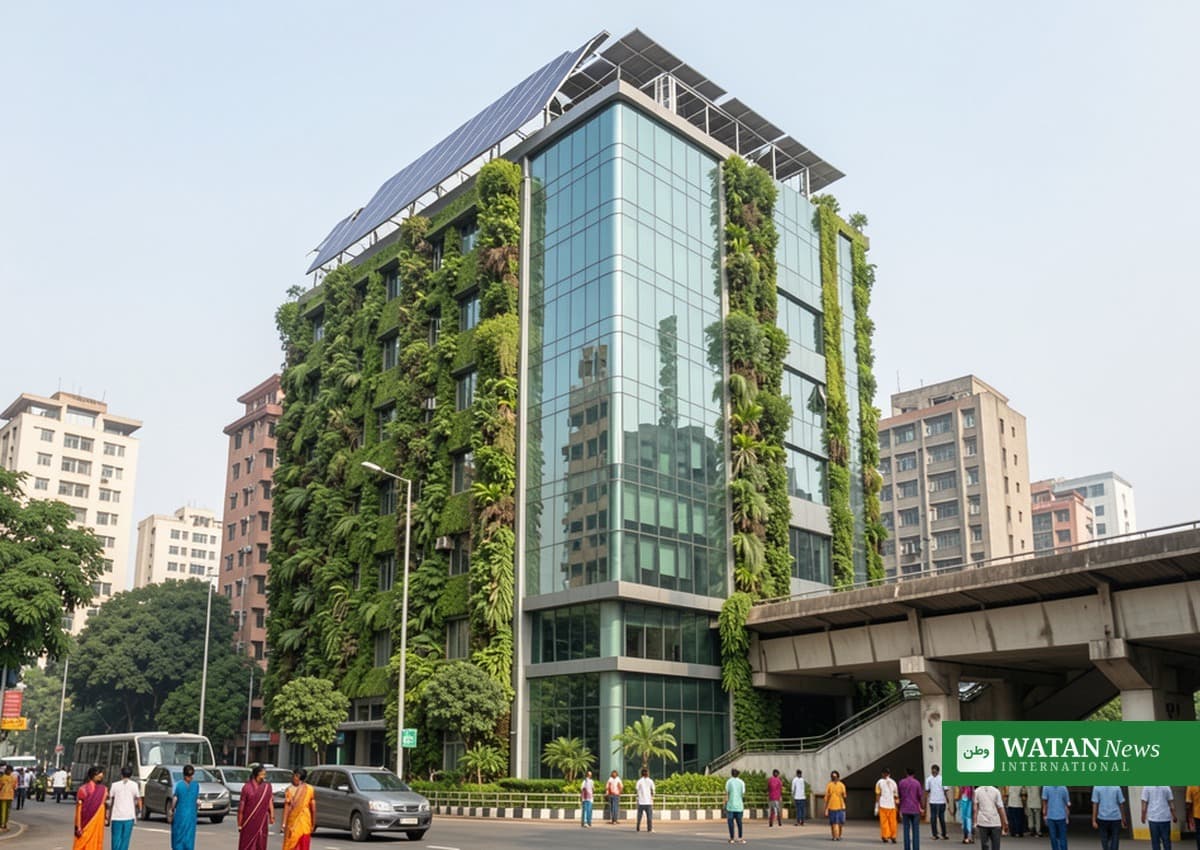
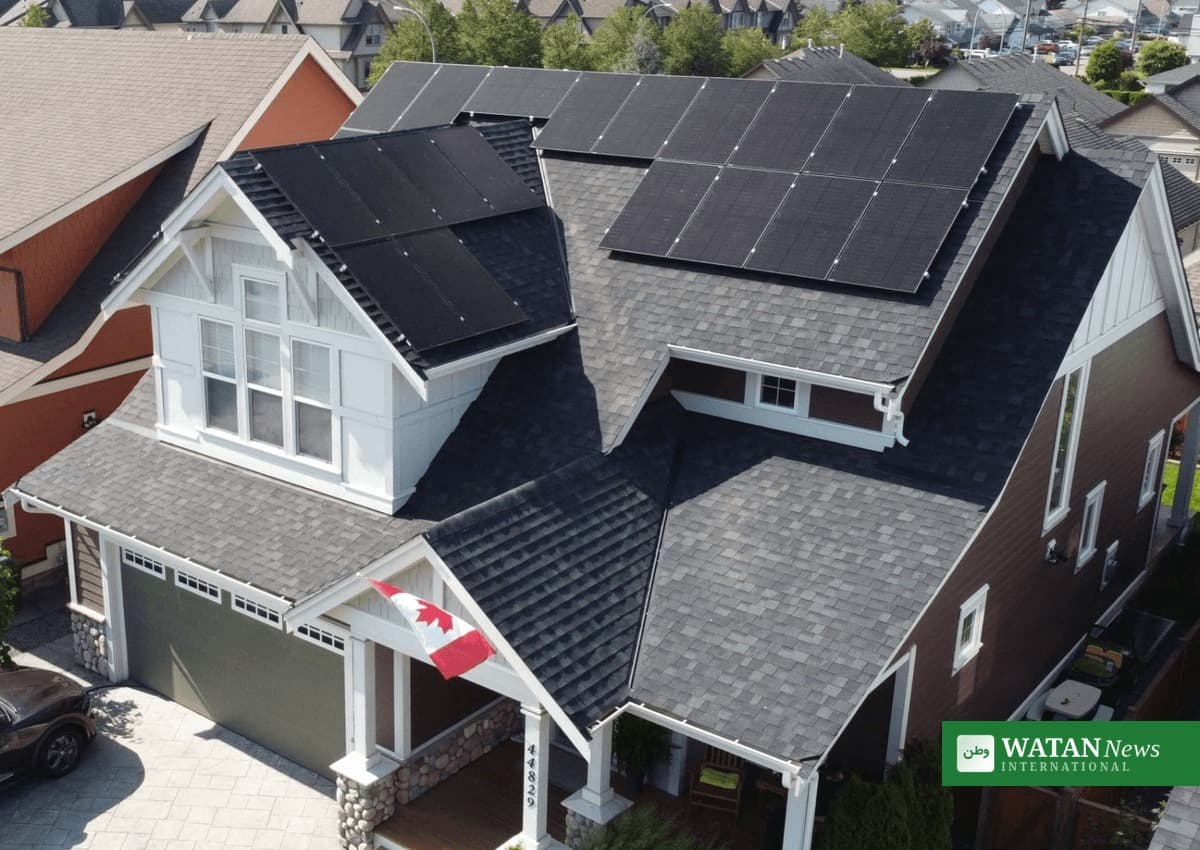
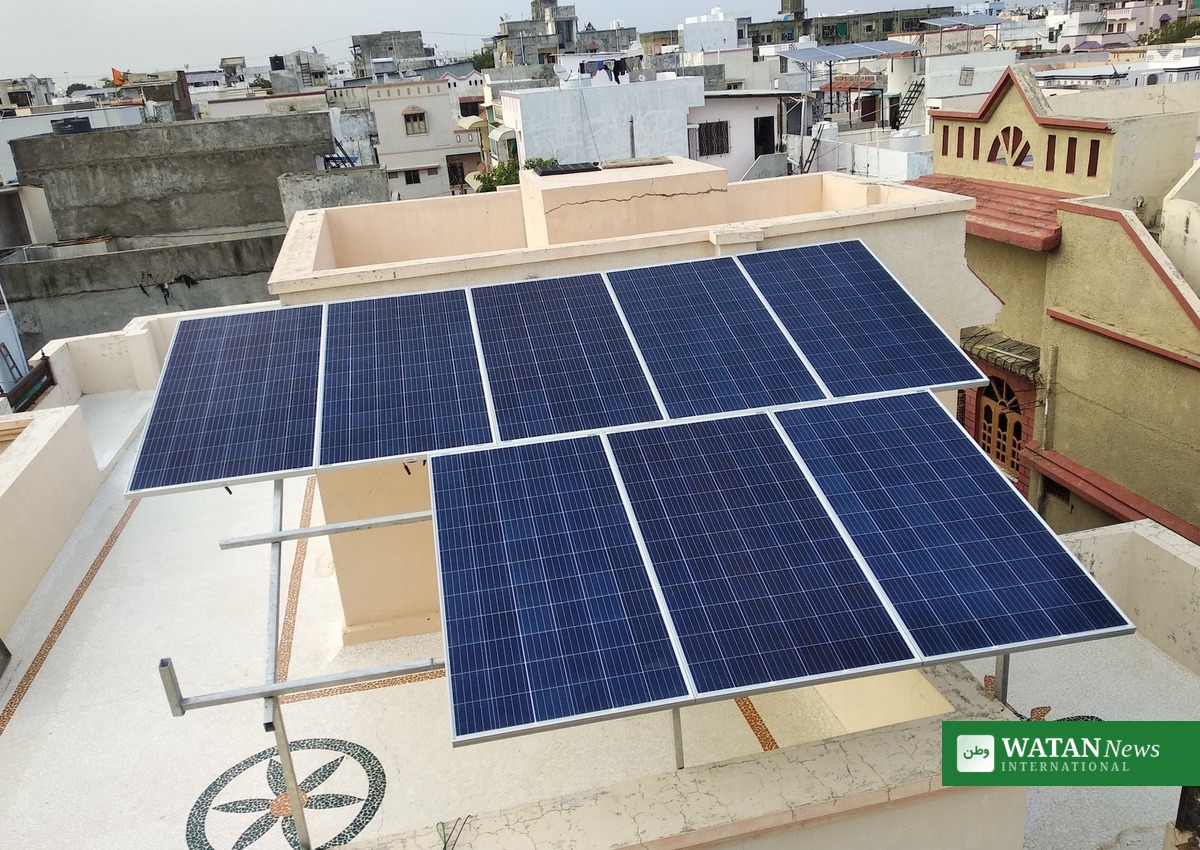
For households, the congress agenda translates into practical steps. A green home starts with the building itself: insulation, shading and natural ventilation that keep it cool without constant air conditioning. Efficient appliances, LED lighting and rooftop solar cut bills and emissions at the same time. Water-saving fixtures, rainwater harvesting and safe, healthy materials complete the picture.
The scale is already large: India’s green building footprint exceeds 16.55 billion sq ft across more than 20,620 registered projects, according to IGBC. The congress also showcased nearly 200 exhibition stalls of green building products and technologies, and unveiled a coffee table book featuring more than 100 exemplary green and net-zero projects from across India. The same shift is visible in skylines elsewhere: London’s Canary Wharf is home to the world’s tallest Passivhaus residential tower.
Speakers set out three milestones for the movement: mainstreaming green buildings by 2030, scaling net-zero buildings and sustainable communities by 2035, and contributing to India’s national net-zero commitment by 2070. As B. Thiagarajan, immediate past national chairman of CII-IGBC, told the congress, the next 25 years must turn sustainability “from an aspiration into the very foundation of India’s development”.
Princess Ashi Sonam Dechan Wangchuk of Bhutan, who gave the special address, urged the audience to ask whether cities are being built “in harmony with nature”, warning that climate change is “already transforming our lives”.
The congress closes on 28 November, but its test will come in the year ahead: whether the five new rating systems move from pilot launches into shops, hospitals and service buildings across India — and, through the Bhutan partnership, beyond it.