
The Philippines has reaffirmed its pledge to cut and avoid 75 percent of its greenhouse gas emissions under its 2026 Nationally Determined Contribution (NDC), while laying out a concrete plan to curb superpollutants — methane, black carbon and hydrofluorocarbons — at a global action summit in New York.
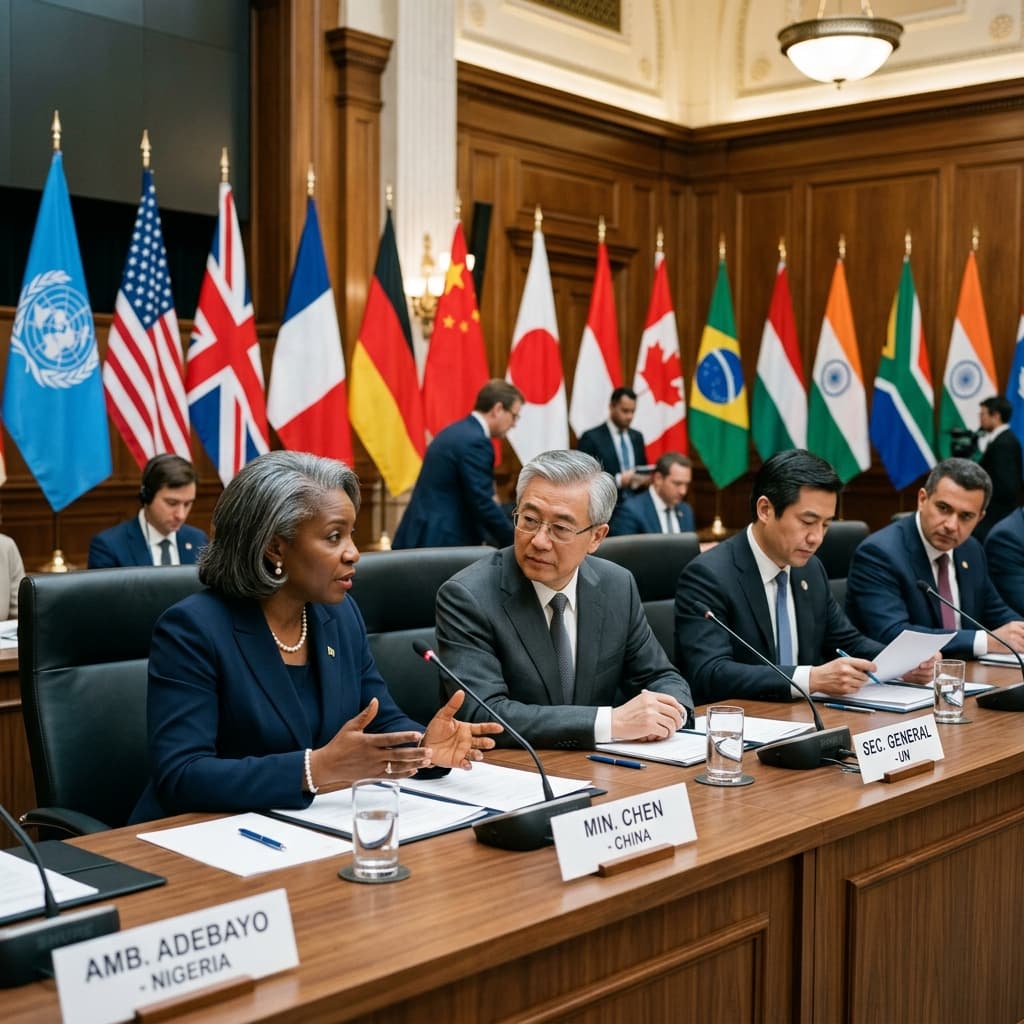
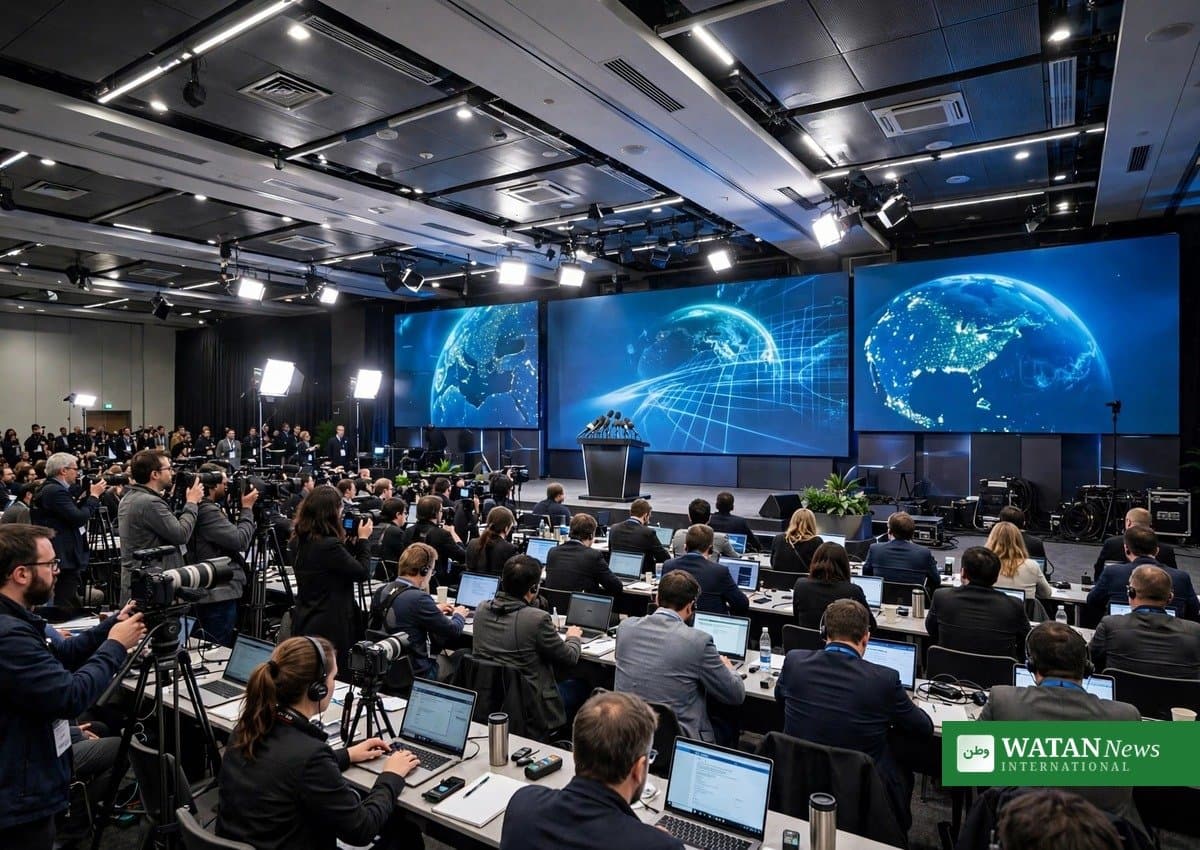
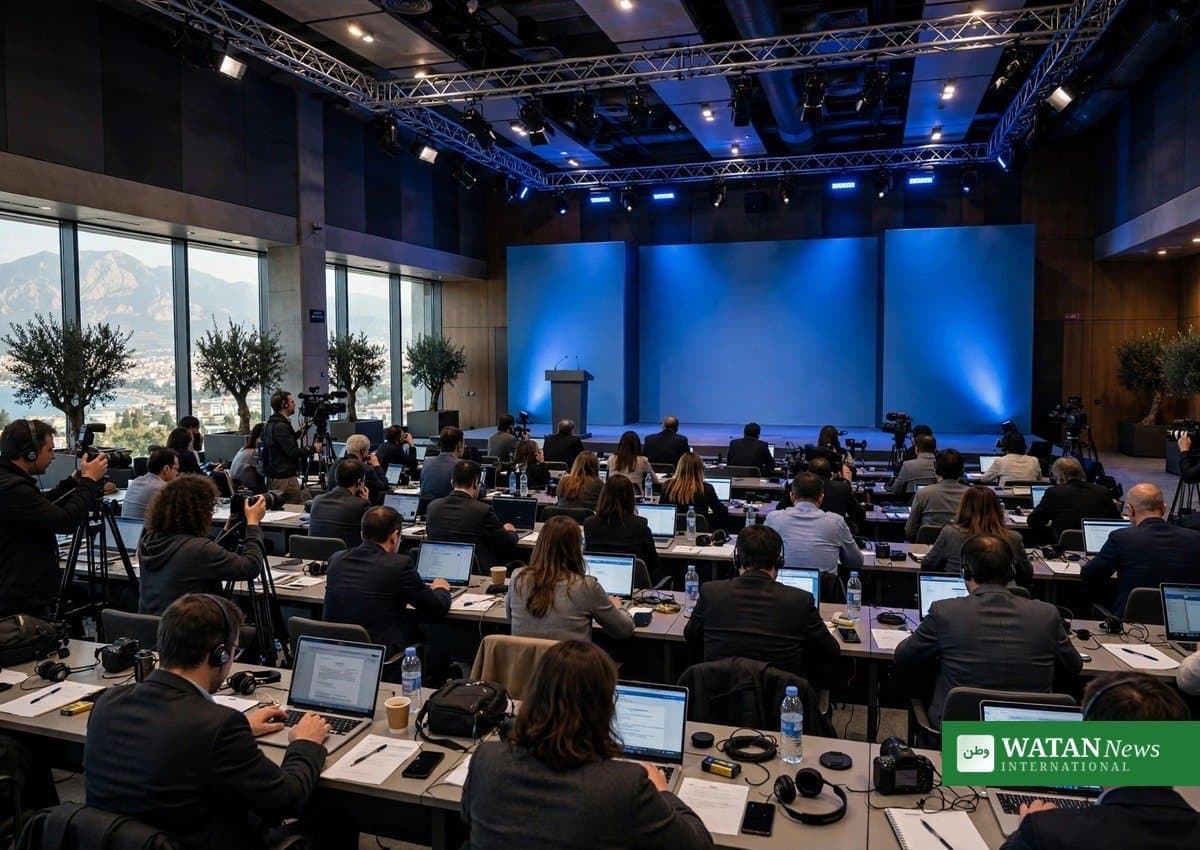
The announcements were made at the Superpollutant Action Summit, organized by the Climate and Clean Air Coalition (CCAC) and held alongside the 81st session of the United Nations General Assembly in New York. The summit brought together governments, businesses and civil society to accelerate action on short-lived climate pollutants that drive rapid warming and harm public health.
The Philippines’ 75% emissions target: what was pledged
The country submitted its updated climate pledge, known as NDC 3.0, to the UN Framework Convention on Climate Change (UNFCCC) on 8 September 2026. It keeps the headline 75 percent emissions reduction and avoidance target, now measured against a business-as-usual scenario for 2025–2035 — and for the first time it includes forestry and other land use.
Of the 75 percent, 7 percent is unconditional and will be delivered with the country’s own resources — a step up from the 2.71 percent unconditional share in its 2021 pledge. The remaining 68 percent is conditional on international support, including climate finance, technology transfer and capacity building. According to the national submission, the forestry and land-use sector has been a net carbon sink since 2020, and planned policies could make the Philippines a net sink over the 2025–2035 period.
DENR Assistant Secretary Daniel Darius M. Nicer told delegates that cutting methane, black carbon and hydrofluorocarbons (HFCs) delivers immediate gains for Filipinos. “Rapid reductions in superpollutants slow near-term warming while delivering immediate public health, clean air, and food security benefits,” he said.
Inside the Superpollutant Action Summit
The New York summit was convened by the CCAC during Climate Week NYC, alongside the UN General Assembly’s high-level week. The meeting spotlighted what organizers call the fastest lever available to slow near-term warming: because superpollutants such as methane, nitrous oxide, fluorocarbons and black carbon are far more potent than carbon dioxide in the near term but persist in the atmosphere for much shorter periods, cutting them delivers rapid climate benefits alongside cleaner air and better public health.
The summit highlighted a US$100 million initiative to fund high-impact superpollutant projects worldwide, according to summit coverage. It also saw the launch of the Superpollutant Roadmap for Corporate Action by the Beyond Alliance and the Carbon Containment Lab, a guide showing companies how to deploy the “emergency brake” on climate change through value-chain interventions and scaled finance.
Nicer called on global partners to provide concessional finance, carbon market cooperation and technical help to turn commitments into action. “The Philippines stands ready to work with global partners to turn superpollutant commitments into immediate, transformative action,” he stated.
Ten steps in the Philippine plan
The 75 percent target is anchored in the country’s SLCP National Action Plan and Methane Mitigation Roadmap. The measures presented at the summit include:
- Expanding water-saving rice farming;
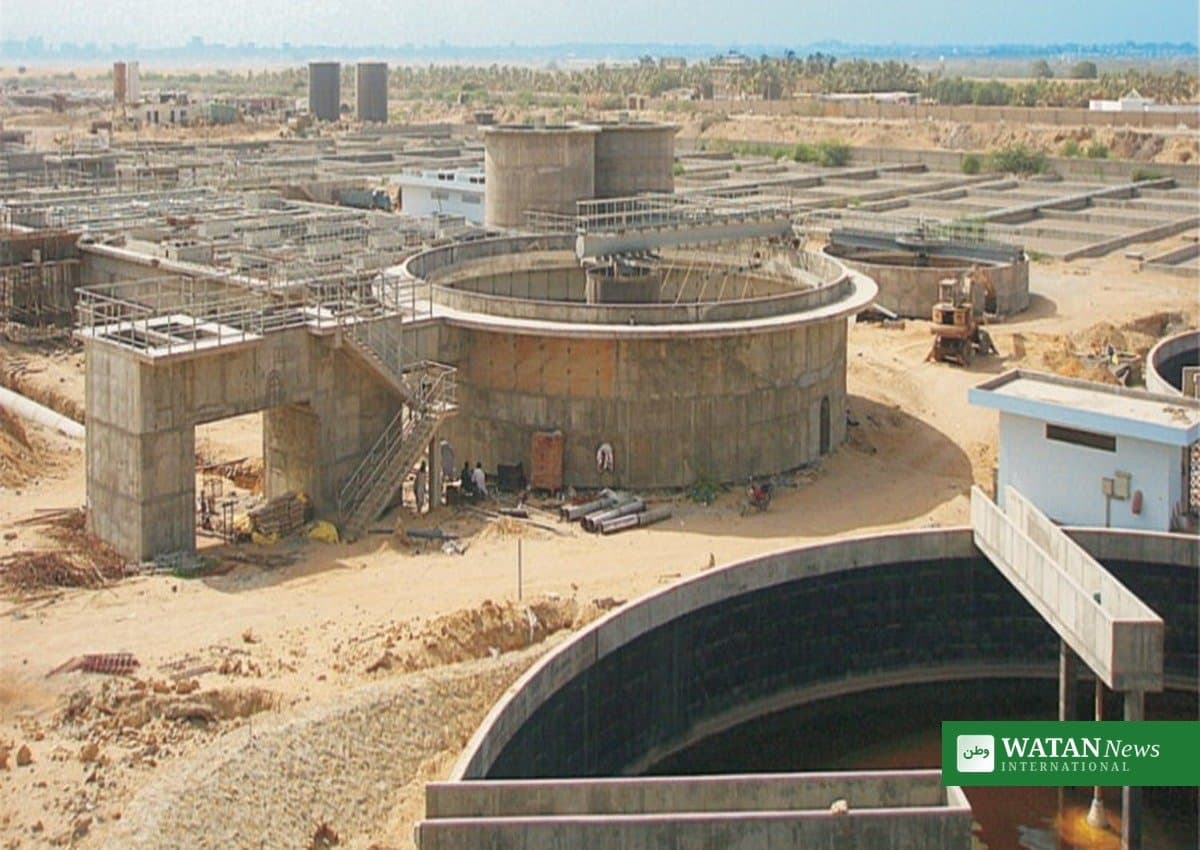
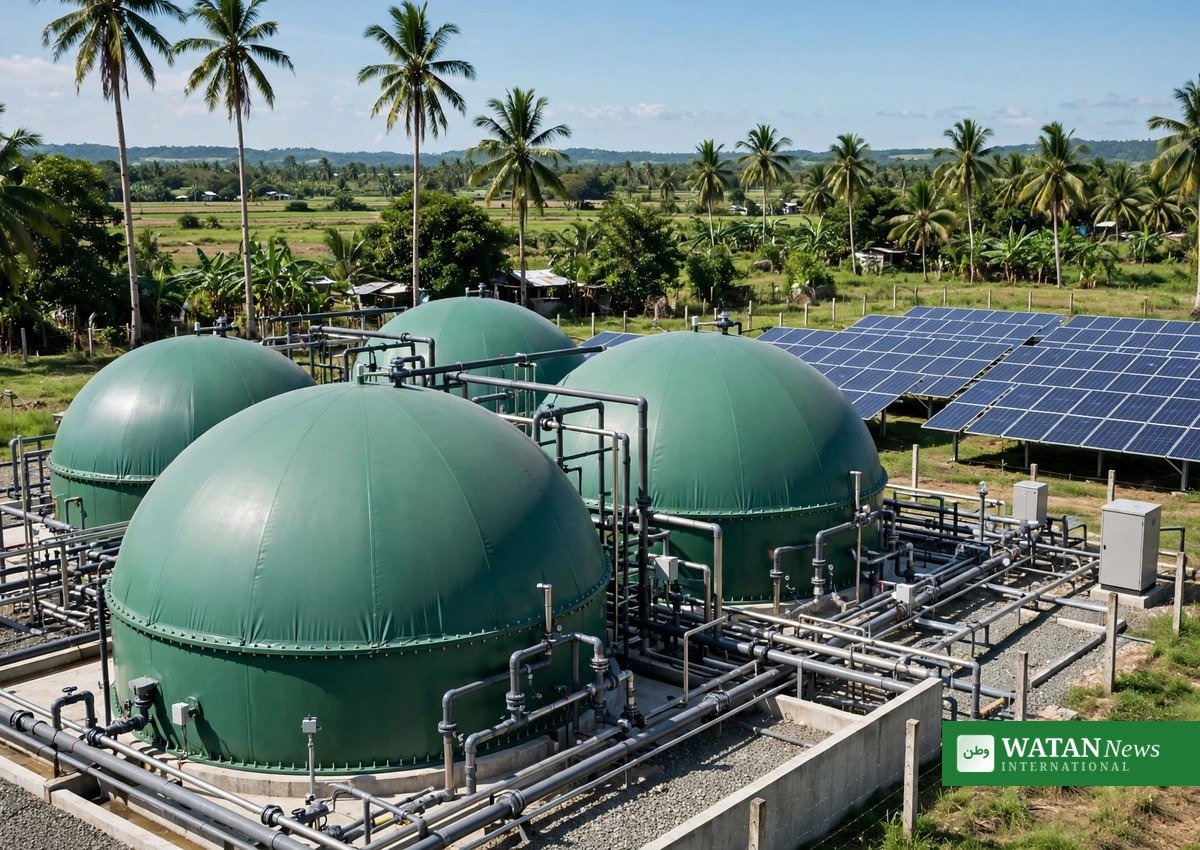
- Deploying biodigesters to capture methane from agricultural waste;
- Smarter livestock practices to cut methane emissions;
- Boosting landfill gas capture;
- Scaling up composting of organic waste;
- Enforcing Euro 5 and Euro 6 vehicle emission standards;
- Electrifying public transport;
- Reaching 50 percent renewable energy by 2040;
- Shifting to low-impact refrigerants under the Kigali Amendment; and
- Strengthening the recovery of waste refrigerants.
FAKTA
- Target: 75% emissions reduction and avoidance vs business-as-usual, 2025–2035 (NDC 3.0, submitted 8 September 2026).
- Split: 7% unconditional (domestic resources); 68% conditional on international support.
- Summit: Superpollutant Action Summit, New York — organized by the Climate and Clean Air Coalition, alongside the 81st UN General Assembly.
- Superpollutants: short-lived climate pollutants — methane, black carbon, hydrofluorocarbons (HFCs).
- Finance signal: a US$100 million initiative highlighted at the summit for high-impact projects worldwide.
- Philippine lead: DENR Assistant Secretary Daniel Darius M. Nicer.
Why it matters
Climate advocates in the Philippines have welcomed the higher unconditional share as a sign of greater domestic ambition, while urging a clear implementation roadmap and a continued phase-out of fossil fuels — forestry gains, they note, cannot substitute for cutting fossil-fuel use. With four years left until 2030, the summit’s message was that superpollutant action is the fastest available lever to slow near-term warming while delivering cleaner air, better health and food security — benefits the Philippines says its people will feel first.
This story is also published on the Watan News main site, and more climate action coverage is available in the climate section.