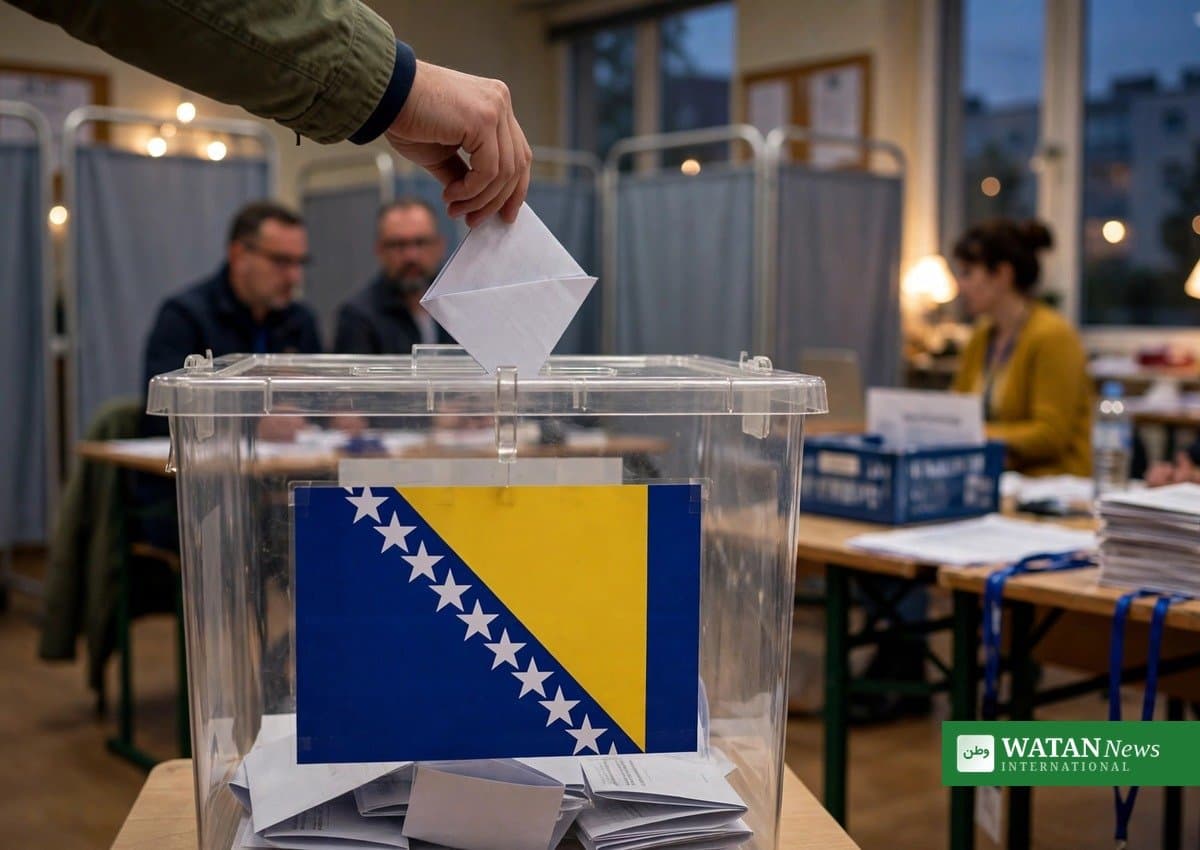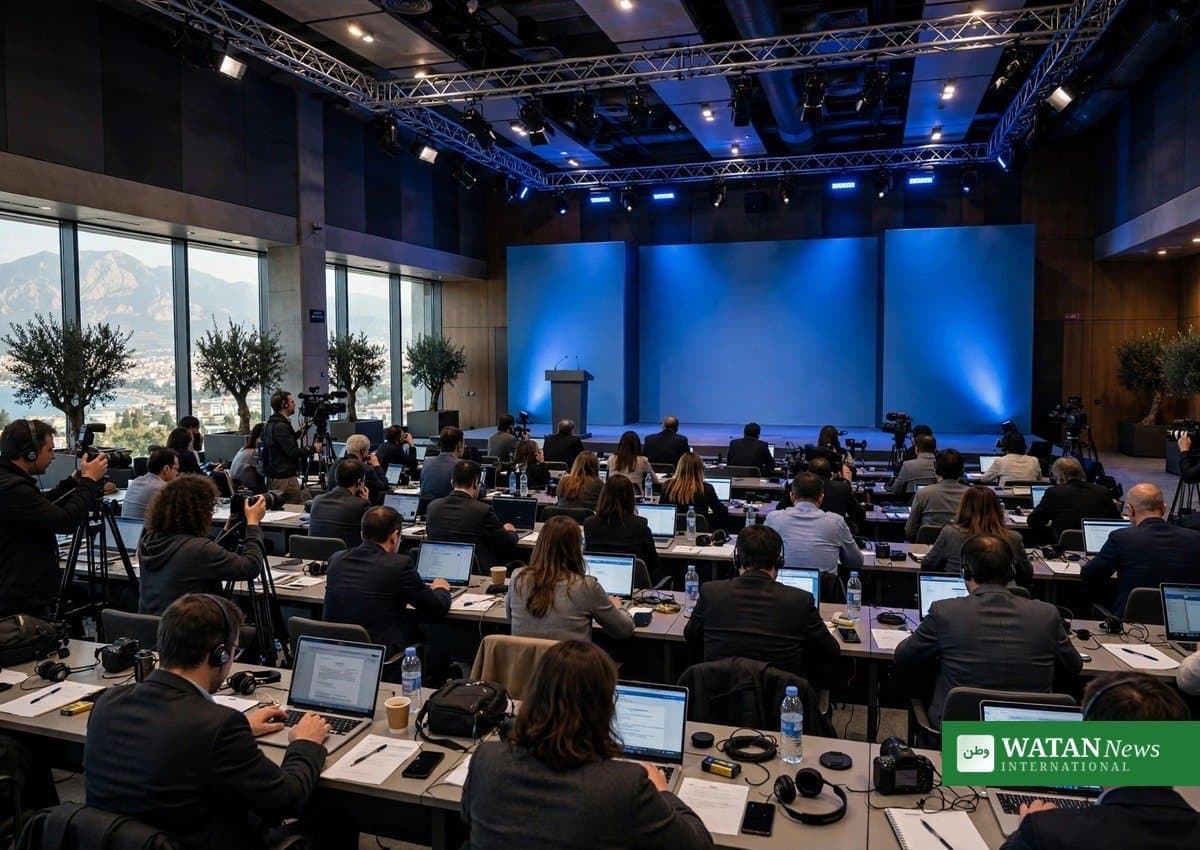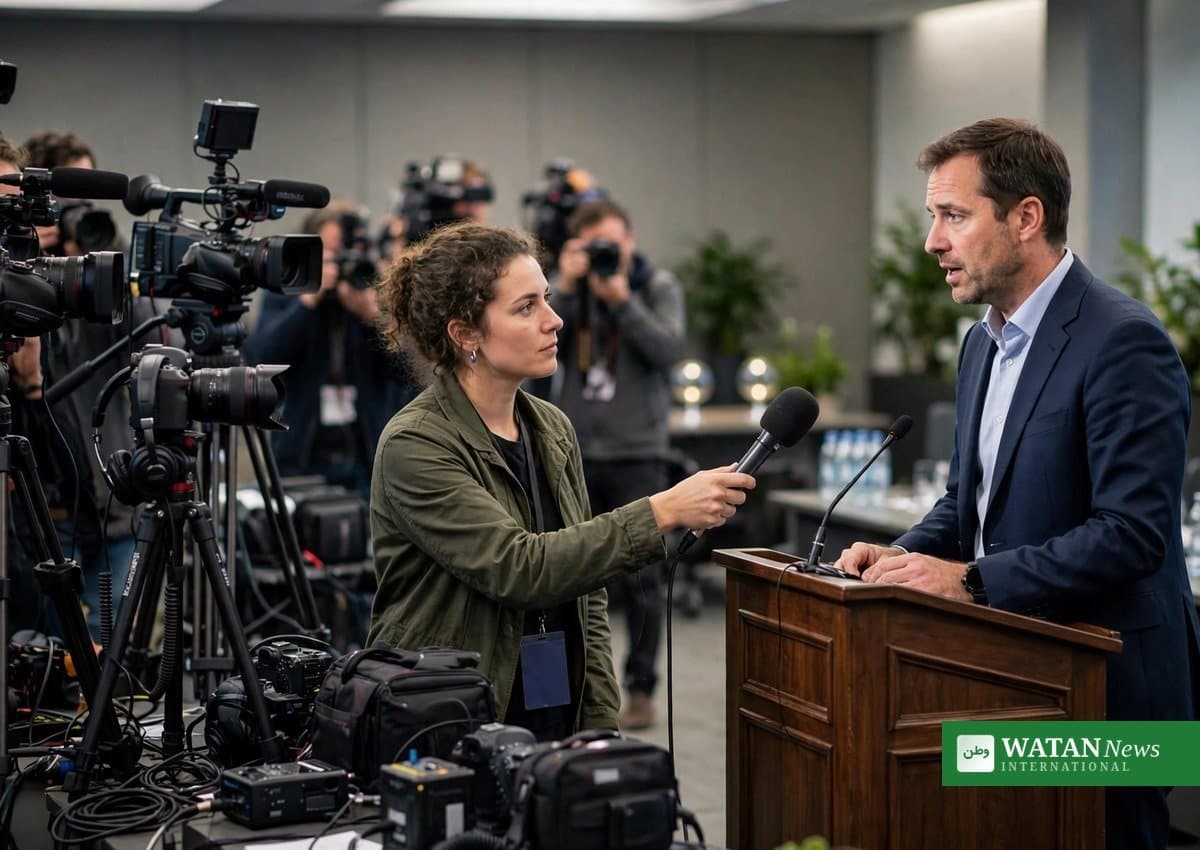
Polls have closed across Bosnia and Herzegovina following a general election marked by deep ethnic divisions and political gridlock. Approximately 3.4 million voters were eligible to cast ballots for officials across multiple government tiers, including the country’s tripartite presidency.
Preliminary results are anticipated late Sunday evening as vote counting commences.
- Around 3.4 million voters were eligible to participate in the general election.
- Citizens voted for officials at multiple government levels, including the multiethnic, tripartite presidency.
- Early leads in presidential races were reported for Serb nationalist Zeljka Cvijanovic, Bosniak moderate leftist Denis Becirovic, and Croat nationalist Darijana Filipovic.
- The election occurs amidst economic slowdown, stalled EU membership progress, and persistent political gridlock.
Presidential Race Dynamics
In the early stages of vote counting, distinct ethnic candidates have emerged with leads in their respective presidential seats. Serb nationalist Zeljka Cvijanovic, backed by former secessionist leader Milorad Dodik, showed strength.
Meanwhile, Bosniak moderate leftist Denis Becirovic and Croat nationalist Darijana Filipovic also secured early leads in their ethnic categories.
- Zeljka Cvijanovic, backed by Milorad Dodik, took an early lead for the Serb presidential seat.
- Denis Becirovic secured an early lead for the Bosniak presidential seat.
- Darijana Filipovic emerged with an early lead for the Croat presidential seat.
- Milorad Dodik, previously barred from office, remains a dominant figure in Republika Srpska.
Legislative and Entity Elections
Beyond the presidency, voters also determined the composition of the federal parliament. Additionally, the heads of institutions for the nation’s two largely autonomous entities—the Muslim-Croat Federation of Bosnia and Herzegovina and the Serb-run Republika Srpska—were chosen.
- Lawmakers for the federal parliament were elected.
- Heads of institutions for the two semi-autonomous entities were selected.
- The Muslim-Croat Federation and the Serb-run Republika Srpska are the country’s main entities.
Deep-Rooted Ethnic Tensions
Bosnia and Herzegovina’s populace is roughly divided ethnically: about half are Muslim Bosniaks, 31% are Orthodox Serbs, and 15% are Catholic Croats. Despite recent peace, ethnonationalist parties continue to exploit divisions, even as many voters express a desire to move beyond war-era rhetoric.
- Approximately 50% of the population are Muslim Bosniaks.
- Around 31% of the population are Orthodox Serbs.
- Approximately 15% of the population are Catholic Croats.
- Ethnonationalist parties actively maintain divisions within the populace.
Milorad Dodik’s Enduring Influence
Despite not being on the ballot, secessionist leader Milorad Dodik of the SNSD party remains a pivotal figure, particularly in Republika Srpska. Dodik, the former president of the Serb-majority entity, faces a six-year ban from public office following a conviction for defying the international envoy overseeing the 1995 peace process.
- Milorad Dodik is not a candidate but wields significant influence.
- He is the former president of the Serb-majority entity, Republika Srpska.
- Dodik is barred from holding public office for six years.
- His conviction stems from defying the top international envoy.
The Dayton Peace Accords Framework
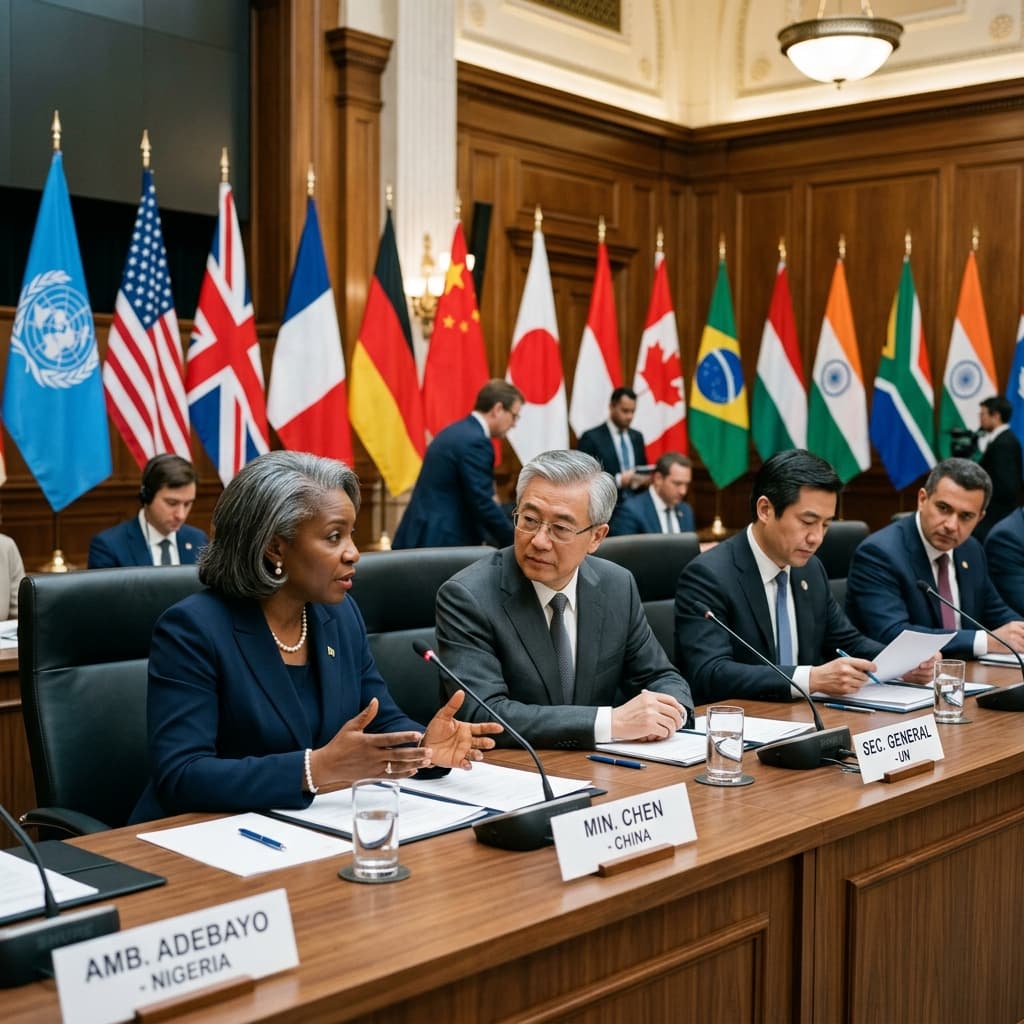
The complex governance structure of Bosnia and Herzegovina was established by the US-brokered 1995 Dayton Peace Accords, following the 1992-95 Bosnian War. This framework divides economic, administrative, and political responsibilities among the central government, the two semi-autonomous entities, and the neutral Brcko district.
The system, heavily influenced by ethnic lines, has often led to political paralysis.
- The Dayton Peace Accords established the current governance structure in 1995.
- Responsibilities are divided between the central government and two entities.
- The Brcko district is a self-governing neutral zone.
- The framework is characterized by ethnic divisions and complexity.
Challenges Facing the Nation
The election unfolds against a backdrop of significant national challenges. An economic slowdown has impacted the country, and progress toward European Union membership remains sluggish.
Furthermore, a persistent political gridlock, fueled by the dominant ethnically based parties from the two entities, frequently stalls decisions by the weak central government.
- Economic slowdown is a major concern for the nation.
- Progress toward EU membership has been slow and challenging.
- Political gridlock often paralyzes the central government’s decision-making.
- Ethnically based parties from the entities are primary drivers of the gridlock.
Conclusion
The general election in Bosnia and Herzegovina has concluded, with preliminary results expected soon. The outcome will determine the leadership across various government levels, including the presidency, federal parliament, and entity institutions.
The election highlights the ongoing struggle between ethnonationalist agendas and the desire for a more unified, functional state, set against a backdrop of economic difficulties and stalled European integration.
Voters have cast their ballots in a system designed to balance ethnic representation, a legacy of the 1995 Dayton Peace Accords. The persistent political gridlock and the enduring influence of figures like Milorad Dodik underscore the deep-seated challenges that continue to shape Bosnia and Herzegovina’s path forward, impacting its economic development and aspirations for closer ties with the European Union.