Three Liberian-flagged oil tankers were struck by unknown projectiles while transiting the Strait of Hormuz on Tuesday, shipping intelligence service Marisks said, in the sharpest escalation yet of the tanker war unfolding alongside the seven-month U.S.–Iran conflict. The attacks on commercial vessels in the world’s most critical oil chokepoint raise the stakes of a war that U.S. President Donald Trump says will end “very soon, one way or the other.”
FAKTA
- What: Three oil tankers struck by unknown projectiles in the Strait of Hormuz on Tuesday, September 29.
- Source: Shipping intelligence service Marisks, reported by Reuters on October 1; three UKMTO warnings (144-26, 145-26, 146-26) issued September 30.
- Vessels: Liberian-flagged tankers, transiting with AIS transponders switched off; identified by security firms as the Mersin Prosperity, Sinbad and Al Ruwais.
- Casualties: No crew deaths reported; one vessel suffered a fire that was extinguished and is underway.
- Attribution: No party has claimed responsibility; investigators have not publicly identified who launched the projectiles.
Three separate strikes in the world’s busiest oil lane
The United Kingdom Maritime Trade Operations centre (UKMTO), run by the Royal Navy, issued three warnings on September 30 based on time-late, third-party reports of attacks in the strait. In warning 144-26, a crude oil tanker was reported struck on its port side by an unknown projectile. Warning 145-26 concerned an inbound-transiting tanker struck by an unknown projectile, and warning 146-26 a third tanker hit within the strait. UKMTO said authorities were investigating but initially gave no details on casualties, damage, pollution or the vessels’ identities.
Reuters, citing Marisks, reported on October 1 that the three vessels were Liberian-flagged oil tankers sailing without their Automatic Identification System (AIS) transponders — a tactic used to evade detection in the contested waterway. Maritime security firm Vanguard Tech identified the vessels as the Mersin Prosperity, the Sinbad and the Al Ruwais.
What the tankers were carrying
Data from analytics firm Kpler, reviewed by Reuters, traced the recent movements of the three ships. The Mersin Prosperity, a very large crude carrier, transferred about 2 million barrels of Iraqi Basrah crude onto another vessel off Sohar, Oman, in mid-September. The Al Ruwais, an oil products tanker, discharged diesel cargo through a ship-to-ship transfer off Sohar in late September. The Sinbad, an Aframax-sized tanker, loaded refined products at Saudi Arabia’s Jubail industrial port earlier in September.
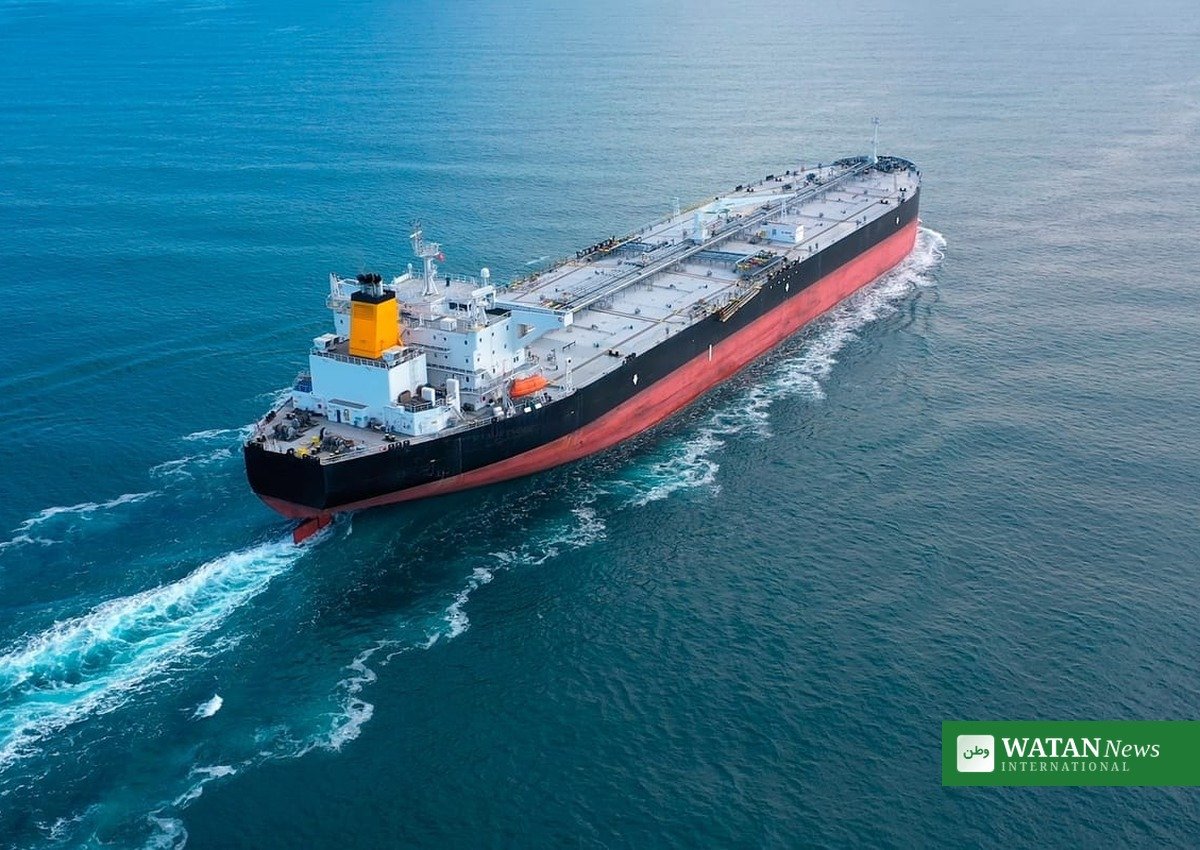
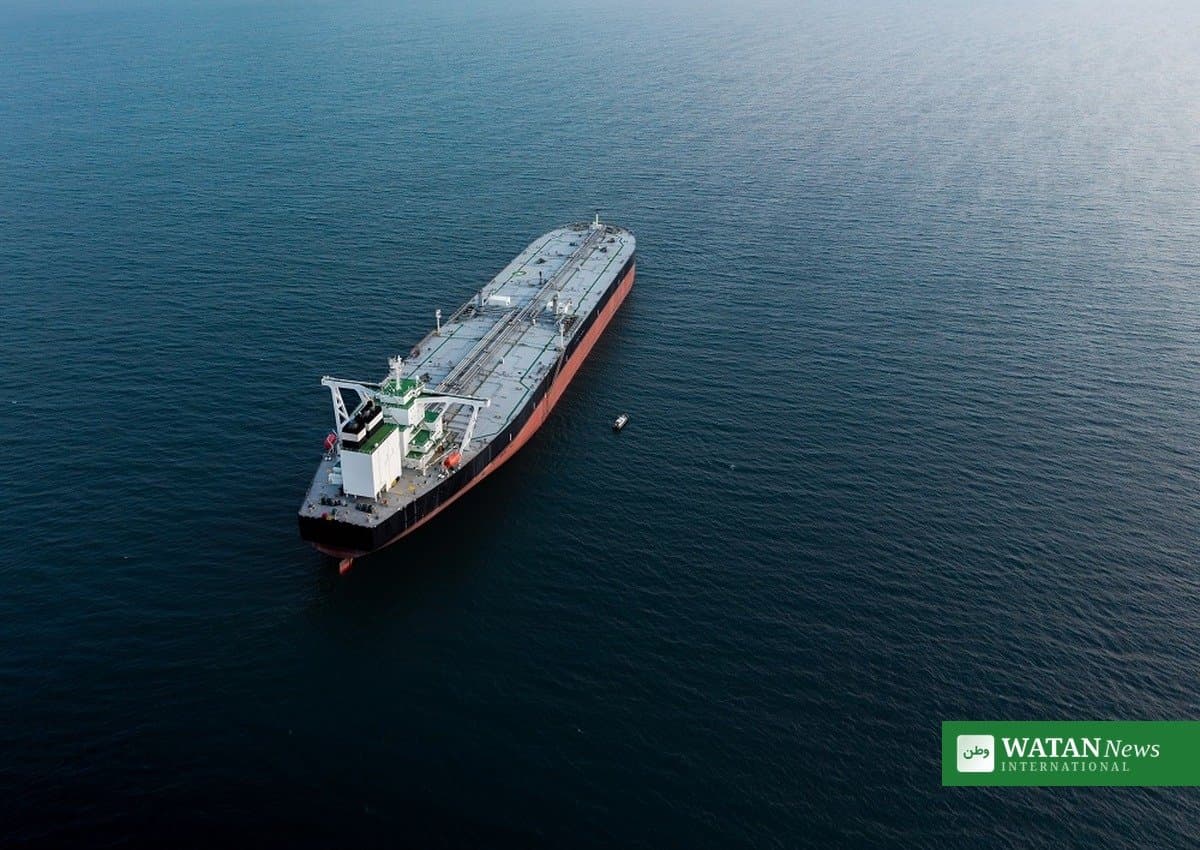
An oil cargo ship at sea. Three Liberian-flagged tankers were struck by unknown projectiles while transiting the Strait of Hormuz on Tuesday, shipping intelligence says. (Illustrative image)
Strait of Hormuz tanker attacks threaten global oil flows
The attacks land at a moment of maximum tension. The Strait of Hormuz carries roughly a fifth of the world’s oil consumption, and repeated strikes on commercial shipping there have become the war’s second front — a tanker war fought alongside the direct U.S.–Iran military confrontation that began on February 28.
On Monday evening, one of the vessels was struck by a suspected projectile and caught fire; the blaze was extinguished, the crew were reported safe and the vessel is underway, according to UKMTO-linked reporting. The muted market reaction — Brent crude eased after the reports — suggests traders are watching Washington’s next move more than the strait itself.
War and diplomacy collide
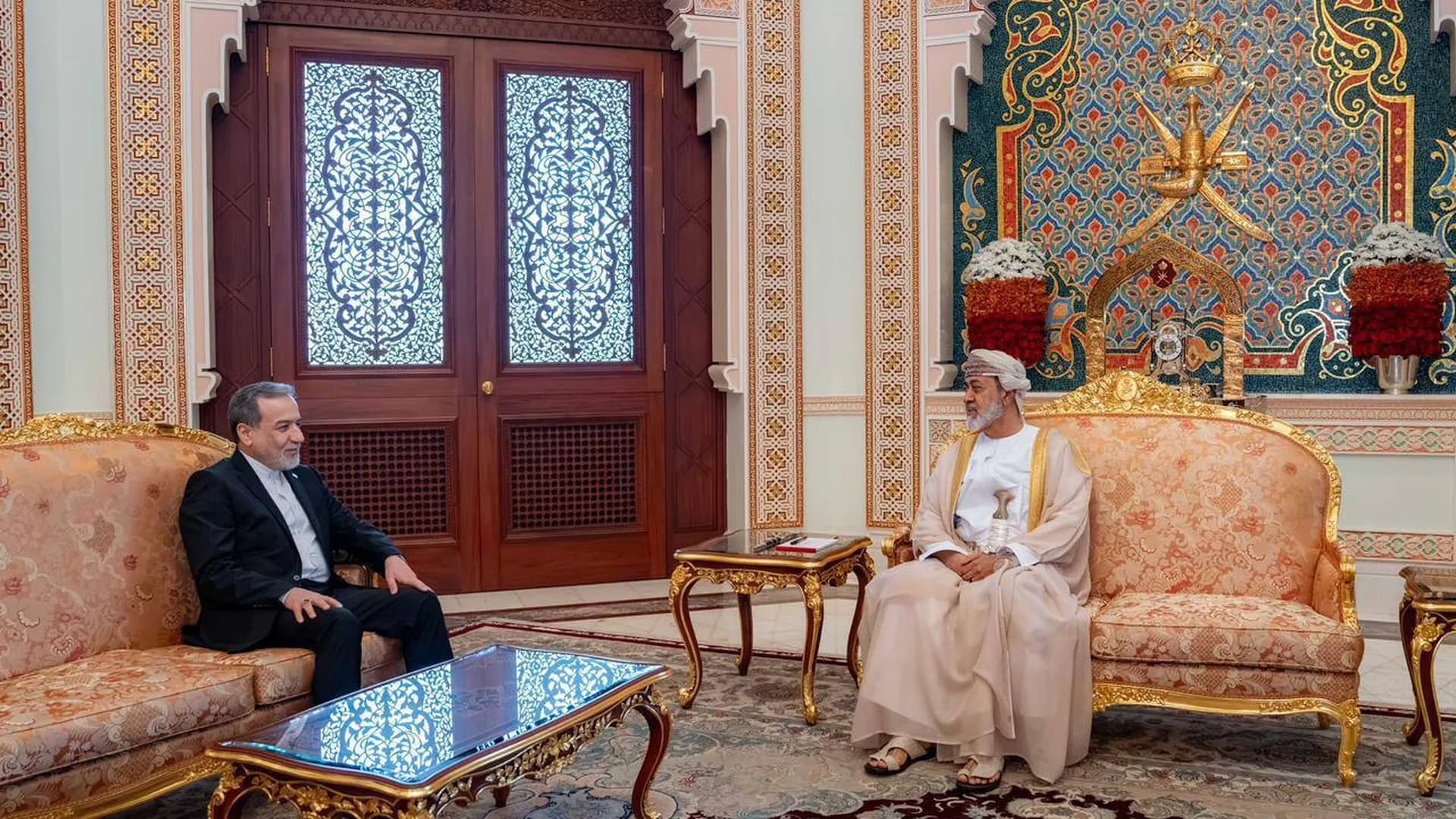
The strikes came days after Trump publicly rejected Iran’s latest proposal to end the war — a seven-day framework offering a ceasefire and steps to reopen the Strait of Hormuz to commercial shipping in exchange for sanctions relief, an end to the U.S. naval blockade and the release of frozen Iranian assets. Iranian officials confirmed on Wednesday that Tehran has now received Washington’s formal response to that proposal, with Foreign Minister Abbas Araghchi briefing President Masoud Pezeshkian and the cabinet.
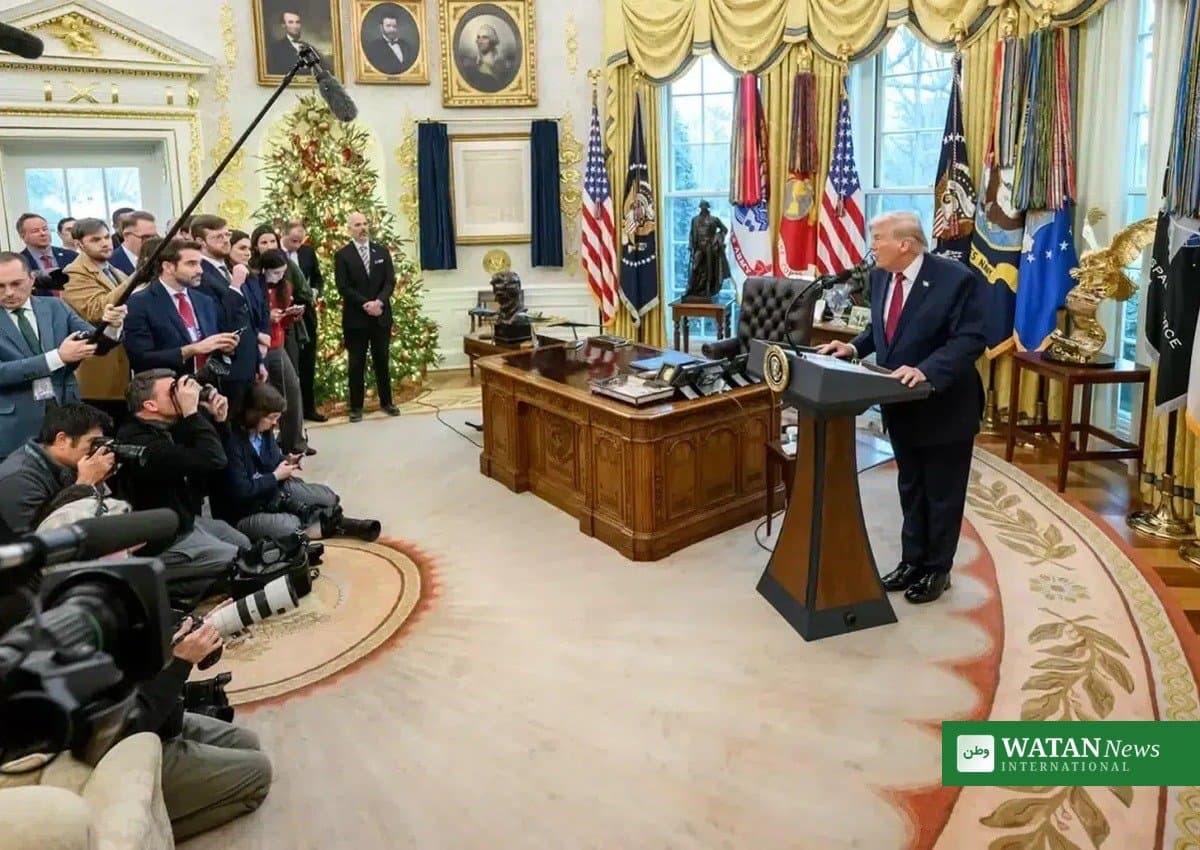
At the same time, Trump told reporters in the Oval Office that the United States faces a stark choice — read more of our Middle East coverage: “We blow them up or make a deal.”
What happens next
Maritime agencies are monitoring the situation, and further statements from Iranian or U.S. authorities are expected. Shipping advisories for the strait are likely to be updated, and any attribution for the attacks would sharply raise the temperature of a conflict both sides say is nearing a decision point. Reporting on the tanker strikes continues to develop; details on damage and the vessels’ status are expected from maritime authorities.