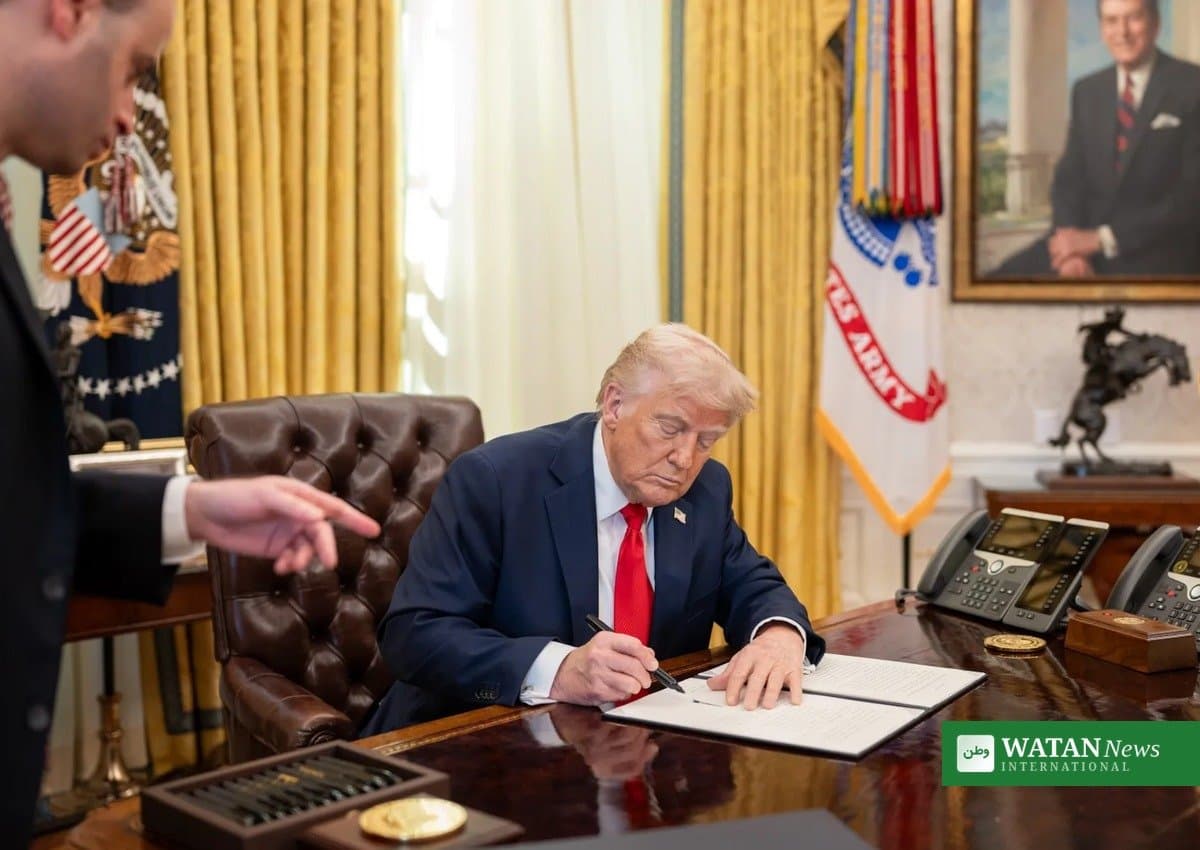
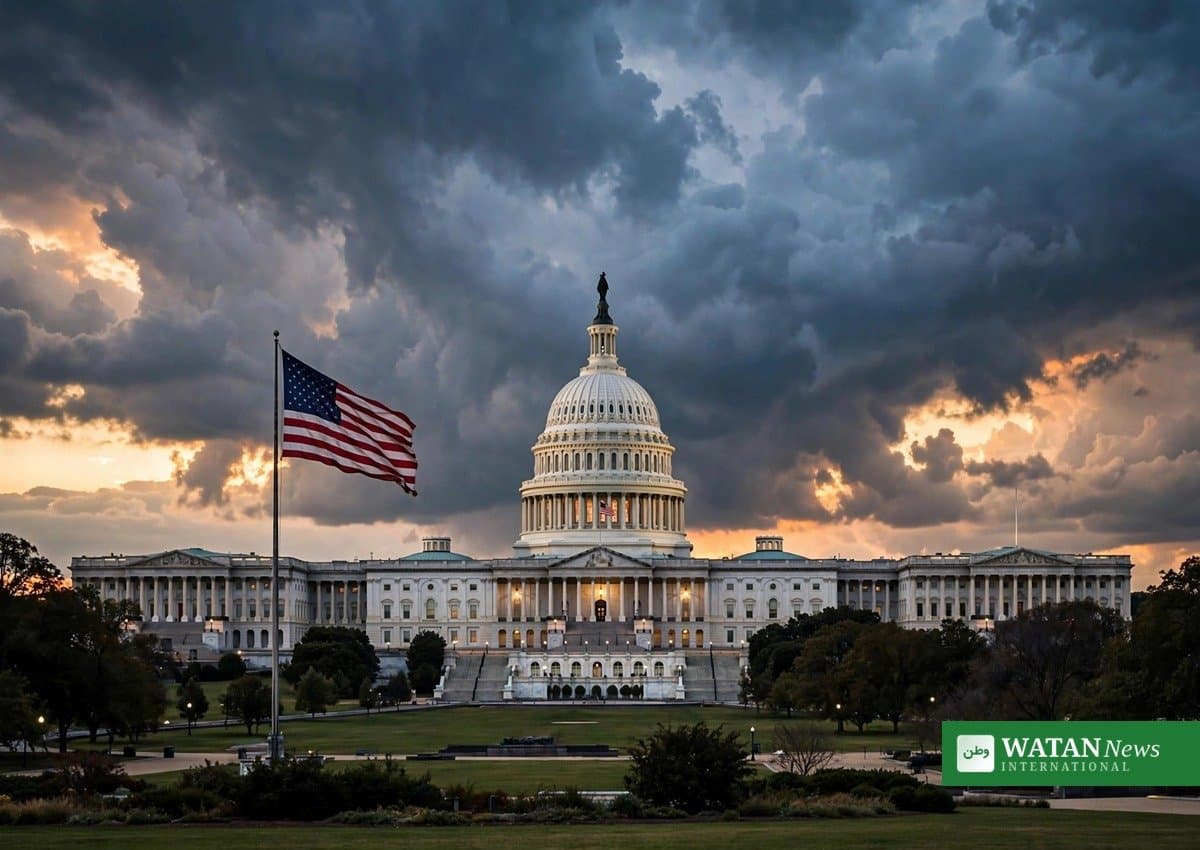
The Democratic National Committee (DNC) has filed a lawsuit against President Donald Trump’s administration, alleging the illegal use of taxpayer funds for political advertising. The DNC lawsuit, filed on Wednesday in the U.S. District Court for the District of Columbia, aims to stop the government from airing television commercials that promote the president’s political agenda just weeks ahead of the November midterm elections.
FAKTA: The DNC Lawsuit at a Glance
- Plaintiff: The Democratic National Committee, the main governing organization of the Democratic Party
- Filed: Wednesday, 7 October 2026, in the U.S. District Court for the District of Columbia
- Allegation: A “blatant violation of the statutory ban on the use of appropriations for ‘publicity or propaganda purposes’”
- Ad spending: More than $12 million spent airing the ads since September, according to media tracking firm AdImpact; the Department of Homeland Security awarded a $20 million contract for the campaign
- Relief sought: A court order blocking the use of taxpayer money for the election-related TV ads
- Second suit: A coalition including the nonpartisan watchdog Common Cause filed a separate lawsuit later the same day
The DNC Lawsuit’s Core Allegation
The DNC argues that the administration is engaging in illegal government-sponsored propaganda. The television advertisements — which began airing in September and have been broadcast widely, including during football games — glorify President Trump and promote his campaign message. According to the committee, using taxpayer money for overtly political messaging violates federal law and blurs the line between official government communication and campaign activity.
The lawsuit states that “with less than 30 days remaining before the midterm election and millions of public dollars apportioned to pay for propaganda ads still unspent, the DNC has no choice but to take action in defense of free and fair elections.” It also accuses Trump of personally directing the effort; The New York Times reported that the president personally directed the White House budget director to use taxpayer money for the TV spots.

$12 Million and Counting
The financial scope of the campaign is substantial. The ads have cost more than $12 million to air so far, according to AdImpact, a media tracking firm. The Department of Homeland Security awarded a $20 million contract for the campaign, meaning millions of public dollars remain apportioned for further spots.
The committee contends this spending gives Republicans an unfair electoral advantage: publicly funded ads preserve funds held by campaign committees and PACs — including MAGA Inc. — for other political expenditures, while placing Democratic candidates at a disadvantage.
The Legal Basis: Propaganda Ban
The lawsuit’s central legal claim is that the ads violate the long-standing statutory ban on using federal appropriations for “publicity or propaganda purposes.” The DNC argues the partisan aim of the ads is beyond question: one spot features Trump declaring that “America will never be a communist country” while a chorus repeats the words “love me,” another combines images of Mount Rushmore with footage of Trump praising a “golden age of America,” and a fifth ad promotes his military actions to capture Nicolás Maduro in Venezuela earlier this year.
DNC Chair Ken Martin said Trump is misusing taxpayer dollars in “a last-ditch attempt to save Republicans in November.”
Political Fallout and Response
The ads have faced bipartisan backlash for glorifying Trump ahead of the midterms. On Monday, Trump defended them as “a positive promotion for our Great U.S.A.” but said he would start paying for them through his MAGA Inc. super PAC going forward. The White House said this week the PAC will fund the ads — but not reimburse taxpayers for money already spent.
Despite that announcement, the DNC notes the government-funded ads kept airing: on Tuesday, a fifth ad ran with a notice that it was paid for by the U.S. government. More on U.S. politics can be found in our world news section.
Conclusion
The DNC’s lawsuit marks the first major legal challenge to taxpayer-funded political advertising by a sitting administration, and the parallel Common Cause suit gives it weight across party lines. Whether the courts find the ads cross the line from government communication into illegal propaganda will set a precedent for how future administrations use public money for promotion. With the midterms less than a month away and millions already spent, the ruling — whatever it is — will be closely watched.