The world faces a “narrowing window” to restore forests that are essential for food security and climate resilience, according to the FAO’s State of the World’s Forests report, as reported by The Guardian’s Jonathan Watts on 29 September.
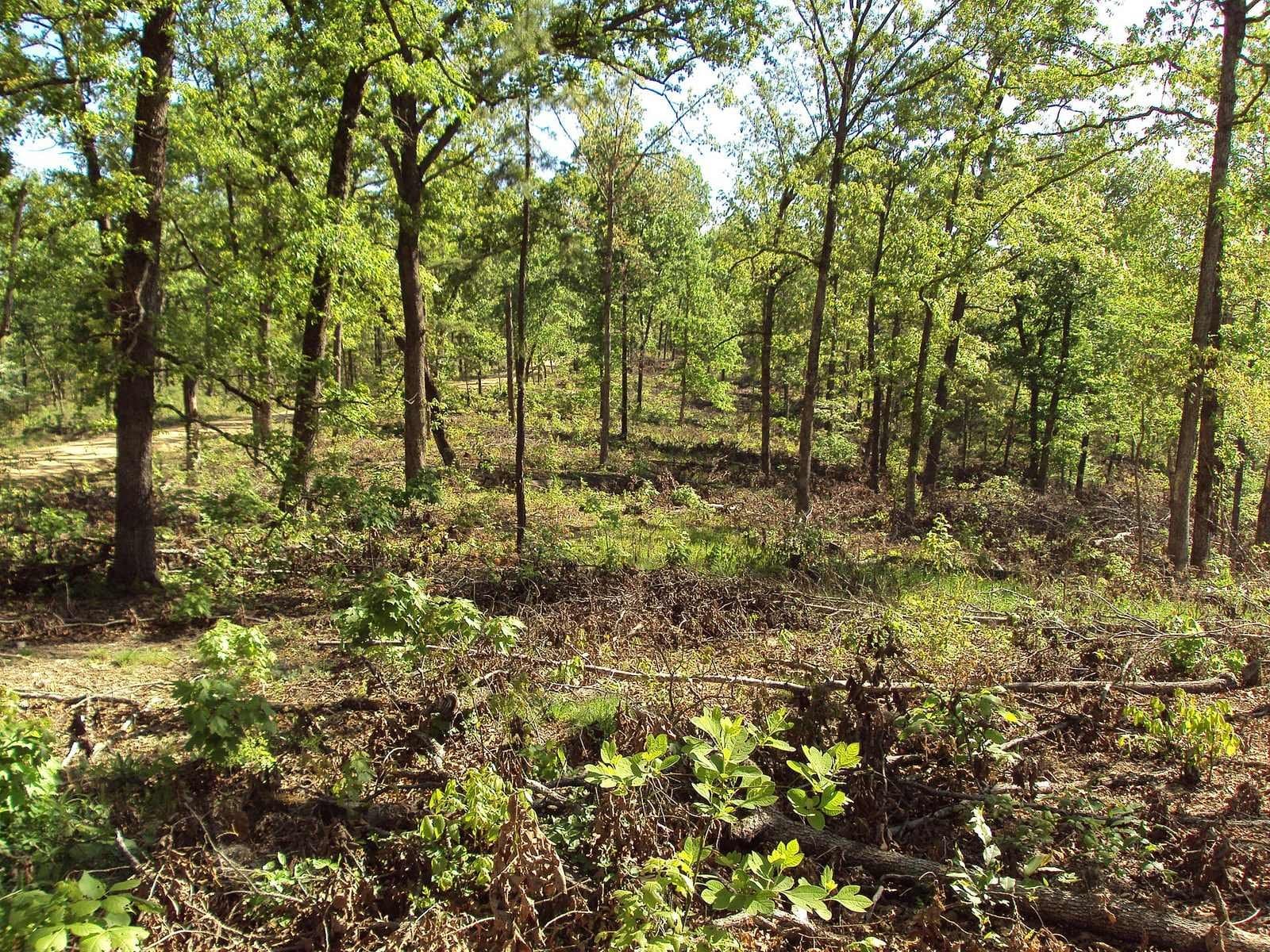
The report says more than 489 million hectares of forest have been cleared since 1990, while an even greater area has been degraded. Initiatives over the past two decades promised to place more than 1 billion hectares under restoration, but barely a fifth is actually being restored. The FAO says progress is uneven and insufficient for growing global needs.
Forests cover 4.14 billion hectares, about a third of the world’s land. They store 714 gigatonnes of carbon, host up to 80% of terrestrial biodiversity and support the livelihoods of nearly one-third of the global population, the report says.
The pressure is continuing. About 127 million hectares of forest are affected by fires every year, alongside damage from insects, disease and severe weather. Farm expansion, the climate crisis, pollution and extraction add to the strain.
The report says the widening gap between demand and sustainable supply creates a structural imbalance that threatens ecological integrity and the long-term viability of forest-based economies. Restoring 1 billion hectares is estimated to generate $1.8 trillion in benefits each year.
The assessment links restoration with the ability of forests to continue supporting people and economies under pressure. It says the gap is not simply a question of planting more trees: the quality and design of restoration matter, as does the speed at which it is carried out. Delayed action can leave landscapes on paths that are harder and more expensive to change.
FAO director general Qu Dongyu says restoration is more than an environmental priority: it is a strategic investment in resilient agrifood systems and rural development. He also warns that delayed or poorly designed action will raise long-term costs, deepen inequalities and risk locking landscapes into unsustainable trajectories.