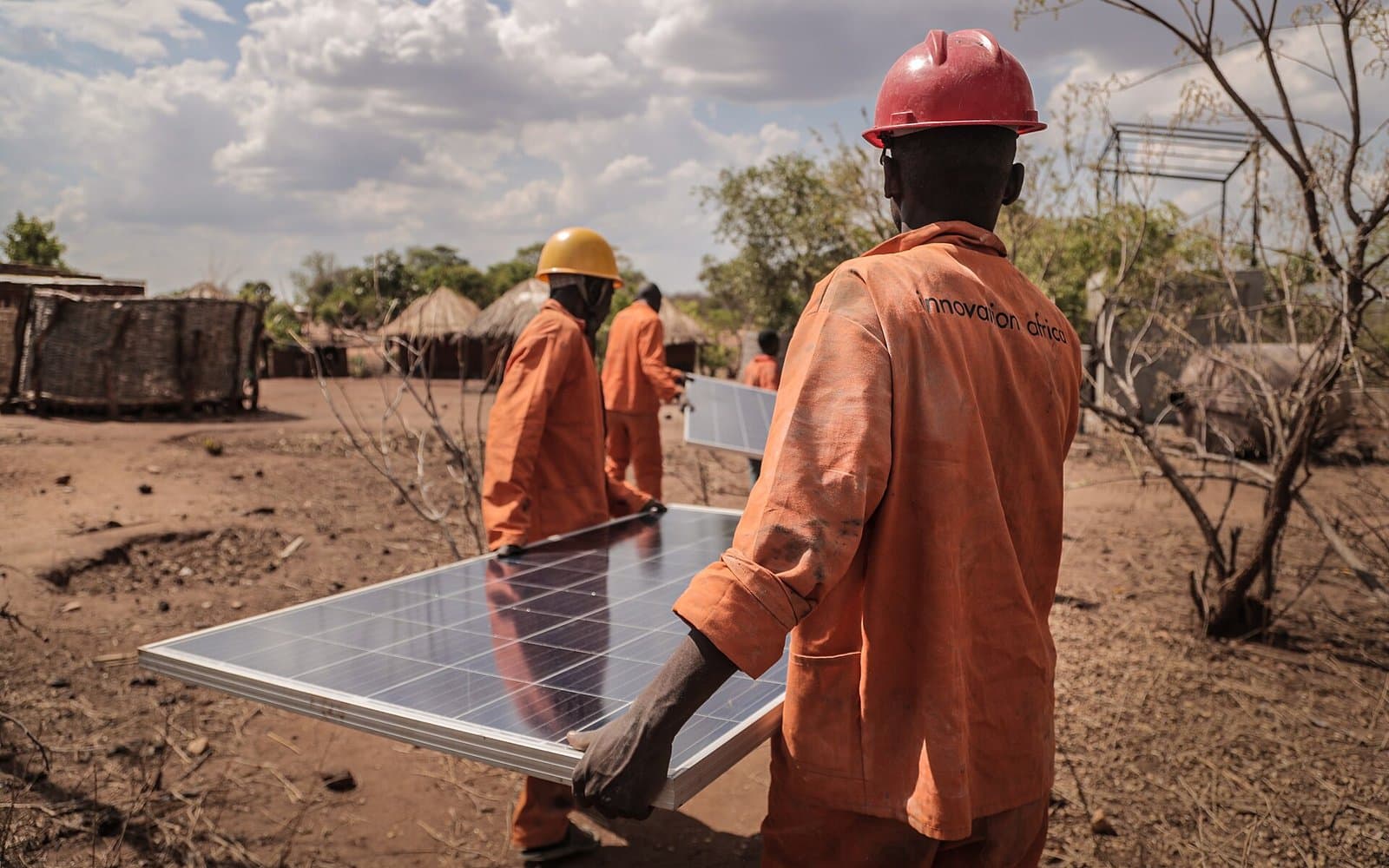
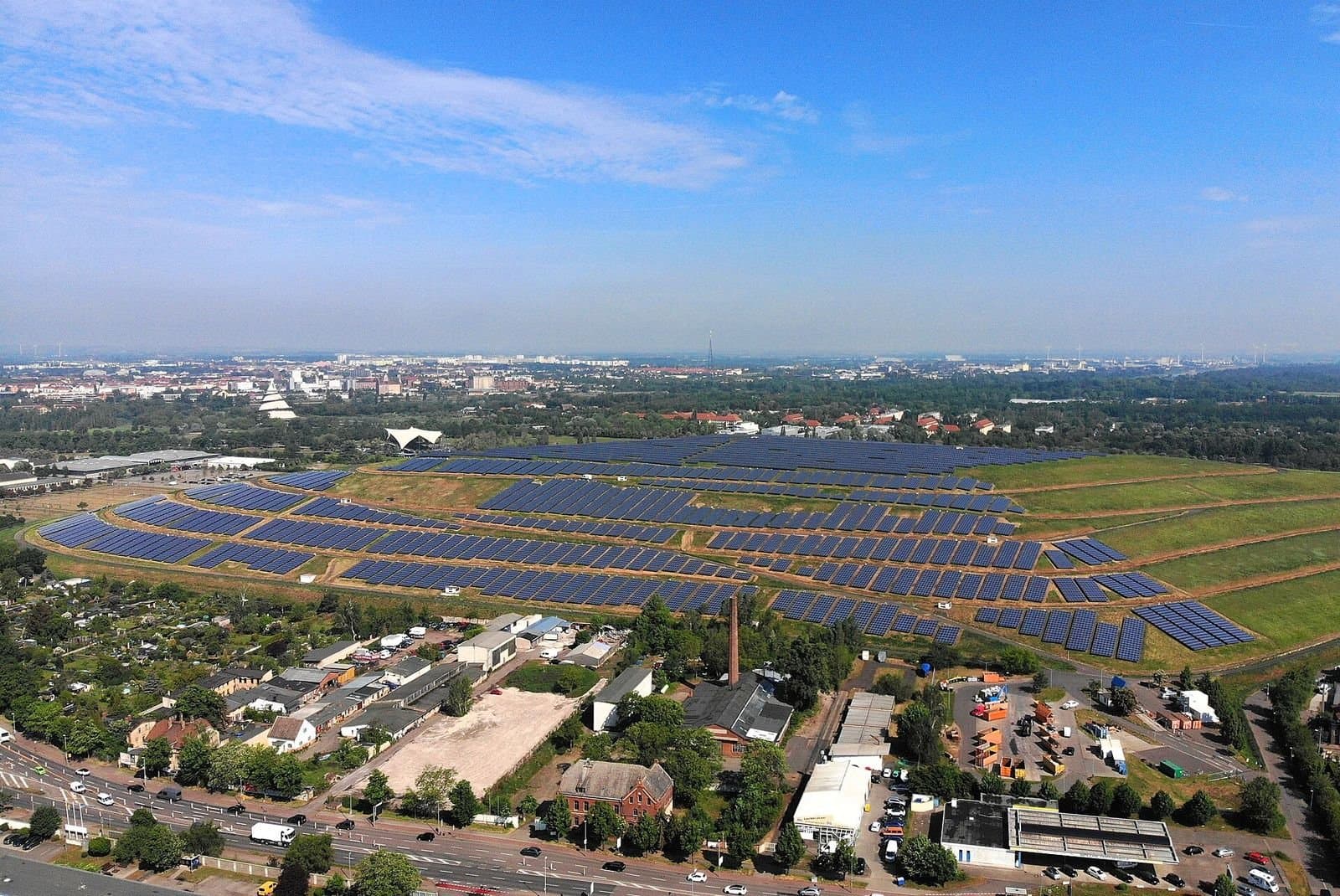
Germany’s net solar generation has reached a new yearly record, with output passing the whole of last year’s level before September ended. BSW-Solar, citing Fraunhofer ISE, said generation had reached 90.2 TWh by 27 September, compared with 90 TWh for all of 2025. The 90.2 TWh figure is an industry figure from BSW-Solar citing Fraunhofer ISE, not an official government statistic.
BSW-Solar attributed the rise to continued growth in installed capacity and unusually high sunshine hours. “This is news Germany can be proud of,” managing director Carsten Körnig said. He added that it was a reason to celebrate, but “not a reason to sit back and relax”.
The record is also exposing pressure in the power system. More hours of surplus supply are contributing to negative wholesale prices and curtailment, when renewable output has to be reduced because the grid cannot take it.
Germany’s coalition is debating rules that would reduce incentives for new solar and wind projects in congested areas and cut support for small rooftop systems. Economy minister Katherina Reiche argues that developers should carry the financial risk when electricity is curtailed, while small panels have become mature enough for the market.
Researchers and industry groups warn that the proposed reforms could slow investment. Germany’s target is 215 GW of solar capacity by 2030, compared with about 130 GW now. Körnig said meeting the expansion targets requires policies that make investment easier rather than creating new barriers.
The record therefore comes with a policy choice: expand generation while upgrading the grid and managing surplus power, or risk making the next stage of growth harder. For BSW-Solar, the message is that a successful year should support faster system preparation, not weaken the conditions for new projects.