Hurricane Polo made landfall on Mexico’s northern Pacific coast on September 28, 2026, bringing with it life-threatening winds and heavy rainfall. The storm has already caused flooding in some coastal regions of Baja California Sur, prompting officials to urge residents to seek shelter.
- Hurricane Polo made landfall near Las Barrancas, Baja California Sur, with sustained winds of 110 mph (175 km/h).
- The storm is forecast to move northeast over Baja California Sur and then inland over Sonora.
- Life-threatening flooding and mudslides are possible due to predicted rainfall of 6 to 12 inches (150-300mm).
- A storm surge is also expected to cause significant coastal flooding and destructive waves.
Storm Impacts in Baja California Sur
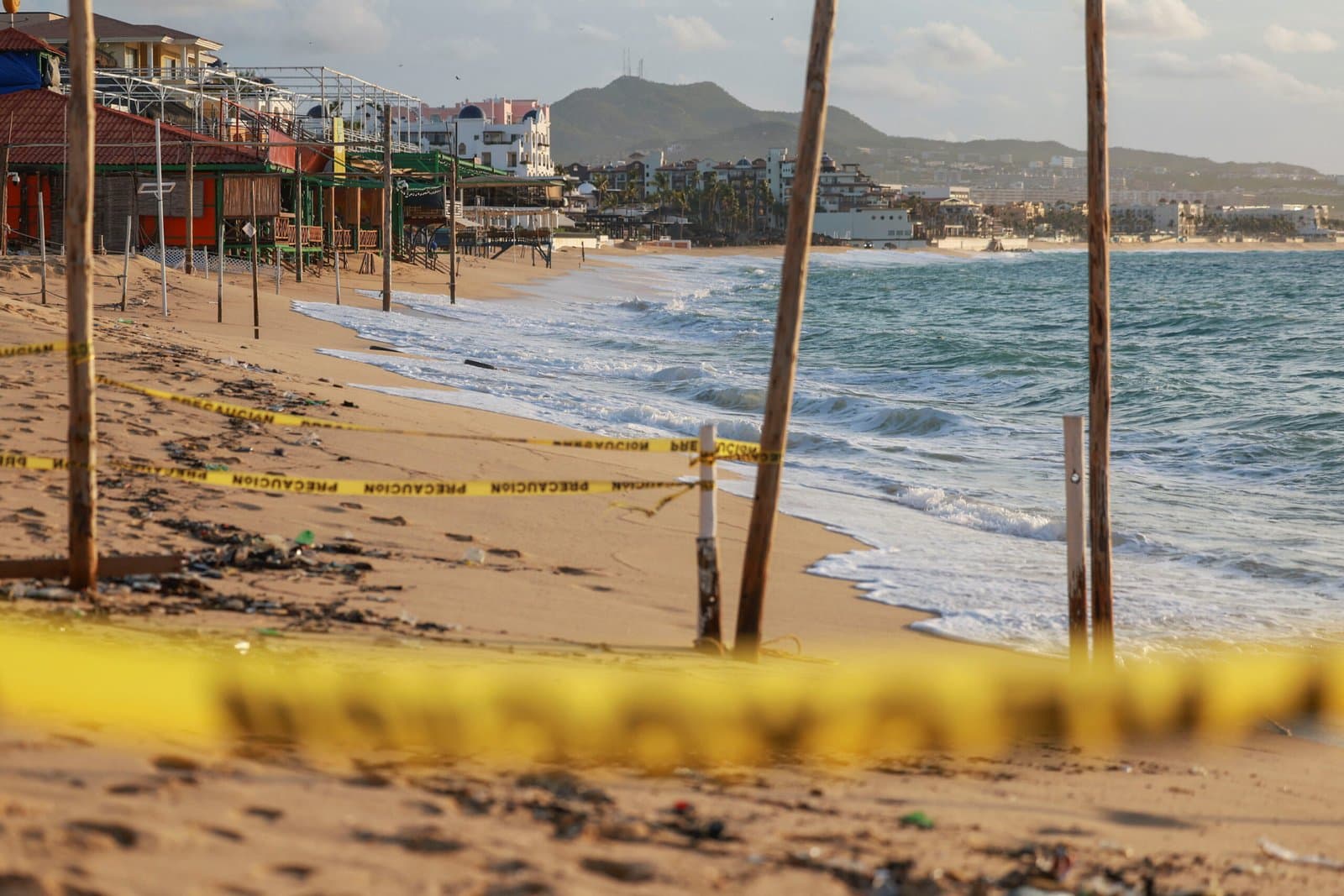
Polo’s landfall has brought severe weather to Baja California Sur, a peninsula popular with tourists and known for its surfing and whale-watching. Authorities have taken precautionary measures, including restricting access to beaches in Cabo San Lucas.
- Residents like shopkeeper María Palomino have sought refuge in temporary shelters established in schools.
- A local resident described the storm approaching with “full force” as he secured his home.
- Even before landfall, power outages were reported in some areas of Baja California Sur.
- Flooding was observed in the fishing town of Puerto San Carlos, with waves reportedly topping sea barriers.
Hurricane Strength and Forecast Track
The US-based National Hurricane Center (NHC) has provided critical updates on Hurricane Polo’s intensity and projected path.
- While expected to weaken over the Baja California peninsula, Polo is forecast to maintain hurricane strength for its second landfall on mainland Mexico.
- The storm’s core is predicted to traverse Baja California Sur before moving inland into Sonora.
- Meteorologists warn of potential life-threatening flooding and mudslides, particularly in elevated or steep terrain.
- Significant coastal flooding and destructive waves are anticipated due to the storm surge.
El Niño’s Influence on Hurricane Season
The current active hurricane season in the Pacific has been significantly influenced by the El Niño climate phenomenon.
El Niño is contributing to extremely warm ocean waters, which are providing the fuel for powerful storms like Hurricane Polo. This has led to a more intense and active hurricane season than typically observed.
Potential Impact on the United States
As Hurricane Polo tracks northeast, it is expected to bring significant weather changes to the United States, particularly the southwestern regions.
- A surge of tropical moisture is forecast to move northwards, leading to excessive rainfall and flash flooding potential across Arizona and California.
- The remnants of Polo, along with another hurricane named Odalys, are expected to merge into an existing weather system.
- This combination is predicted to significantly boost the volume of rainfall across affected areas.
- Rain has already begun in parts of Arizona and California, with the approaching systems expected to intensify these conditions.
Coastal Hazards and Warnings
Beyond the immediate landfall area, coastal regions along Mexico’s northwestern coast and Baja California are facing ongoing hazards.
- Dangerous surf conditions and strong rip currents are likely to persist for at least another day.
- Residents and visitors in these areas are advised to exercise extreme caution near the water.
- Authorities have implemented measures such as beach access restrictions to mitigate risks associated with the severe marine conditions.
Conclusion
Hurricane Polo’s landfall represents a significant weather event for Mexico’s Pacific coast, bringing dangerous winds, heavy rain, and the threat of severe flooding and mudslides. The storm’s trajectory indicates potential impacts extending into the United States, with forecasts predicting substantial rainfall and flash flood risks.
The influence of El Niño on the current hurricane season underscores the importance of preparedness and vigilance in affected regions.
Residents in threatened areas have been urged to heed official warnings and seek safe shelter. The combination of Polo and other weather systems moving towards the U.S.
highlights the dynamic and potentially hazardous weather patterns developing across North America.
What are the main threats from Hurricane Polo?
Life-threatening winds, heavy rainfall leading to flooding and mudslides, and a dangerous storm surge causing coastal inundation.
Which areas are most affected by Hurricane Polo?
Baja California Sur is currently experiencing the most severe impacts, with potential spillover effects into Sonora and parts of the southwestern United States.
How is El Niño related to Hurricane Polo?
El Niño is causing warmer ocean temperatures, which are fueling a more active Pacific hurricane season and strengthening storms like Polo.
What precautions are being taken?
Residents are advised to seek shelter, and authorities have restricted beach access and established temporary shelters.