Northern Ireland’s High Court has allowed the Orange Order, a prominent Protestant organization, to proceed with a march through the predominantly Catholic Garvaghy Road in Portadown. This decision marks the first time in 28 years that such a parade will traverse this historically sensitive route, reigniting one of the region’s most deeply entrenched marching disputes. The court’s ruling came after it rejected a final appeal from local residents seeking to prevent the procession, overturning a temporary injunction that had been granted the previous day. The decision is expected to draw significant attention and potentially renewed tensions in a region still grappling with the legacy of past sectarian conflicts.
- The Orange Order, a Protestant organization, has been granted permission to march through the Garvaghy Road in Portadown.
- This is the first time in 28 years that the march will pass through this predominantly Catholic area.
- Northern Ireland’s High Court overturned a temporary injunction, allowing the parade to proceed.
- The decision has drawn condemnation from nationalist politicians and support from residents opposing the march.
Revival of a Bitter Dispute
The Garvaghy Road in Portadown has long been a focal point for sectarian tensions, particularly concerning the annual Orange Order parades. For nearly three decades, the Orange Order’s attempts to march along this route have been met with significant opposition, often leading to protests, violence, and substantial security operations. The 1998 Good Friday Agreement aimed to resolve many of the underlying issues that fueled the decades-long conflict known as the Troubles, but contentious parades like the one planned for Garvaghy Road remain potent symbols of the region’s divided past. The court’s decision to permit the march is seen by many as a significant step backward in efforts to foster reconciliation and community cohesion.
Political Reactions and Calls for Calm
The ruling has elicited strong reactions from across the political spectrum in Northern Ireland. First Minister Michelle O’Neill, a member of Sinn Fein, an Irish nationalist party advocating for a united Ireland, publicly supported the residents’ right to protest and urged for calm on all sides. Sinn Fein leader Mary Lou McDonald echoed these sentiments, describing the court’s decision as “disgraceful” and affirming her party’s solidarity with the Garvaghy Road community. Conversely, Deputy First Minister Emma Little-Pengelly, representing the Democratic Unionist Party (DUP) which champions Northern Ireland’s union with the United Kingdom, appealed for people to avoid the area.
She emphasized that threats of violence were unacceptable, stating, “No one in Northern Ireland wants violence or disorder.”
The Role of the Parades Commission
The Parades Commission, an independent body tasked with adjudicating disputed marches in Northern Ireland, approved Sunday’s procession under specific conditions. To mitigate potential conflict, the commission imposed a strict limit of 35 participants, prohibited bands and accompanying supporters, and mandated that the march conclude by 9:30 AM local time. These stipulations aim to minimize the disruption and visibility of the parade, reflecting the sensitive nature of the route. However, even with these restrictions, the mere passage of the Orange Order through the Garvaghy Road is likely to be a significant event, potentially reigniting memories of past confrontations.
Historical Context of the Garvaghy Road Marches
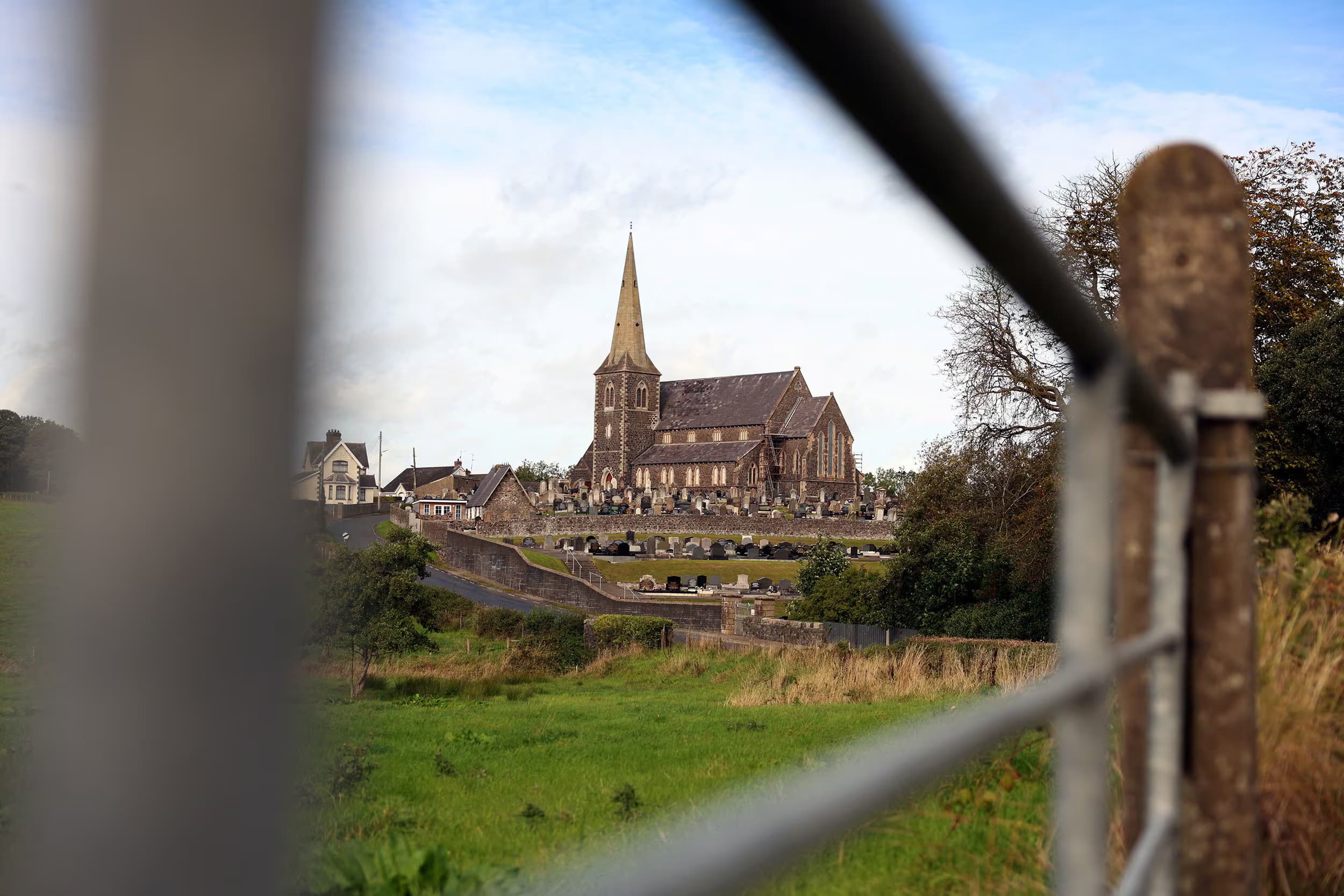
The dispute over the Drumcree parade and its passage along Garvaghy Road became one of the most acrimonious marching confrontations during the Troubles. Throughout the 1990s, repeated attempts by the Orange Order to use this route from Drumcree church sparked widespread protests and clashes. These events often necessitated large-scale security deployments, highlighting the deep societal divisions and the challenges of navigating cultural and religious expression in post-conflict Northern Ireland. The 1998 Good Friday Agreement brought an end to the widespread violence, but the underlying tensions surrounding parades and identity persist, making this court decision particularly significant.
The Orange Order and Unionism
The Orange Order is a fraternal organization with deep roots in Protestantism and a strong association with unionism, the political movement that supports Northern Ireland’s continued membership within the United Kingdom. Its parades are often seen as expressions of Protestant identity and heritage. For many within the Catholic and nationalist community, however, these marches through their neighborhoods are perceived as triumphalist displays and a reminder of historical oppression. The organization’s right to parade is protected, but balancing this with the rights and sensitivities of other communities remains a persistent challenge for authorities and society at large.
Conclusion
The High Court’s decision to permit the Orange Order march through Portadown’s Garvaghy Road after a 28-year hiatus is a pivotal moment for Northern Ireland. It revives a deeply contentious issue that has historically been a flashpoint for sectarian conflict. While the court has upheld the Orange Order’s right to parade, the ruling is likely to face continued opposition from residents and nationalist politicians. The coming days will be crucial in determining whether the region can navigate this sensitive situation without a return to the disorder and violence of the past, underscoring the ongoing need for dialogue and reconciliation.
What is the Orange Order?
The Orange Order is a Protestant fraternal organization closely associated with unionism in Northern Ireland.
Why is the Garvaghy Road march controversial?
It is a predominantly Catholic area, and marches through it have historically led to protests and violence.
When was the last time the Orange Order marched on Garvaghy Road?
The last march through the Garvaghy Road occurred 28 years ago, prior to the 1998 Good Friday Agreement.
What restrictions were placed on the march?
The march was limited to 35 participants, without bands, and had to finish by 9:30 AM.