Pakistan’s Renewable Energy Growth: Achievements and Future Prospects for 2026
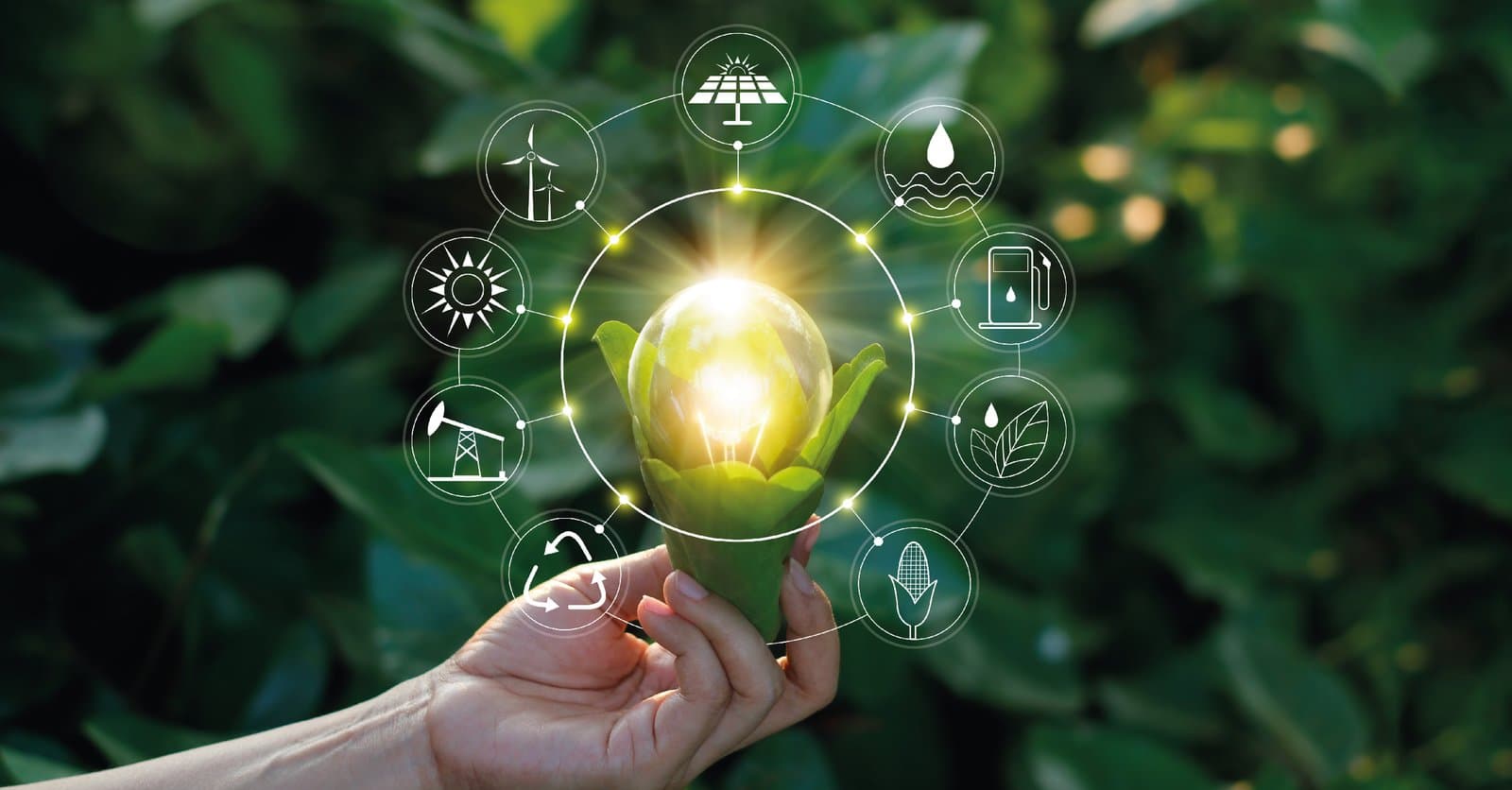
Pakistan’s renewable energy sector has witnessed significant growth in recent years, with the government setting ambitious targets to increase the share of renewable energy in the country’s energy mix. In this article, we will explore the achievements and future prospects of Pakistan’s renewable energy sector, with a focus on the latest developments and trends in the industry.
Key Takeaways
- Pakistan aims to increase the share of renewable energy in its energy mix to 30% by 2030.
- The country has made significant progress in solar energy, with the installation of several large-scale solar power projects.
- Wind energy is also a growing sector in Pakistan, with several wind power projects under development.
- The government has introduced various incentives to promote the growth of the renewable energy sector, including tax breaks and subsidies.
Renewable Energy Policy Framework
The government of Pakistan has introduced a comprehensive renewable energy policy framework to promote the growth of the sector. The policy aims to increase the share of renewable energy in the country’s energy mix to 30% by 2030. The policy also sets out targets for the installation of solar and wind power projects, as well as the development of other forms of renewable energy such as hydro and biomass.
Solar Energy in Pakistan
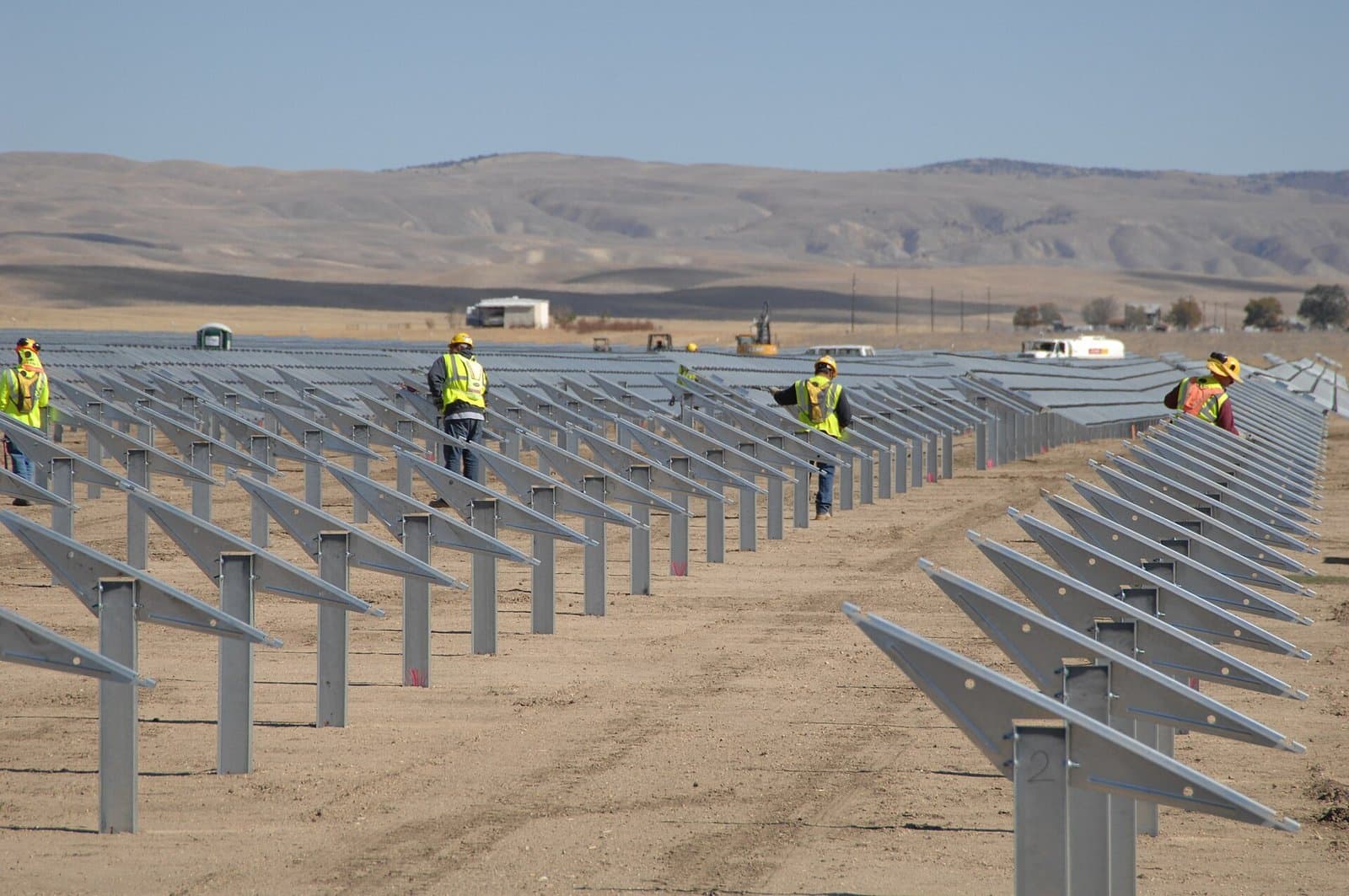
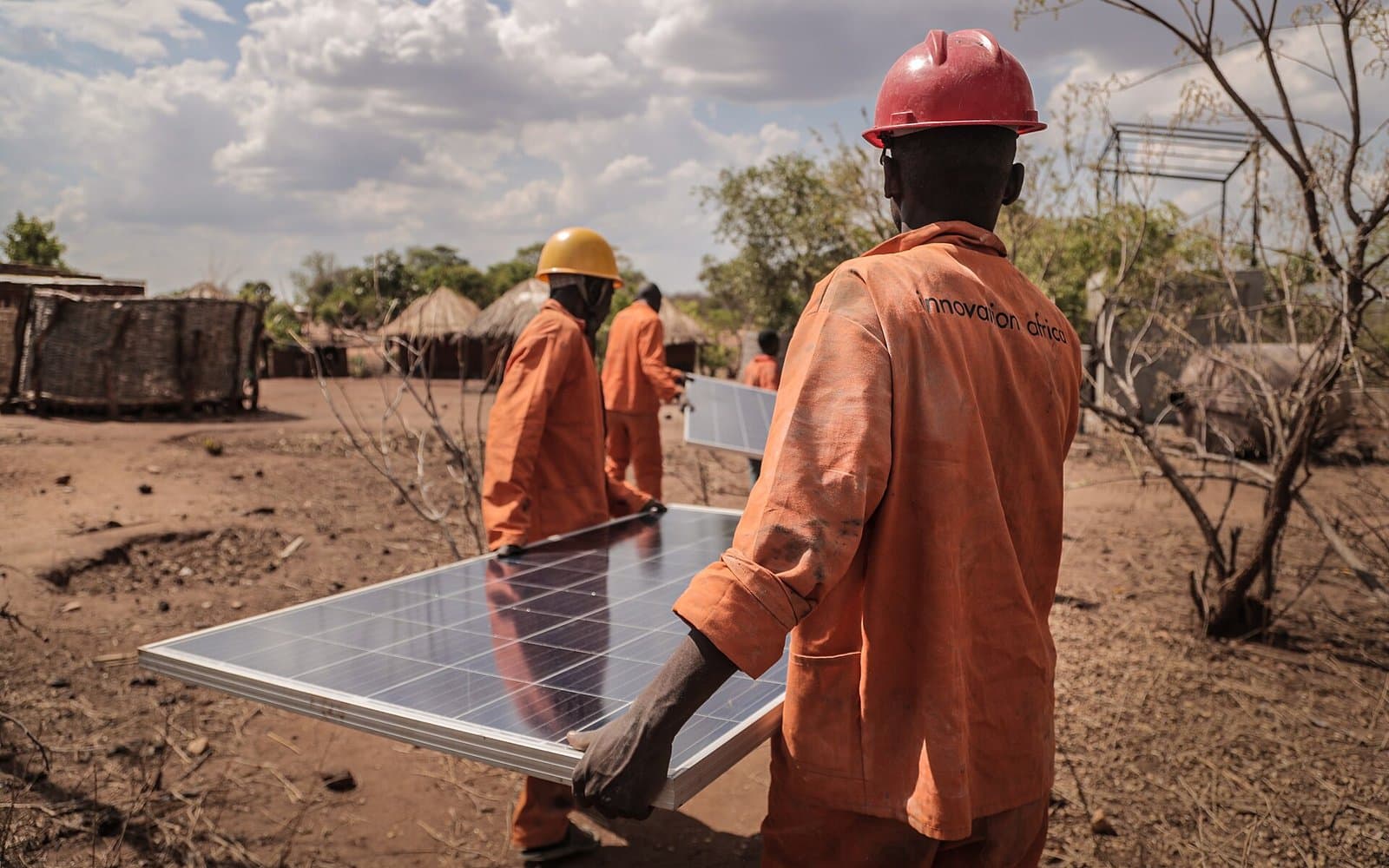
Solar energy is a growing sector in Pakistan, with the installation of several large-scale solar power projects in recent years. The country has a vast potential for solar energy, with an average of 2,000 kilowatt-hours per square meter per day. The government has introduced various incentives to promote the growth of the solar energy sector, including tax breaks and subsidies.
Wind Energy in Pakistan
Wind energy is also a growing sector in Pakistan, with several wind power projects under development. The country has a significant potential for wind energy, particularly in the coastal areas of Sindh and Balochistan. The government has introduced various incentives to promote the growth of the wind energy sector, including tax breaks and subsidies.
Challenges and Opportunities
Despite the significant progress made in the renewable energy sector, there are still several challenges that need to be addressed. These include the high upfront costs of renewable energy projects, the lack of infrastructure, and the need for a more effective regulatory framework. However, there are also several opportunities for growth and investment in the sector, particularly in the areas of solar and wind energy.
Conclusion
In conclusion, Pakistan’s renewable energy sector has made significant progress in recent years, with the government setting ambitious targets to increase the share of renewable energy in the country’s energy mix. The sector has a vast potential for growth, particularly in the areas of solar and wind energy. However, there are also several challenges that need to be addressed, including the high upfront costs of renewable energy projects and the lack of infrastructure.
Q1: What is the target for renewable energy in Pakistan’s energy mix?
A1: The target is to increase the share of renewable energy in Pakistan’s energy mix to 30% by 2030.
Q2: What are the main forms of renewable energy in Pakistan?
A2: The main forms of renewable energy in Pakistan are solar, wind, hydro, and biomass.
Q3: What incentives has the government introduced to promote the growth of the renewable energy sector?
A3: The government has introduced various incentives, including tax breaks and subsidies, to promote the growth of the renewable energy sector.
Q4: What are the challenges facing the renewable energy sector in Pakistan?
A4: The challenges facing the renewable energy sector in Pakistan include the high upfront costs of renewable energy projects, the lack of infrastructure, and the need for a more effective regulatory framework.
Q5: What are the opportunities for growth and investment in the renewable energy sector in Pakistan?
A5: There are several opportunities for growth and investment in the renewable energy sector in Pakistan, particularly in the areas of solar and wind energy.
Q6: How can I get more information about Pakistan’s renewable energy sector?
A6: You can get more information about Pakistan’s renewable energy sector by visiting the website of the Ministry of Energy or by contacting the relevant government agencies.