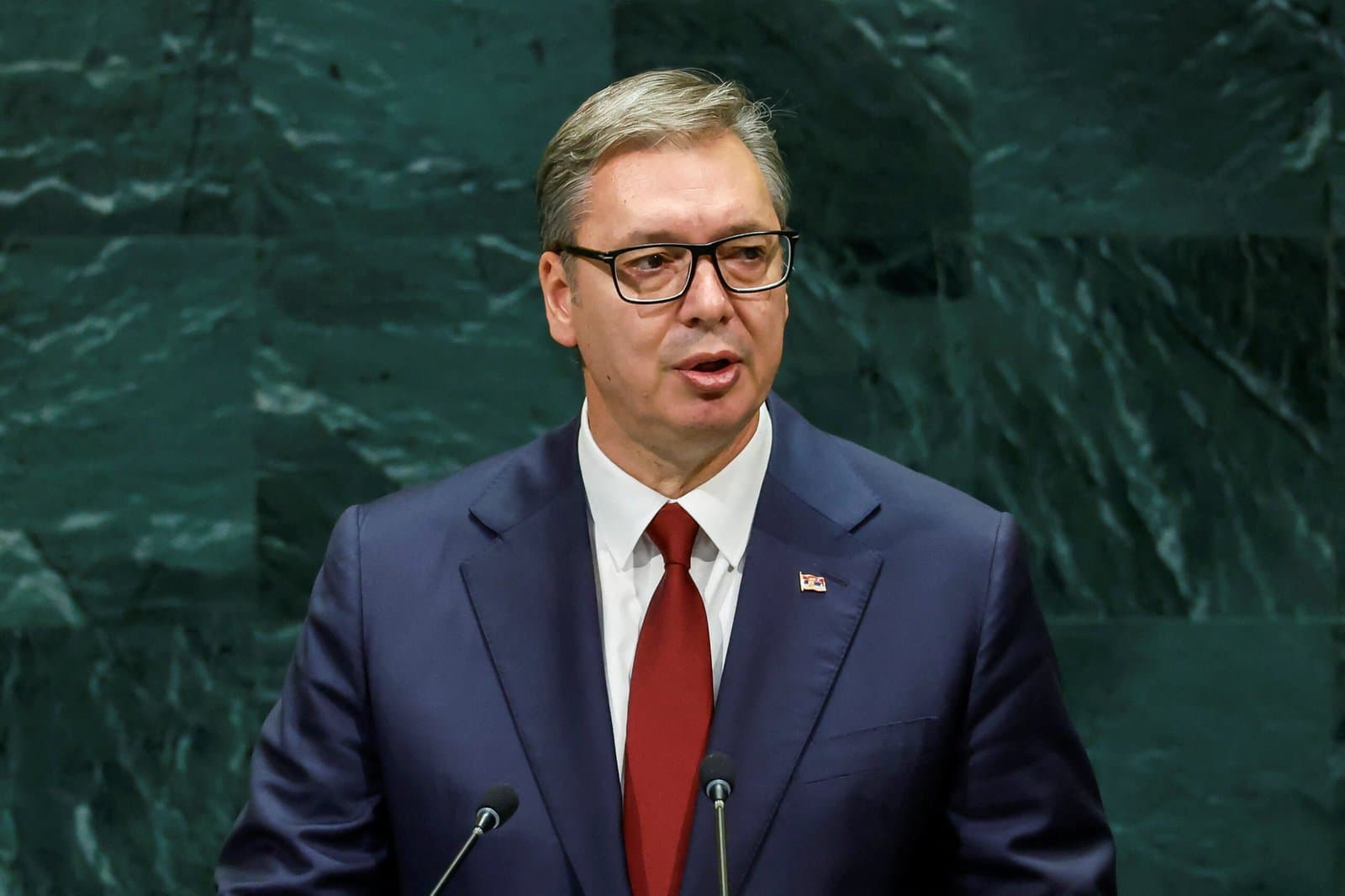
Serbia’s populist president, Aleksandar Vučić, has resigned from his presidential post to pursue a bid for prime minister in an upcoming early parliamentary election. This move is set to test his firm grip on the Balkan nation following nearly two years of widespread protests.
- Aleksandar Vučić resigned as Serbia’s president on Sunday, September 27, 2026.
- He aims to become prime minister in an early parliamentary election scheduled for October 25, 2026.
- Vučić is constitutionally barred from seeking a third presidential term, which would have ended in May 2027.
- The election will challenge his party’s dominance amid growing public discontent and a strong youth-led protest movement.
Reasons for Resignation
Vučić’s second presidential term was nearing its end in May 2027, and the Serbian constitution prohibits him from seeking a third term. His decision to step down as president is a strategic move to lead his rightwing Serbian Progressive party (SNS) in the upcoming parliamentary elections on October 25.
- The constitutional limit prevents Vučić from continuing as president.
- He seeks to maintain a leading political role by running for prime minister.
- The election is seen as a crucial test of his party’s enduring popularity.
- Vučić has held top leadership positions for 12 consecutive years, either as prime minister or president.
The Upcoming Parliamentary Election
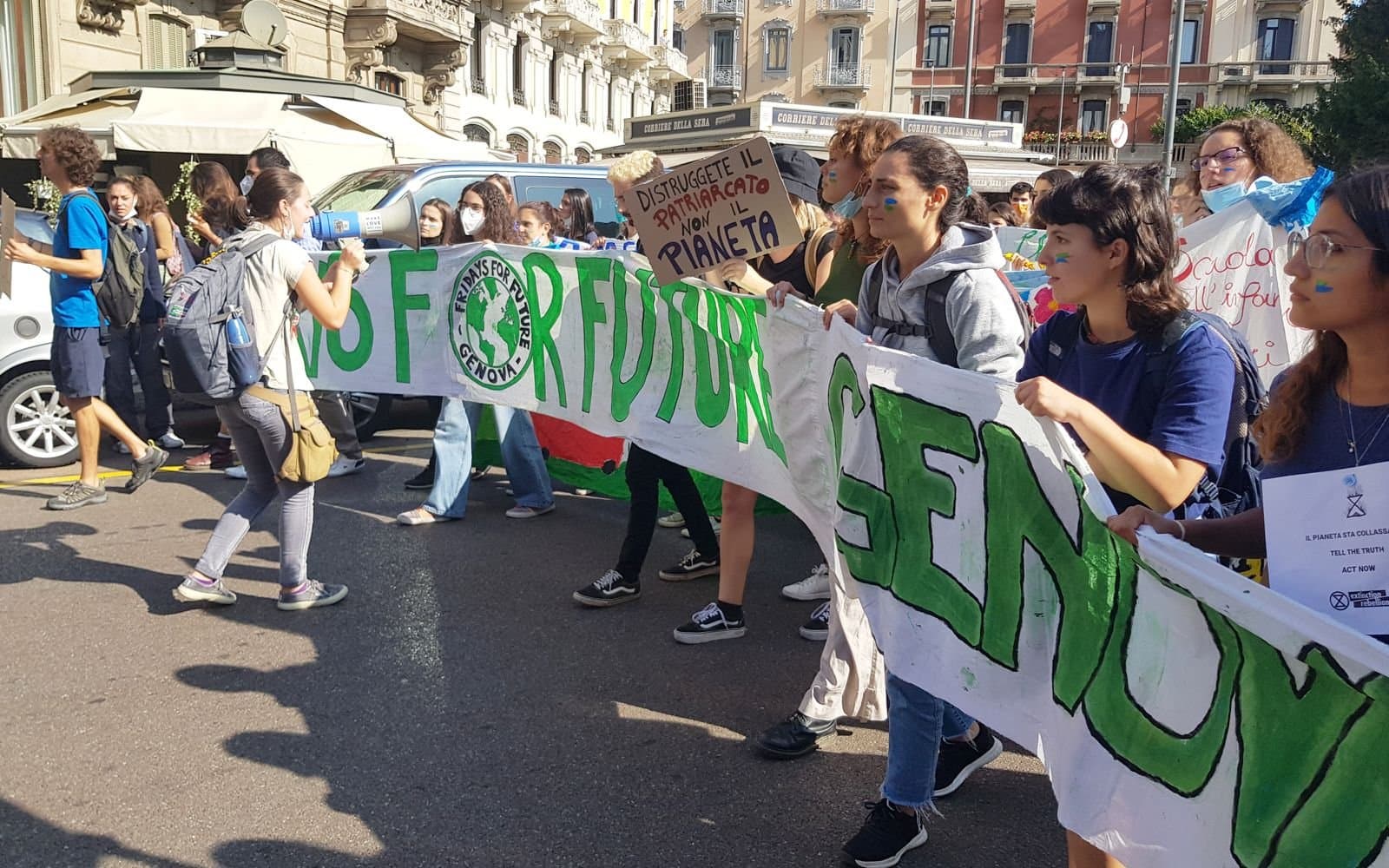
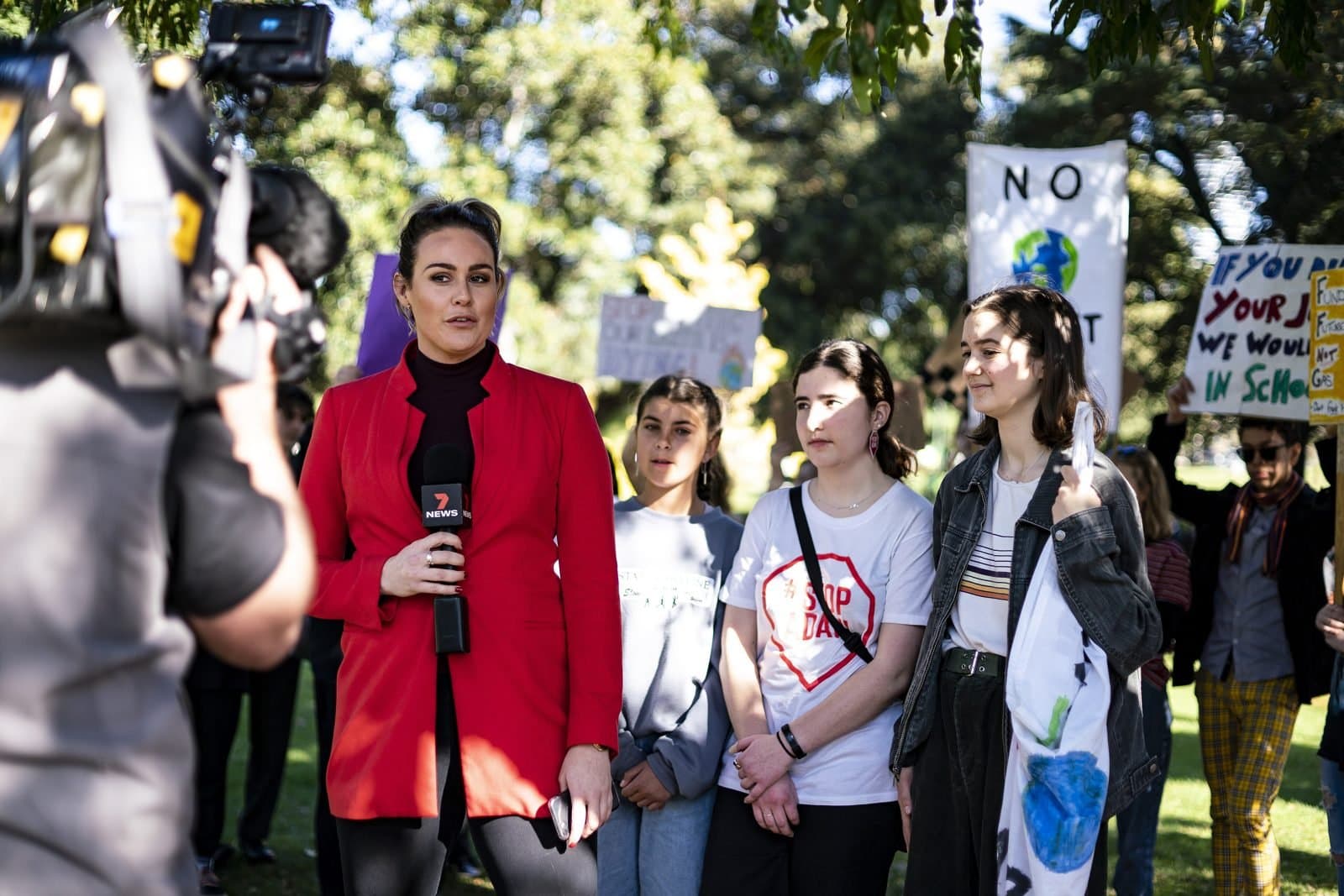
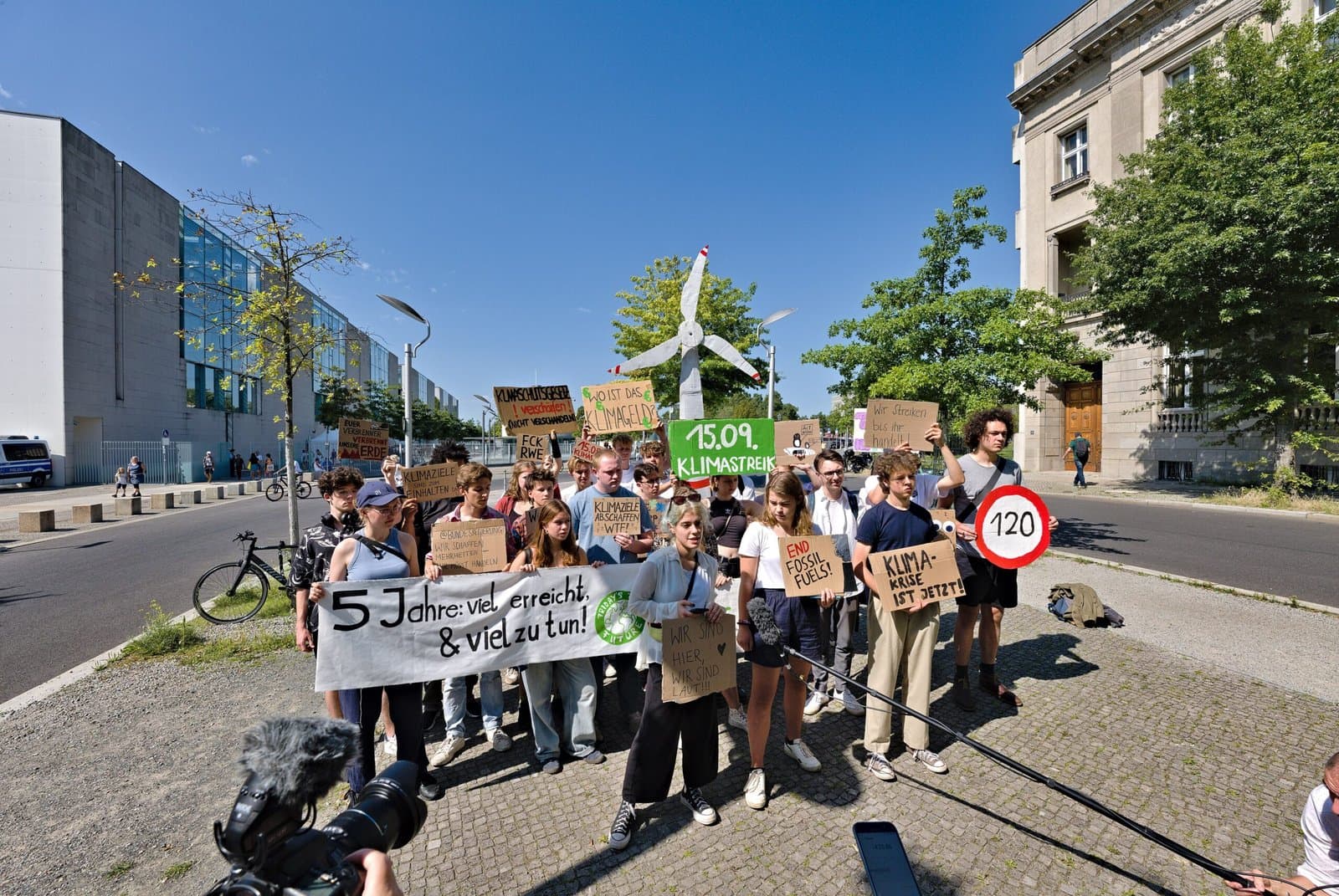
The October 25 ballot presents a significant challenge to Vučić’s party, particularly from a youth-backed movement that has been at the forefront of recent protests. These demonstrations were initially triggered by a tragic train station canopy collapse in November 2024 in Novi Sad, which resulted in 16 fatalities.
- The election is scheduled for October 25, 2026.
- A youth-led movement, born from protests against a 2024 tragedy, poses a major challenge.
- Protests began after a deadly canopy collapse in Novi Sad, killing 16 people.
- University students have been demanding accountability and protesting against corruption.
Protest Movement’s Growth
What began as a localized demand for accountability following the Novi Sad tragedy has evolved into a broader movement challenging the government. This movement aims to oust Vučić’s party after 14 years in power, reflecting widespread discontent across Serbia.
- The movement seeks to end 14 years of SNS rule.
- It has grown from demands for justice into a significant political force.
- The protests highlight public dissatisfaction with the current government.
Vučić’s Campaign Strategy
In the weeks leading up to the election, Vučić has actively engaged in a high-profile campaign. Pro-government media have extensively covered his activities, including the opening of new infrastructure projects, announcements of financial assistance, and direct engagement with voters.
- Vučić has toured the country extensively, with extensive media coverage.
- He has inaugurated new roads and announced aid packages.
- Visits to voters’ homes and personal interactions have been part of his strategy.
- He has been filmed driving to events, emphasizing a connection with the populace.
Shift in Power Dynamics
The role of prime minister in Serbia holds more formal power than the president. Despite this, Vučić has exerted significant influence during his presidency, often presiding over government meetings and announcing key policy decisions.
His move to the prime ministership could consolidate his control.
- The prime minister holds more formal executive power than the president.
- Vučić has historically exerted considerable influence from the presidential office.
- Running for prime minister could centralize his authority further.
- His party has been accused of abusing public institutions for political gain.
Succession and Interim Leadership
Following Vučić’s resignation, Ana Brnabić , a close ally and former prime minister, will serve as the acting president. She is also the outgoing speaker of the 250-member parliament.
After the new parliament is elected, a new speaker will assume duties from Brnabić, appoint the next prime minister, and schedule a presidential election.
- Ana Brnabić, a key ally, is the interim acting president.
- She previously served as prime minister and is the current parliament speaker.
- A new parliamentary speaker will be chosen after the election.
- The new speaker will appoint the prime minister and set the date for a presidential vote.
Conclusion
Aleksandar Vučić’s resignation as president marks a significant political maneuver in Serbia. By seeking the prime minister position, he aims to navigate the challenges posed by a growing protest movement and secure his party’s continued dominance.
The upcoming parliamentary election on October 25 will be a critical juncture, determining the future political landscape of the Balkan nation and testing the resilience of Vučić’s populist leadership against a backdrop of public discontent and demands for change.
Why did Aleksandar Vučić resign as president?
He resigned to run for prime minister in an upcoming parliamentary election, as he cannot seek a third presidential term.
When is the Serbian parliamentary election?
The election is scheduled to take place on October 25, 2026.
Who will be the acting president after Vučić’s resignation?
Ana Brnabić, a close ally and former prime minister, will serve as the acting president.
What triggered the recent protests in Serbia?
The protests were initially triggered by a deadly train station canopy collapse in Novi Sad in November 2024.