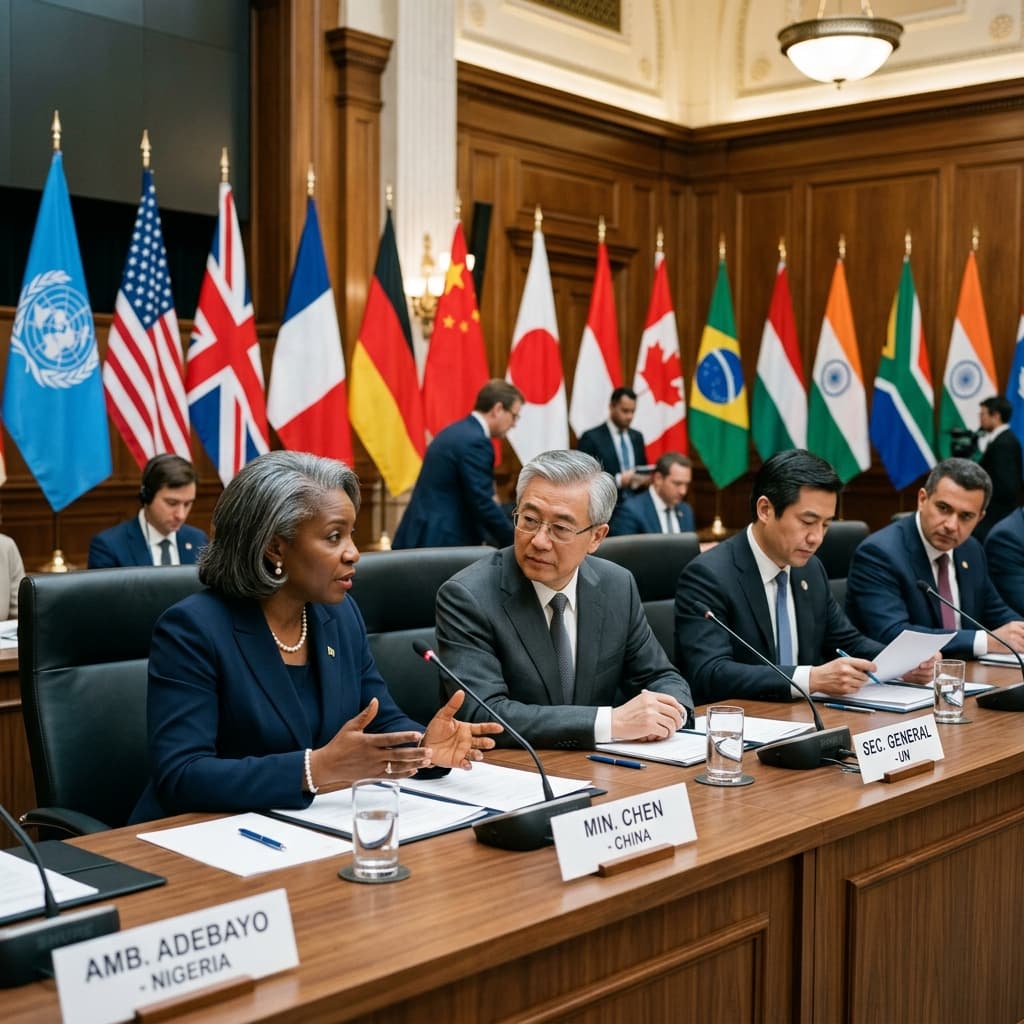
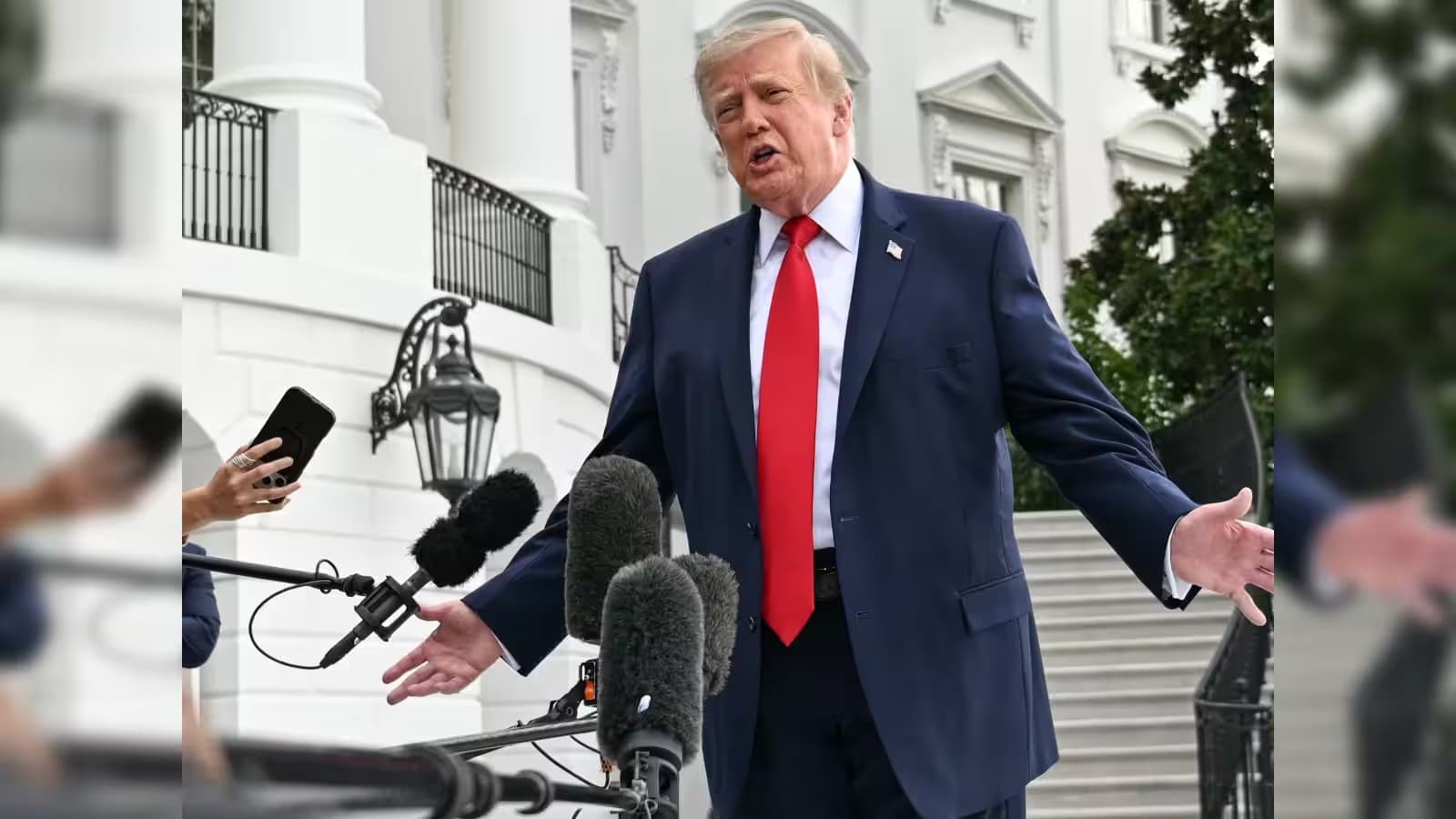
President Trump announced on Saturday, September 26, 2026, that he is rejecting an Iranian plan aimed at reopening the Strait of Hormuz. Speaking to reporters as he departed the White House, Trump stated that the deal was “not acceptable” without providing further details. The Iranian proposal, presented at the United Nations General Assembly meetings, included a seven-day plan to reopen the vital waterway, contingent on the United States meeting certain conditions. This initiative comes after repeated closures of the strait by Iran, which have significantly disrupted global oil supplies.
The proposed plan bears similarities to a memorandum of understanding previously agreed upon by the U.S. and Iran in June, which aimed to de-escalate tensions and restart ceasefire talks.
- President Trump rejected an Iranian plan to reopen the Strait of Hormuz on September 26, 2026.
- The Iranian proposal included a seven-day plan for reopening the strait, pending U.S. conditions.
- Iran initially closed the strait after a joint U.S.-Israeli attack on February 28, 2026.
- The proposed deal is reminiscent of a June memorandum of understanding between the U.S. and Iran.
Background of the Strait of Hormuz Dispute
The Strait of Hormuz, a critical chokepoint for global oil transport, has been a focal point of tension between the United States and Iran. Iran initially closed the strait on February 28, 2026, following what it described as an attack by the U.S. and Israel. These closures have led to significant disruptions in the world’s oil supply, impacting international markets and economies.
The repeated blockades have underscored the strategic importance of the strait and the volatile geopolitical situation in the region.
Iran’s Seven-Day Reopening Plan
Iranian Foreign Minister Abbas Araghchi revealed on Friday that Iran had conveyed a “concrete seven-day plan” to the U.S. through Qatar. According to Araghchi, if the necessary conditions are met, the strait could be reopened and normal maritime passage restored within a week. “The choice now rests with the United States,” he stated, emphasizing Iran’s willingness to resolve the issue.
The plan necessitates the U.S. fulfilling commitments previously outlined in the June memorandum of understanding, which Iran believes are already established.
The June Memorandum of Understanding
The Iranian proposal shares similarities with a memorandum of understanding (MoU) that the U.S. and Iran had agreed upon in June. This earlier agreement aimed to temporarily end hostilities and resume ceasefire negotiations. Under the terms of the MoU, Iran would have received relief from a U.S.
naval blockade, along with eased sanctions and the release of frozen assets. In return, Iran committed to not pursuing nuclear weapons and to reopening the Strait of Hormuz. However, disputes over the vague wording of the memo, particularly regarding control of the strait, led to its collapse and the resumption of strikes by both nations.
Disputes Over Wording and Control
The collapse of the June MoU was largely attributed to disagreements over its ambiguous language. Specific clauses concerning the operational control and management of the Strait of Hormuz created friction between the two nations. These unresolved issues ultimately prevented the full implementation of the agreement, leading to a renewed cycle of conflict and further complicating efforts to de-escalate tensions in the region.
Iranian President’s Stance on Commitments
In a prerecorded interview with CBS, Iranian President Masoud Pezeshkian expressed Iran’s commitment to upholding its obligations. He stressed that the U.S. must demonstrate that it does not intend to overthrow the Iranian government or administration. Pezeshkian indicated that if the U.S.
agrees to proceed in a manner that respects Iran’s sovereignty, the situation could return to its previous state. He explained that the current impasse is a result of mutual blocking, with the U.S. having obstructed Iran’s path, leading Iran to reciprocate. Pezeshkian believes that both sides must first remove these obstacles before meaningful negotiations on other issues can commence.
Trump’s Rationale for Rejection
While President Trump did not elaborate on the specific reasons for rejecting the Iranian plan, he alluded to Iran’s perceived desperation. “They want to make a deal where they open the strait immediately because they’re losing so badly,” Trump remarked. This suggests that the U.S. administration views Iran’s proposal as a move driven by economic or strategic weakness rather than a genuine desire for stable relations.
Trump also reiterated his interest in making deals, stating, “I like making a deal too,” but emphasized that the current proposal was not the right one.
Conclusion
President Trump’s rejection of Iran’s plan to reopen the Strait of Hormuz marks a significant setback for diplomatic efforts in the region. The proposed seven-day plan, intended to restore maritime passage and resume negotiations, was deemed unacceptable by the U.S. administration. This decision highlights the deep-seated mistrust and unresolved issues between the two nations, particularly concerning the control and security of the vital waterway.
The future of the Strait of Hormuz remains uncertain, with potential implications for global energy markets and regional stability.
What is the Strait of Hormuz?
The Strait of Hormuz is a vital waterway connecting the Persian Gulf and the Gulf of Oman, crucial for global oil transport.
When did Iran first close the Strait of Hormuz?
Iran initially closed the strait on February 28, 2026, following an alleged attack by the U.S.
What was the Iranian proposal?
A seven-day plan to reopen the strait, contingent on U.S.
Why did the June MoU collapse?
Disputes over vague wording, particularly regarding control of the strait, led to the collapse of the June memorandum of understanding.