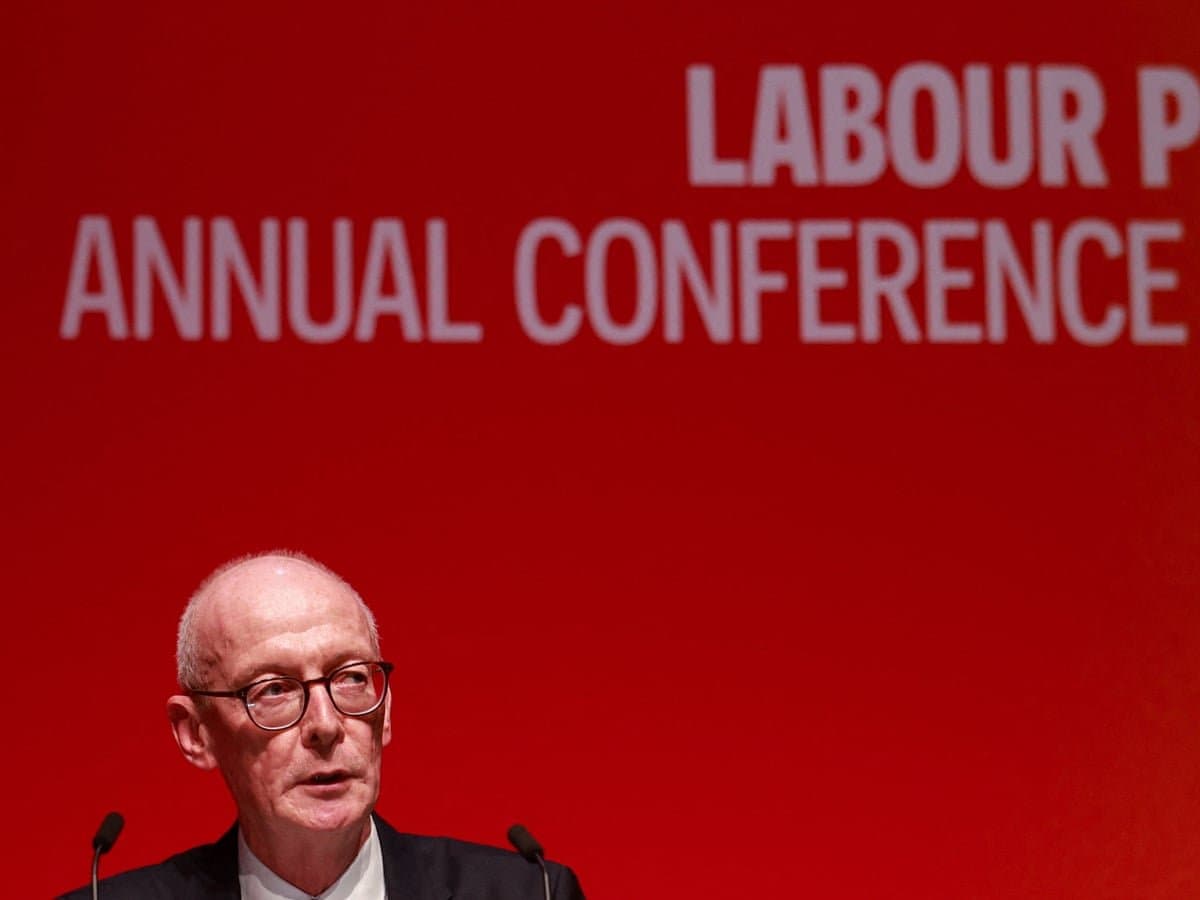
The UK government is signaling a significant overhaul of the welfare system, particularly concerning benefits for young people. Work and Pensions Secretary Pat McFadden has framed proposed changes as a ‘moral crusade’ to encourage more individuals aged 16 to 24 into employment.
- Proposed welfare reforms focus on moving from entitlement to life-changing support for young people.
- Two key reviews—one on youth welfare by Alan Milburn and another on disability benefits—are expected to conclude this autumn.
- The government aims to create a new system emphasizing opportunity and employment, potentially drawing inspiration from international models.
- A million young people are currently not in work, employment, or training, with a notable rise in disability benefit claims among this demographic.
A ‘Moral Crusade’ for Employment
Pat McFadden urged Labour MPs to support substantial welfare system changes, emphasizing a moral responsibility to help young people find work. He suggested it’s time for Labour to ‘renew’ the welfare state, which was originally established by the Clement Attlee government and later updated by New Labour.
- McFadden stated that decisions and responsibilities must be taken following the conclusion of two major reviews.
- The focus is shifting from ‘what are you entitled to’ to ‘how do we change your life’.
- This initiative aims to embrace necessary change within a system the Labour party holds dear.
Preparing for Welfare Overhaul
McFadden’s speech indicates the government is laying the groundwork for welfare reforms, following a previous U-turn on disability benefit cuts. Last year, plans to cut disability benefits by £5 billion annually were abandoned due to strong opposition from Labour backbenchers and concerns about pushing disabled individuals into poverty.
- The government is preparing to introduce significant changes to the welfare system.
- This follows a previous instance where proposed disability benefit cuts faced strong opposition.
- The current administration seeks to avoid similar backbench rebellions by framing reforms positively.
Focus on Opportunity and Work
Prime Minister Andy Burnham has stated his commitment to reforming the system in a ‘Labour way,’ prioritizing getting people back to work rather than solely focusing on cost savings. However, charities supporting disabled individuals express apprehension due to past cuts and the potential impact of an overhauled system.
International Models Under Consideration
Officials are exploring elements from other countries’ benefit systems. Examples include the Netherlands’ youth hubs designed to combat unemployment and Denmark’s approach, which restricts access to disability pensions for those under 40, instead offering support for flexible employment and training.
- The Netherlands utilizes youth hubs to address unemployment.
- Denmark offers flexible job and training support to under-40s instead of immediate disability pensions.
- These models aim to integrate individuals into the workforce through tailored assistance.
Addressing Youth Unemployment and Benefit Claims
The UK faces a significant challenge with a million young people currently out of work, employment, or training. Concurrently, there has been a marked increase in the number of young people claiming disability benefits, highlighting a growing need for effective support mechanisms.
- A million young individuals are not engaged in work, education, or training.
- There is a notable rise in disability benefit claims among the younger population.
- This situation underscores the urgency for revised welfare strategies.
Future System and Assessment Process
Following the conclusion of the Timms and Milburn reviews, the government is expected to develop a new system and assessment process for disability benefits. This will likely necessitate new legislation and will place a particular emphasis on supporting younger individuals into jobs and training.
- New legislation may be required for the revamped system.
- The focus will be on improving support for young people entering the workforce.
- Existing programs like the ‘jobs guarantee’ for under-25s will be built upon.
Conclusion
The proposed changes to the UK’s welfare system, particularly for young people, represent a significant policy shift. By framing these reforms as a ‘moral crusade,’ the government aims to garner support for a system that prioritizes employment and opportunity.
The outcomes of the ongoing reviews will be critical in shaping the future landscape of welfare support, with a keen eye on international best practices and the specific needs of a generation facing high unemployment and increasing reliance on disability benefits.
What is the government’s main objective with the proposed welfare changes?
The primary goal is to encourage more young people aged 16-24 into employment and training.
Which reviews are expected to influence these changes?
Reviews on youth welfare by Alan Milburn and disability benefits by the Timms panel are key.
What international examples are being considered?
Models from the Netherlands (youth hubs) and Denmark (flexible work support for under-40s) are being examined.
What is the current situation regarding youth employment in the UK?
A million young people are currently out of work, employment, or training.