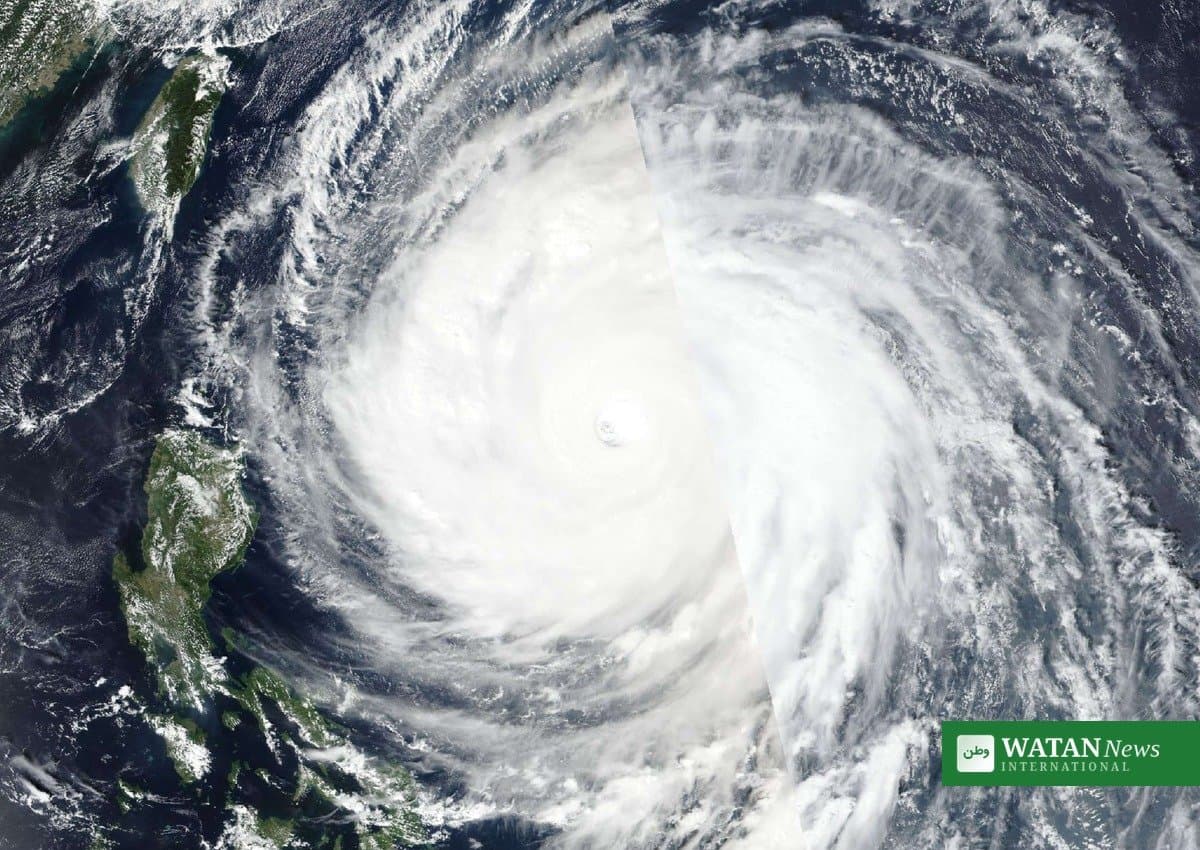
Taiwan land warning Typhoon Champi is now in force, with the island cancelling 125 flights on Thursday as the powerful storm approaches its northeastern coast. Taiwan’s Central Weather Administration issued the land warning as Champi, which at one point reached super-typhoon strength, continued to weaken slightly while still packing gusts of more than 227 kilometres per hour near its centre.
FAKTA
- Taiwan has issued a land warning for Typhoon Champi, with 125 flights cancelled on Thursday, mostly domestic services.
- The storm’s gusts exceed 227 kilometres per hour near its centre, and its wind radius has expanded to about 320 kilometres.
- Coastal alerts warn of waves of more than six metres, while nearly one metre of rain is expected in northern mountain areas.
- In the Philippines, Signal No. 2 is in force over Batanes and the northeastern Babuyan Islands, with intense rain forecast.
- Champi is expected to be closest to Taiwan late on Friday, off its northeastern coast, before turning north.
Taiwan land warning Typhoon Champi: flights cancelled, coast on alert
Taiwan’s transport ministry said 125 flights were cancelled on Thursday, mostly domestic routes, while the rail network was so far unaffected. The interior ministry said no evacuations of residents had yet been reported.
The weather administration said the typhoon’s radius had expanded slightly to about 320 kilometres, large enough to cover most of Taiwan, and warned that its impact could last nearly two days. Mobile phone alerts sent to coastal towns warned of waves of more than six metres, while total rainfall of nearly one metre was expected in northern mountain areas, including the hills near the capital, Taipei.
Taiwan’s President Lai Ching-te urged the public to prepare now and to stay away from the mountains and the coast. “A little more preparation means less risk,” he wrote on his Facebook page, according to Reuters.
Although typhoons are more common in the summer months, they can also strike in autumn, bringing strong winds and torrential rain. Taiwan is generally very well prepared for typhoons, which keeps casualties low, Reuters noted.
Philippines under Signal No. 2 as Champi weakens
In the Philippines, where the storm is known locally as Rosal, the state weather bureau PAGASA kept Tropical Cyclone Wind Signal No. 2 over Batanes and the northeastern portion of the Babuyan Islands in its 11:00 a.m. bulletin on Thursday. Under Signal No. 2, gale-force winds of 62 to 88 kilometres per hour pose a minor to moderate threat to life and property.
Signal No. 1 remained in force over the rest of the Babuyan Islands, mainland Cagayan, the eastern portion of Isabela, Ilocos Norte and Apayao. PAGASA forecast intense rainfall of 100 to 200 millimetres over Batanes in the next 24 hours, and 50 to 100 millimetres over Apayao and Cagayan, warning of possible flooding and landslides in affected areas.
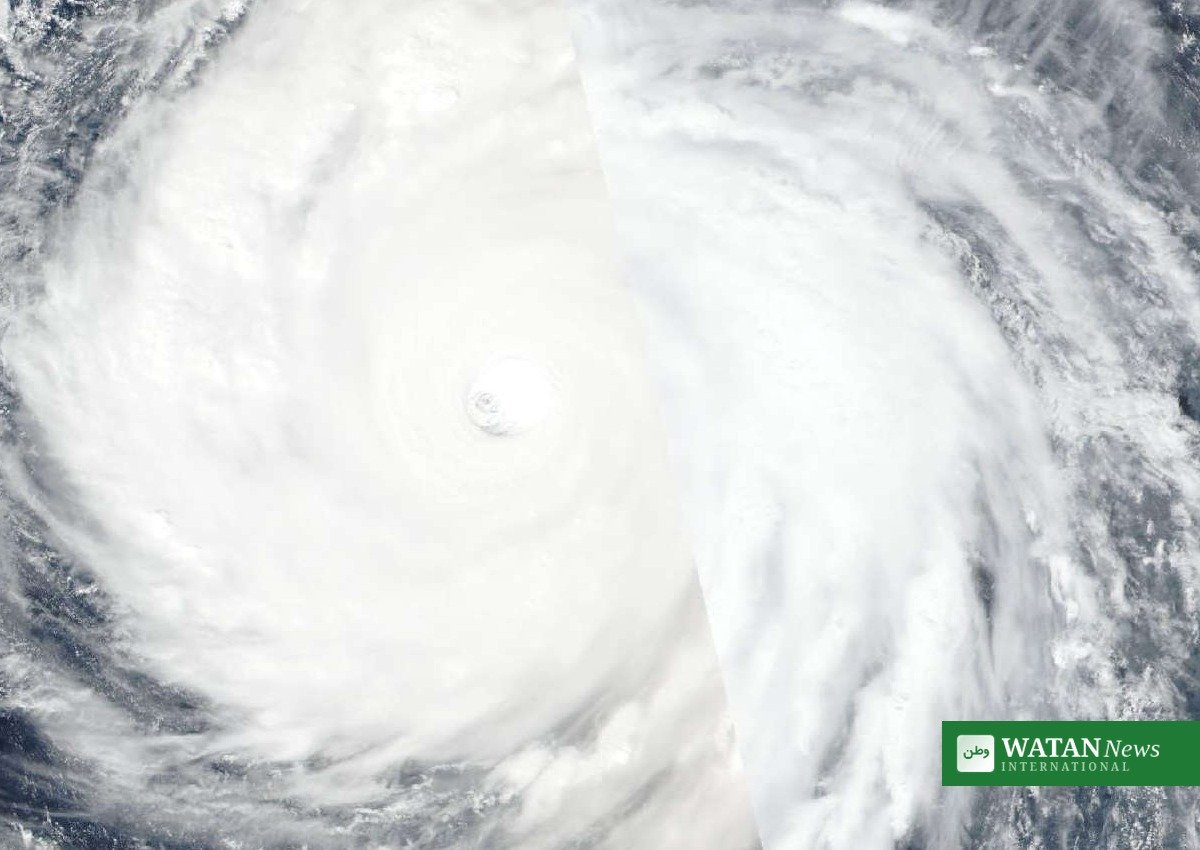
Champi was last spotted 400 kilometres east of Basco, Batanes, with maximum sustained winds of 185 kilometres per hour and gusts of up to 230 kilometres per hour, down from 195 and 240 kilometres per hour earlier on Thursday. PAGASA said the storm is expected to pass closest to Extreme Northern Luzon between Thursday afternoon and Friday morning, and to leave the Philippine Area of Responsibility by Friday evening or early Saturday.
What happens next
The storm’s forecast track takes it past northeastern Taiwan, before it turns north toward the Chinese coast and eventually moves into southern Japan. It is forecast to first pass over Yonaguni, Japan’s westernmost inhabited island, in Okinawa Prefecture, and to be at its closest to Taiwan late on Friday, off the island’s northeastern coast, before heading toward the seas off Shanghai.
Forecasters expect Champi to keep weakening on approach, but its size means strong winds, heavy rain and dangerous seas will affect a wide area even as its peak winds ease. Residents in Taiwan and the northern Philippines are advised to follow official warnings and avoid exposed coastal areas until the storm has passed.
More climate coverage is available on the Watan News climate page.