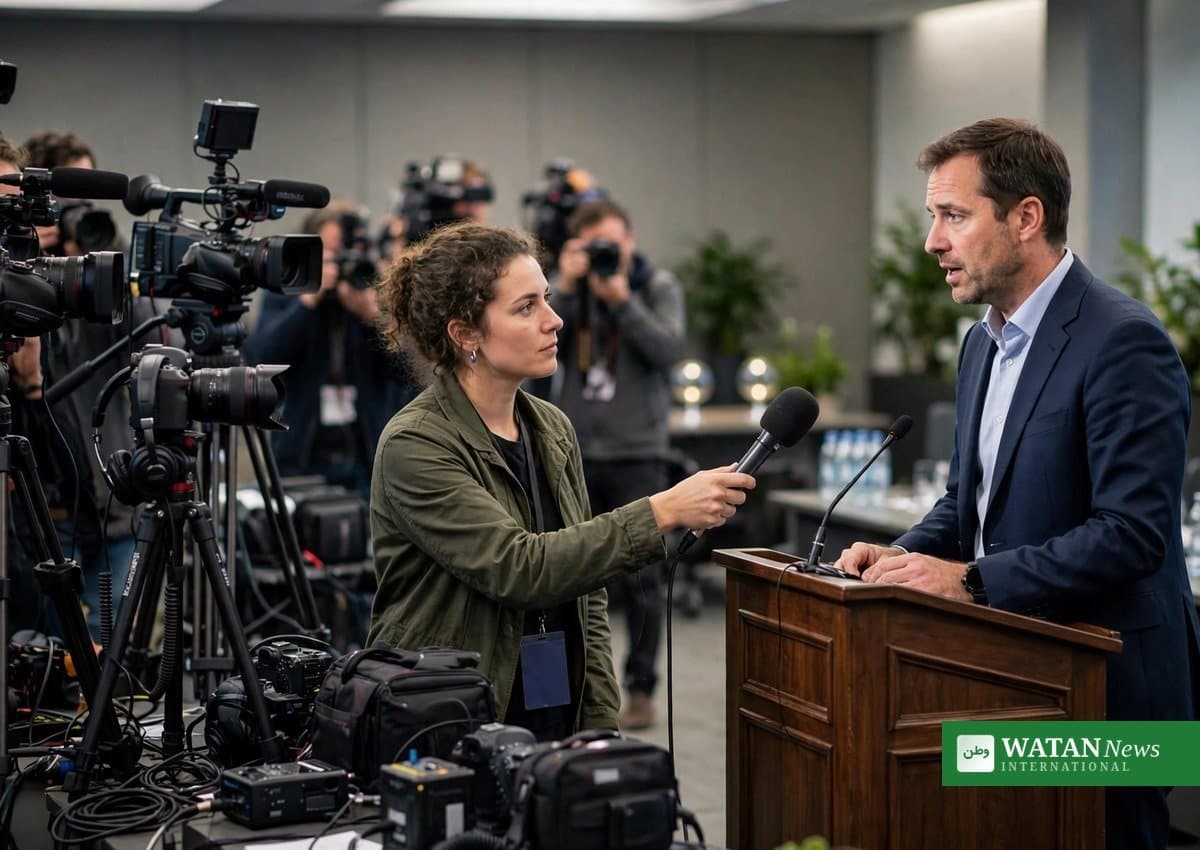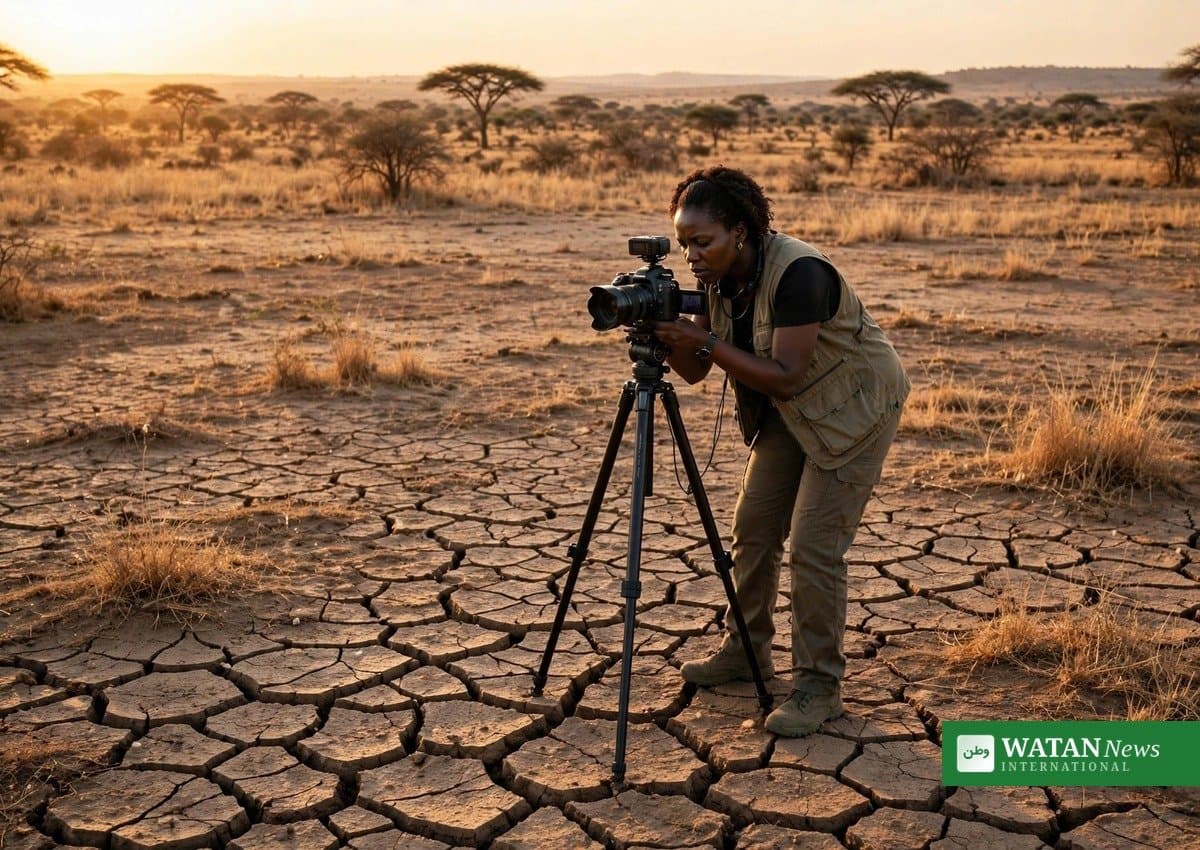
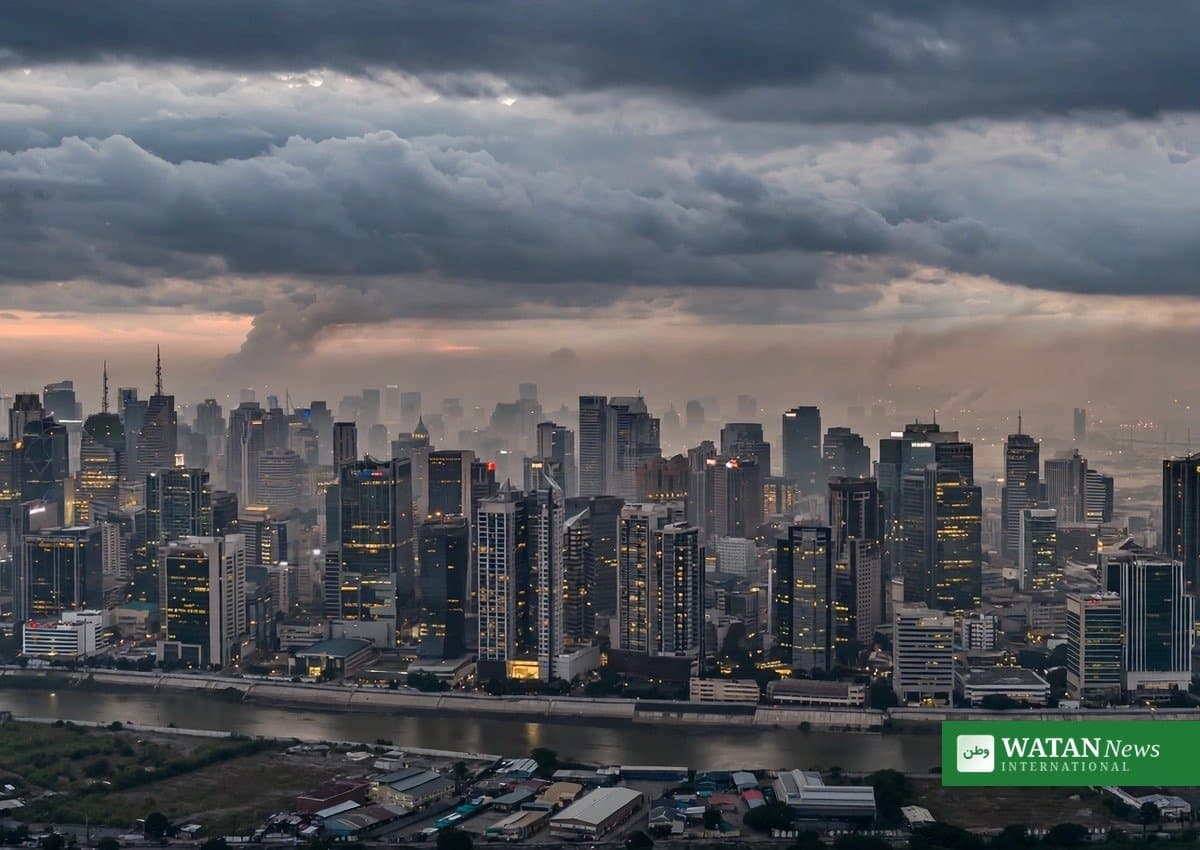
The Philippines’ national carbon intensity continues to rise, Climate Change Commission Secretary Robert E.A. Borje told corporate executives at the Philippine Net Zero Conference 2026, warning that the country’s fossil carbon dioxide emissions have grown by 25% since 2021 — even as more companies adopt climate pledges.
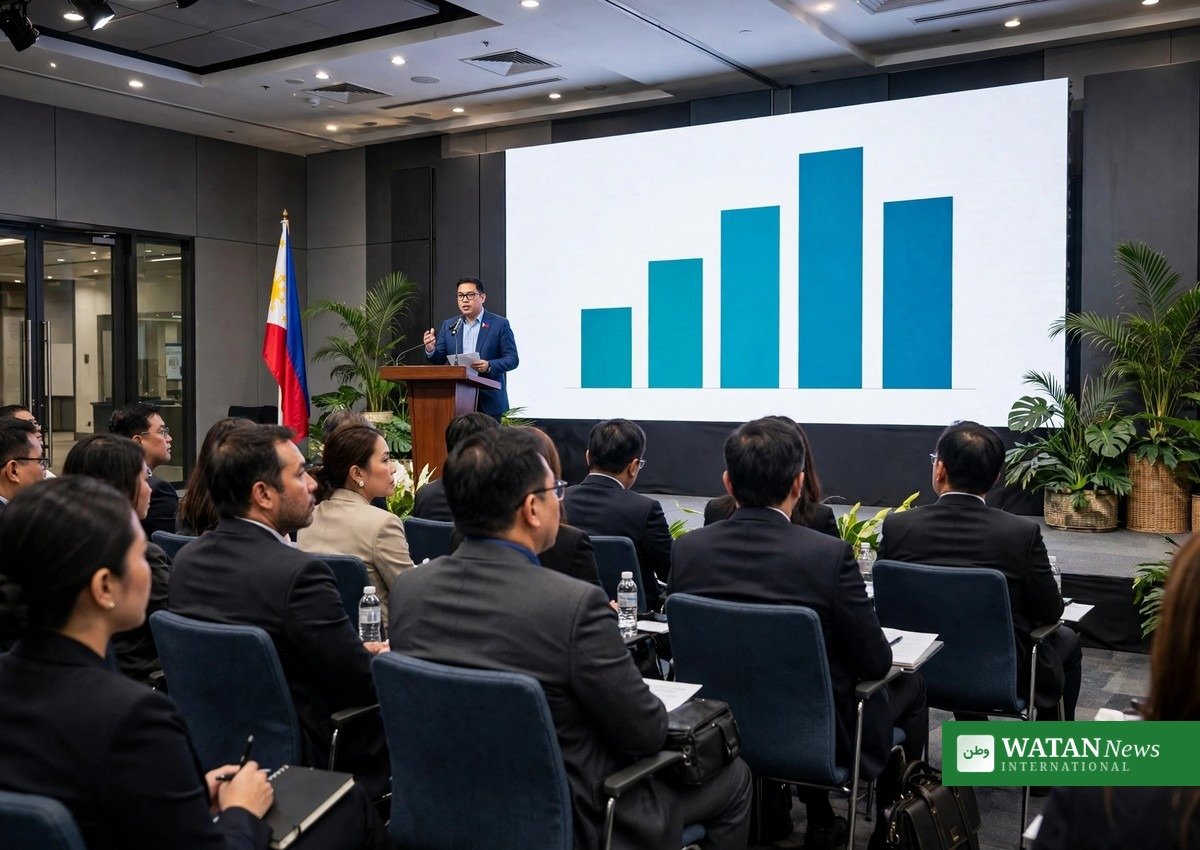
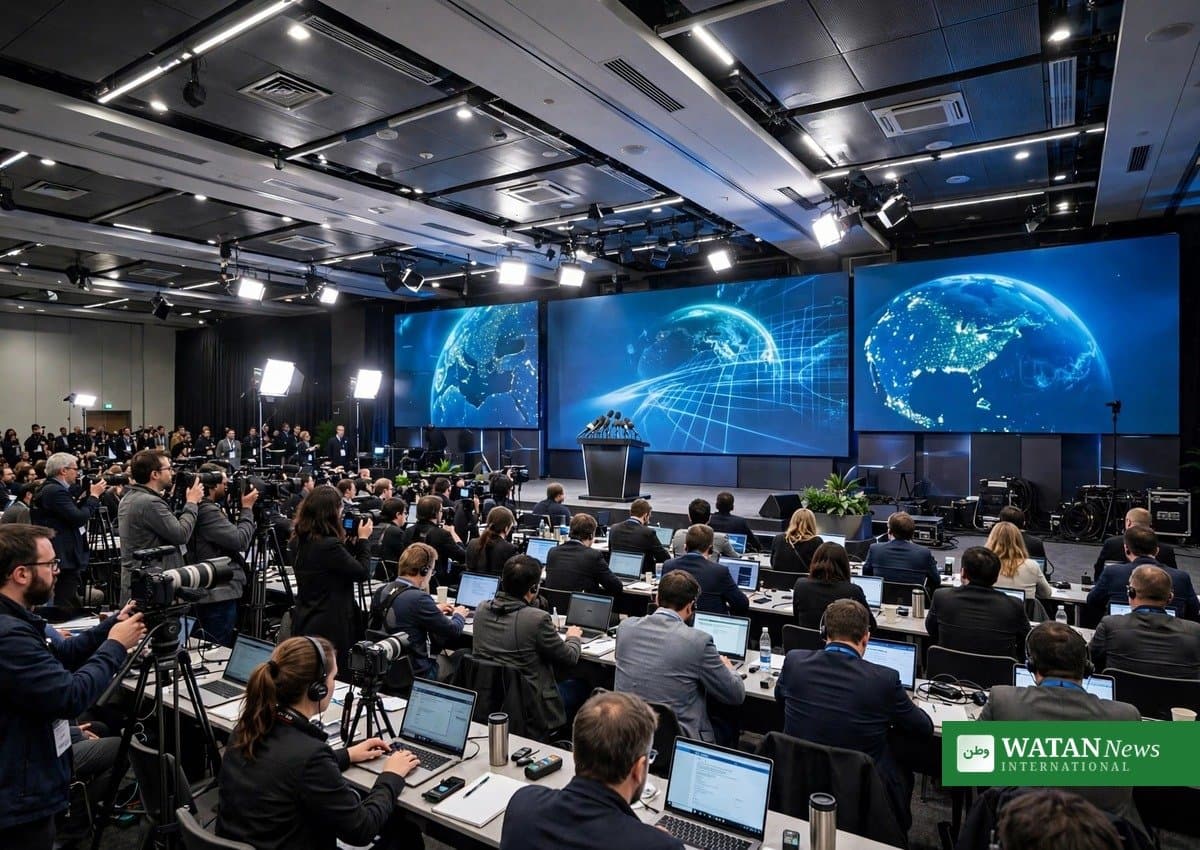
The Philippines’ climate chief addressed corporate executives at the Philippine Net Zero Conference 2026 in Manila, urging businesses to back their pledges with measurable action.
Corporate emissions still climbing
According to BusinessWorld, which reported Borje’s remarks on October 1, the commission secretary pointed to a troubling gap between corporate climate promises and the country’s actual emissions. “At the national level, the absolute emissions trajectory still moves, however, in the opposite direction,” he said.
Out of 137 listed Philippine companies, only 20 provided clear, year-to-year carbon data in their publicly available filings and sustainability reports, Borje said, citing a review of corporate disclosures. He added that while several major firms reported better carbon intensity — emissions relative to output — their actual physical emissions continued to climb as operations expanded.
To drive the point home, Borje said a major listed Philippine conglomerate reported 230 tons of emissions in just four minutes of daily operations — equivalent to 11 months of emissions for 100 average Filipinos. “That scale tells us where the greatest leverage lies. Individual choices matter, but bending the national curve will require decisions about assets, contracts, technologies, and capital,” he said.
Policy backdrop for Philippines carbon intensity debate
The Philippines is a signatory to the Paris Agreement and has committed to reducing its greenhouse gas emissions by 75% by 2030 under its Nationally Determined Contribution climate action plan. The pledge is split into a 7% unconditional target and a 68% conditional target that depends on external support, including public-private investment and international climate finance.
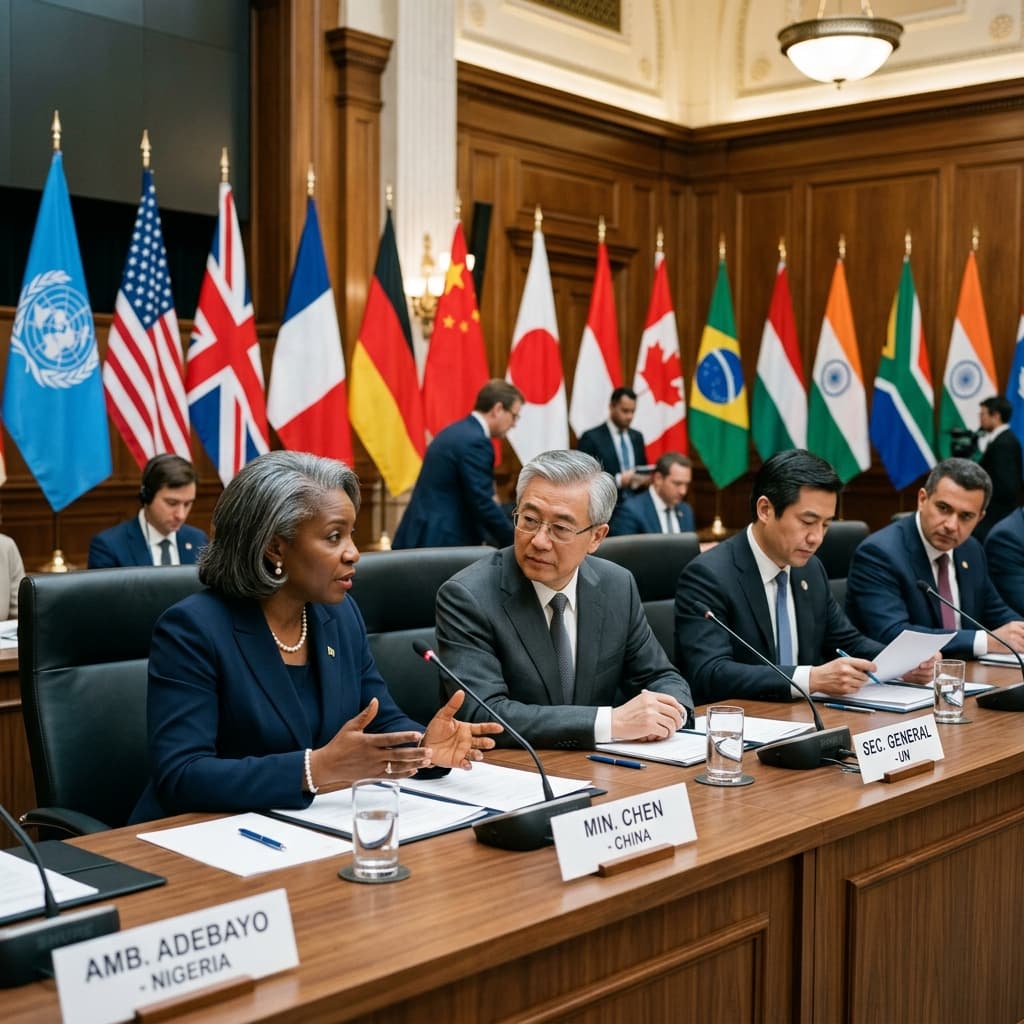
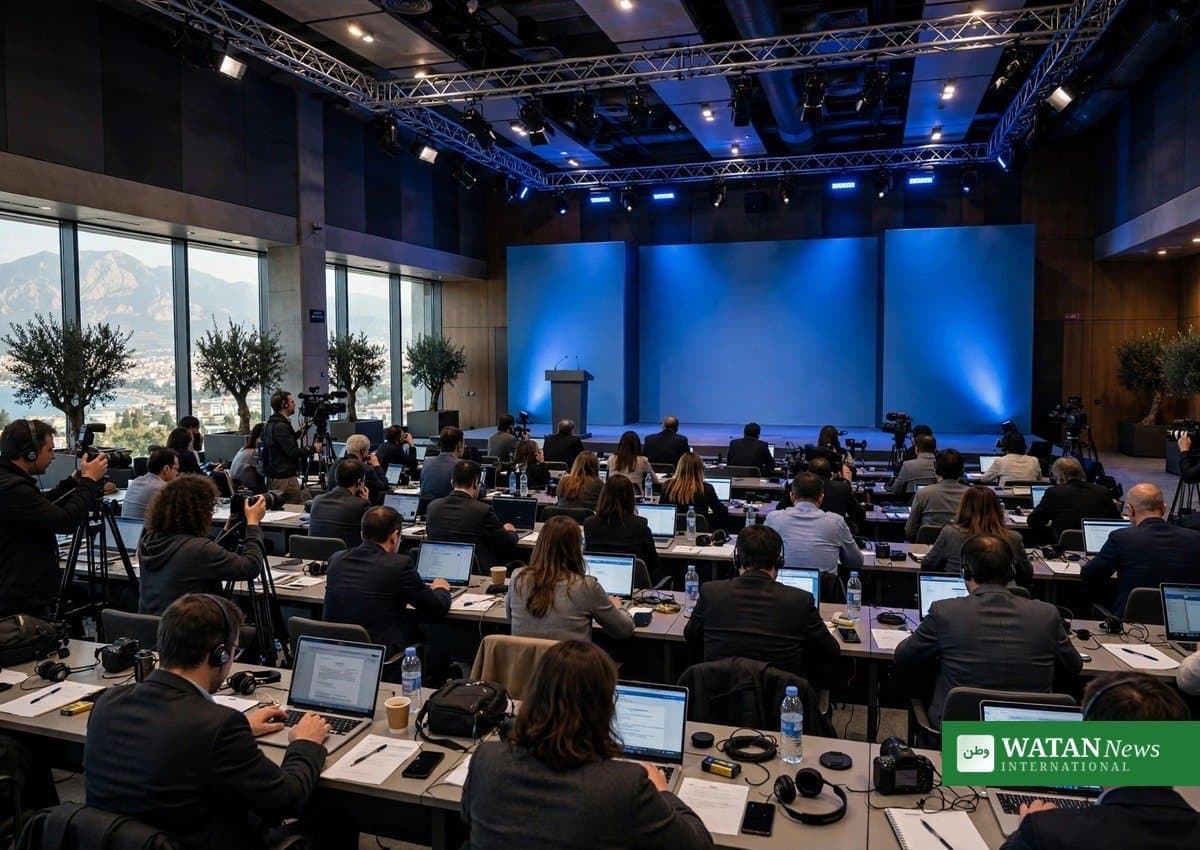
The remarks came at the Philippine Net Zero Conference 2026, held in mid-September at the Philippine Trade Training Center in Pasay City and organised by the Net Zero Carbon Alliance (NZCA), which marked its fifth anniversary this year. The alliance, described by BusinessWorld as the Philippines’ leading private-sector coalition for net-zero greenhouse gas emissions, was founded in 2021 by the First Gen-owned Energy Development Corporation.
Environment Secretary Juan Miguel Cuna addressed the conference as well, making clear that although the Philippines has not committed to a formal net-zero target, the country’s direction remains anchored in low-carbon and climate-resilient development through its enhanced 2026 Nationally Determined Contribution, according to independent coverage of the event. For more on how countries are translating climate pledges into policy, see our Climate coverage.
First Gen President Francis Giles Puno said the most important gap was the distance between “the future we say we want” and “the crucial choices we make today,” stressing that success should be measured not by announced commitments but by “the projects we deliver” and “the progress we enable.”
Signs of progress
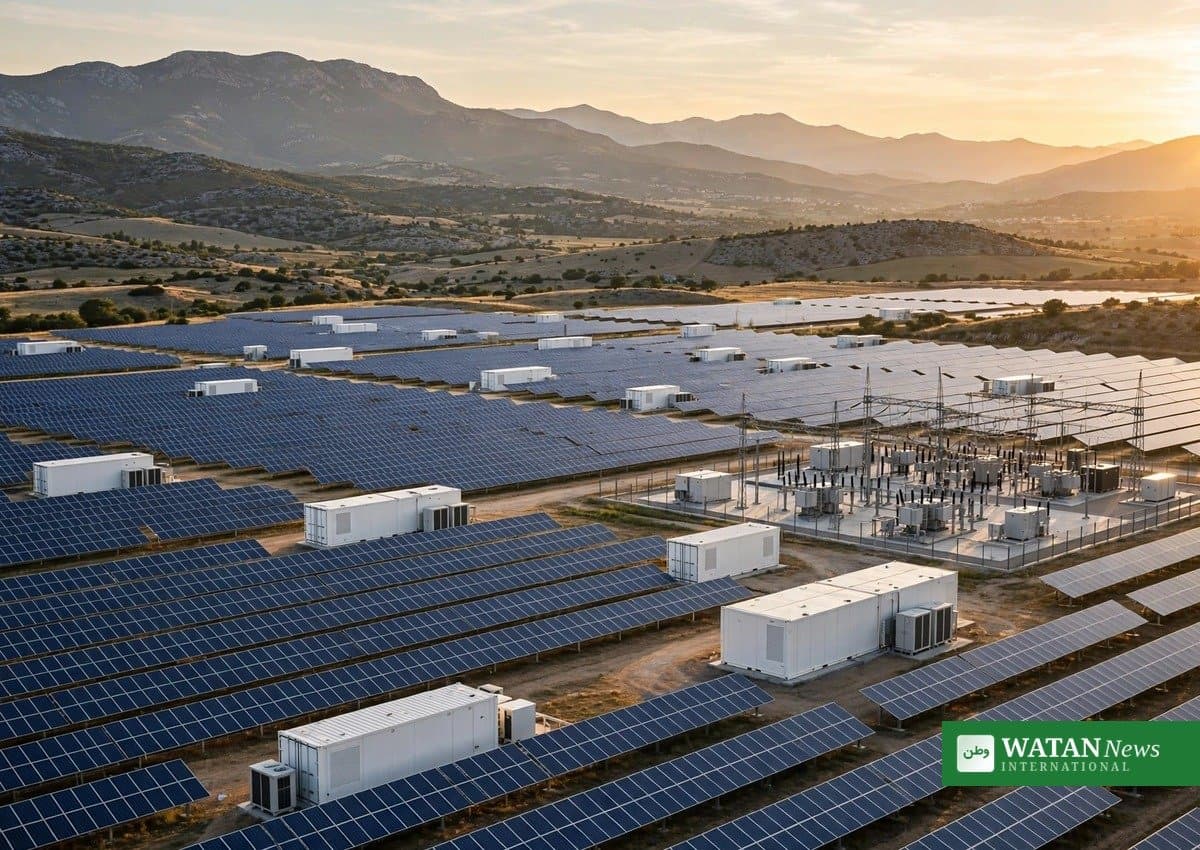
There were also bright spots at the conference. Unilever Philippines reported a 77% reduction in its emissions ahead of its 2030 target and received a Bronze Award at the alliance’s Net Zero Champions Awarding for leadership in decarbonisation, data transparency and reporting, according to Logistics News, an independent outlet covering the event. The company has been expanding renewable energy supply to its sites and suppliers across Metro Manila, Cavite, Laguna and Batangas.
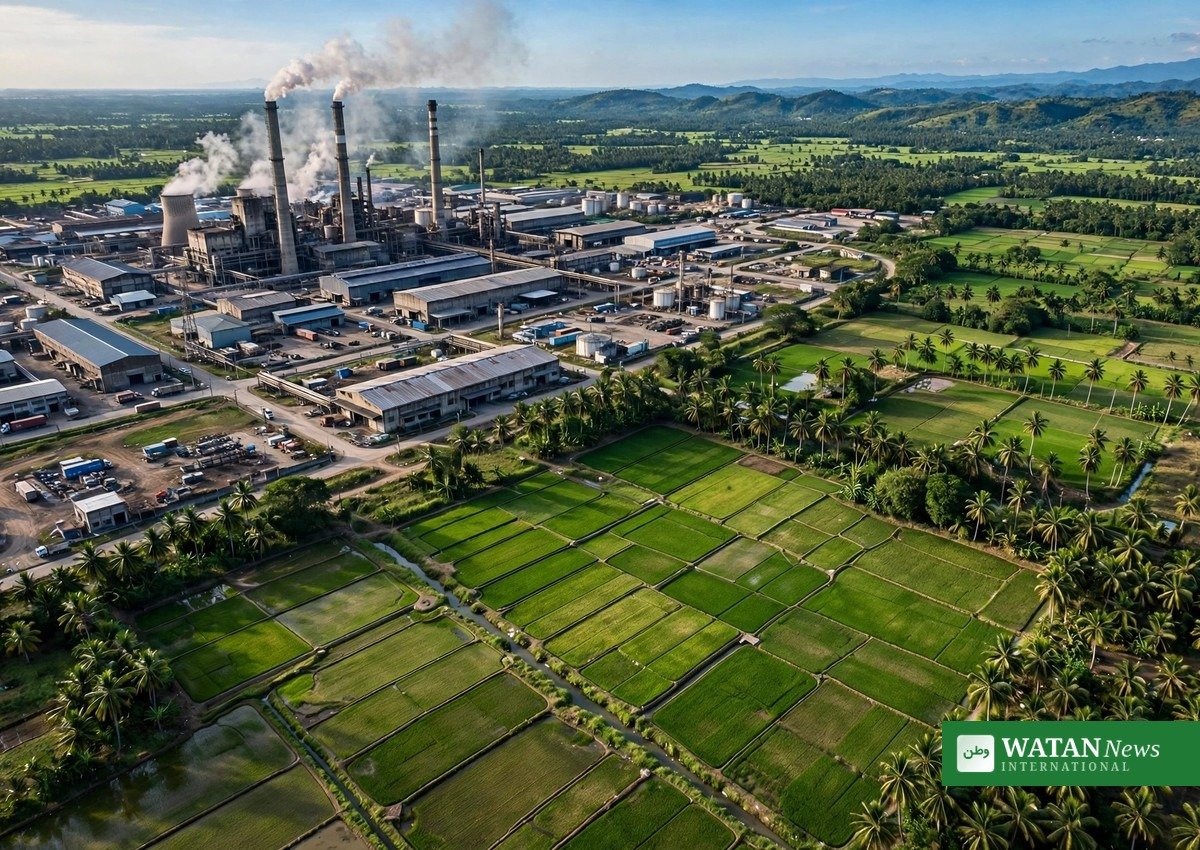
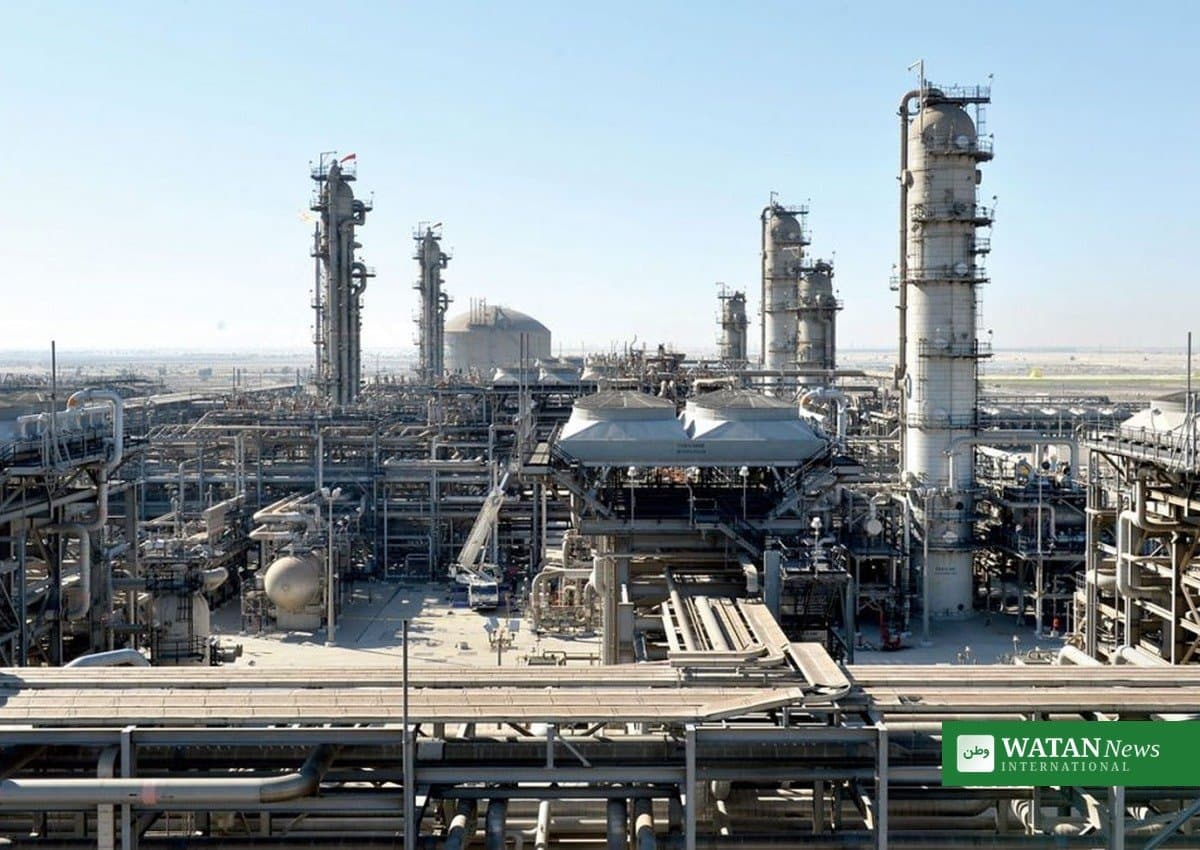
Heavy industry expanding beside farmland: the Philippines’ fossil carbon dioxide emissions have risen 25% since 2021, according to the Climate Change Commission.
FAKTA
- The Philippines’ fossil carbon dioxide emissions have risen 25% since 2021, according to Climate Change Commission Secretary Robert E.A. Borje.
- Only 20 of 137 listed Philippine companies disclosed clear, year-to-year carbon data, a review of public filings showed.
- The Philippines aims to cut greenhouse gas emissions 75% by 2030 — 7% unconditionally, 68% conditional on international support.
- The Philippine Net Zero Conference 2026 was organised by the Net Zero Carbon Alliance, marking its fifth anniversary.
- Unilever Philippines reported a 77% emissions cut ahead of its 2030 target and won a Bronze Net Zero Champions award.